 Ozikoro
 Cultural Heritage · Published history
Nkwa Ụmụagboghọ Dance: A Cultural Heritage of Ebonyi State
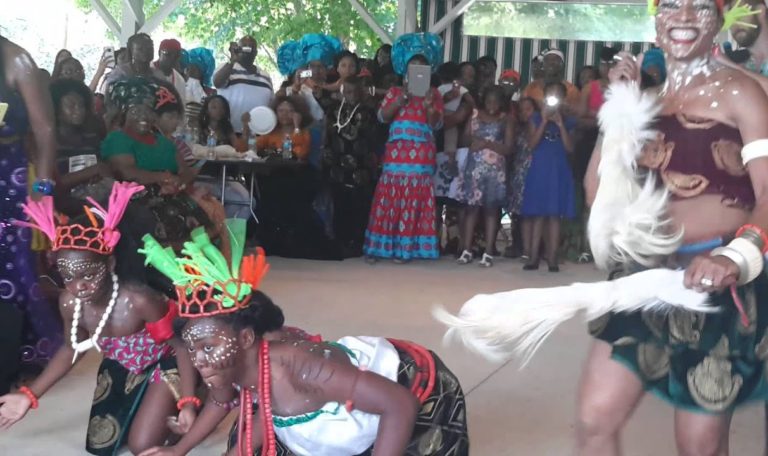
Nkwa Ụmụagboghọ, which means ‘maidens’ dance,’ is a popular cultural dance group in Igbo Land. It was started in 1970 by Chief Vincent Omesi Nwachi from Ndibe, Afikpo, Ebonyi State, Nigeria. He helped make it well-known both in Nigeria and other countries. Chief Nwachi was a skilled and talented leader. He made sure the dance performances were well-organized and properly practiced. As the leader, he guided the dancers during training, rehearsals, and public shows.
The written record
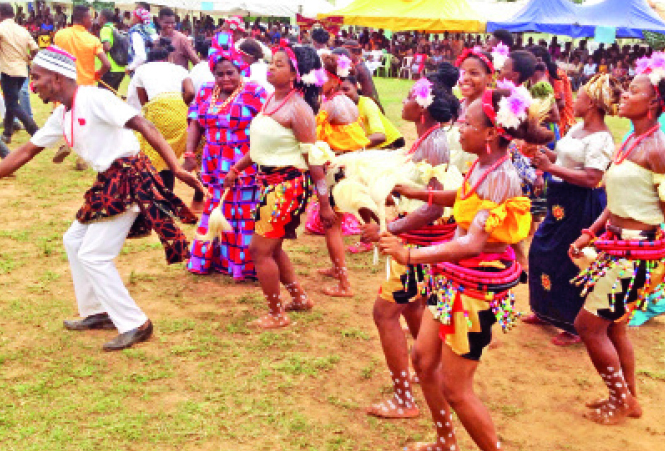
The Nkwa Ụmụagboghọ dance is a lively traditional dance. It is full of energy and has deep cultural meaning. The dance started as part of local wrestling events, where people competed to show their strength and unite the community. The dance has fast movements, loud drumming, and singing, creating a fun and festive mood. With its bright costumes and exciting steps, the Nkwa Ụmụagboghọ dance is a great way to celebrate Igbo culture and unity.
Historical context
Origins of Nkwa Ụmụagboghọ Dance
According to oral histories, the Nkwa Umuagbogho dance is believed to have evolved from local wrestling traditions known as ‘ishi Ogo,’ where various age groups participated in matches. One popular story tells of a hunter who saw monkeys wrestling in the forest. He was amazed and shared what he saw with his community. Over time, people added these movements to their own wrestling, and it later became the Nkwa Umuagbogho dance.
The Role of Young Women in the Dance
As wrestling became more popular, the winning wrestlers were celebrated. The young women from the champion’s village gathered in the courtyard (called Ogo in Afikpo and Ama in other Igbo areas) to dance in honour of the winner. Over time, this became a tradition called Nkwa Ụmuụagboghọ dance.
Only unmarried young women perform this dance. Married women have their own dance. Men do not dance but play the instruments.
Evolution of the Dance
At first, it had just one step, but more moves were added over time.
Traditionally, the dance was performed between September and December. Today, people perform it at different events like child dedications, weddings, housewarming ceremonies, new yam festivals, and Thanksgiving celebrations.
Structure of the Dance Performance
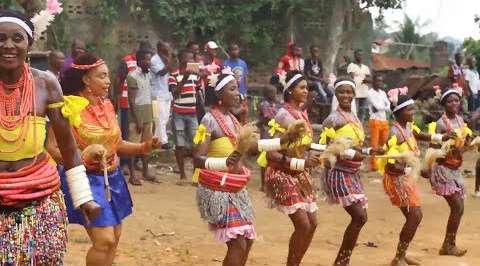
The performance starts with a wrestling match. The winner is then celebrated by young women dancing. This part is called Chakpuruegedem. It serves as an introduction.
Next, the dance moves to the Ọgalụzọ segment, followed by Pim-pim or the main Nkwa Ụmuụagboghọ step. The dancers also perform solo dances led by the group leader, who organizes the performance.
There is also a special segment called Ebini, which highlights the leader’s role.
Dance Attire
The dancers wear traditional clothing called Ikanda, which includes:
- A short skirt
- A fabric tied around the chest
- A headpiece
- White clay decorations on the body
Specific people help the dancers dress up before they perform.
Instruments of Nkwa Ụmụagboghọ Dance
The dance is accompanied by seven main instruments:
- Udu (Base Pot) – Makes a deep gbum-gbum sound.
- Eka-Elu (Xylophone) – Produces an echoing sound.
- Ikoro (Talking Drum) – Guides the dancers’ steps and communicates with them.
- Eka-Ali (Second Base Drum) – Supports the Eka-Elu.
- Megereme (Second Xylophone) – Adds rhythm.
- Isii Ekwe (Second Talking Drum) – Enhances the beats.
- Ahịa (Maracas) – Provides extra rhythm.
In the past, these instruments were made from wood, but today some are made from iron. Skilled craftsmen in Afikpo, Abakaliki, and Enugu still make and repair them.
Nkwa Umuawwogwe: A Wrestling Song and Dance
Nkwa Umuawwogwe is a song sung by the Ezi-inya, Ezi-Nwachi Ndibe, and Afikpo North people in Ebonyi State. It comes from wrestling traditions.
A wrestler named Dinta went into the forest and saw monkeys wrestling. He watched them closely and later showed his community what he had seen. This inspired the wrestling tradition that later became a dance.
During wrestling matches, two young men fight to see who can throw the other to the ground. The elders recognize the winner, and the community celebrates.
After wrestling, young women dance, marking the beginning of Nkwa Umuagbogho. Over time, it improved and became more structured. In 1970, Vincent Omerenwachi (Omerasigo) taught men and women how to perform it properly. Men were also taught how to make vows, as the dance had ritual significance.
Originally, the dance was performed between September and December. Today, it is performed at various events, including births, marriages, housewarmings, and funerals.
Dance Steps and Song
The song is played in a rhythmic way. A song is sung at the start of a wrestling match, and the wrestlers come out to fight. The match can have two or three wrestlers. After the fight, women come out to dance. The first song is called Chakpuruegedem.
After Chakpuruegedem, the women dance Ogaldaa. Then, they danced Pim-pim and, finally, Nkwa Umuagbogho. The last part includes a dance called Ebini, which is performed by the leader.
Traditional Dance Outfit and Selection
The young women wear long dresses, wrap a cloth around their chest, and wear a headpiece. This outfit is called Ikanda. White clay is applied to their bodies before they perform. Only selected dancers are allowed to participate in the performance.
Musical Instruments Used in the Dance
The dance has seven musical instruments:
- Udu (Clay Pot Drum) – Makes a deep sound.
- Eka-Elu (Xylophone) – Produces a rhythmic tune.
- Ikoro (Talking Drum) – Gives signals to dancers.
- Eka-Ali (Second Base Drum) – Supports the Eka-Elu.
- Megereme (Second Xylophone) – Adds more rhythm.
- Isii Ekwe (Wooden Drum) – Made from wood and used for beats.
- Ahịa (Maracas) – Adds extra sounds.
In the past, these instruments were made from wood, but today they are sometimes made from iron. People still make and sell them in Afikpo, Abakaliki, and Enugu.
Nkwa Ụmụagboghọ dance is an important part of Afikpo and Ebonyi State culture. It celebrates wrestling victories, preserves Igbo traditions, and strengthens community bonds. Although the dance has changed over time, its cultural importance remains strong.
Nkwa Ụmụagboghọ Dance. From: Joseph Eze
Nkwa Ụmụagboghọ all the way from Afikpo Ebonyi State at Eke Ekpe 2022, the Climax of Ikeji Arochukwu (New Yam Festival) 2022. From: Arochukwu Mouthpiece TV
Sources and references
- Wikisource. (n.d.). Nkwa Ụmụagboghọ . Wikisource.
- EbonyiFace. (n.d.). Nkwa umu agbogho .
Cite this article
Discussion
Sign in to join the discussion
Comments are checked by an editor before they appear. Leave a source or a correction and it is read first.
Continue reading
Related histories
 Cultural HeritageEleven Days of Nwafor Ogidi: Inside the Festival Keeping an Old Igbo Tradition AliveRead history →
 Cultural HeritageIli Ji Nkpor Obododike: The Indigenous Agricultural Ritual CycleRead history →
 Cultural HeritageMusic and Drum Traditions: Tracing the “Igbo Drum” in the AmericasRead history →
No comments yet
Nothing has been approved on this record yet. Comments are checked by an editor before they appear, so one written now shows on this page after that check.