 Ozikoro
 Cultural Heritage · Published history
Nzu in Igbo Culture: A Symbol of Purity, Peace, and Spirituality
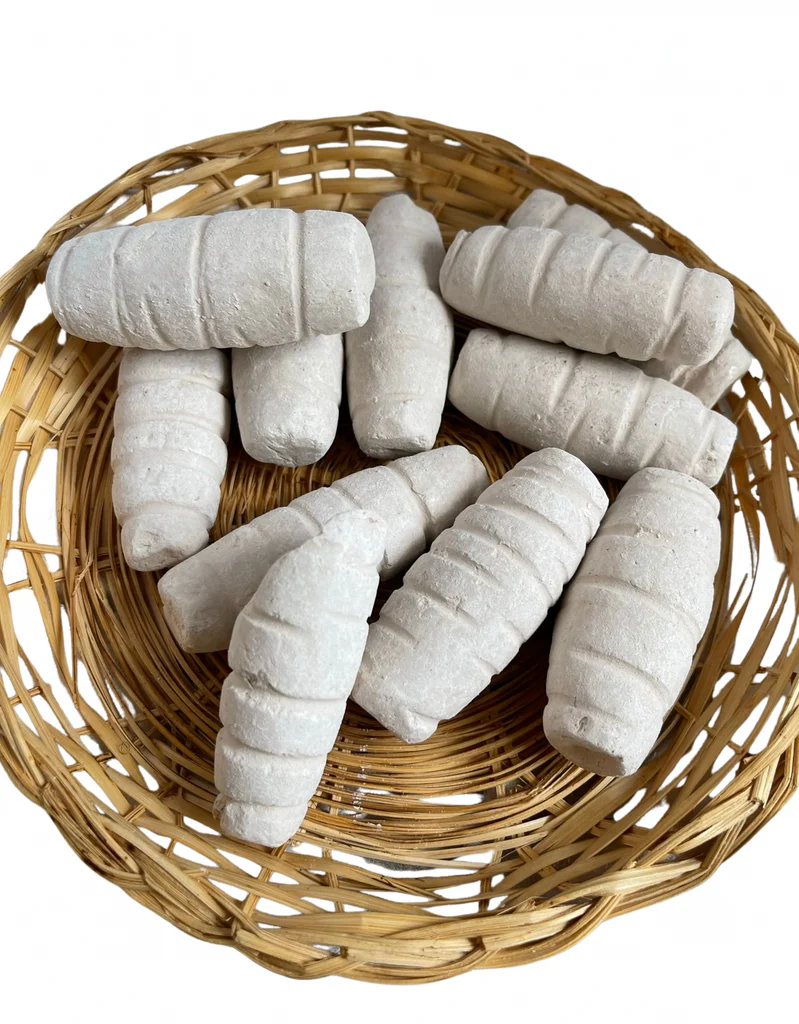
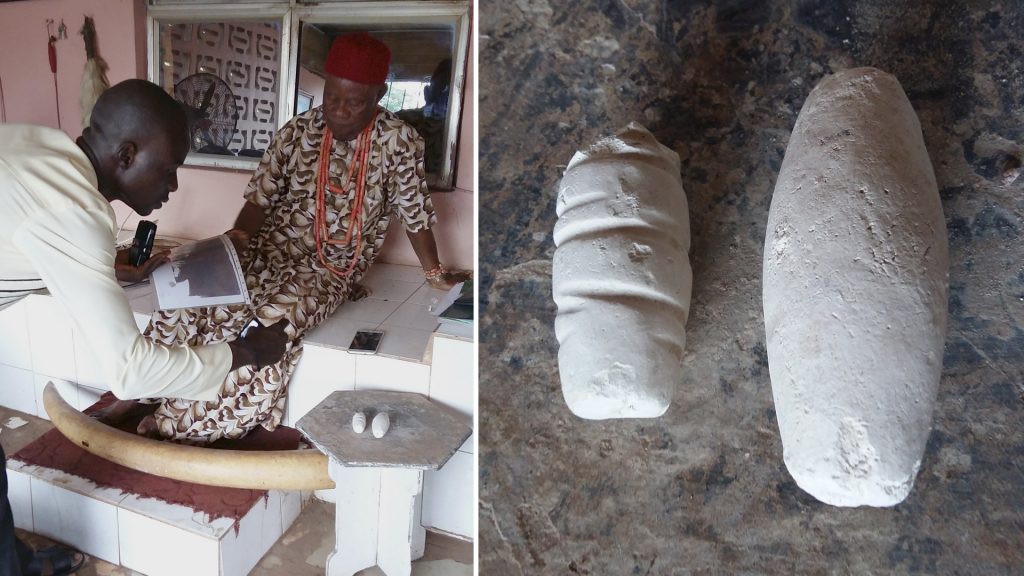
Among the many elements of Igbo culture, Nzu (white chalk) holds a special place as a powerful symbol with deep spiritual and social significance. Despite challenges from colonial influences and modernisation, the Igbo are reviving their traditions, with Nzu playing a central role in preserving their identity. This article explores the multifaceted uses of Nzu in Igbo culture, its symbolic meanings, and its relevance in modern times.
The written record
Historical context
Historical and Cultural Context of Nzu
Nzu is a soft, white chalk-like substance, often sourced from kaolin clay, found in riverbeds or quarries in Igbo land. For centuries, it has been integral to Igbo spiritual, social, and medicinal practices. The Igbo worldview emphasises harmony between the physical and spiritual realms, and Nzu serves as a bridge between these worlds. Its white colour represents purity, peace, wisdom, and sincerity—core values that guide Igbo communal life. These attributes align with the Igbo philosophy of Onye ayana nwanne ya (“let no one leave their brother behind”), which promotes unity and mutual support.
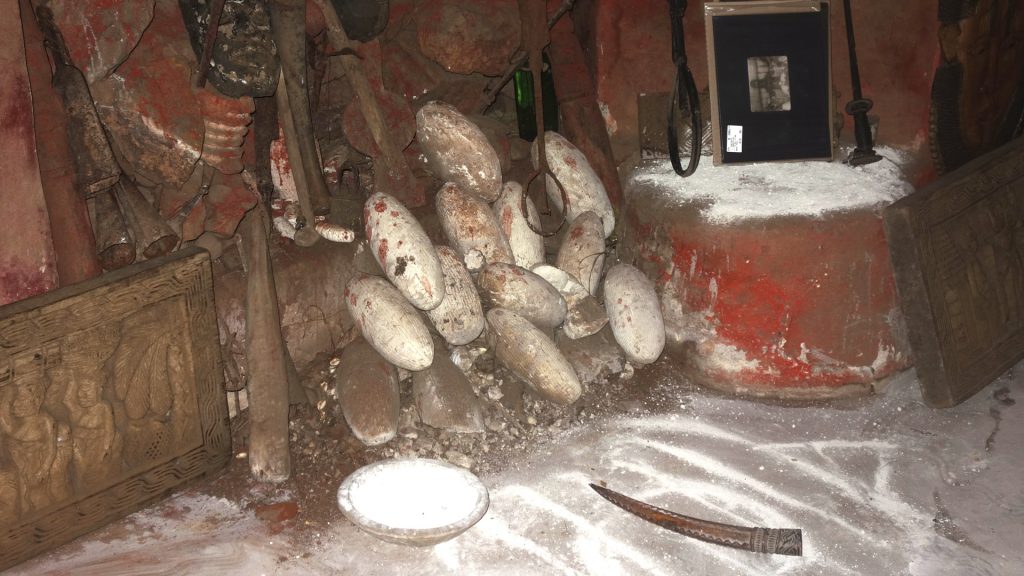
Historically, Nzu was used in the Nri Kingdom, one of the oldest Igbo societies, dating back to the 9th century. The Nri, known for their spiritual leadership, used Nzu in rituals to invoke divine blessings and maintain social order. Despite disruptions from the transatlantic slave trade and British colonial rule, which marginalised many Igbo practices, Nzu remains a vital symbol of cultural resilience.
Symbolic Meanings of Nzu
In Igbo culture, symbols carry deeper meanings beyond their physical form. Nzu embodies qualities like justice, equity, and a clean heart, which are essential for fostering trust and peaceful coexistence. Its use in rituals and daily life reflects the Igbo belief in maintaining moral integrity and spiritual balance. For example, Nzu is often associated with Ana (the earth goddess), a central deity in traditional Igbo religion, symbolising the land’s purity and the community’s connection to it.
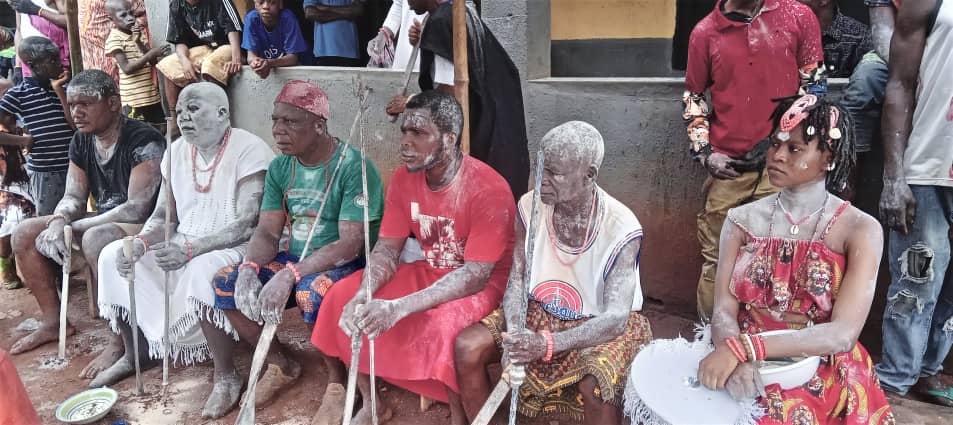
The revival of interest in Nzu today shows the Igbo people’s efforts to reconnect with their heritage. As younger generations embrace their roots, Nzu serves as a reminder of the moral values needed to counter modern challenges like corruption and social disconnection.
Uses of Nzu in Igbo Culture
Nzu has diverse applications in Igbo society, each reflecting its spiritual, social, or practical significance. Below are its primary uses:
Sacrificial Offerings
Nzu is used in sacrifices to appease deities or seek blessings. It is often paired with oji (kola nut) and placed in containers like broken pots (eju), calabashes, or folded palm fronds. These offerings are left at sacred sites such as crossroads, riverbanks, or shrines, symbolising justice, equity, and purity. For instance, during rituals to honour Ana, Nzu is used to invoke her protection for the community.
Welcoming Visitors
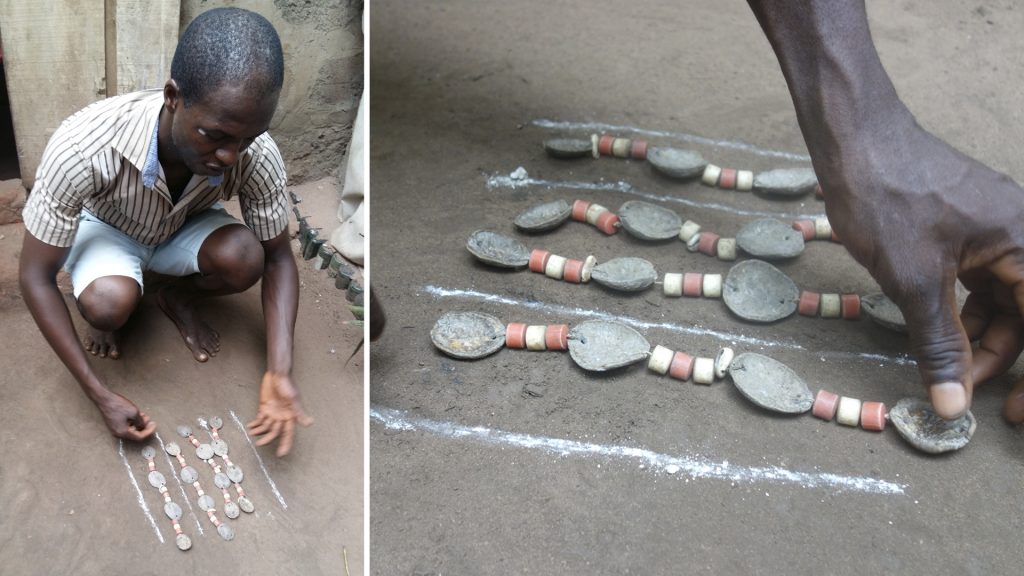
When hosting guests, Igbo people offer Nzu as a gesture of hospitality and trust. The visitor may take a piece of Nzu and draw four or eight parallel lines on the ground, depending on their social status, such as being an Ozo titleholder. This act, known as Ịgba Ndụ (covenant-making), signifies mutual trust and a commitment to avoid harm or deceit. It is a sacred pledge, with Ana as a witness, ensuring both parties maintain a clean heart.
Medicinal and Cosmetic Purposes
Nzu is believed to have medicinal properties. Pregnant women often lick or chew it to reduce nausea and vomiting, a practice rooted in its alkaline properties, which soothe the stomach. As a body lotion, Nzu powder is applied to treat skin conditions like chickenpox or measles, providing a cooling and soothing effect. It is also used cosmetically to decorate dancers or dignitaries during festivals, enhancing their appearance with its white, powdery texture.

Spiritual and Divinatory Practices
Traditional healers (dibia) use Nzu for its mystical powers. By rubbing Nzu on their left eye, dibia claim to gain spiritual insight, enabling them to see into the spirit world or make accurate divinations. This practice underscores Nzu’s role as a conduit to the spiritual realm, connecting the physical and metaphysical.

Ritual Intentions and Communication
During Igo Mmuo (prayer to the spirits), Nzu is blown into the air to send intentions to the universe or ancestors. This act is believed to carry prayers to the spiritual realm, with the wind facilitating communication. The feedback from such rituals is seen as divine guidance or confirmation of the prayer’s acceptance.
Record-Keeping and Artistic Expression
Nzu is used to write or draw on walls, serving as a traditional method of recording events or marking significant occasions. In some communities, it is used to create uli designs, intricate patterns drawn on walls or bodies during ceremonies, reflecting Igbo artistry and aesthetics.
Uli painting on the walls of ‘Odelegu’, Nibo, N.W. Thomas 1911Cultural Performances and Festivals
Nzu is used to decorate performers during festivals like the New Yam Festival (Iri Ji) or Ofala Festival. Masquerades (Mmanwu) and dancers may apply Nzu powder to their faces or bodies, enhancing their appearance and invoking spiritual protection. This use highlights Nzu’s role in celebrating Igbo identity and heritage.

Nzu in Modern Igbo Society
In contemporary times, Nzu remains relevant despite the influence of Western culture and Christianity. Many Igbo Christians incorporate Nzu into their practices, such as using it during naming ceremonies or funerals to honour ancestors. This blending of traditions shows the Igbo’s ability to adapt while preserving their cultural identity.
The rise of social media and cultural advocacy groups, like Ohanaeze Ndigbo, has helped promote Nzu’s significance. Online platforms share videos and articles about its uses, encouraging younger Igbo people to embrace their heritage. Schools in Igbo-speaking states are also introducing cultural education to teach children about Nzu and other traditions.
However, challenges persist. Urbanisation and globalisation have led some Igbo youths to prioritise English over their native language, weakening cultural knowledge. The commercialisation of Nzu in markets sometimes reduces its sacred value to a mere commodity. Efforts to address these issues include community workshops and cultural festivals that emphasise Nzu’s spiritual and moral importance.
Nzu’s Role in Igbo Resilience
Igbos have faced significant historical challenges, including the Nigerian Civil War (1967–1970), which disrupted cultural practices. Yet, Nzu has endured as a symbol of resilience, used in post-war reconciliation rituals to restore peace and unity. Its continued use in modern ceremonies reflects the Igbo’s commitment to their heritage, even in the diaspora, where Nzu is often included in cultural events to connect Igbo communities abroad.
Sources and references
- Dibianwangwu Uchendu. (2023, August 11). Nzu Igbo and its uses .
- Ani, I. (n.d.). Seven significant uses of nzu (sacred white chalk).
- Thomas, N. (2017, March 13). Chalk. Re-entanglements .
- Two Cents. (2023, April 25). The significance of nzu (white chalk) in Igbo culture.
Cite this article
Idenze Ezeme. “Nzu in Igbo Culture: A Symbol of Purity, Peace, and Spirituality.” Ozikoro, 2025. https://ozikoro.com/nzu-in-igbo-culture-a-symbol-of-purity-peace-and-spirituality/Discussion
Sign in to join the discussion
Comments are checked by an editor before they appear. Leave a source or a correction and it is read first.
Continue reading
Related histories
 Cultural HeritageEleven Days of Nwafor Ogidi: Inside the Festival Keeping an Old Igbo Tradition AliveRead history →
 Cultural HeritageIli Ji Nkpor Obododike: The Indigenous Agricultural Ritual CycleRead history →
 Cultural HeritageMusic and Drum Traditions: Tracing the “Igbo Drum” in the AmericasRead history →
No comments yet
Nothing has been approved on this record yet. Comments are checked by an editor before they appear, so one written now shows on this page after that check.