 Ozikoro
Biography · Published history
Obi Egbuna Was a Pioneer of the UK Black Power Movement: Organizer of Malcolm X’s Visit to London and Novelist
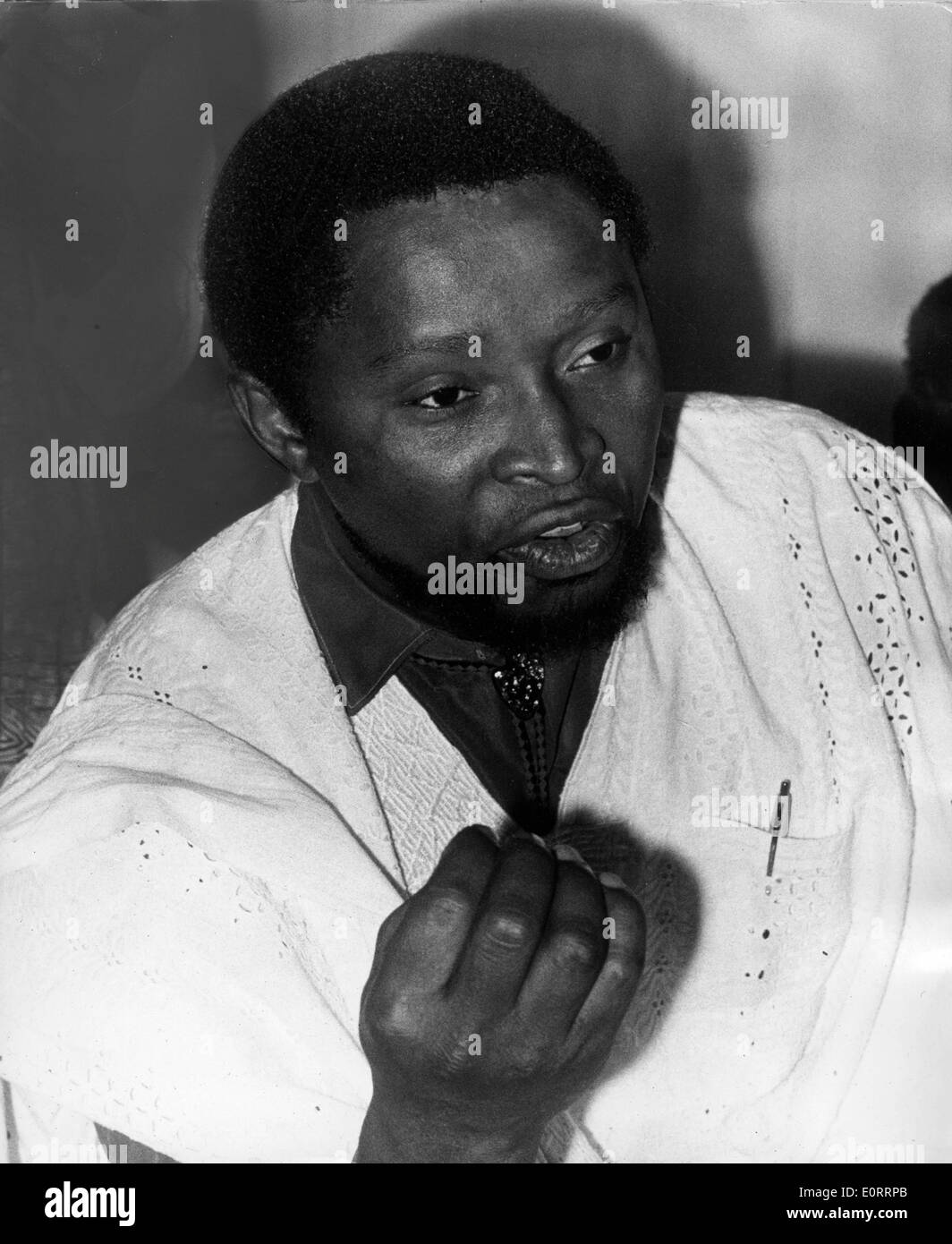
In the history of global Black liberation movements, the name Obi Egbuna stands out as one of the most significant yet often under-discussed figures who helped shape the political consciousness of Black communities in Britain. As a writer, political organizer, and revolutionary thinker, Egbuna played a pivotal role in the rise of the UK Black Power movement during the 1960s and 1970s. His leadership, activism, and literary contributions created a blueprint for later anti-racist struggles in Britain, linking African diaspora communities to global liberation currents spearheaded by figures such as Malcolm X. This essay explores his early life, political activism, his role in the UK Black Power movement, his organization of Malcolm X’s 1965 visit to London, and his enduring legacy as a novelist and intellectual.
The written record
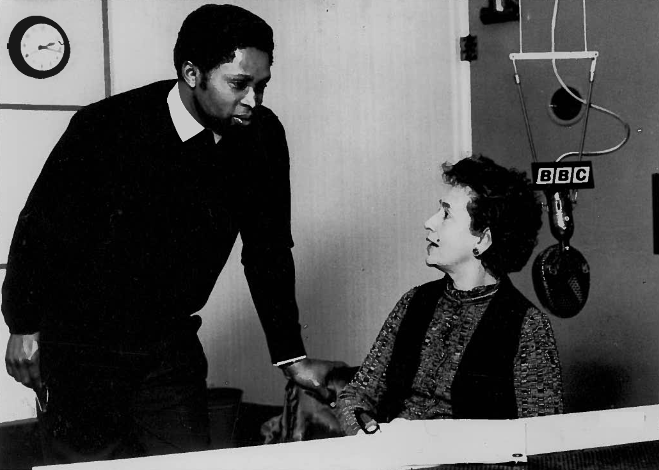
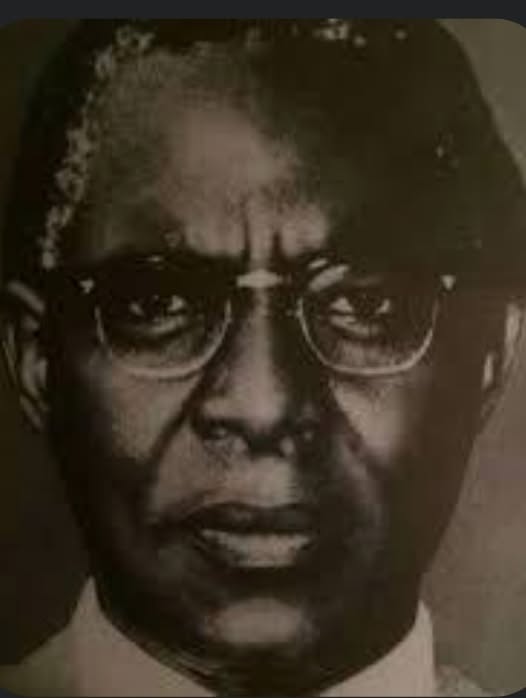
This image shows Obi Egbuna, a prominent Nigerian playwright, novelist, and political activist.
Photo credits; Illuminationsmedia. co. uk.
Historical context
Early Life and Intellectual Formation
Obi Benue Egbuna was born on 18 July 1938 in Ozubulu, Anambra state, Nigeria. He studied at the University of Iowa and Howard University, Washington, DC, moving in 1961 to England, during a time of rising anti-colonial sentiment, where he lived until 1973. His intellectual curiosity and political awareness deepened during the final years of British rule in Nigeria. Egbuna was influenced by anti-colonial philosophy, Pan-Africanism, Marxist thought, and the emerging global Black consciousness movement.
He moved to Britain in the early 1960s to pursue further education. Upon arrival, he immediately encountered the harsh realities of racial prejudice, police profiling, and economic marginalization faced by African, Afro-Caribbean, and Asian immigrants. These experiences pushed him toward political organizing and writing as tools to confront racial injustice.
Organizing Malcolm X’s Visit to London (1965)
One of Egbuna’s most historically significant accomplishments was his involvement in arranging the visit of Malcolm X to London in 1965, shortly before Malcolm X’s assassination. The visit was a monumental moment for Black activists in Britain. Malcolm X addressed students, Pan-Africanists, and community groups about global racism, imperialism, and the need for Black self-determination. Archival accounts show that Egbuna worked alongside local activists to coordinate Malcolm X’s meeting with young Black Britons who were searching for ideological direction in a hostile society. This visit galvanized a new generation and laid the emotional and philosophical groundwork for Britain’s own Black Power movement.
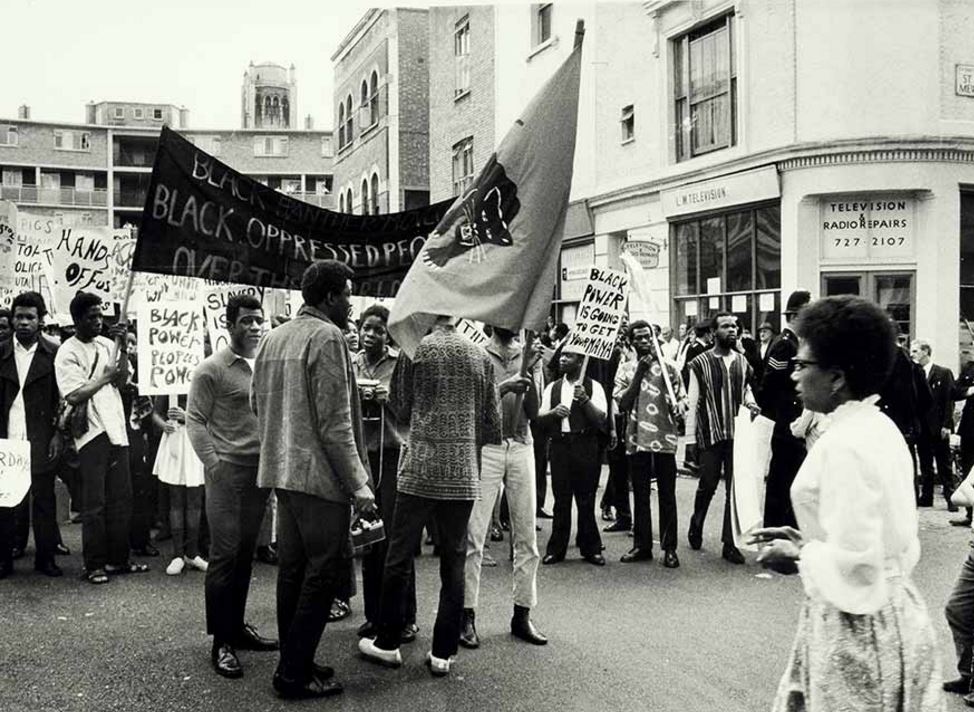
After Malcolm X’s visit, Egbuna became increasingly committed to building a structured revolutionary movement in Britain. In 1967, he founded the Universal Coloured People’s Association (UCPA) widely recognized as the first Black Power organization in the United Kingdom.
The UCPA advocated:
- Black self-defense
- Pan-African political consciousness
- Community education
- Resistance to police brutality
- Economic self-reliance.
The UCPA’s newspaper, Black Power Speaks, articulated a radical critique of capitalism, racism, and British imperialism. Egbuna’s fiery speeches and essays positioned him as the intellectual backbone of Britain’s Black Power organizing. Egbuna was heavily monitored by British police and MI5, who viewed Black Power organizing as a threat to the state’s stability. His arrest in 1968 for “incitement to murder” (later dismissed for lack of evidence) demonstrated the extent to which the state attempted to suppress Black activism.
Political Philosophy and Revolutionary Thought
Egbuna’s political writings reveal a deep blend of Marxist, Pan-Africanist, and anti-imperialist ideology. Unlike some American Black Power thinkers who emphasized racial separatism, Egbuna advocated a class-conscious Black internationalism grounded in anti-capitalist struggle.
He emphasized:
- Collective liberation over individual success
- The link between racism and capitalism
- The role of art and literature in revolution
- Global solidarity among oppressed peoples.
In his influential pamphlet Black Power in Britain (1967), he argued that systemic racism in the UK was inseparable from its colonial legacy and could only be dismantled through organized resistance and ideological unity among Black communities.
Egbuna as a Novelist and Literary Pioneer
Beyond activism, Egbuna was a gifted novelist whose works explored the emotional, political, and psychological experiences of Black people navigating oppression. His best-known novels include:
- “The ABC of Black Power Thought”
- “The Anthill”
- “The Madness of Didi”
- “Diary of a Homeless Prodigal”
His novel The Anthill was critically acclaimed for its exploration of post-colonial Nigerian society, political trauma, and the lingering effects of colonial rule. Egbuna was part of a generation of African writers such as Chinua Achebe, Wole Soyinka, and Ngũgĩ wa Thiong’o, who used literature as a weapon to interrogate both colonial oppression and internal contradictions within African society.
Legacy and Impact on Black British Identity
Egbuna’s legacy is profound and multifaceted.
1. Pioneer of UK Black Power
He was the first to institutionalise Black Power as a political identity in Britain, creating a model later adopted by groups such as the British Black Panthers and the Race Today Collective.
2. Radical Intellectual Influence
His writings and speeches influenced later British activists including Darcus Howe, Olive Morris, and the Notting Hill youth who organized against police brutality in the 1970s.
3. A Literary Voice of Black Consciousness
Through novels and essays, Egbuna enriched African literature with stories that blended social realism, political urgency, and cultural critique.
4. Transnational Activism
He served as a bridge between African liberation struggles, the American Civil Rights movement, and British anti-racist resistance embodying a truly global outlook. Scholars today recognize him as a foundational figure in Black British political history.
Obi Egbuna’s contributions to political activism and literature remain crucial in understanding the evolution of Black struggle across the Atlantic. As a leader, he founded the UK’s first Black Power organization. As an organizer, he helped bring figures like Malcolm X into direct contact with Black Britons. As a novelist and intellectual, he left a body of work that elevated Black consciousness and challenged oppressive systems. His life reflects the power of radical imagination, the belief that literature, activism, and political clarity can reshape society. Today, his legacy endures in the ongoing global fight against racism and in the cultural memory of Black British resistance.
Sources and references
- Field, P. (2017, April 14). The real guerrillas. Jacobin.
- Taylor, M. E. (2021, October 21). The story of the Nigerian freedom fighter who founded the British Black Panthers. Face2FaceAfrica.
Cite this article
Discussion
Sign in to join the discussion
Comments are checked by an editor before they appear. Leave a source or a correction and it is read first.
Continue reading
No comments yet
Nothing has been approved on this record yet. Comments are checked by an editor before they appear, so one written now shows on this page after that check.