 Ozikoro
 Ethnohistory · Published history
Ọfọe: The Edo Mystical Messenger of Death
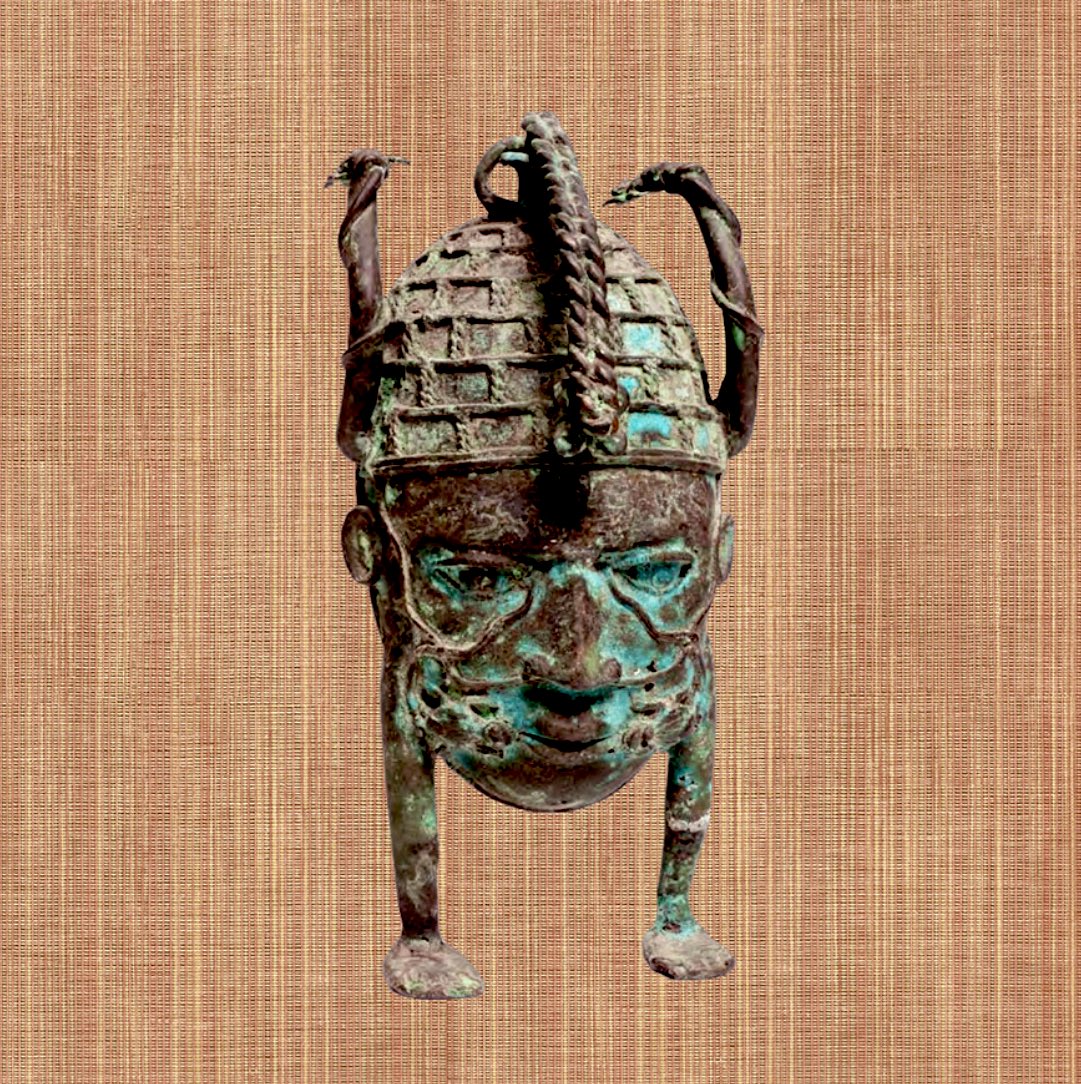
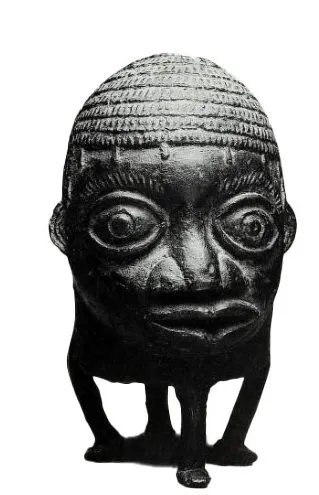
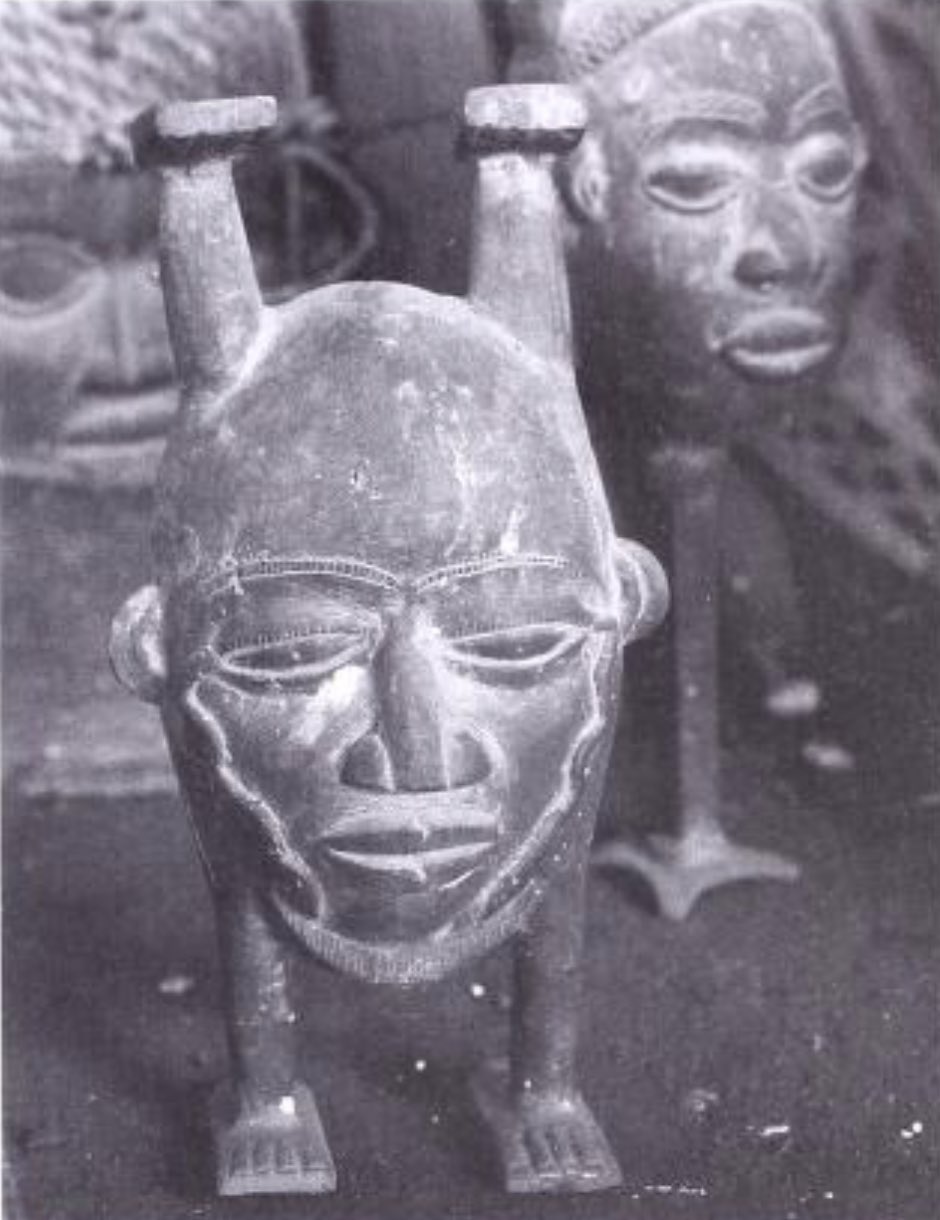
Among the Edo (Benin) people of Southern Nigeria, spiritual belief and cosmology form a richly layered system of meanings that shape how life, death, and destiny are understood. Within this worldview exists the enigmatic figure known as Ọfọe, often described as the “Edo mystical messenger of death.” Ọfọe represents the spiritual force responsible for conveying divine verdicts, ancestral judgments, or cosmic decisions concerning death. Though not widely documented in mainstream publications, Ọfọe remains a powerful figure in Edo oral tradition, symbolizing the inevitability of mortality and the spiritual order governing human life.
The written record
Historical context
Meaning and Etymology of “Ọfọe”
The term “Ọfọe” in Edo language refers to a spiritual envoy or supernatural agent who carries out the decree of death. While the exact etymology varies across Edo dialectal interpretations, the word is consistently associated with dispatch, execution of fate, divine message, or spiritual enforcement. In some traditions, Ọfọe is described as “the one who comes quietly,” reflecting the silent, invisible, and sudden nature of death as perceived in Edo philosophy.
Unlike death itself called “Ikhuo”, Ọfọe is not synonymous with the end of life. Instead, Ọfọe is the messenger, the intermediary force that ensures the cosmic balance between the living, the ancestors, and the spiritual realm.
Representation in Edo Cosmology
Death as a Spiritual Process;
In Edo belief, death is never viewed as random or meaningless. It is deeply spiritual, sometimes a consequence of natural causes, ancestral summons, divine purpose, or moral imbalance. Ọfọe operates within this metaphysical structure, acting as the executor of destinies already determined by higher spiritual authorities.
Relationship with the Ancestors (Enikaro);
The ancestors called Enikaro occupy a central role in Edo cosmology. They are believed to watch over families, guide the living, and intervene when necessary. In cases where death is decreed by ancestral decision, Ọfọe is the envoy who delivers the spiritual command. Thus, Ọfọe symbolizes both obedience and continuity in the chain connecting the living to the dead.
Association with the Supreme Deity (Osanobua);
While the Edo supreme deity, Osanobua, is believed to be benevolent and distant from day-to-day human affairs, Ọfọe is viewed as one of the many spiritual forces ensuring that divine order is maintained. In some oral traditions, Ọfọe is said to operate under the spiritual principles established by Osanobua specifically the principle that “all beings must fulfill their earthly destiny.”
Characteristics and Symbolism of Ọfọe
Invisible and Silent Presence
Ọfọe is generally believed to be invisible, silent, and swift. Death is often described in Edo stories as arriving “without footsteps” or “without announcement,” metaphors referring to the mysterious nature of Ọfọe.
Neutral Moral Force
Ọfọe is not considered evil. Instead, it is morally neutral neither benevolent nor malevolent. Like a messenger fulfilling a mandate, Ọfọe carries out its duty without emotion. This neutrality aligns with Edo philosophical views that death is not punishment in every instance but part of the natural flow of existence.
Symbol of Fate and Inevitability
Ọfọe represents the inevitable nature of human destiny. In this sense, it functions similarly to death messengers in other African cosmologies, such as Ikú among the Yoruba or Mmo Akwu among the Igbo.
Ọfọe in Oral Tradition and Folklore
Proverbs and Sayings
Edo proverbs often reference death as a messenger, reflecting the concept of Ọfọe. Examples include:
“Ikhuo ghi gbe rhie, ọfọe ghi gbe rhie.”
(“Death does not warn, the messenger does not announce.”)
“Ọfọe ma si siere, ọghi vbie.”
(“The messenger moves in silence, leaving no trace.”)
These sayings reinforce the cultural belief that death is swift and spiritually governed.
In folktales, Ọfọe sometimes appears as a shadowy figure, a wind, or an unseen presence that passes through a home moments before a person dies. These narrative forms are not meant to instill fear but to illustrate the spiritual order and inevitability of life’s end.
Rituals and Cultural Practices Associated with Ọfọe
Announcements of Death
In traditional Edo communities, the announcement of death follows a structured ritual to acknowledge that a spiritual process has occurred. Drummers, criers, or family elders often speak metaphorically, referring to death as “the messenger who has come and gone”.
Cleansing and Transition Rites
After a person’s death, certain rites are performed to ensure the safe passage of the deceased’s spirit to the ancestral realm. The belief is that acknowledging the work of Ọfọe allows the living to maintain harmony and protect themselves from spiritual imbalance.
Role of Priests and Diviners
Traditional priests (Ohen) or diviners (Ohionwa) may sometimes be consulted to interpret the spiritual meaning behind a death. While Ọfọe’s mandate is unquestioned, diviners help determine why the death occurred ancestral calling, destiny, spiritual wrongs, or natural causes.
Ọfọe in Modern Edo Society
Continuity of Belief
Even though Christianity, Islam, and modern science have influenced Edo society, many families still hold subtle or symbolic beliefs about Ọfọe. It is common to hear older people say that “Ọfọe has visited” when someone dies unexpectedly or peacefully in their sleep.
Cultural Preservation
As scholars and Edo custodians continue documenting indigenous spirituality, Ọfọe is increasingly recognized as part of the cultural heritage of the Benin Kingdom. Researchers consider Ọfọe essential for understanding Edo metaphysics, ancestral worship, and traditional death rituals.
Ọfọe, the “Edo mystical messenger of death,” occupies a powerful position in the spiritual imagination of the Benin people. More than a mythic figure, Ọfọe represents the Edo understanding of destiny, cosmic order, ancestral authority, and life’s inevitable end. Through proverbs, rituals, oral traditions, and symbolic practices, the figure of Ọfọe maintains its relevance reminding the Edo people that existence is governed by forces beyond the physical world. As modern scholarship continues to explore Edo cosmology, Ọfọe remains a critical symbol of the philosophical depth and spiritual worldview of the Benin Kingdom.
Sources and references
- Aghedo, O. (2019). Death and Spiritual Continuity in Edo Culture. Benin City: EthnoPress.
- Egharevba, J. U. (1968). A Short History of Benin. Ibadan University Press.
- Ekpo, A. (2018). The metaphysics of death in Benin cosmology. Nigerian Journal of Cultural Studies, 12(3), 44–59.
- Igbafe, P. A. (2011). Benin under the Obas. Ibadan: Heinemann.
- Omoregie, S. (2020). Edo Belief Systems and the Symbolism of Death. University of Benin Press.
Cite this article
Discussion
Sign in to join the discussion
Comments are checked by an editor before they appear. Leave a source or a correction and it is read first.
Continue reading
Related histories
 EthnohistoryGbam, Chai, Ewo: How Igbo Expressions Became the Language of Nigerian Pop CultureRead history →
 EthnohistoryAro Merchant Network: Historical Trade Integration in the Cross-Niger RegionRead history →
 EthnohistoryTransition to Commodities in the aro confederacy(e.g., Palm Oil, Ivory, Cloth)Read history →
No comments yet
Nothing has been approved on this record yet. Comments are checked by an editor before they appear, so one written now shows on this page after that check.