 Ozikoro
 Biography · Published history
Ogiame Atuwatse III: Modernizing the Monarchy in the 21st Century
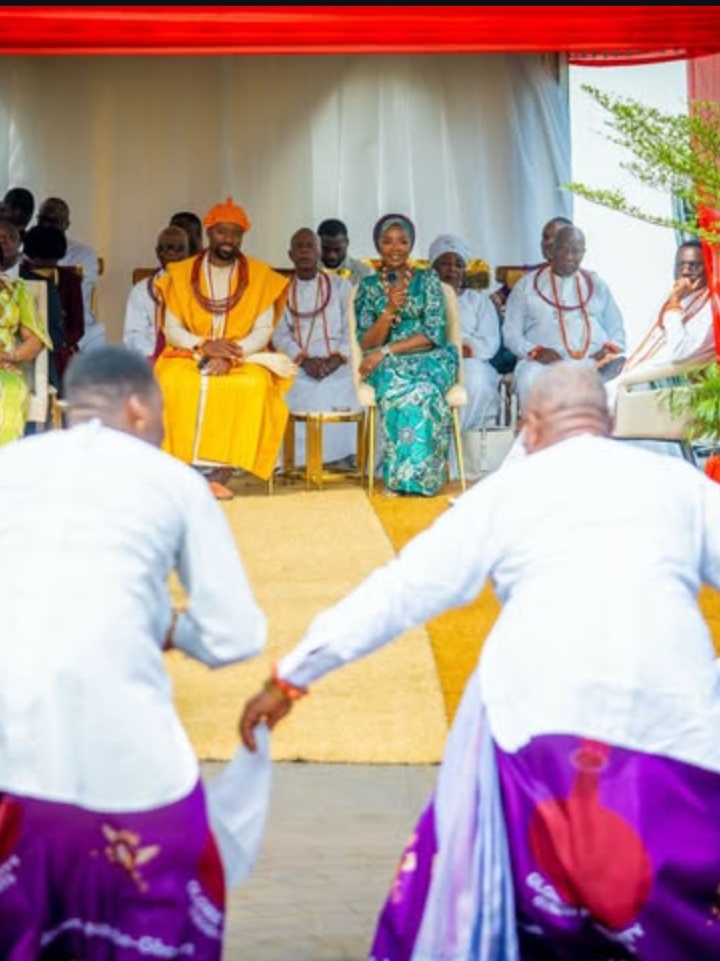
The coronation of Ogiame Atuwatse III, born Utieyinoritsetsola Emiko, marked the beginning of a transformative era in the Warri Kingdom. Ascending the throne on August 21, 2021, he represents a new generation of traditional African rulers who balance cultural heritage with modernization. His reign is characterized by strategic social reforms, progressive economic initiatives, and a renewed emphasis on unity among the Itsekiri people.
The written record
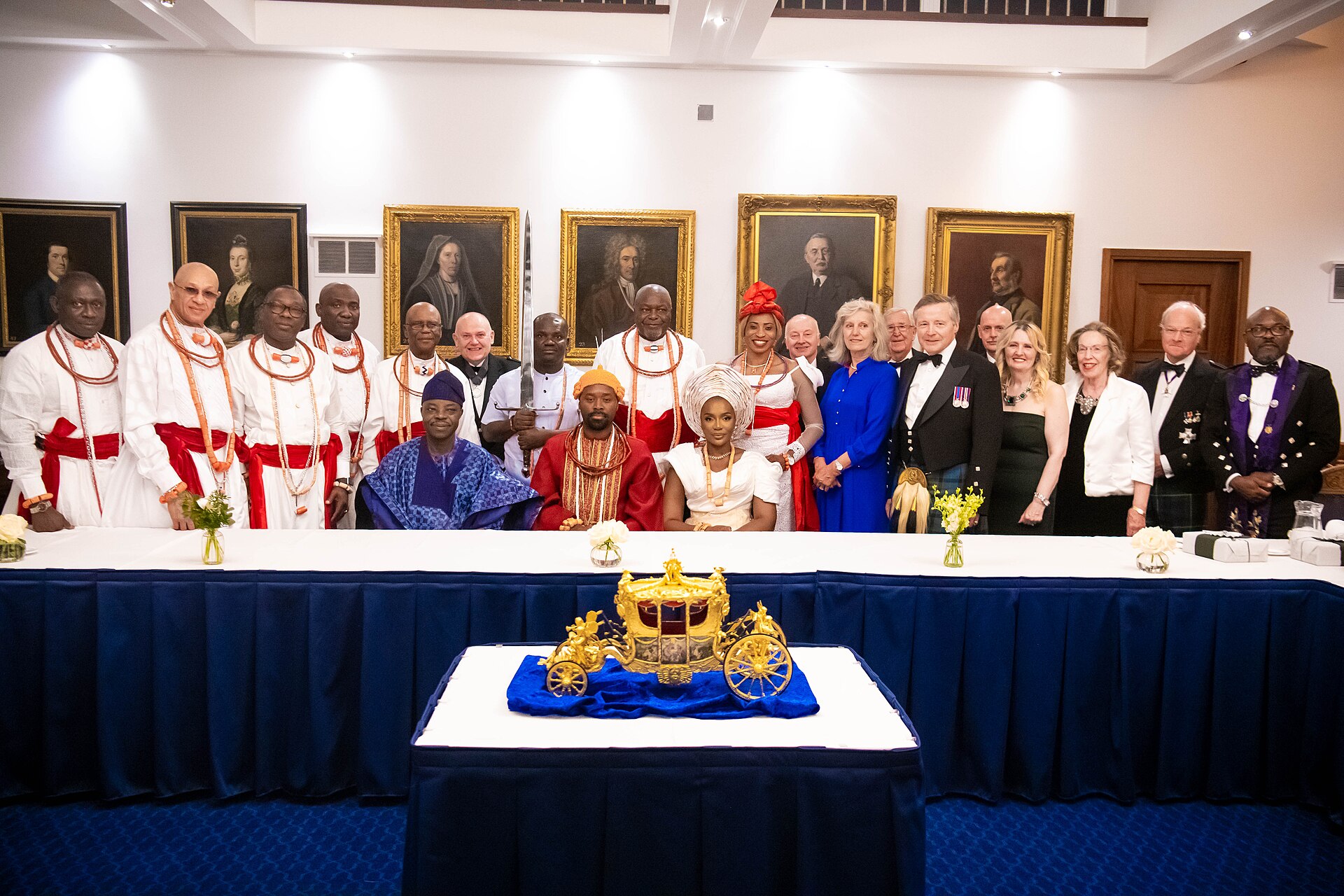
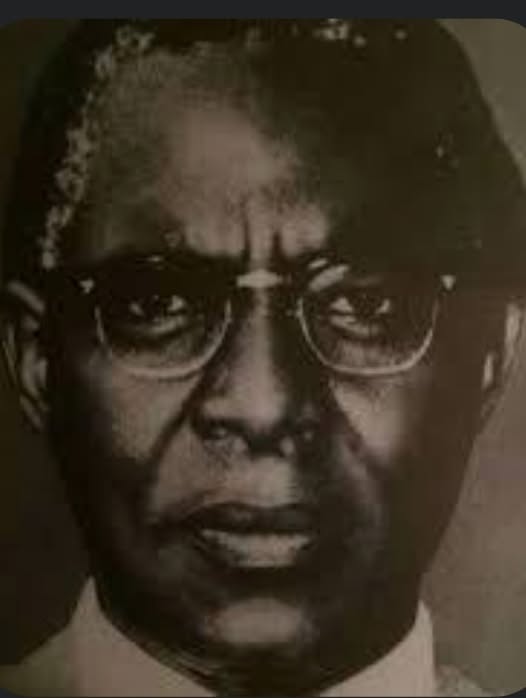
Photo credit; Blackmeister via wikimedia commons
Historical context
Background of Ogiame Atuwatse III
- Early Life and Education
Ogiame Atuwatse III was born into the royal family of Olu Atuwatse II. His upbringing combined traditional Itsekiri heritage with an international academic background. According to public biographical accounts, including Wikipedia, he earned a degree in International Studies and Political Science from Case Western Reserve University in the United States and completed further studies in entrepreneurship at the Lagos Business School. This blend of global education and traditional grounding would later shape his modern, reform-oriented approach to kingship.
- Path to the Throne
After years of succession disputes within the royal family, his emergence as Olu was widely welcomed. His enthronement under the title “Ogiame Atuwatse III” symbolized continuity, restoration, and generational renewal for the Itsekiri nation. His speech following his coronation emphasized reconciliation, unity, prosperity, and faith, elements that have become pillars of his reign.
Leadership Philosophy in a Modern Era
- A Reform-Driven Vision
The Olu’s reign is rooted in a philosophy of modernization guided by integrity, service, and spirituality. His coronation declaration, “We are not here to merely occupy a seat; we are here to build a nation,” has become a defining guiding principle. Consistent with contemporary trends in traditional African governance, he emphasizes inclusive leadership and evidence-based decision-making.
- Bridging Tradition and Modern Governance
Ogiame Atuwatse III’s leadership style reflects a hybrid model, one that preserves cultural identity while embracing institutional modernization. He continues to uphold traditional Itsekiri rituals, festivals, and council structures, yet simultaneously incorporates digital communication, modern administration, and professional advisory systems. This duality strengthens the legitimacy of the monarchy both within traditional contexts and in interactions with government, corporations, and international bodies.
Social and Cultural Reforms
- Restoration of Itsekiri Unity
One of the foremost priorities under his reign has been the restoration of unity among Itsekiri communities after decades of internal tension. He has publicly advocated for reconciliation among royal houses, chiefs, and various community blocs. His approach aligns with the traditional role of African monarchs as custodians of peace and custodians of heritage.
- Empowerment of Women and Youth
The Olu has championed significant reforms related to education, entrepreneurship, and women’s empowerment. Through initiatives such as human capital development programs, scholarships, and training schemes, the palace under his leadership aims to provide opportunities for young Itsekiri people to thrive in a competitive global environment.
Notably, his queen, Olori Atuwatse III, plays an active role in social advocacy, literacy campaigns, and community well-being initiatives. Their combined leadership reflects a family-based modernization of the monarchy, which is increasingly common in the 21st century.
- Cultural Preservation in a Changing World
The Olu has invested in the preservation of Itsekiri language, arts, and traditions. He supports festivals, historical documentation, and collaboration with cultural institutions to ensure that modernization does not come at the expense of cultural identity. This reflects broader global trends of heritage preservation in an era of globalization.
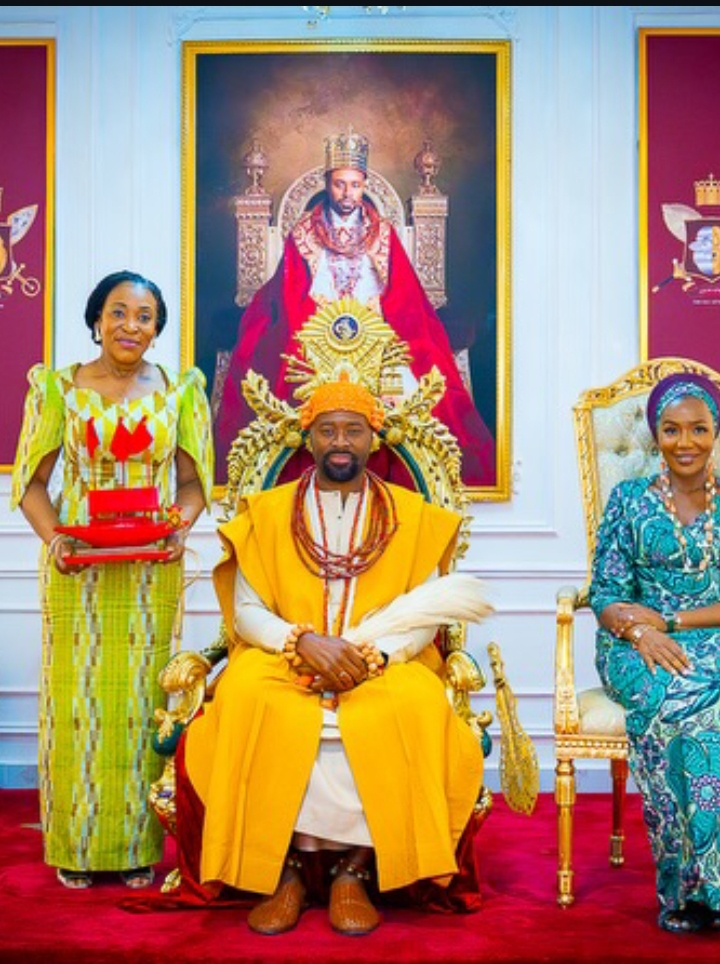
Economic and Developmental Initiatives
- Advocacy for Resource Accountability
The Niger Delta is central to Nigeria’s oil and gas industry, and Ogiame Atuwatse III has emerged as a vocal advocate for resource equity. He consistently emphasizes transparency, environmental justice, and fair development for host communities. His approach aligns with contemporary frameworks for community-based resource governance.
- Partnerships with Government and International Investors
Because of his professional background and international outlook, the Olu has positioned the Warri Kingdom as a viable partner for foreign investment. He fosters dialogue with multinational corporations, state governments, and development agencies to encourage infrastructure projects, education programs, job creation, and sustainable economic growth.
- Entrepreneurship and Local Development
Under his leadership, entrepreneurial hubs, small-business support schemes, and vocational programs have gained prominence. These efforts aim to reduce youth unemployment and diversify economic opportunities beyond oil dependency, an approach consistent with global development best practices.
The Olu’s Use of Modern Platforms and Technology
- Digital Visibility and Public Communication
Unlike many traditional rulers who rely solely on palace announcements, Ogiame Atuwatse III uses digital media, official social platforms, and online publications to share information and engage citizens. This transparency increases accessibility, strengthens community trust, and aligns with modern expectations of public leadership.
- Modern Administration
The palace operates with improved documentation practices, strategic planning, and administrative systems similar to modern governance institutions. This has enhanced the efficiency and professionalism of the monarchy. Such reforms reflect a broader continental trend in which traditional rulers modernize their institutions to remain relevant.
Contemporary Influence and Legacy in Progress
- A Symbol of Modern Traditional Leadership
As a young, globally educated king, Ogiame Atuwatse III represents the image of the modern African monarch, a figure who stands at the intersection of heritage and innovation. His leadership resonates not only within Itsekiriland but across Nigeria’s broader cultural and political landscape.
- Long-Term Impact
It is still early in his reign, but his efforts toward unity, development, and modernization are already shaping a legacy of renewal. His balanced approach to tradition and progress promises a long-lasting impact on the identity, governance, and socio-economic direction of the Warri Kingdom.
Ogiame Atuwatse III’s reign symbolizes a dynamic, forward-looking chapter in the history of the Warri Kingdom. Through cultural revitalization, institutional modernization, economic advocacy, and a philosophy of inclusive leadership, he has repositioned the monarchy as a powerful player in Nigeria’s 21st-century landscape. His ability to blend tradition with innovation reflects the future of African traditional governance, one rooted in history yet open to global transformation.
Sources and references
- Ayeni, T. (2021). Ogiame Atuwatse III: A new era in Warri Kingdom. Journal of Niger Delta Studies, 7(2), 45–57.
- Ekeh, P. P. (1972). The Itsekiri and the early modern Niger Delta. University of Ibadan Press.
- Oritsegbemi, A. (2022). Modern leadership in traditional African monarchies: The case of Warri Kingdom. African Governance Review, 5(1), 112–130.
- Zibima, T. (2022). Traditional institutions and develop ment in contemporary Nigeria. Nigerian Journal of Social History, 10(1), 76–95.
Cite this article
Discussion
Sign in to join the discussion
Comments are checked by an editor before they appear. Leave a source or a correction and it is read first.
Continue reading
No comments yet
Nothing has been approved on this record yet. Comments are checked by an editor before they appear, so one written now shows on this page after that check.