 Ozikoro
 Cultural Heritage · Published history
Ọjị Igbo and Its Significance in Ọdịnana Igbo Spirituality
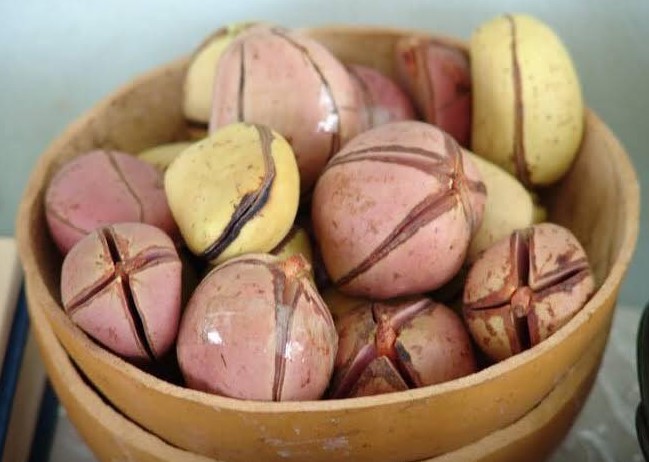
In Igbo culture, the kola nut, known as Ọjị Igbo, is a sacred symbol deeply rooted in Ọdịnana, the traditional spiritual and cultural practices of the Igbo people. Far more than a simple nut, Ọjị represents hospitality, unity, peace, and a connection to the divine. It plays a central role in ceremonies, prayers, and social gatherings, serving as a bridge between the living, the ancestors, and the spiritual world. This article explores the deep significance of Ọjị Igbo, its spiritual meanings based on the number of cotyledons, its role in Igbo social and cultural life, and its enduring relevance in modern times.
The written record
Historical context
The Cultural and Spiritual Role of Ọjị Igbo
The kola nut is a cornerstone of Igbo culture, signifying values such as respect, community, and reverence for the divine. In Ọdịnana, Ọjị is considered a gift from Chukwu, the Supreme Creator, and is used to communicate with ancestors and deities. It is often the first item offered to guests in an Igbo home, symbolising welcome and goodwill. The act of presenting, breaking, and sharing the kola nut is a ritual that strengthens bonds among people and invokes blessings from the spiritual realm.
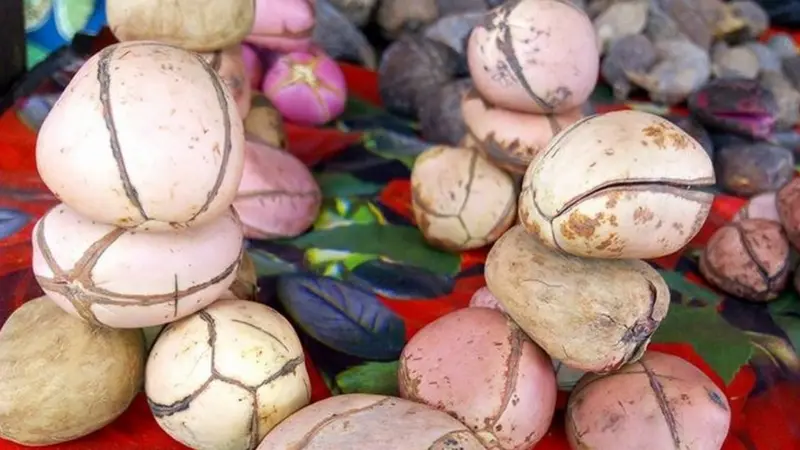
In Igbo spirituality, the kola nut is believed to carry divine energy. The ritual of Igo Ọfọ (offering prayers or invocations) is performed before breaking the nut, during which the person leading the ceremony calls upon ancestors, deities, or Chukwu to guide the gathering. The number of cotyledons (the segments inside the nut) revealed after breaking provides spiritual guidance, as each number carries a specific meaning. This practice reflects the Igbo belief that the kola nut is a medium through which the divine communicates with the living.
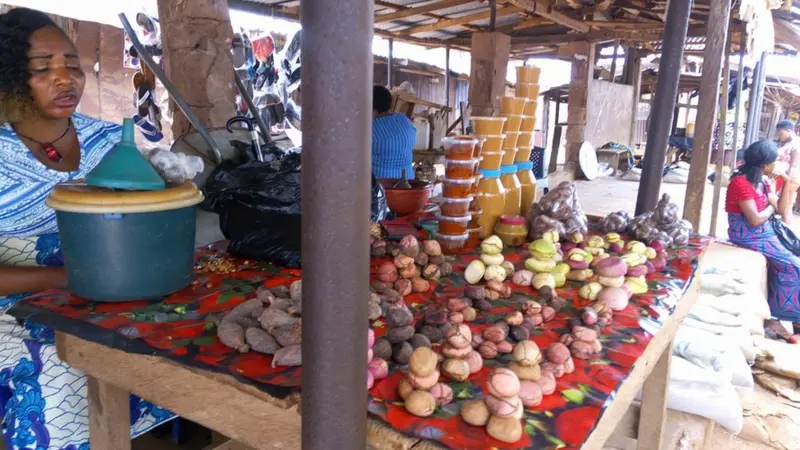
The kola nut also holds economic and cultural significance. In pre-colonial Igbo society, it was a valuable commodity traded across communities, often used as a form of currency or tribute. Its cultivation, primarily in the southeastern regions of Nigeria, remains a source of pride for Igbo farmers, who see it as a symbol of their heritage.
The Significance of Cotyledon Numbers
After Igo Ọfọ, the kola nut is split and tossed onto a white plate or tray to reveal the number of cotyledons. Each number has a unique spiritual meaning, guiding the actions to be taken during the ritual. Below is a detailed explanation of the cotyledon numbers and their significance in Igbo spirituality:
Ọjị Gbaa Ofu – Ọjị Ogbi
A single cotyledon is rare and known as the “silent kolanut.” It is often interpreted as a sign of caution, indicating that the ancestors or deities may not fully approve of the proceedings. In some Igbo communities, such as those in Anambra, it may suggest the need for further spiritual consultation or purification rituals to address potential disharmony.
Ọjị Gbaa Ibuo – Ọjị Kulu Aka
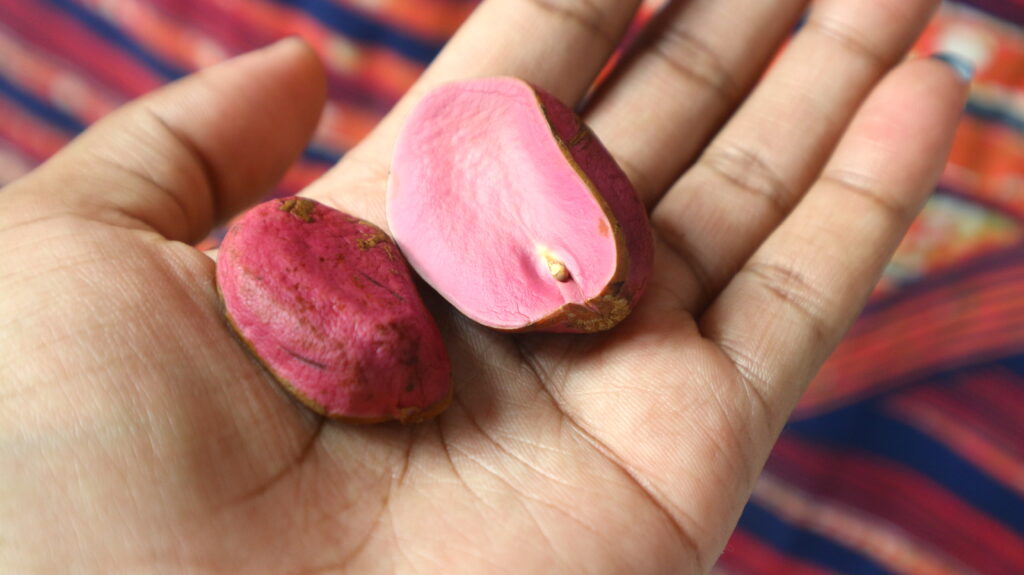
Two cotyledons symbolise balance, harmony, and duality, such as the balance between male and female energies. This is a positive sign, often associated with successful partnerships, marriages, or agreements. It reflects the Igbo value of ogbe na mba (community and unity) and is seen as a blessing for peaceful resolutions.
Ọjị Gbaa Ito – Ọjị Ikenga
Three cotyledons are linked to Ikenga, the Igbo deity of strength, achievement, and personal success. This number is a powerful sign of divine support for individual or collective goals. It encourages boldness and perseverance, often appearing in rituals related to new ventures or leadership roles.
Ọjị Gbaa Ino – Ọjị Ugo
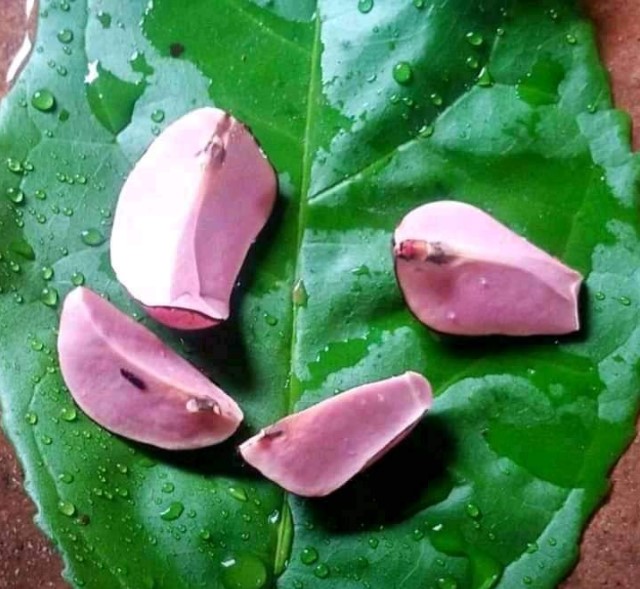
Four cotyledons, known as Ọjị Ezumezu (the complete kola nut), are highly auspicious. This number represents wholeness, prosperity, and divine approval. It is a sign that prayers have been fully accepted, and the ritual can proceed with confidence. In many Igbo communities, four cotyledons are celebrated as a mark of divine favour.
Ọjị Gbaa Ise – Ọjị Selu Na-Enu
Five cotyledons signify that “your prayers have been answered.” This is a joyful outcome, indicating that the ancestors and deities have granted the requests made during the ritual. It is a moment of gratitude and celebration, often accompanied by communal sharing of the kola nut.
Ọjị Gbaa Isii – Ọjị Okwu Na-Uka
Six cotyledons are a warning of potential negative energies or unresolved conflicts. The ritual requires removing one cotyledon, praying to dispel negativity, and discarding it in the bush. The remaining five cotyledons are then treated as Ọjị Seere Na-Enu, signifying that the prayers are answered after cleansing. This practice shows the Igbo belief in spiritual purification.
Ọjị Gbaa Isaa – Ọjị Salaka or Ọjị Omumu
Seven cotyledons call for a communal sacrifice, known as saraka or ọmụmụ. This involves preparing a feast for the community to share, symbolising gratitude, unity, and appeasement of the ancestors or deities. It is a sign that collective effort is needed to maintain harmony and receive blessings.
Preparation and Ritual Use of Ọjị Igbo

The preparation of the kola nut is a sacred process in Igbo tradition. The nut must be washed thoroughly to ensure purity, as cleanliness is a key principle in Ọdịnana. The ritual is typically led by an elder, a Dibia (spiritual priest), or a titled person, who offers prayers during Igo Ọfọ.
These prayers often include phrases like:
“Ọjị na-enye ndụ, ọjị na-enye udo, ọjị na-enye oganiru”
(“Kola nut brings life, kola nut brings peace, kola nut brings prosperity.”)
The kola nut is split carefully, and the cotyledons are counted to interpret the divine message. The sharing of the nut follows a strict protocol, with the eldest or most senior person receiving the first piece as a sign of respect. In some cases, specific cotyledons are offered to the ancestors by placing them on a shrine or sacred space, such as an Okwa Ọjị (kola nut tray).
Ọjị in Igbo Social and Cultural Life
The kola nut is integral to Igbo social life, appearing in ceremonies such as marriages (Igba Nkwu), naming ceremonies (Igu Afa), funerals, and community meetings (Izu). During a traditional Igbo wedding, the bride’s family presents Ọjị to the groom’s family, symbolising acceptance and unity. The breaking and sharing of the kola nut during these events reinforce familial and communal bonds, reflecting the Igbo proverb: “Onye wetalu ọjị wetalu ndụ” (“He who brings kola nut brings life”).
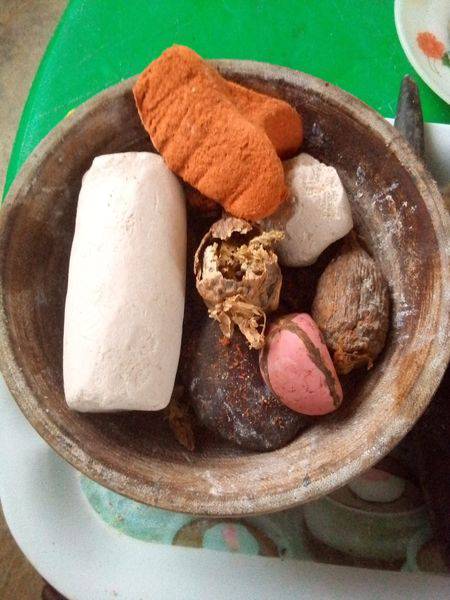
In Ọdịnana, Ọjị is also used in rituals to honour specific deities, such as Ana (the Earth goddess), who is revered as the custodian of fertility, or Idemmili, the goddess of water, associated with rivers like the Idemmili River in Anambra. Offerings of kola nuts are made to these deities to seek blessings for peace, prosperity, and protection. For example, in communities like Nnobi uses Ọjị in rituals to maintain harmony with the water deity.
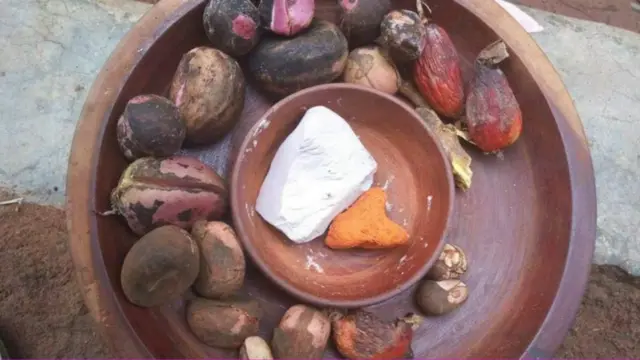
The kola nut also plays a role in dispute resolution. In Igbo communities, sharing Ọjị during peace talks signifies a commitment to fairness and reconciliation. The ritual of breaking the kola nut in such settings is believed to invoke the presence of Ana and the ancestors, ensuring justice and truth.
Ọjị in Igbo Cosmology and Symbolism
In Igbo cosmology, the kolanut is a microcosm of the universe, reflecting the interconnectedness of the physical and spiritual realms. Its cotyledons are seen as carriers of divine messages, guiding the living in their decisions and actions. The bitter taste of Ọjị symbolises life’s challenges, while the act of sharing it represents the sweetness of community and divine blessings.
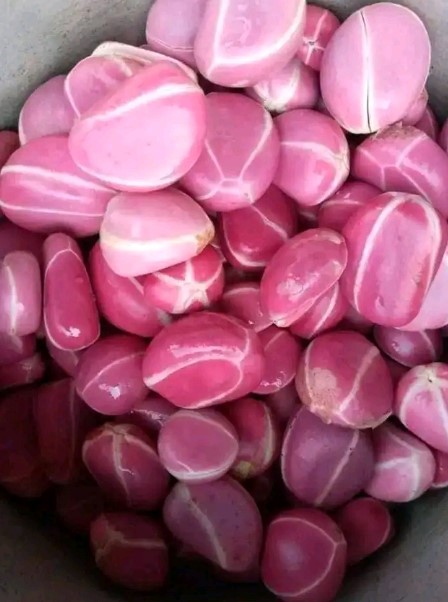
The kolanut is also linked to the Igbo concept of Chi, the personal spiritual force that governs an individual’s destiny. Offering Ọjị during rituals is a way to align one’s Chi with the collective will of the ancestors and deities. This reflects the Igbo worldview, which emphasises balance, respect for nature, and harmony with the spiritual world.
Regional Variations in Ọjị Practices
The significance of Ọjị varies slightly across Igbo communities. For example, in the Owerri area, the kola nut is often accompanied by ngu (a white chalk substance) to enhance its spiritual potency. In contrast, communities in Enugu may place greater emphasis on the role of the Ozo titleholders (respected elders) in leading kola nut rituals. Despite these variations, the core principles of hospitality, respect, and spiritual connection remain consistent across Igbo land.
Challenges and Modern Relevance
In modern times, the use of Ọjị Igbo faces challenges due to urbanisation, the influence of Christianity, and Westernisation. Some Igbo people, particularly in urban areas, have moved away from traditional practices, viewing them as outdated. However, Ọdịnana practitioners and cultural advocates continue to promote the kola nut’s significance, especially in rural communities like those in Anambra, Imo, and Abia states.
Organisations such as the Odinana Cultural Heritage Foundation and festivals like the New Yam Festival (Iri Ji) help preserve the use of Ọjị in Igbo culture. Social media platforms have also become spaces for Igbo youth to discuss and revive interest in Ọdịnana practices, including the kola nut ritual. These efforts highlight the resilience of Igbo traditions in the face of modern challenges.
Sources and references
- Dibia, N. (2023, August 12). Ọjị Igbo and its significance in Ọdịnanị Igbo spirituality . Dibianwangwuuchendu.
- Okeke, C. O. (2010). The role of kola nut in Igbo socio-cultural life . Journal of Igbo Studies, 5(1), 23–30.
- Umeh, J. A. (1999). After God is Dibia: Igbo cosmology, divination, and sacred science in Nigeria . Karnak House.
- Wikipedia contributors. (n.d.). Ọjị . Wikipedia.
Cite this article
Idenze Ezeme. “Ọjị Igbo and Its Significance in Ọdịnana Igbo Spirituality.” Ozikoro, 2025. https://ozikoro.com/oji-igbo-and-its-significance-in-odinana-igbo-spirituality/Discussion
Sign in to join the discussion
Comments are checked by an editor before they appear. Leave a source or a correction and it is read first.
Continue reading
Related histories
 Cultural HeritageEleven Days of Nwafor Ogidi: Inside the Festival Keeping an Old Igbo Tradition AliveRead history →
 Cultural HeritageIli Ji Nkpor Obododike: The Indigenous Agricultural Ritual CycleRead history →
 Cultural HeritageMusic and Drum Traditions: Tracing the “Igbo Drum” in the AmericasRead history →
No comments yet
Nothing has been approved on this record yet. Comments are checked by an editor before they appear, so one written now shows on this page after that check.