 Ozikoro
 Cultural Heritage · Published history
Ojukwu: The Little-Known God of Healing in Igbo Cosmology
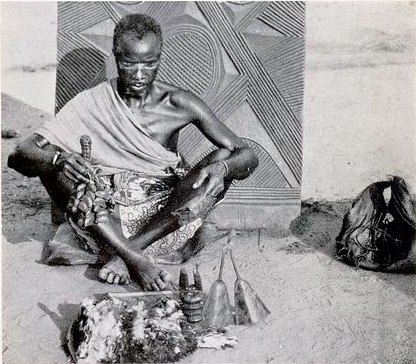
Within the diverse pantheon of Igbo traditional religion, some deities are widely recognized such as Ala, Amadioha, and Ogwugwu, while others exist quietly in localized traditions yet play deeply meaningful roles. One such deity is Ojukwu, a relatively lesser-known god associated with healing, restoration, and the renewal of life-force. Although not widely documented in mainstream literature, oral histories across parts of Eastern Nigeria identify Ojukwu as a spiritual figure invoked in matters of illness, recovery, ritual cleansing, and physical rejuvenation.
The written record
Historical context
Origins and Traditional Understanding of Ojukwu
Localized Worship and Lineage Deities;
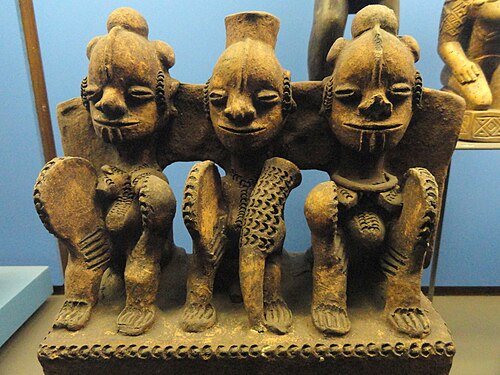
Ojukwu is recognized primarily in specific Igbo subgroups as a household or lineage deity (alusi ezinụlọ), rather than a pan-Igbo divinity. Many Igbo communities historically venerated deities tied to their founding ancestors, natural landmarks, or medicinal knowledge. Ojukwu appears to have emerged within this category: a deity whose powers were intimately linked to family survival, physical wellness, and the protection of vulnerable members.
Ojukwu as Spirit of Healing and Restoration;
In oral accounts, Ojukwu is described as a deity who governs the mending of the body, the purification of harmful energies, and the restoration of “ike” (life-force). Unlike deities associated with warfare, justice, or fertility, Ojukwu’s domain is the quiet, steady process of recovery both physical and spiritual. Elders often refer to Ojukwu as a spirit who “binds the broken body” or “returns strength to the bones,” indicating a role that goes beyond physical medicine and into spiritual realignment.
Roles and Attributes of Ojukwu in Indigenous Healing
1. Patron of Herbal Knowledge (Ọgwụ na Ogwu). Traditional healers (dibia) working with herbs and roots often invoked Ojukwu before administering remedies. According to oral history, Ojukwu provided clarity in diagnosis and empowered medicinal plants with spiritual potency. Healing was never purely physical in Igbo worldview; it required aligning the patient with the metaphysical order that sustains life. Ojukwu therefore functioned as a bridge between human herbal knowledge and the spiritual realm.
2. Cleanser of Spiritual Pollution
Illness in Igbo cosmology is frequently linked to misalignment, whether caused by taboo violations, spiritual contamination, or ancestral displeasure. Ojukwu is believed to cleanse such disturbances. Ritual baths, offerings of kola, white chalk (nzu), and symbolic washing were used to invite Ojukwu’s restorative presence.
3. Protector of Children and the Vulnerable
Ojukwu is sometimes associated with safeguarding children, pregnant women, and the elderly groups considered spiritually delicate. Shrines dedicated to Ojukwu often contain objects symbolizing purity and vulnerability such as white cloth, feathers, and small clay pots of sacred water.
4. Restorer of Emotional and Psychic Balance
Healing in Igbo thought extends beyond the body. Oral traditions describe Ojukwu as a deity who calms troubled minds, alleviates fear, and restores emotional equilibrium. In this sense, Ojukwu may be considered a proto-psychological spirit whose function resembles what modern society calls mental healthcare.
Rituals, Symbols, and Practices Associated with Ojukwu
Sacred Objects and Offerings
Ojukwu shrines typically employ objects associated with purity and renewal. Common ritual items include:
Nzu (white chalk): Symbol of purity and calm.
Oma mmiri (ritual water): Used for washing away affliction.
Eku (palm fronds): Symbol of peace and cleansing.
Oka/okpa (grains): Representing life and nourishment.
Offerings often include kola nuts, palm wine, and cooked yam, foods linked to vitality and ancestral sustenance.
Healing Rituals;
Rituals vary by community but generally include:
Invocation chants calling on Ojukwu to “open the body” for healing.
Ritual baths using infused herbs believed to carry Ojukwu’s energy.
Ancestral consultation, since healing requires ancestral harmony.
Application of sacred chalk on the forehead or chest of the sick person.
These rituals emphasize gentleness, cleanliness, and balance, reflecting the deity’s nature.
Ojukwu in the Context of Igbo Cosmology
A Deity of Balance, Not Power
Unlike thunder gods or fertility gods, Ojukwu is not associated with dramatic acts of power. Instead, he embodies balance, moderation, and restoration, qualities central to Igbo ethics. His work is subtle: healing fractures, soothing suffering, and reconnecting individuals to communal and spiritual networks.
Complementarity with Other Deities
Ojukwu works alongside other deities rather than standing alone. For example:
Ala, the earth goddess, governs moral purity.
Agwu, the deity of divination, clarifies causes of illness.
Ojukwu, in turn, restores health once the cause is identified.
This collaboration reflects the Igbo principle of igwebuike (“there is strength in collectivity”).
Why Ojukwu Became “Little-Known”
Colonial Disruption and Loss of Local Knowledge;
European missionaries and colonial administrators demonized many indigenous deities. Healing shrines were often destroyed or abandoned, resulting in the loss of sacred knowledge. Deities without large, centralized cults like Ojukwu, were particularly vulnerable to cultural erasure.
Urbanization and Modern Medicine;
Modern medical care reduced reliance on traditional healers, leading to decreased ritual activity and fewer people passing down knowledge of deities such as Ojukwu.
Fragmentation of Oral Tradition;
Because Ojukwu’s worship was localized, its transmission depended entirely on oral history. Once disrupted, the tradition became obscure.
Ojukwu stands out in Igbo cosmology as a gentle yet powerful deity associated with healing, restoration, and spiritual renewal. Although lesser-known today due to colonial intervention, modernization, and the fragility of localized traditions, Ojukwu’s legacy persists in the memories of elders and the practices of traditional healers who continue to invoke his energy. The deity represents a holistic vision of healing one that integrates body, mind, spirit, and community. Understanding Ojukwu offers not only insight into Igbo cosmology but also a reminder of the depth and sophistication of African indigenous healing systems.
Sources and references
- Isichei, E. (1976). A History of the Igbo People. London: Macmillan.
- Metuh, E. I. (1985). African Religions in Western Conceptual Schemes: The Problem of Interpret ation. Imico Press.
- Uchendu, V. C. (2010). The Igbo of Southeast Nigeria. Holt, Rinehart and Winston.
Cite this article
Discussion
Sign in to join the discussion
Comments are checked by an editor before they appear. Leave a source or a correction and it is read first.
Continue reading
Related histories
 Cultural HeritageEleven Days of Nwafor Ogidi: Inside the Festival Keeping an Old Igbo Tradition AliveRead history →
 Cultural HeritageIli Ji Nkpor Obododike: The Indigenous Agricultural Ritual CycleRead history →
 Cultural HeritageMusic and Drum Traditions: Tracing the “Igbo Drum” in the AmericasRead history →
No comments yet
Nothing has been approved on this record yet. Comments are checked by an editor before they appear, so one written now shows on this page after that check.