 Ozikoro
 Biography · Published history
Olu Atorongboye (Sebastian I): The 16th-Century Monarch Who Strengthened Ties with King Philip II of Spain
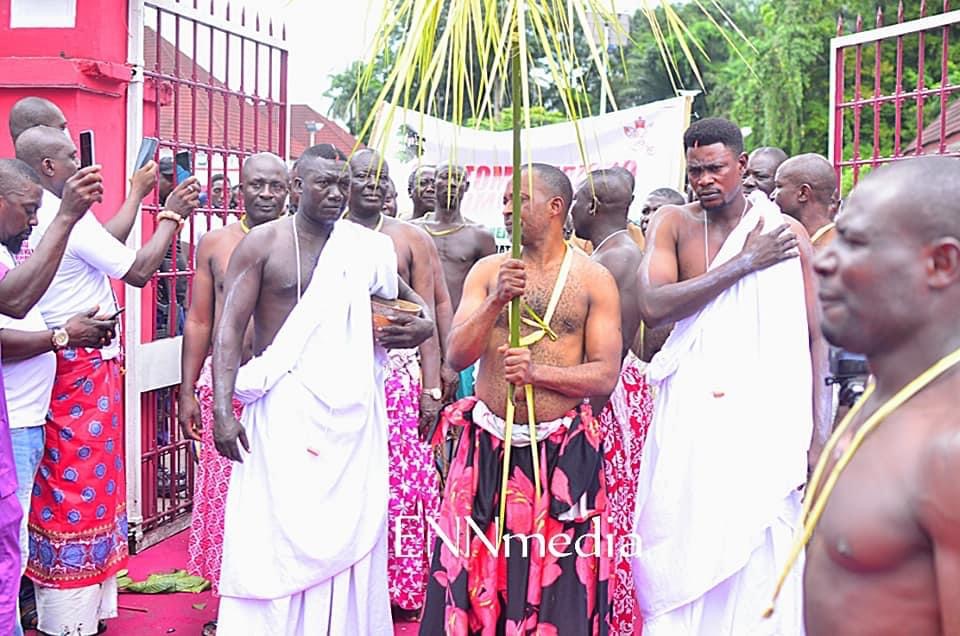
Olu Atorongboye popularly known by his Christian name Sebastian I was one of the most influential rulers of the Warri Kingdom during the 16th century. According to entries (“Olu Atuwatse I”), he is historically recognized as the first Olu to receive formal Christian education and for establishing significant diplomatic ties with Iberian monarchs, especially King Philip II of Spain, who also ruled Portugal during the Iberian Union (1580–1640). His reign marked a turning point in the kingdom’s political structure, educational development, and cross-cultural relations.
The written record
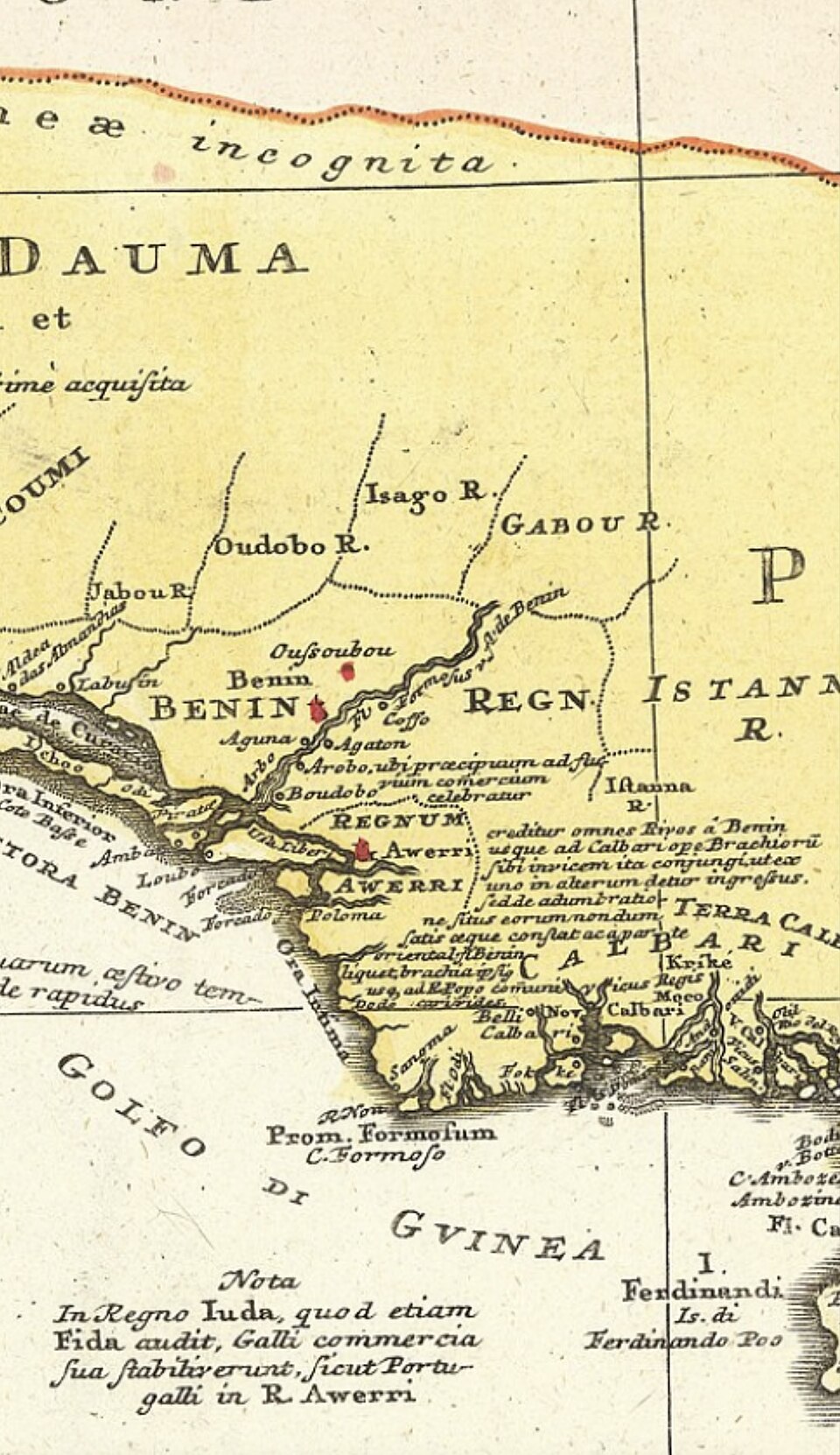
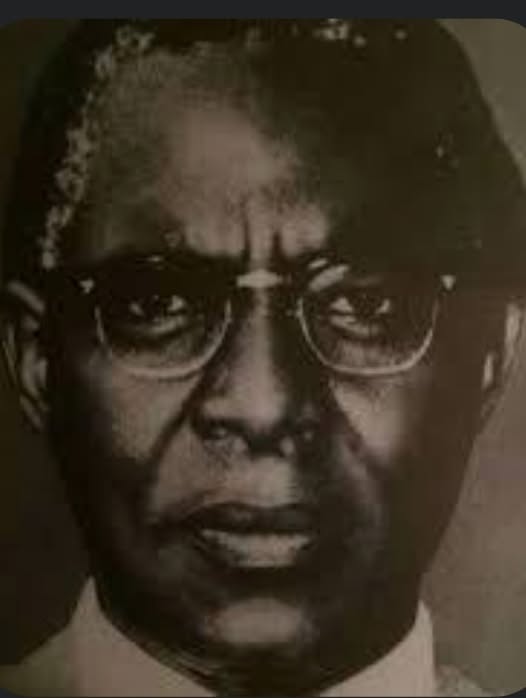
Photo credit; LordSnow242 via Wikimedia Commons
Historical context
Background of the Warri Kingdom and Atorongboye’s Rise
- The Early Itsekiri State
The Warri Kingdom, founded in the late 15th century by Ginuwa I a Benin prince developed as a coastal state strategically positioned within the Niger Delta. As Ryder notes, the Itsekiri became intermediaries between European traders and inland kingdoms. By the time Atorongboye came to power, the kingdom already maintained a century-long relationship with the Portuguese.
- The Lineage of Olu Atorongboye
Olu Atorongboye succeeded his father, Olu Oguname (also known as Atuwatse). His early life was shaped by a strong Portuguese missionary presence, and his family had embraced Christianity earlier than any other royal house in the Niger Delta. He took the Christian name Sebastian, reflecting his connection to King Sebastian of Portugal, whose legacy was later inherited by Philip II.
Diplomatic Relations with the Iberian World
- The Iberian Union and Its Influence
During Atorongboye’s reign, Spain and Portugal were unified under King Philip II (1580–1598). This created a single Iberian sphere of influence across the Atlantic. European records indicate that the Warri Kingdom became a trusted ally, functioning as a Christian outpost in West Africa. “Olu Atuwatse I” highlights that Atorongboye cultivated warm relations with Philip II, a rare achievement among African rulers of the era.
- Motivations for Strengthening Diplomatic Ties
Several factors influenced Atorongboye’s strategy:
Political consolidation: Iberian support strengthened his authority over rival Delta groups.
Economic benefits: Access to firearms, textiles, and trade privileges enhanced the kingdom’s wealth.
Religious alignment: Atorongboye believed Christian alliances elevated the kingdom’s prestige.
Alagoa explains that coastal states often used European alliances as leverage in the competitive economic environment of the Niger Delta.
- Correspondence and Symbolic Relations
Historians such as Nevadomsky note that letters between the Olu and Iberian monarchs were written through Portuguese priests who lived at the Warri royal court. These exchanges helped spread Christianity, trade agreements, and diplomatic goodwill.
Education and the Prince Sent to Portugal
- Prince Dom Domingos’ European Education
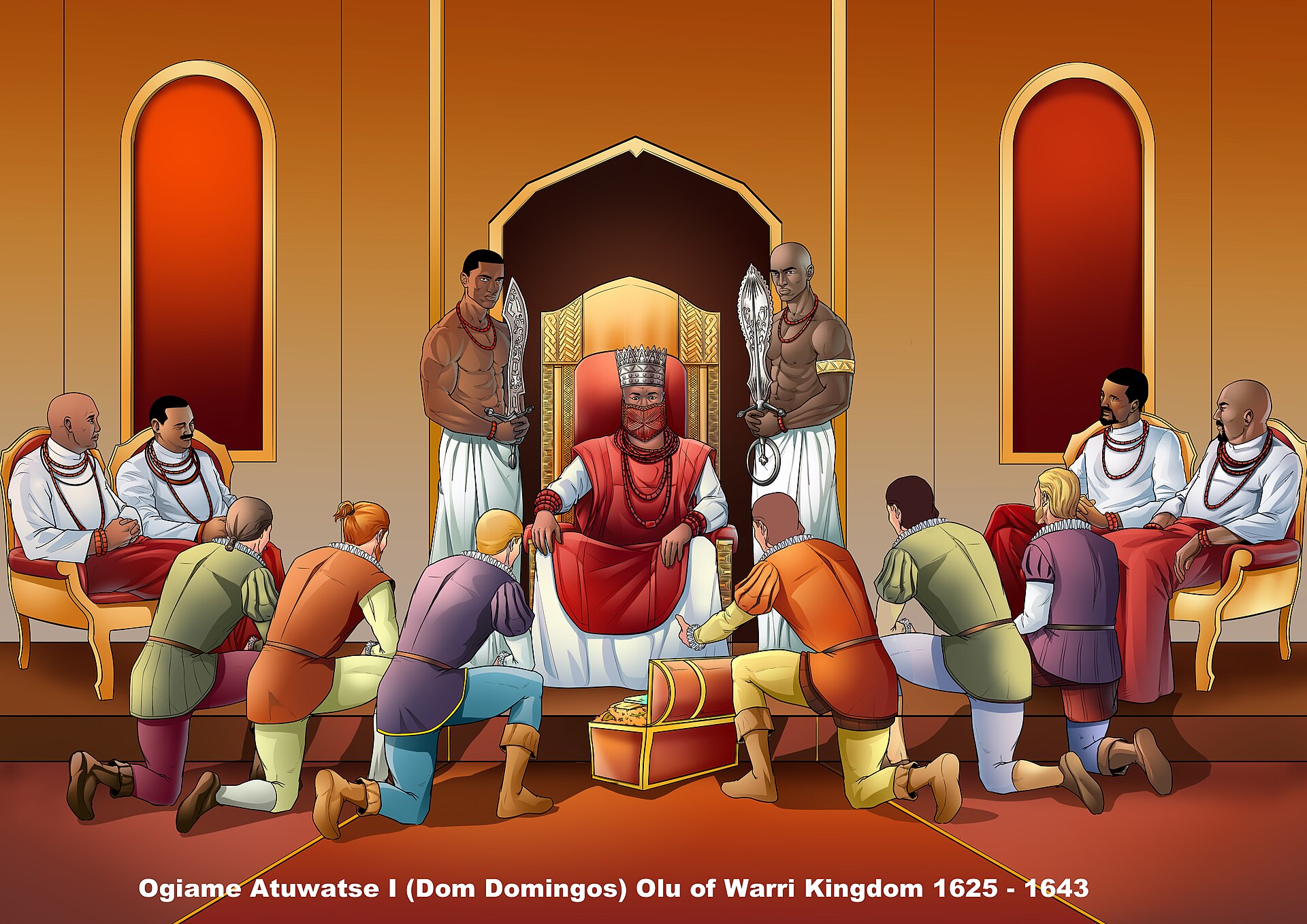
One of Atorongboye’s greatest achievements was sending his son, Prince Dom Domingos, to be educated in Portugal. This is confirmed by both oral traditions and written sources. He lived for years under royal patronage, studied Christian doctrine, and learned European languages.
- The Intellectual Legacy
Dom Domingos later returned to become Olu Atuwatse I, one of West Africa’s earliest European-educated monarchs. His literacy in Portuguese strengthened the kingdom’s administrative structures, deepened diplomacy, and helped institutionalize Christianity at the royal court.
Christianity, Missionaries, and Cultural Hybridization
- Missionary Presence at the Warri Court
Under Atorongboye, Catholic priests regularly visited the court to conduct baptisms, offer counsel, and teach literacy. Missionaries documented royal ceremonies, leaving some of the earliest written descriptions of Itsekiri society.
- Christian Identity of the Royal House
Atorongboye’s adoption of the name Sebastian was symbolic. It honored the late King Sebastian of Portugal and reinforced a spiritual connection with the Iberian monarchy. Christianity soon became woven into Itsekiri political identity, continuing through subsequent reigns.
- Cultural Exchange and Adaptation
European contact introduced:
Christian names,
Portuguese vocabulary (e.g., pikin, sabi),
Western textiles and regalia,
New diplomatic protocols. These elements merged with local traditions, forming a unique hybrid Itsekiri culture.
Economic Expansion and Regional Power
- Commercial Growth
With Iberian backing, the Warri Kingdom expanded its dominance in trade involving pepper, ivory, salt, and manufactured goods. Their strategic coastal location allowed them to control river routes connecting inland markets.
- Firearms and Military Advantage
Access to European firearms though controlled by missionaries and traders gave the Itsekiri competitive military advantages over neighboring polities. This strengthened the Olu’s regional authority.
- Role as Intermediaries
Ryder explains that the Iberians relied heavily on the Itsekiri as intermediaries when navigating complex Delta waterways. In return, the Olu gained leverage in regional negotiations and local politics.
Legacy of Olu Atorongboye (Sebastian I)
- A Pioneer of African-European Diplomacy
Atorongboye’s diplomatic efforts made Warri one of the earliest African kingdoms to maintain direct, structured relations with European monarchies.
- Foundation of a Christian Dynasty
His reign permanently embedded Christian identity into the royal lineage, a tradition that continues among the Olus of Warri today.
- Enduring Influence on Itsekiri Culture
The linguistic, cultural, and political imprint of his diplomacy still appears in Itsekiri traditions, names, language, and court rituals.
Olu Atorongboye (Sebastian I) stands as a visionary monarch whose reign shaped the political, spiritual, and cultural identity of the Warri Kingdom. His relationship with King Philip II of Spain rooted in diplomacy, faith, and mutual benefit illustrates the sophistication of West African international relations long before the colonial era. By sending his son to Portugal, embracing Christian education, and establishing diplomatic alliances, Atorongboye positioned the Warri Kingdom as a vital player in the Atlantic world. His legacy continues to define Itsekiri history and its unique blend of African and Iberian influences.
Sources and references
- Alagoa, E. J. (1980). A history of the Niger Delta. Port Harcourt: Onyoma Research Publications.
- Egharevba, J. (1960). A short history of Benin. Ibadan: Ibadan University Press.
- Nevadomsky, J. (1993). Art and cultural exchange in the Nigerian Delta. African Ar ts, 26(3), 40–55.
- Ryder, A. F. C. (1969). Benin and the Europeans, 1485–1897. London: Longman.
Cite this article
Discussion
Sign in to join the discussion
Comments are checked by an editor before they appear. Leave a source or a correction and it is read first.
Continue reading
No comments yet
Nothing has been approved on this record yet. Comments are checked by an editor before they appear, so one written now shows on this page after that check.