 Ozikoro
 Cultural Heritage · Published history
Omu: A Unique Female Leader in Igboland
Most of the traditional leaders in Igbo society are men. However, there is a particular tradition in Western (also known as Anioma) and some part of Northern Igboland whereby women also have leadership roles. This tradition isn’t something new; history shows that women have often been involved in leadership and governance in Igbo society. One example is Eze Mgbokwo Udo Mini Oke Nnachi of the Aro Kingdom, who ruled from 1799 to 1825.
The written record
Historical context
The Omu Leadership
The Omu is the female traditional leader in Igbo land, especially Anioma areas. The office carries a great deal of spiritual as well as administrative duties. She is highly respected and works alongside male traditional leaders. The Omu tradition started in the 15th century, though uncertain, and showcases the trust the Igbo people have in co-leadership.
Historical Roots of the Omu Institution
The Omu institution in Igbo society originated from the traditional dual-sex political system, where leadership and governance roles were divided and balanced between men and women. This system recognised the distinct but complementary responsibilities of both genders, ensuring equitable representation in decision-making processes.
Historically, the Omu emerged as a leader specifically for women and trade, reflecting the significant role women played in the economic and social fabric of Igbo communities. The Igbo people, known for their decentralised and republican governance structures, organised their societies through councils and assemblies where men and women had separate but interconnected spheres of influence.
The title of Omu was not hereditary but was often bestowed upon a woman of exceptional leadership skills, wisdom, and a strong sense of justice. She was selected by women leaders, often from market organisations or other women’s groups. Her position reflected the economic power of women in Igbo society, especially in trade, where they dominated as market leaders and traders.
The institution of Omu likely predates colonial contact, rooted in the precolonial Igbo worldview that valued balance and complementarity in governance. Women were seen as custodians of specific societal functions, particularly in managing markets, resolving disputes, and ensuring communal welfare. The Omu’s leadership extended beyond economic affairs to include broader communal responsibilities, making her a vital figure in maintaining order and harmony within society.
The historical significance of the Omu institution underscores the egalitarian and cooperative nature of precolonial Igbo governance, where male and female leadership worked in tandem to uphold the values and traditions of the community.
The Selection Process
The selection of an Omu varies from one community (mostly Anioma) to another. In some communities, such as Ibusa and Ubulu-Uku, diviners (dibias) play a very significant role in the selection of the selected woman. In others, such as Asaba and Akwukwu-Igbo, the role is rotated among various families or sections of the community.
Once she is selected, the Omu undergoes traditional initiation ceremonies, often conducted at night, to legitimize her authority. She is subsequently presented with the Nze Omu, a staff symbolizing her authority.
Responsibilities of the Omu
The Omu performs numerous significant duties in her society:
- She serves as a religious leader, guiding her people through religious and cultural matters.
- She is regarded as the mother of the society, offering care, wisdom, and advice.
- She supervises trading operations, introducing order and justice to business.
One of the most important aspects of the work is not marrying. An Omu who was previously married must return to her father’s home and dedicate herself to work only. If she is single, she may practice a cultural arrangement that allows her to have children through marriage to another woman, reflecting her dual symbolic role as a mother and father to her people.
Modern Leadership Under Martha Dunkwu
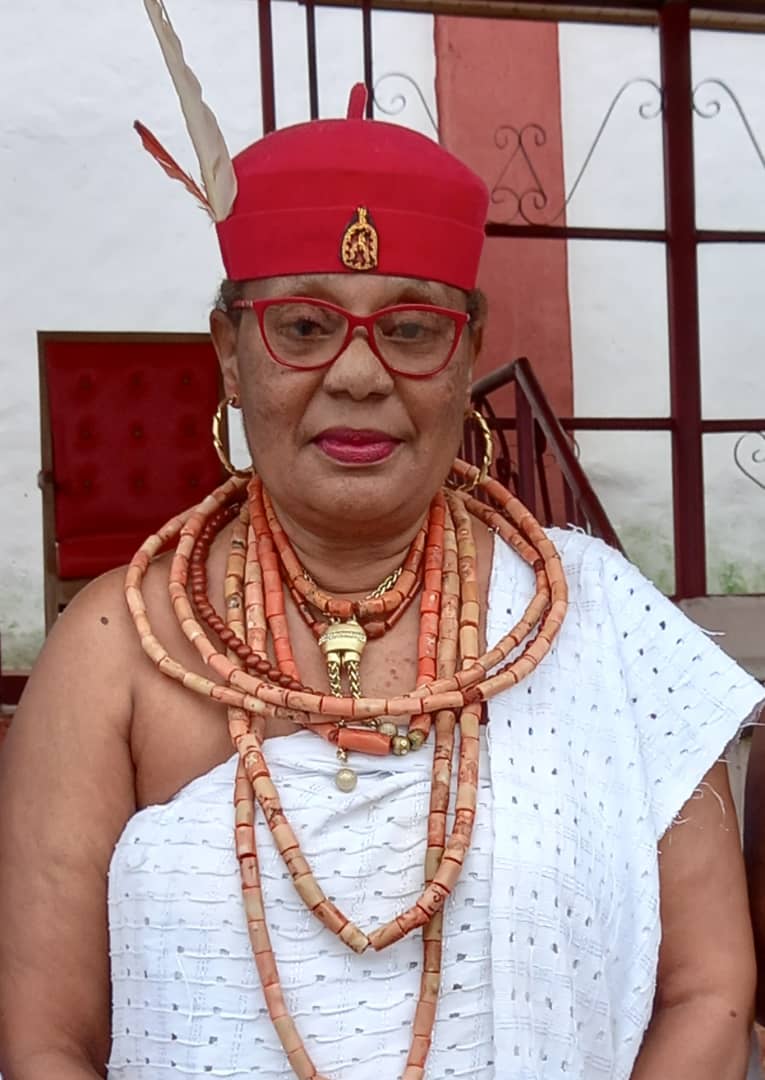
Martha Dunkwu is a prominent figure who has revitalized the Omu institution in modern times. Born in Okpanam, Delta State, Dunkwu has an extensive background in media and public relations, having worked with traditional rulers before her coronation.
As Omu, Dunkwu focused on promoting the institution globally, emphasizing its importance to Anioma identity. She sees her role as a divine calling. She has become a strong advocate for cultural preservation and women’s leadership in Igbo society.
Obi Martha Dunkwu, the Omu of Anioma, passed away in February 2024. Her family shared the news of her death, and it has been a great loss for the Anioma people.
Decline of the Omu Institution in Other Areas
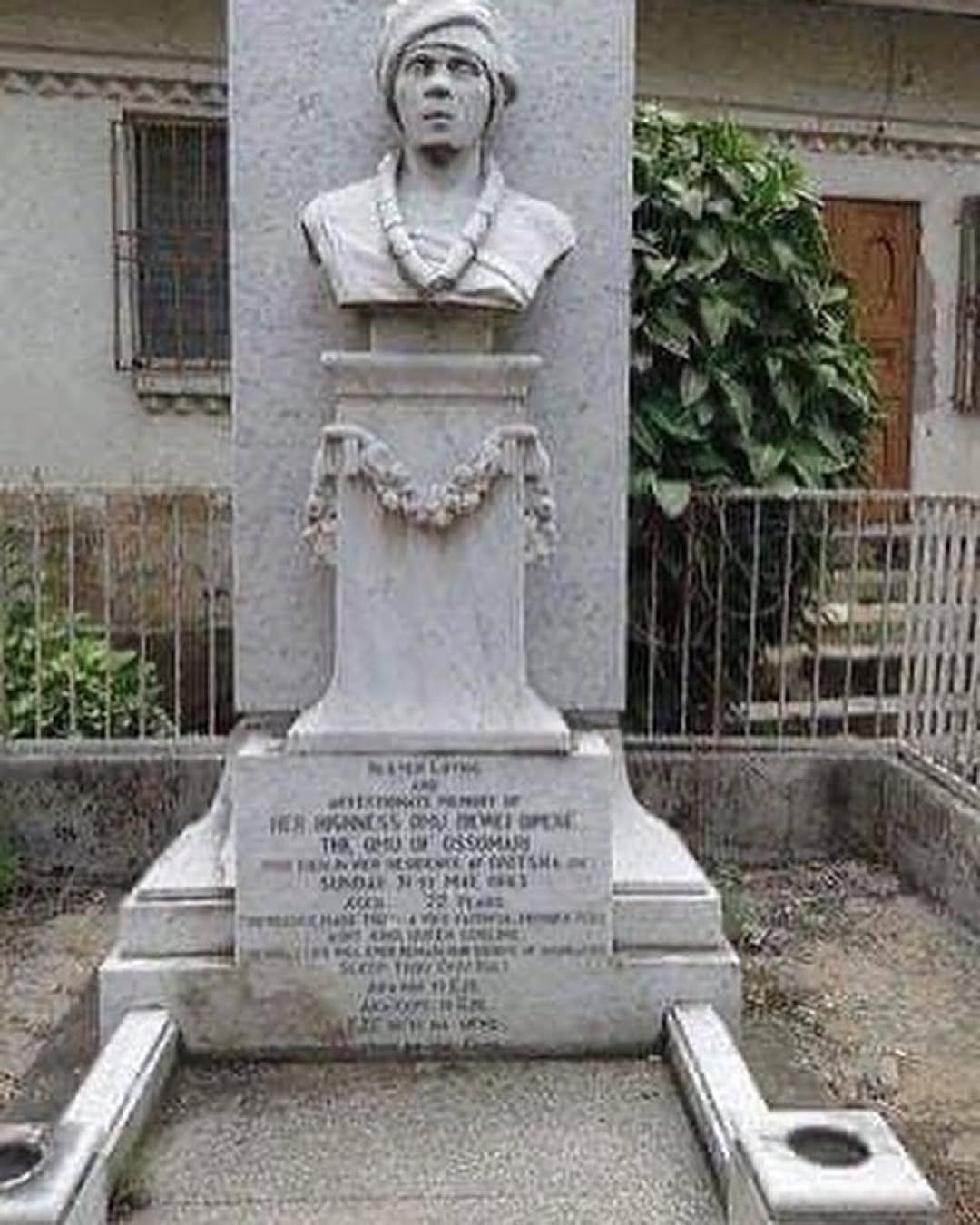
While the Omu institution thrives in Anioma, it has declined in other parts of Igboland. In Onitsha, the last Omu, Nwagboka Egwuata, passed away in 1886, and the title has not been reinstated since. Similarly, in Osomari, Omu Okwei, who was a prominent merchant queen, died in 1943, and the position has remained vacant.
Omu Okwei of Osomari – The Igbo Merchant Queen
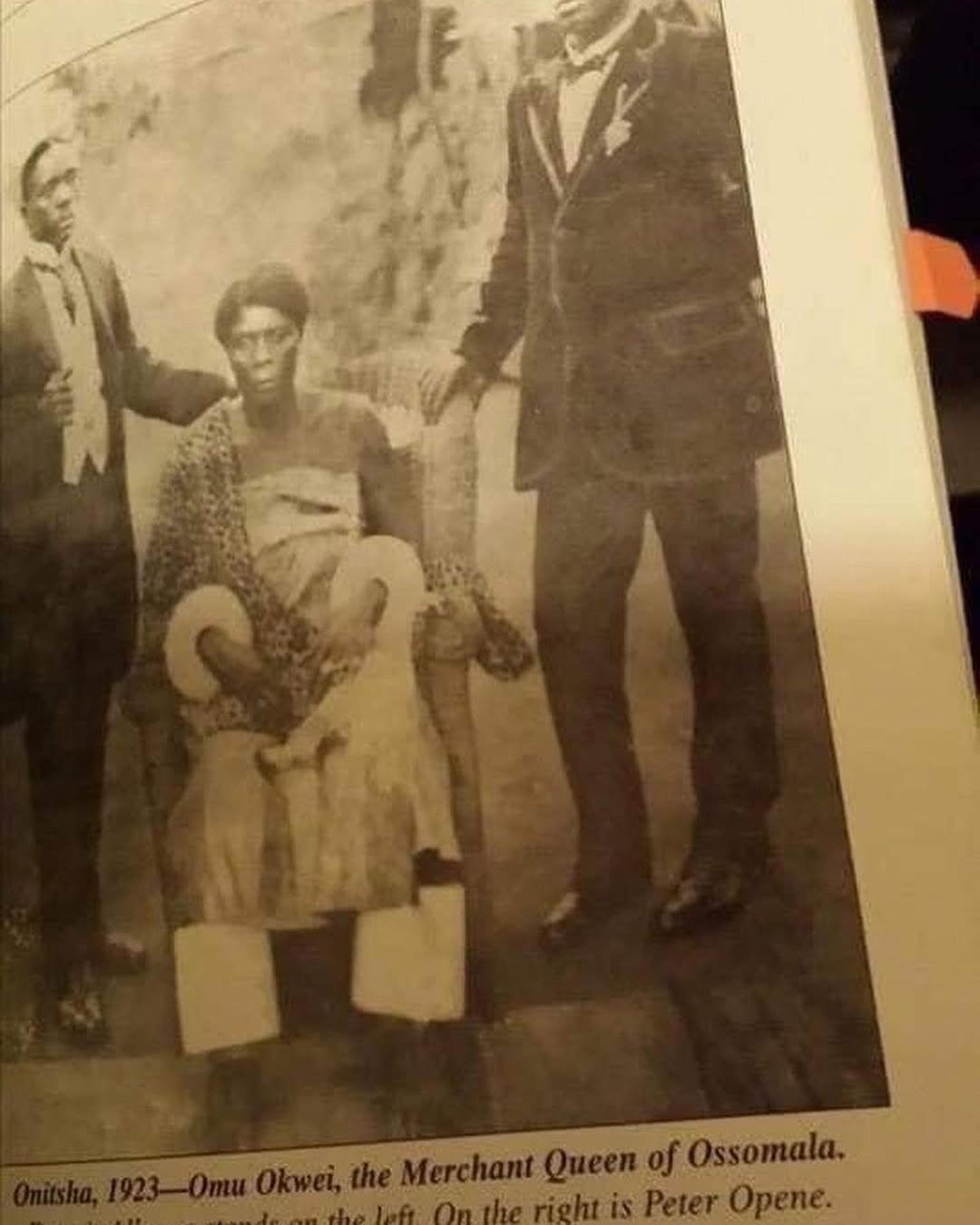
Felicia Ifeoma Ekejiuba, later known as Omu Okwei, was born in 1872 in Osomari, Ogbaru, Anambra State. Her father was a well-known warrior and a wealthy prince of Osomari.
At the age of 9, she moved to live with her aunt in Igboland, where she learned basic business skills. She started small, trading fruits and vegetables, and later expanded to selling yams and poultry.
When her father passed away, she returned to her mother and, at 17, married a trader named Joseph Allagoa. Through him, she built connections with other traders. However, the marriage ended shortly after the birth of their son, Joseph, and she decided to focus on growing her business.
Okwei began trading along the River Niger, exchanging manufactured goods for foodstuffs, which she sold to Europeans at a profit. In 1895, she married Opene, the son of a successful female trader, Okwene Ezewene. Together with her husband and mother-in-law in Onitsha, Okwei’s business thrived even more.
In 1904, she established a trading unit that later became an agent for the Royal Niger Company. By the 1920s, she was a wealthy and influential woman, becoming one of the first people in Onitsha to own a car.
In 1912, Okwei was appointed by the British Colonial Government as a warrant chief to serve in the Onitsha Native Court, a position she held until the 1930s.
In 1935, she was crowned the Omu (Queen) of Osomari, one of the highest titles among her people. She owned large areas of land in Onitsha, which she rented out. Using river transport, she built a successful trading empire at a time when roads and railways were limited.
Throughout her reign, Okwei ruled with fairness and focused on supporting women in her community. She passed away in 1943.
Importance of the Omu Institution
The Omu institution is highly significant within the Igbo culture, especially in Anioma. It testifies to the leadership, intelligence, and strength of women in Igbo society. It challenges stereotypes about gender roles and showcases a balanced system where both men and women contribute to community leadership. Through figures like Martha Dunkwu, the institution continues to inspire pride and foster the preservation of Anioma’s unique traditions. The Omu is not just a leader but a symbol of unity and resilience for the Anioma people.
Her Royal Majesty, Obi Martha Dunkwu, Omu of Anioma, Delta State.
Sources and references
- African Heritage Magazine. (n.d.). Meet Her Royal Majesty, Obi Martha Dunkwu, Omu Anioma.
- YouTube. (n.d.). The Omu of Nigeria’s Delta State | Africa Direct Documentary. [Video].
Cite this article
Idenze Ezeme. “Omu: A Unique Female Leader in Igboland.” Ozikoro, 2025. https://ozikoro.com/omu-anioma-a-unique-female-leader-in-igboland/Discussion
Sign in to join the discussion
Comments are checked by an editor before they appear. Leave a source or a correction and it is read first.
Continue reading
Related histories
 Cultural HeritageEleven Days of Nwafor Ogidi: Inside the Festival Keeping an Old Igbo Tradition AliveRead history →
 Cultural HeritageIli Ji Nkpor Obododike: The Indigenous Agricultural Ritual CycleRead history →
 Cultural HeritageMusic and Drum Traditions: Tracing the “Igbo Drum” in the AmericasRead history →
No comments yet
Nothing has been approved on this record yet. Comments are checked by an editor before they appear, so one written now shows on this page after that check.