 Ozikoro
Cultural Heritage · Published history
Onishe: The Mother Spirit of the Asaba People by the Niger River
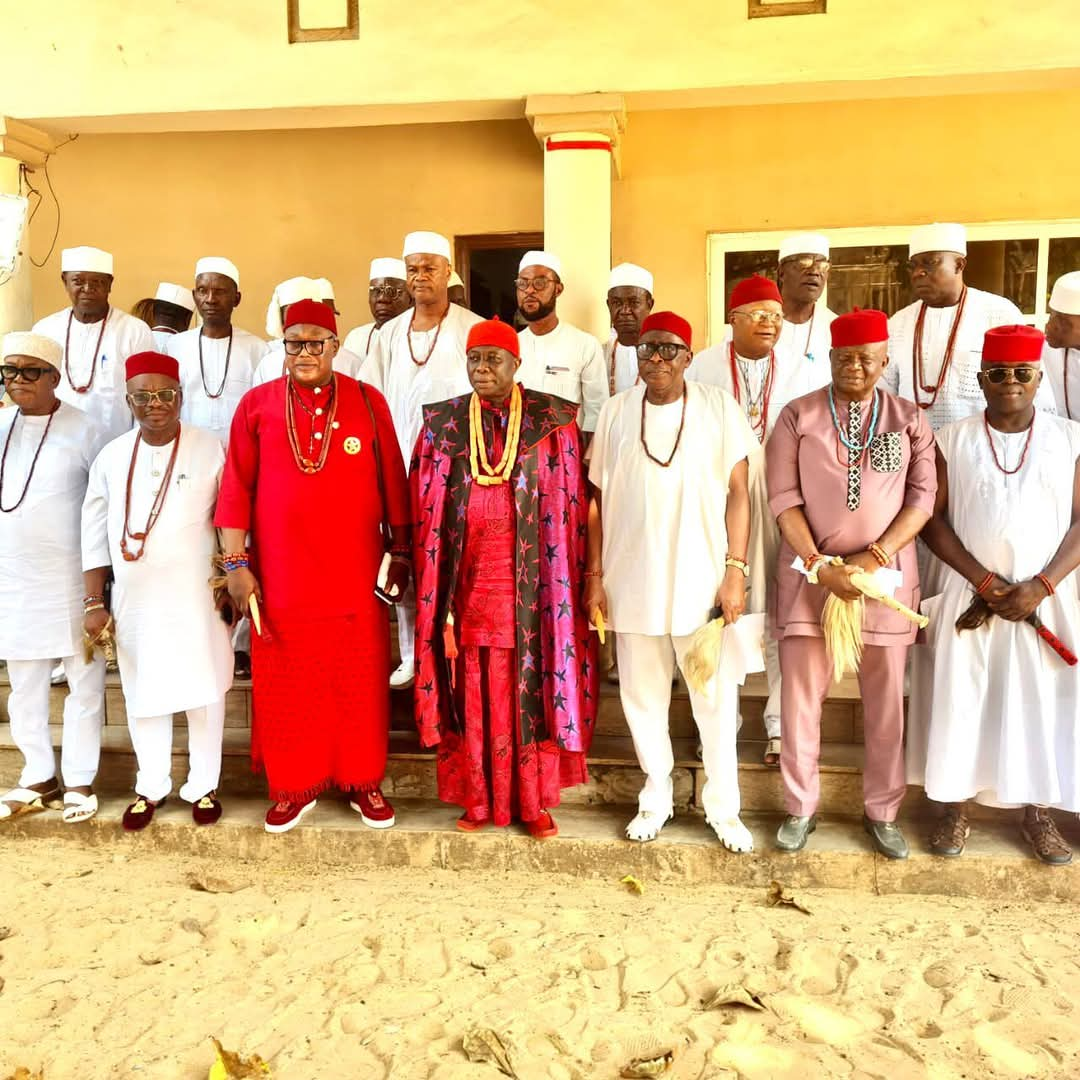
Among the many indigenous deities of Southern Nigeria, few are as central to the identity of a people as Onishe, the revered mother spirit of the Asaba (Ahaba) people. Nestled by the banks of the River Niger, her sacred shrine stands as a spiritual and cultural landmark, symbolizing the bond between the Asaba community and the waters that have shaped their history. Onishe is not merely a river goddess, she is the maternal heart of the people, the one who protects, guides, and chastises when necessary. Her worship, stories, rituals, and taboos form a unique system of beliefs that continue to survive alongside Christianity and modernity.
The written record

Historical context
Origins and Sacred Geography
The physical and spiritual home of Onishe is located in Cable Point, a historic section of Asaba that stretches along the Niger River. Sources describe her shrine as positioned on an ancient terrain of rocks known as the Onishe rocks, believed to be centuries old. These rocks are symbolic; they represent stability, continuity, and the ancient foundation of Asaba spirituality.
Oral traditions hold that part of her shrine extends into the River Niger, underscoring her dual nature: she is both a land and water deity. This liminality standing between river and land gives her the unique role of guardian of thresholds. Elders recount that the earliest migrants to Ahaba settled near this place, believing it to be spiritually chosen by the goddess herself because of its protective position at the riverbank.
Stories from elders recorded on various forums note that Onishe’s presence is not restricted to the physical shrine. She is believed to “walk the river,” appearing sometimes as a shining light on the water or as an unusual ripple during festival seasons. Onishe is popularly described as a beautiful, powerful mother spirit, often appearing in oral stories as a woman clothed in immaculate white, sometimes bare-breasted, a symbol of nourishment, fertility, and the motherly essence. For many Asaba natives, Onishe represents ancestral purity, moral order, and supernatural justice.
A widely repeated account claims she also appears as a crocodile, especially during purification rites or in moments when the community is in danger. The crocodile form symbolizes her dual nature as nurturing yet fearsome, gentle to the faithful but terrifying to those who break her laws.
Her association with ogbono (wild mango) is a defining part of her mythology. According to tradition, the grove of ogbono trees surrounding her shrine is so sacred that for more than two centuries, no leaf or fruit has ever fallen to the ground. This phenomenon, whether supernatural or symbolic, strengthens the belief that Onishe controls nature around her sanctuary.
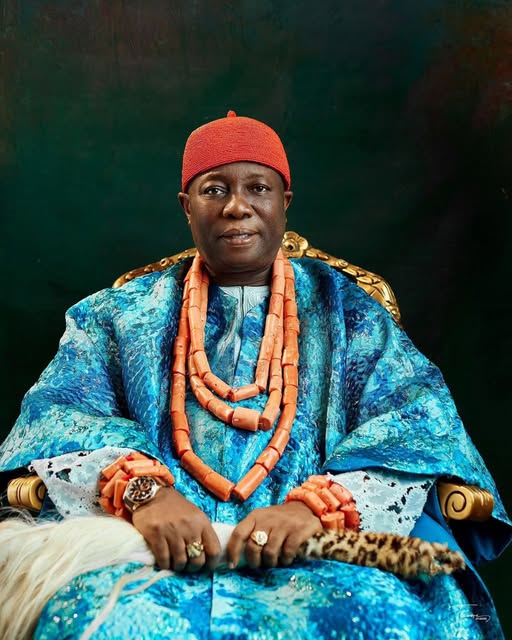
lace of HRM The Asagba of Asaba.
Rituals, Worship, and Taboos
Worship of Onishe is governed by strict rules and observances that differentiate her from other river spirits in Igboland.
1. The Ogbono Prohibition
The most famous taboo is the prohibition against eating ogbono soup. Elders say that Onishe uses ogbono in mystical cleansing rituals known as ife-ahu, and therefore its consumption would be sacrilegious. Many traditional families in Asaba still uphold this rule today.
2. Required Offerings
Worshippers who seek her help bring offerings depending on the seriousness of their requests. These may include; A cock or a she-goat. A cow for major communal sacrifice. These offerings are always made near her river shrine, never inside private homes.
3. Ritual Dress Code
Devotees must approach her shrine in all-white clothing, including undergarments. The color symbolizes purity, humility, and truth. Additionally: No sexual activity is permitted for days before visiting the shrine, menstruating women are not allowed to enter. Alcohol, beer, and palm wine are forbidden. Only ogolo, a traditional brew, or soft drinks like Fanta may be used for libation.
4. Sacred Day of Worship
Onishe’s main worship day is Eke, one of the four days in the traditional Igbo market week. On Eke, elders and devotees visit the river, sing sacred songs, and offer prayers for protection, fertility, and communal stability.
Onishe in Asaba Cultural Identity
The Asaba people see Onishe not just as a deity but as the symbol of their ethnic and spiritual identity. Each year, before the new yam festival begins, the Asagba of Asaba (the traditional ruler) performs a ceremonial offering at her shrine to bless the year’s harvest and protect the community.
Her importance is also reflected in community life:
Children are taught not to insult the riverbanks.
Fishermen offer small libations before casting their nets.
Families dealing with sickness, barrenness, or accidents often turn to her priests for help.
Her role as a moral guardian is profound. Onishe is believed to punish liars, oath-breakers, and those who disrespect elders or the land. Several oral stories tell of people who mocked the shrine and allegedly suffered strange misfortunes afterward, further solidifying her aura of justice.
One of the most dramatic legends associated with Onishe occurred during the Nigerian Civil War. It is said that as soldiers attempted to cross the Niger River to invade Asaba, Onishe intervened by stirring the waters, causing a boat to overturn. Many Asaba elders interpret this story not necessarily as literal but as a symbol of her protective nature over the community during a time of great suffering. This legend is retold every year as a reminder that Asaba’s survival is tied to the mother spirit watching over them.
In 2025, the Asaba traditional council placed new restrictions on shrine access. With rising interest in African spirituality, many non-natives began visiting the shrine for “quick miracles,” prompting the Asagba to require registration and regulation of all external visitors. The goal, according to officials, is to protect the shrine from misuse and to safeguard its cultural sanctity.
Despite modern challenges, Onishe’s worship continues to grow as younger Asaba people rediscover their heritage. Community organizations also include her story in cultural festivals, documentation, and tourism initiatives.
Onishe remains one of the most powerful cultural symbols of the Asaba people. Her shrine along the Niger River stands as a testament to centuries of belief, spirituality, and identity. Through her rituals, taboos, and stories, the Asaba people maintain a deep connection not only to their ancestors but to the natural world around them. Whether approached as a spiritual being, cultural symbol, or mythic archetype, Onishe continues to be the heartbeat of Ahaba tradition; mother, protector, and eternal guardian of the people by the river.
Sources and references
- Adingupu, C. (2015, October 9). Onishe Ahaba: Why Asaba people forbid ogbono soup. Vanguard News.
- Kupoliyi, T. (2022, June 6). Why Ogbono is Forbidden in Asaba. Radio Nigeria.
- Asaba USA. (n.d.). About Asaba: The Onishe rocks and Cable Point. Asaba National Association USA.
- Leadership. (2016, September 23). Great Goddess and Shrine of Asaba People. Leadership Newspaper.
- PM Express. (2025, February 13). Activities Of Ndi Eze Nwanyi & Native Practitioners Banned In Asaba.
Cite this article
Discussion
Sign in to join the discussion
Comments are checked by an editor before they appear. Leave a source or a correction and it is read first.
Continue reading
Related histories
 Cultural HeritageEleven Days of Nwafor Ogidi: Inside the Festival Keeping an Old Igbo Tradition AliveRead history →
 Cultural HeritageIli Ji Nkpor Obododike: The Indigenous Agricultural Ritual CycleRead history →
 Cultural HeritageMusic and Drum Traditions: Tracing the “Igbo Drum” in the AmericasRead history →
No comments yet
Nothing has been approved on this record yet. Comments are checked by an editor before they appear, so one written now shows on this page after that check.