 Ozikoro
 Cultural Heritage · Published history
Onughotu: The Igbo Deity of Unity and Communal Harmony
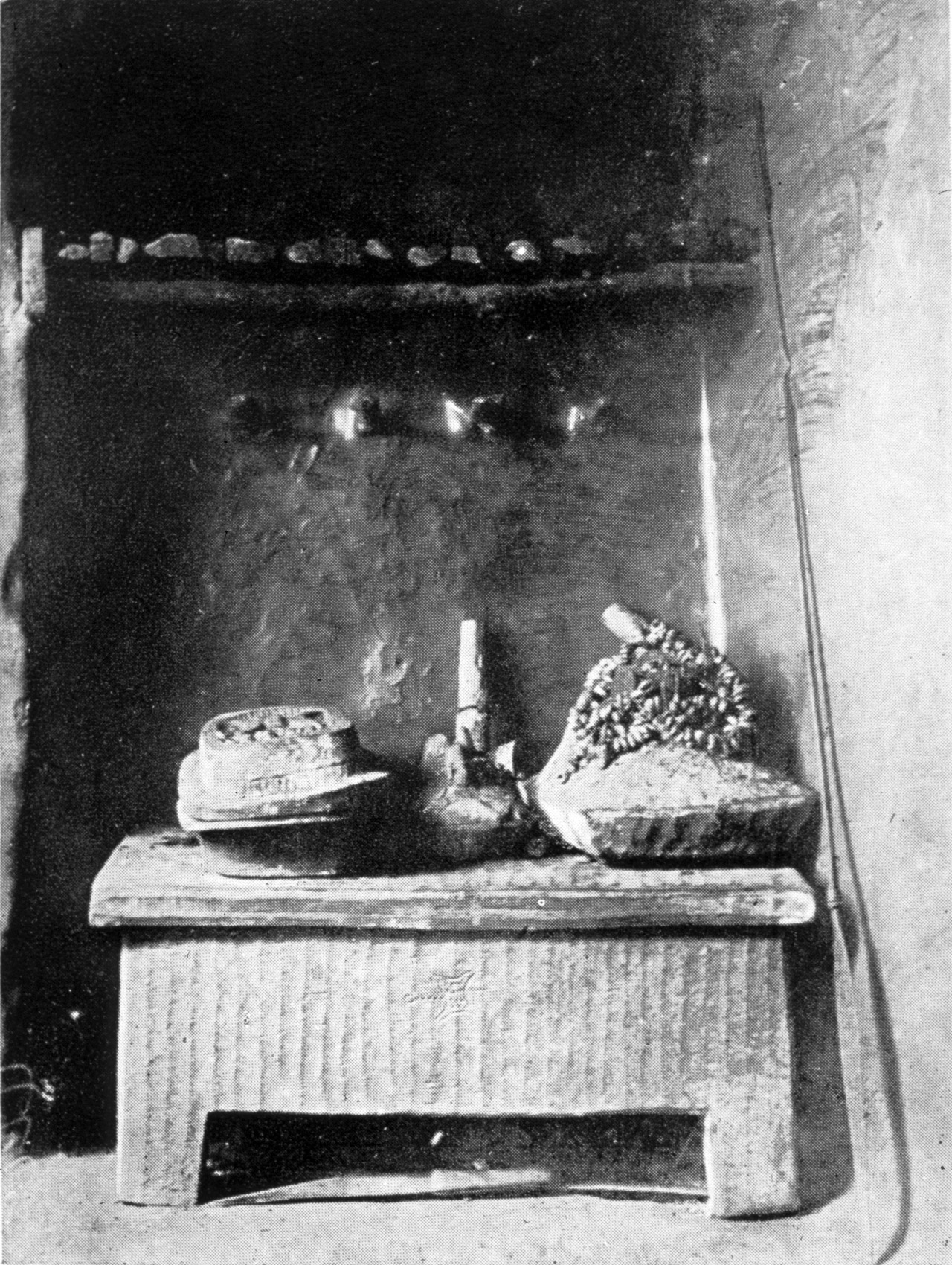
Igbo traditional religion, commonly known as Odinani, is a complex spiritual system rooted in community life, moral order, and cosmic balance. Within this worldview, deities (alụ́si) are not abstract gods removed from daily life, but spiritual forces that regulate social relations, ethics, and communal survival. Among such spiritual concepts is Onughotu, remembered in oral traditions as a deity or sacred principle associated with unity, collective agreement, and social cohesion. Though not as widely recorded as deities like Ala or Amadioha, Onughotu occupies an important symbolic space in Igbo metaphysical thought, especially in discussions of solidarity and communal identity.
The written record
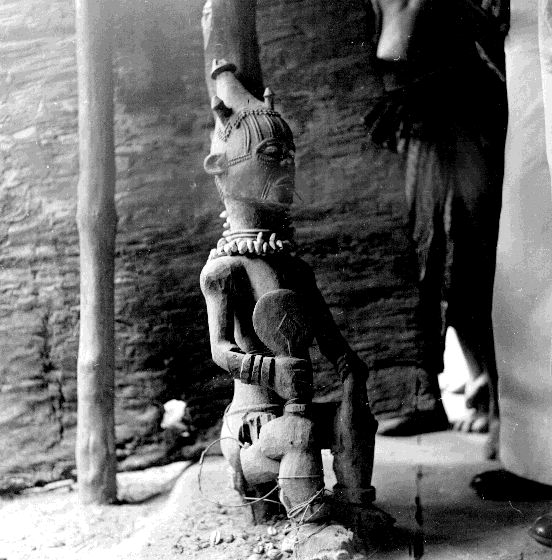
Historical context
Onughotu within Igbo Oral Tradition
Unlike major pan-Igbo deities, Onughotu is primarily preserved through oral history, proverbs, ritual language, and community memory. In many Igbo societies, not all spiritual forces were centralized or universally worshipped. Some deities functioned as localized or conceptual spiritual authorities, invoked during moments of collective decision-making or social reconciliation.
Onughotu is often described not simply as a “god” in the Western sense, but as a spiritual embodiment of unity and collective will. Elders sometimes reference Onughotu in contexts emphasizing togetherness, consensus, and the dangers of fragmentation. In this sense, Onughotu reflects the Igbo belief that spiritual forces are inseparable from social ethics.
Unity as a Sacred Principle in Odinani
In Igbo cosmology, unity is not merely political or social, it is sacred. The survival of the community (ọha) depends on harmony between individuals, ancestors, deities, and the land. As scholars note, Igbo religion is fundamentally communitarian, emphasizing balance over domination.
Onughotu represents this sacred balance. The deity symbolizes the belief that “mmadu adịghị ebi naanị ya” (“a person does not live alone”). Disunity is understood as a spiritual problem that can attract misfortune, conflict, or ancestral displeasure. Thus, invoking Onughotu was a way of affirming that unity itself has divine sanction.
Ritual Contexts and Social Function
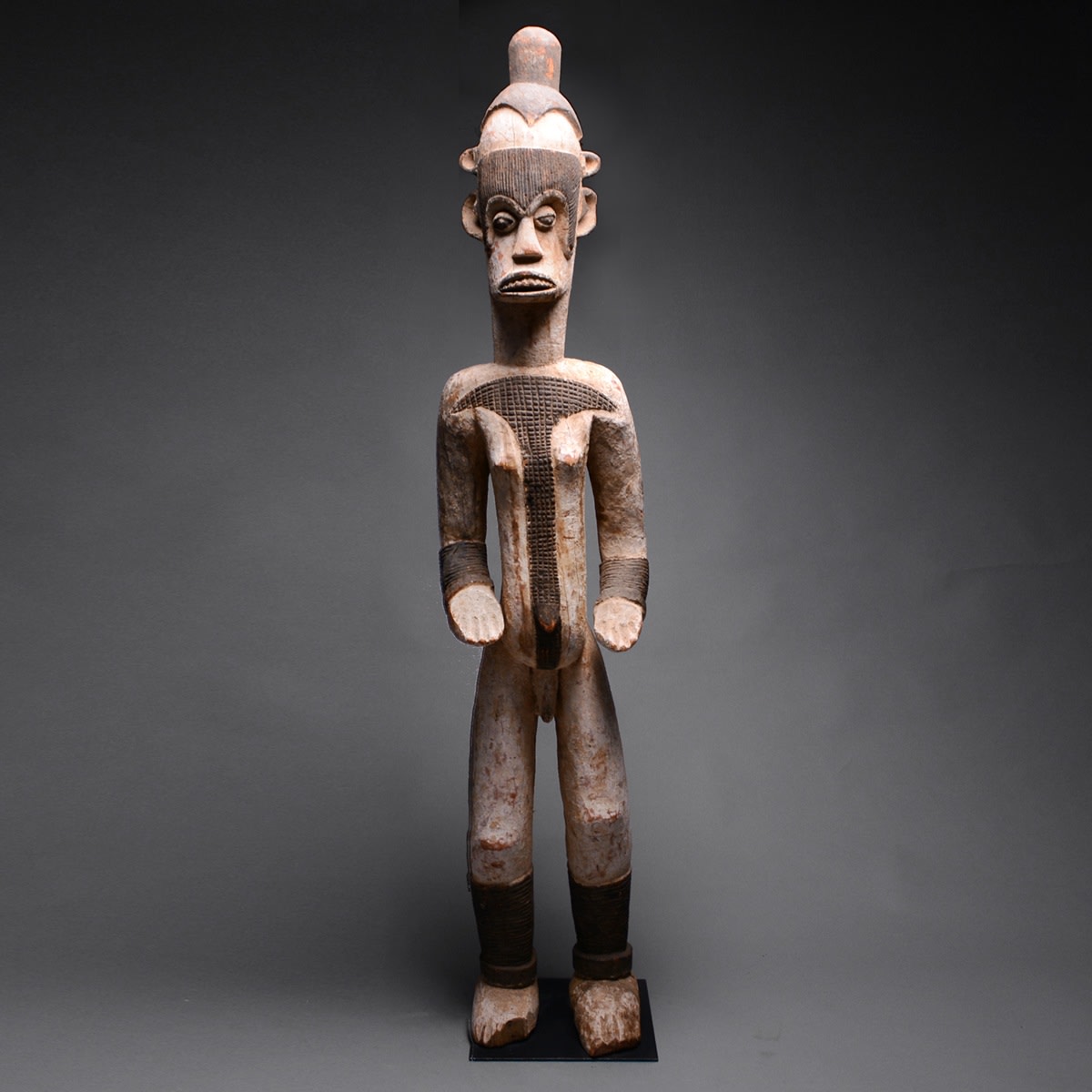
Although there is limited evidence of elaborate temples or priesthoods dedicated solely to Onughotu, references to the deity appear in ritual speech, oath-taking, and conflict resolution ceremonies. In some communities, unity-oriented deities or spiritual principles were invoked during inter-family reconciliations, village assemblies, land dispute settlements and collective rites following internal conflict.
Such invocations emphasized that breaking communal harmony was not only a social offense but also a spiritual violation. As one elder formulation suggests, “onye kpụchiri Onughotu, kpụchiri onwe ya n’ọha” (“he who rejects Onughotu separates himself from the community”).
Onughotu and the Igbo Political Ethos
Traditional Igbo political systems were famously decentralized, yet deeply cooperative. Decision-making relied on councils, age grades, lineage groups, and consensus-building. Scholars have described this as a system of “segmentary democracy”.
Within this context, Onughotu can be understood as a spiritual guarantor of consensus politics. Unity was not enforced through kingship or coercion but through moral obligation and shared cosmology. Onughotu symbolized the idea that collective agreement carried divine weight, reinforcing obedience to communal decisions.
Comparative Perspective: Onughotu and Other Unity Deities
Across Igbo and broader African cosmologies, abstract values are often personified spiritually. For example:
Ala embodies morality and social order
Anyanku represents cosmic balance
Chi reflects personal destiny. Onughotu fits within this pattern as a personification of unity. Similar principles exist in other African traditions, where harmony and social cohesion are elevated to sacred status. This reinforces the idea that African religions prioritize relational ethics over individual absolutism.
Colonial Disruption and the Marginalization of Onughotu
Colonialism profoundly disrupted Igbo religious life. Missionary activity often dismissed indigenous spiritual concepts as pagan or demonic, while colonial administration undermined communal governance structures that sustained unity-based cosmologies.
As a result, deities like Onughotu, already preserved primarily through oral tradition, became increasingly marginalized. The erosion of collective institutions meant that spiritual concepts tied to unity lost their ritual platforms, surviving mostly in language, memory, and symbolic reference.
Contemporary Relevance of Onughotu
In modern Igbo society, Onughotu’s relevance persists symbolically rather than ritually. Contemporary debates about ethnic unity, political fragmentation, and cultural preservation echo the values associated with the deity. Onughotu serves as a cultural metaphor for cohesion, reminding communities that unity is not merely strategic but moral and spiritual.
In this sense, Onughotu continues to “exist” as an idea, shaping discourse even when formal worship has faded. The deity’s legacy aligns with modern calls for solidarity in the face of globalization, political division, and cultural erosion.
Onughotu represents a profound dimension of Igbo spiritual thought: the sanctification of unity. Though not widely documented in written sources, the deity’s presence in oral tradition and symbolic language reflects the Igbo understanding that communal harmony is divinely ordained. Onughotu reminds us that in Odinani, the sacred is woven into social life, and unity is not optional it is spiritual law. Recognizing such deities expands our appreciation of Igbo cosmology beyond well-known figures, revealing a worldview where ethics, society, and spirituality are inseparably linked.
Sources and references
- Mbiti, J. S. (1975). Introduction to African religion. Heinemann.
- Mbiti, J. S. (1990). African religions and philosophy (2nd ed.). Heinemann.
- Uchendu, V. C. (1965). The Igbo of southeast Nigeria. Holt, Rinehart and Winston.
- Isichei, E. (1976). A history of the Igbo people. Macmillan.
- Njoku, J. E. (2 010). Odinani: Igbo traditional religion. University Press of America.
Cite this article
Discussion
Sign in to join the discussion
Comments are checked by an editor before they appear. Leave a source or a correction and it is read first.
Continue reading
Related histories
 Cultural HeritageEleven Days of Nwafor Ogidi: Inside the Festival Keeping an Old Igbo Tradition AliveRead history →
 Cultural HeritageIli Ji Nkpor Obododike: The Indigenous Agricultural Ritual CycleRead history →
 Cultural HeritageMusic and Drum Traditions: Tracing the “Igbo Drum” in the AmericasRead history →
No comments yet
Nothing has been approved on this record yet. Comments are checked by an editor before they appear, so one written now shows on this page after that check.