 Ozikoro
 Cultural Heritage · Published history
Oritse: The Itsekiri Concept of the Supreme Being Before and After Missionary Arrival
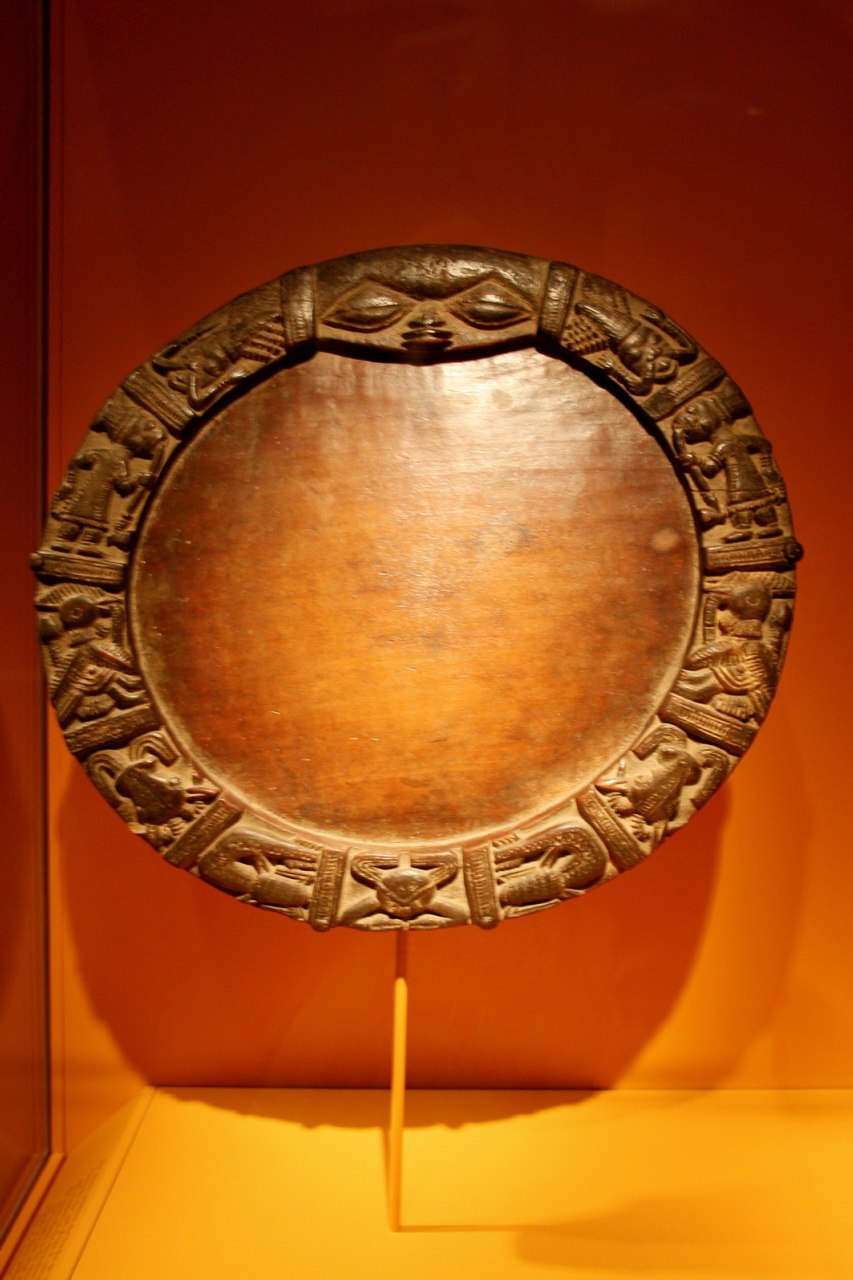
The Itsekiri people of the Niger Delta possess one of the most sophisticated religious traditions in West Africa. Central to this worldview is the concept of Oritse, the Supreme Being and ultimate source of creation. Before the arrival of European missionaries in the 16th and 19th centuries, the Itsekiri already maintained a well-structured spiritual cosmology that acknowledged Oritse as the creator (“Oritsé”), while also honoring a hierarchy of deities such as Umalokun, Ibinukpabi, and ancestral spirits. With the coming of Portuguese explorers and later Christian missions, the understanding and worship of Oritse evolved, often merging with imported Christian ideas.
The written record
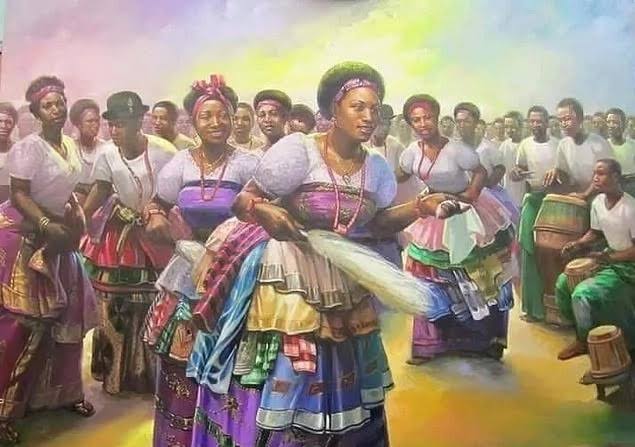
Photo credit: CKwa265 via Wikimedia Commons.
Historical context
Pre-Missionary Understanding of Oritse
- Oritse as the Supreme Creator
Before contact with Europeans, the Itsekiri viewed Oritse as the highest divinity, the creator of the universe, giver of life, and ultimate moral authority. The name itself, “Oritse,” translates roughly to “the source of all things” or “the owner of creation.” Scholars such as Ekeh note that the Itsekiri cosmology positioned Oritse above all other spiritual beings, similar to the role of Olodumare among the Yoruba or Osanobua among the Edo.
Although Oritse was supreme, the deity was regarded as distant, too powerful to be approached directly in daily affairs. As a result, the Itsekiri relied on intermediary spirits and ancestors for communication, petitions, and rituals.
- Relationship with Other Deities
Pre-Christian Itsekiri spirituality functioned as a hierarchical religious system. Beneath Oritse existed powerful deities such as:
Umalokun – divinity of the sea and prosperity
Ogiwen – protective deity
Ancestral spirits (Ebo) – guardians of lineage and morality.
These divinities operated under the authority of Oritse. Offerings and rituals were ultimately believed to reach Oritse but through the delegated powers of lesser beings. This structured cosmology demonstrates that early Itsekiri religion was neither primitive nor disorganized; it was systematic, philosophical, and deeply tied to their socio-economic life as riverine people.
- Temples, Rituals, and Priests
While Oritse did not have elaborate temples, shrines existed where sacrifices were offered indirectly through other spirits. Priests (Ohen) and community elders oversaw rituals, invoking Oritse’s blessings during festivals, especially events concerning kingship, fertility, and seasonal cycles. The Olu of Warri, even in the pre-Christian era, was regarded as ruling under divine mandate granted by Oritse.
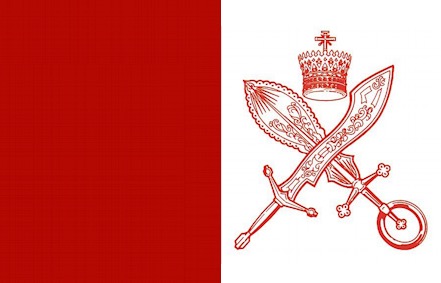
Photo credit:Thingsomyipisntvisable via Wikimedia Commons.
Encounters with Portuguese Christianity
- Early Contact and Religious Exchange
The Itsekiri kingdom became the first Nigerian polity to establish sustained diplomatic and religious contact with Europe. By the late 15th century, the Portuguese arrived, forging alliances with the Olu and introducing Roman Catholicism. Historical accounts note that Prince Ginuwa’s descendants, including early Olus, often interacted with Portuguese priests, merchants, and envoys.
Instead of rejecting the Itsekiri concept of Oritse, Catholic missionaries identified similarities between Oritse and the Christian God, using this shared understanding to teach Christian doctrine.
- Syncretism and Reinterpretation
Over time, aspects of Itsekiri traditional belief fused with Christian teachings:
Oritse became interpreted as equivalent to “God the Father.”
Traditional prayers were adapted to include Christian vocabulary.
The Olu’s spiritual authority became linked to Christian symbolism, including crosses and European regalia.
This blending was not forced; rather, it grew naturally through diplomatic closeness, marriage alliances, and the prestige associated with literacy, baptism, and royal conversion.
Post-Missionary Evolution of Oritse
- The Rise of Catholic Influence
From the 16th to 18th centuries, Catholicism became prominent at the Itsekiri court. Many Olus received Christian names, were baptized, and practiced modified forms of Catholic worship. Under such influence, Oritse was portrayed more explicitly as the Christian God, with reinterpretations of creation stories and moral codes.
Yet despite Christian influence, core concepts of Oritse such as divine kingship, cosmic hierarchy, and ancestral reverence remained embedded in cultural memory.
- The 19th-Century Protestant Missions
With the decline of Portuguese influence, British Protestant missions entered Warri in the 1800s. They discouraged veneration of other deities and ancestral intermediaries, promoting direct worship of Oritse (now equated with the Christian God). This shift affected ritual life; shrines were abandoned or suppressed, priests lost influence, churches replaced communal temples as centers of spiritual life.
However, even among Christianized Itsekiri communities, the name Oritse continued to be used in praise songs, personal names (e.g., Oritsematosan, Oritsegbubemi), and cultural expressions, preserving continuity with traditional belief.
- Oritse in Modern Itsekiri Identity
Today, most Itsekiri people identify as Christian Catholic, Anglican, or Pentecostal yet retain a strong cultural memory of Oritse. Modern understandings combine Christian monotheism, seeing Oritse as the Almighty God, Traditional cosmology, acknowledging the historical roles of Umalokun and other deities and Ethnic pride, using Oritse-based names as markers of identity.
The Olu of Warri continues to embody a sacred kingship rooted in the ancient covenant with Oritse, even within a predominantly Christian social structure.
The Itsekiri concept of Oritse reveals a dynamic religious history that predates Christianity and continues to shape modern identity. Before missionary arrival, Oritse stood at the apex of a complex cosmological system. With Portuguese and later British missions, Oritse became increasingly associated with the Christian God, leading to a form of religious syncretism unique to the Niger Delta. Rather than disappearing, the concept adapted to maintain continuity while embracing transformation. Today, Oritse represents both spiritual heritage and cultural pride, symbolizing the enduring resilience of Itsekiri civilization.
Sources and references
- Ekeh, P. P. (2020). Studies in Urhobo culture and history. Urhobo Historical Society.
- Ryder, A. F. C. (1965). Benin and the Europeans 1485–1897. Longmans.
- Alagoa, E. J. (2005). A history of the Niger Delta: An historical interpretation of Ijo oral tradition. Onyoma Research.
- Horton, R. (1993). Patterns of thought in Africa and the West. Cambridge University Press.
- Omaghomi, E. (2014). The Itsekiri of the Western Niger Delta: A cultural history. Delta Heritage Press.
Cite this article
Discussion
Sign in to join the discussion
Comments are checked by an editor before they appear. Leave a source or a correction and it is read first.
Continue reading
Related histories
 Cultural HeritageEleven Days of Nwafor Ogidi: Inside the Festival Keeping an Old Igbo Tradition AliveRead history →
 Cultural HeritageIli Ji Nkpor Obododike: The Indigenous Agricultural Ritual CycleRead history →
 Cultural HeritageMusic and Drum Traditions: Tracing the “Igbo Drum” in the AmericasRead history →
No comments yet
Nothing has been approved on this record yet. Comments are checked by an editor before they appear, so one written now shows on this page after that check.