 Ozikoro
 Cultural Heritage · Published history
Osenabo Ọgwụ Ịfụzo and Its Dangers in Ọdịnana Igbo Spirituality

In Igbo culture, spirituality is deeply rooted in Ọdịnana, the traditional practices that connect the Igbo people to their ancestors, deities, and the natural world. Central to this spirituality is the belief in natural spiritual growth guided by spirits such as Agwụ, Ndị Ichie, and Ala, the Earth goddess. However, in modern times, some individuals seek shortcuts to spiritual power through practices like Osenabo Ọgwụ Ịfụzo, a charm made from herbs and animal parts consumed to forcefully open the pineal gland, often referred to as the “third eye,” to gain supernatural vision. This article explores the dangers of Osenabo, its deviation from traditional Igbo spiritual practices, and the importance of aligning with natural spiritual guides in Ọdịnana, with a focus on Igbo cultural values and beliefs.
The written record
Historical context
The Concept of Osenabo Ọgwụ Ịfụzo
Osenabo is a concoction designed to artificially enhance spiritual abilities, allowing users to see beyond the physical realm. Unlike traditional Igbo spiritual practices, which emphasise patience, discipline, and alignment with one’s Chi (personal spirit) and other natural spirits, Osenabo forces an unnatural opening of the pineal gland. This practice is not part of ancient Igbo tradition, as our ancestors relied on gradual spiritual grooming through rituals, meditation, and communion with spirits like Agwụ (the spirit of divination) and Ndị Mmiri (water spirits). Osenabo represents a modern deviation, driven by the desire for instant power and public recognition among seers, diviners, and spiritual leaders.
In Igbo communities, the use of Osenabo is often hidden, as those who use it—such as some Dibias (spiritual priests), Ezenwanyi (female spiritual leaders), and prophets—present themselves as gifted without revealing their reliance on this charm. The allure of Osenabo lies in its ability to produce dramatic results, such as accurate prophecies or detailed visions, which impress audiences unaware of its spiritual and physical consequences.
Osenabo in the Context of Ọdịnana
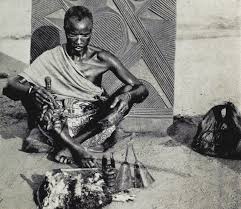
Ọdịnana places great importance on natural spiritual development, guided by spirits assigned to individuals at birth. These spirits, including Agwụ, Ndị Ichie (ancestors), and Alusi (deities), work in harmony with the individual’s Chi to fulfill their destiny. Traditional Dibias undergo years of training, observing rituals like Nsọ Agwụ (taboos of Agwụ) and Ịwụ Agwụ (laws of Agwụ), to enhance their spiritual sight. They also use tools like Ọfọ (a staff symbolising justice and truth) and perform Igo Ọfọ (prayer rituals) to commune with the divine.
In contrast, Osenabo bypasses this natural process, inviting chaos by forcing spiritual abilities without proper alignment. It is often used with intoxicants like cigarettes or alcohol to activate its effects, further disconnecting users from their natural spiritual guides. This practice violates the Igbo principle of balance, as it disrupts the harmony between the physical and spiritual realms, leading to severe consequences for the user and their family.
The Dangers of Osenabo
The use of Osenabo has devastating effects, both spiritually and physically, as it goes against the natural laws of Ọdịnana. Below are some of the major consequences:
- Spiritual Disconnection: By using Osenabo, individuals lose favour with their spiritual guides, such as Agwụ, Ndị Ichie, and Ala. This disconnection leads to spiritual chaos, as foreign spirits or negative energies may take control, causing instability in the user’s life. The Igbo believe that spiritual gifts must be nurtured naturally to maintain harmony with the universe.
- Physical and Mental Harm: Many users suffer severe health issues, including blindness from applying Osenabo to the eyes, stomach ailments from consuming it, and mental instability due to overwhelming spiritual visions they cannot control. The Igbo worldview warns that unnatural practices invite calamity, as the body and mind are not prepared for such forced power.
- Shortened Lifespan: A common side effect of Osenabo is premature death, with many users not living beyond 50 years. This aligns with the Igbo belief that violating spiritual laws disrupts one’s Ogologo Ndu (long life), a blessing granted through alignment with natural spirits.
- Family Consequences: The negative effects of Osenabo often extend to the user’s family, causing misfortune, illness, or spiritual unrest. In Igbo culture, the actions of an individual can impact their lineage, as the ancestors hold families accountable for maintaining spiritual harmony.
- Lack of True Wisdom: While Osenabo may grant temporary vision, it does not provide the wisdom needed to interpret or solve spiritual problems. This leads to incomplete or harmful spiritual work, as users rely on artificial power rather than divine guidance. In Ọdịnana, true spiritual power comes from understanding and working with natural spirits.
Osenabo in Modern Igbo Society
The rise of Osenabo reflects broader changes in Igbo society, where urbanisation, Western influences, and the pressure for quick success have led some to abandon traditional practices. In cities like Awka, Onitsha, and Enugu, some spiritual leaders use Osenabo to attract clients, offering dramatic prophecies to gain fame and wealth. This contrasts with rural communities, where Dibias and Ezenwanyi often adhere to traditional methods, such as Igba Afa (divination) and offerings to deities like Idemili, the water goddess revered in places like Nnobi.
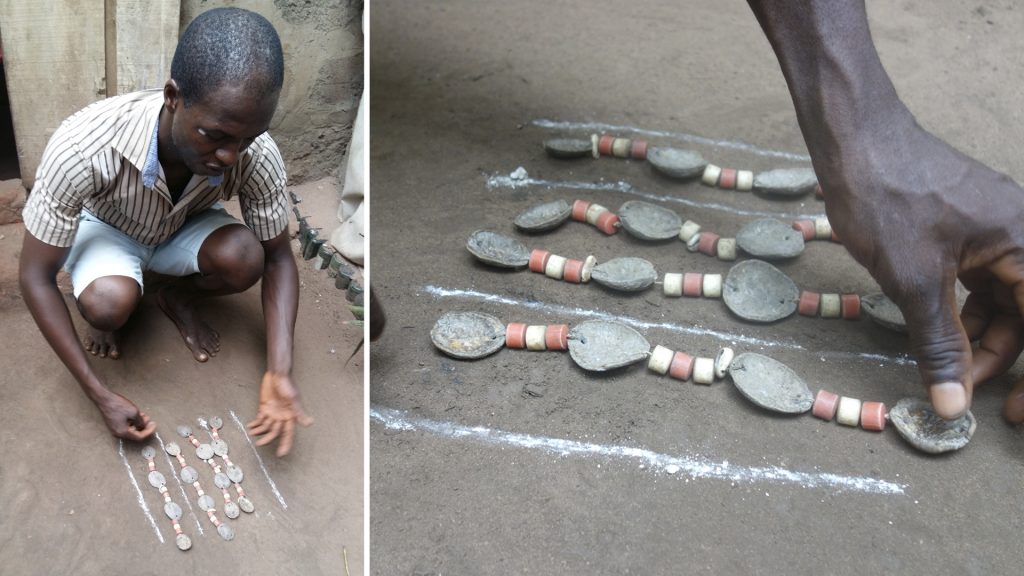
The use of Osenabo is also linked to the influence of foreign spiritual practices, as some individuals import deities or rituals from outside Igbo culture to enhance their powers. This practice is frowned upon in Ọdịnana, which values indigenous spirits and local traditions. For example, the Igbo market days—Eke, Orie, Afor, and Nkwo—are seen as portals for spiritual connection, yet many modern practitioners ignore these sacred days in favour of artificial enhancers like Osenabo.
Stories and Examples
Across Igbo land, stories abound of individuals who suffered due to Osenabo. In one account from Awka, a prophet gained fame for his accurate visions, only to be exposed as using Osenabo after he became blind and his family faced misfortune. In another case, a Dibia in Onitsha died mysteriously at a young age, with elders attributing his death to his reliance on Osenabo rather than his natural Agwụ spirit. These stories serve as warnings in Igbo communities, reinforcing the dangers of seeking shortcuts in spiritual matters.
The Igbo Alternative: Natural Spiritual Growth
In Ọdịnana, spiritual growth is a gradual process that requires discipline, purity, and alignment with natural spirits. Below are key practices recommended for those with spiritual gifts:
- Honouring Nsọ Agwụ and Ịwụ Agwụ: Observing the taboos and laws of Agwụ, the spirit of divination, ensures harmony and enhances spiritual abilities. This includes avoiding certain foods or actions that offend Agwụ.
- Meditation and Grounding: Regular meditation, often performed on sacred market days, strengthens the connection to one’s Chi and spiritual guides. Grounding practices, such as walking barefoot on the earth, align individuals with Ala, the Earth goddess.
- Rituals and Offerings: Making offerings to spirits like Ndị Ichie, Idemili, or Ogwugwu (an ancestral river spirit) fosters spiritual growth. For example, in communities like Oguta, offerings to Ndị Mmiri (water spirits) are common among Dibias.
- Communal Support: In Igbo culture, spiritual growth is supported by the community, with elders and titled individuals guiding the chosen ones. Festivals like Iri Ji (New Yam Festival) provide opportunities to honour spirits and renew spiritual energy.
These practices align with the Igbo proverb: “Onye kwe, Chi ya ekwe” (“If a person agrees, their Chi agrees”), emphasising the importance of working in harmony with one’s spiritual destiny.
The Role of Dibias in Combating Osenabo
Traditional Dibias play a crucial role in preserving the integrity of Ọdịnana by discouraging the use of Osenabo. In Igbo communities, authentic Dibias are respected for their wisdom and natural gifts, often serving as healers, mediators, and spiritual guides. They warn against artificial enhancers, teaching that true power comes from alignment with spirits like Agwụ, who is revered as the patron of creativity and divination. Responsible Dibias also educate the younger generation about the dangers of Osenabo, using stories and rituals to reinforce traditional values.
Challenges and Preservation of Ọdịnana
The popularity of Osenabo highlights broader challenges facing Ọdịnana, including the influence of Christianity, Islam, and Westernisation, which have led some Igbo people to view traditional practices as outdated. In urban areas, the pressure to compete in a fast-paced world drives individuals to seek quick spiritual solutions. However, cultural organisations, such as the Ohanaeze Ndigbo and the Odinani Cultural Heritage Foundation, work to preserve Igbo traditions, promoting practices like Igba Afa and the use of Ọfọ in rituals.
Festivals like Iri Ji and Ofala (royal festivals) provide platforms to celebrate Ọdịnana, while social media, including posts on socal media, allows Igbo youth to share knowledge about traditional spirituality. These efforts help counter the spread of practices like Osenabo, encouraging a return to natural spiritual growth.
Osenabo
Ọgwụ Ịfụzo represents a dangerous departure from the principles of Ọdịnana, which value patience, discipline, and harmony with natural spirits. Its use leads to spiritual, physical, and familial harm, violating the Igbo belief in balance and divine order. By embracing traditional practices like Nsọ Agwụ, meditation, and offerings to spirits such as Ala and Idemili, the Igbo people can preserve their spiritual heritage and achieve true greatness. As the Igbo proverb says, “Ọ dị mma ka e ji nwayọ nwayọ jee, kama ka e ji ọsọ gbaa” (“It is better to walk slowly and steadily than to run and fall”). The path to spiritual power lies in alignment with nature, not in artificial shortcuts.
Sources and references
- Dibia, N. (2023, August 31). Osenabo Ọgwụ Ịfụzo . Dibianwangwuuchendu.
- Nwangwu Uchendu, D. (n.d.). Osenabo Ogwu Ifuzo. YT.
Cite this article
Idenze Ezeme. “Osenabo Ọgwụ Ịfụzo and Its Dangers in Ọdịnana Igbo Spirituality.” Ozikoro, 2025. https://ozikoro.com/osenabo-ogwu-ifuzo-and-its-dangers-in-odinana-igbo-spirituality/Discussion
Sign in to join the discussion
Comments are checked by an editor before they appear. Leave a source or a correction and it is read first.
Continue reading
Related histories
 Cultural HeritageEleven Days of Nwafor Ogidi: Inside the Festival Keeping an Old Igbo Tradition AliveRead history →
 Cultural HeritageIli Ji Nkpor Obododike: The Indigenous Agricultural Ritual CycleRead history →
 Cultural HeritageMusic and Drum Traditions: Tracing the “Igbo Drum” in the AmericasRead history →
No comments yet
Nothing has been approved on this record yet. Comments are checked by an editor before they appear, so one written now shows on this page after that check.