 Ozikoro
 Biography · Published history
Paulson Kalu: The Highlife Maestro of Igbo Music
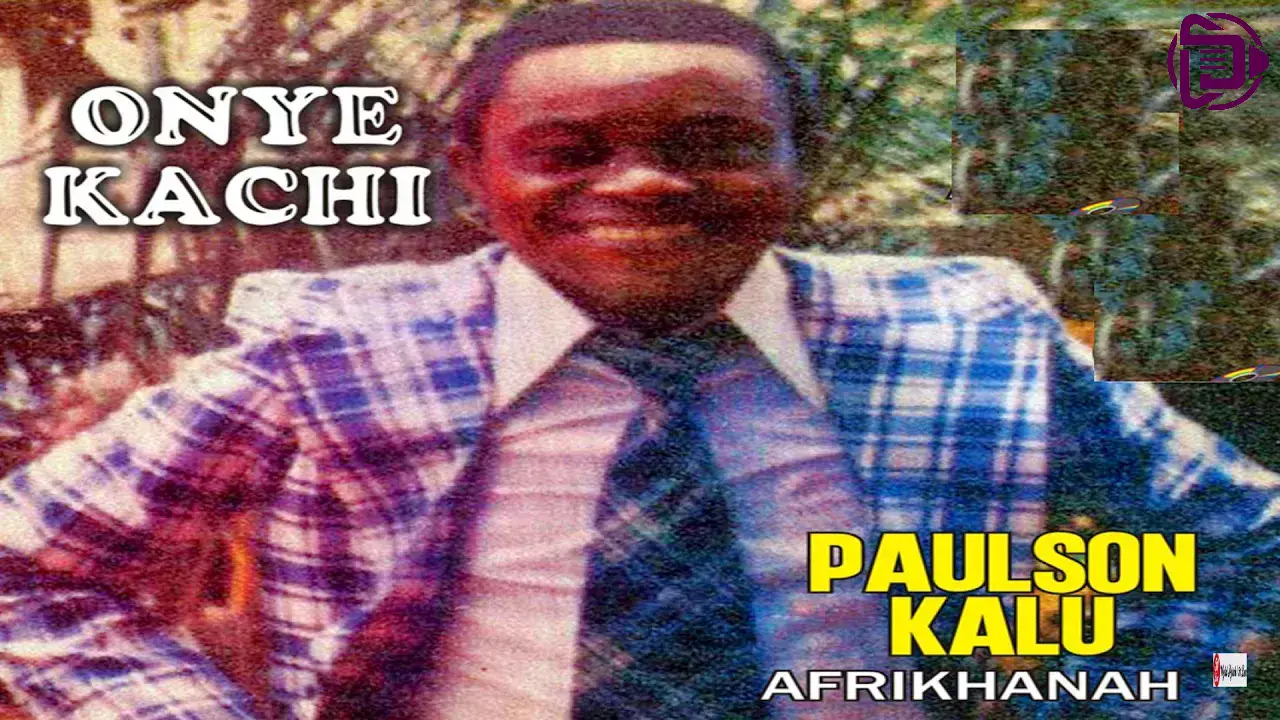
Paulson Kalu also known by the stage name Afrikhanah or Paulson Kalu Afrikhanah, is one of the most respected figures in Nigerian highlife music, particularly within the Igbo subgenre of this popular West African form. Celebrated for his philosophical lyrics, cultural depth, and decades-spanning musical career, Kalu helped shape the sound of highlife in southeastern Nigeria and left an enduring legacy that bridges traditional storytelling with modern musical expression.
The written record
Igbo highlife itself is a regional subgenre of West African highlife music, characterized by the integration of traditional Igbo rhythms and languages with guitar-based highlife structures. It became especially prominent during the mid-twentieth century and adapted through post-Civil War Nigeria into contemporary music scenes.
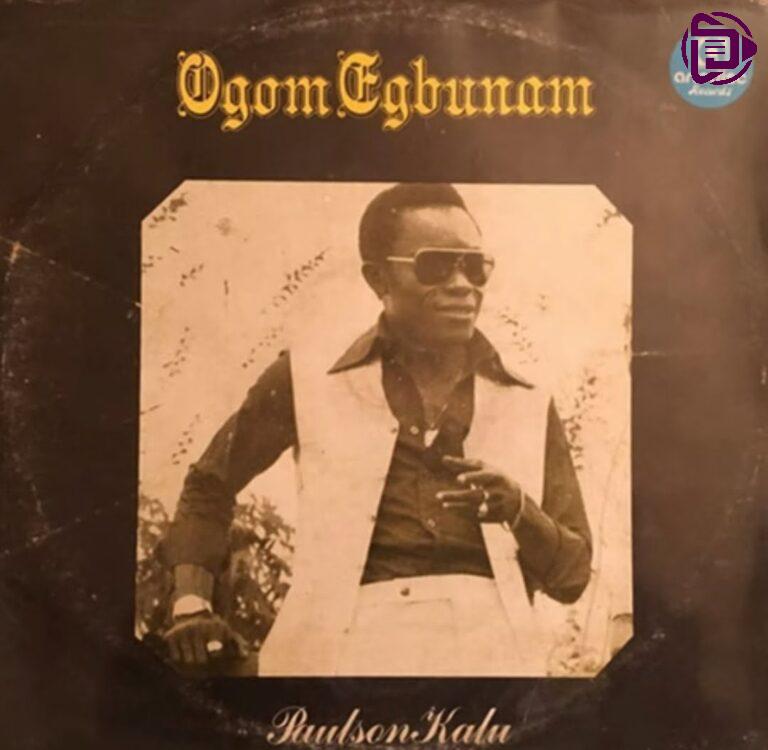
Photo credit; dailyhighlife.ng
Historical context
Early Life and Musical Beginnings
Paulson Kalu was born in 1940 in Akanu Ohafia, Abia State, located in southeastern Nigeria. Immersed in the rich cultural traditions of the Igbo people, his early upbringing laid the foundation for a lifelong relationship with music and cultural expression. From a young age, he showed an inclination toward performance and song that distinguished him from peers.
Kalu’s musical journey officially began during his school days, when he joined the Martin Brothers Dance Band in Port Harcourt. This early engagement with a professional music group provided him with practical experience in performance, highlife rhythms, and working with seasoned musicians.
During the Nigerian Civil War (1967–1970), like many young musicians of his generation, Kalu migrated between bands as the entertainment industry adapted to the disruptions of war. He became a vocalist with Erasmus Jenewari’s Globe Kings Band, which further refined his performance skills and exposed him to a broader repertoire of highlife influences.
Mentorship under Stephen Osita Osadebe
The period immediately following the Nigerian Civil War was transformative for Paulson Kalu. In 1970, he joined the band of Stephen Osita Osadebe, one of the most influential figures in Igbo highlife history. Osadebe’s music had already reached national prominence, and his mentorship provided Kalu with not only greater exposure but also a deeper understanding of highlife composition, stagecraft, and audience connection.
Under Osadebe’s guidance, Kalu absorbed a philosophy of music that emphasized storytelling, reflection, and an emotional connection with listeners, traits that would come to define his own songwriting style. Many of his songs after this period reflect a thoughtful fusion of cultural wisdom, contemporary experiences, and rhythmic sophistication.
Formation of His Own Band and Rise to Prominence
Following his experience with Osadebe, Kalu chose to forge his own path by founding Paulson Kalu and His Africana Dance Band, occasionally credited as Paulson Kalu Afrikhanah & His Stars 25, in Onitsha. Through this ensemble, he reached wider audiences and developed a distinct musical identity rooted in Igbo language and traditional highlife motifs.
Kalu’s music often integrated philosophical themes, telling stories about human experience, morality, destiny, and the complexities of life. His lyrics contained reflections on resilience, spiritual trust, societal pressure, and cultural belonging often delivered through evocative Igbo metaphors and idioms that resonated deeply with listeners. Several of his songs draw on traditional proverbs and collective wisdom, enhancing their cultural significance.
Notable Songs and Discography
Paulson Kalu’s repertoire includes a range of songs that have become classics in the Igbo highlife canon. Among his most celebrated tracks are:
“Okwudili” – a song that encourages listeners to “leave it to God” (Okwudili in Igbo), reflecting patience and faith amid hardship.
“Ama Ndi Ana Eze” – exploring themes of trust, betrayal, and discernment in human relationships.
“Uwa Zuru Onye” – a philosophical reflection about life’s challenges and the universal journey of humanity.
“Ije Ego” – discussing the difficult road to success and prosperity.
“Poor Man Life” and “Uche Chukwu Mee” – songs that meditate on social realities and spiritual fortitude.
These tracks showcase Kalu’s lyrical depth as well as his ability to blend rhythmic highlife instrumentation with narrative storytelling that holds socio-cultural relevance.
Philosophy and Cultural Impact
Kalu’s music is often described as philosophical highlife a sub-niche characterized by thoughtful lyrics that go beyond entertainment to explore meaning, morality, and human experience. This focus distinguished him among his peers and contributed to his reputation as a highlife maestro with a message-driven approach.
Because Igbo highlife typically emphasizes indigenous language and cultural motifs, artists like Kalu played a vital role in preserving and promoting Igbo identity through music, even as global musical influences expanded. His songs became staples at celebrations, community gatherings, and life cycle events, reinforcing their communal significance.
The genre itself Igbo highlife blends traditional Igbo musical elements with Western highlife forms, featuring guitar lines, rhythm sections, and vocal harmonies that invite both reflection and dance. It emerged in the twentieth century as part of broader West African musical developments and remains a proud cultural expression today.
Later Life and Evangelism
In later years, Paulson Kalu underwent a spiritual transformation, becoming an evangelist and founder of the Paulson Kalu Evangelistic Foundation International. Through this foundation, he shifted some of his energy toward charitable works and spiritual ministry, blending his cultural influence with service to community and faith-based outreach.
Even as an evangelist, Kalu retained his musical legacy, occasionally performing and reminding newer generations of highlife’s cultural roots. His dual identity as a revered musician and as a spiritual leader illustrates a life committed not only to artistic excellence but also to societal upliftment.
Recognition and Legacy
Paulson Kalu’s contributions have been recognized by various cultural platforms celebrating Nigerian highlife legends. In recent years, he has been honored alongside other highlife greats such as Stephen Osita Osadebe, Rex Lawson, and Bright Chimezie, reaffirming his place within the pantheon of Nigerian music icons.
His work continues to be appreciated by artists and audiences who value highlife’s cultural heritage, philosophical depth, and emotional resonance. As a veteran figure in the genre, his songs continue to be streamed, remixed, and performed, keeping his influence alive within Nigeria’s vibrant musical landscape.
Paulson Kalu remains one of the enduring figures of Nigerian highlife, especially within the Igbo musical tradition. From his beginnings with grassroots bands to his mentorship under Stephen Osadebe and the establishment of his own band, he carved out a musical identity defined by philosophical reflection and cultural resonance. His songs, linguistic richness, and community impact have made him a true highlife maestro whose legacy transcends generations. Through both music and ministry, Paulson Kalu’s contributions continue to enrich Nigerian cultural memory and inspire new artists to honor their roots.
Sources and references
- African Music Library. (n.d.). Paulson Kalu Afrikhanah & His Stars 25.
- DailyHighlife. (2025). Paulson Kalu biography, age, and musical career.
- DailyHighlife. (2025). Paulson Kalu – Igba Aka Bia Ilum and other songs.
- DailyHighlife. (2025). Paulson Kalu – Ama Ndi Ana Eze.
- Wikipedia contributors. (2024). Igbo highlife. In Wikipedia, The Free Encyclopedia.
- Guardian Nigeria. (2025). Group honours 12 highlife legends.
Cite this article
Discussion
Sign in to join the discussion
Comments are checked by an editor before they appear. Leave a source or a correction and it is read first.
Continue reading
No comments yet
Nothing has been approved on this record yet. Comments are checked by an editor before they appear, so one written now shows on this page after that check.