 Ozikoro
 Biography · Published history
Peacocks International Guitar Band: Crafting the Sound of Nigerian Guitar-Band Highlife
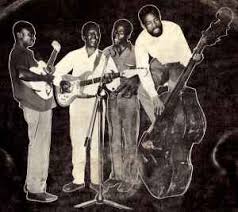
The Peacocks International Guitar Band occupies an important place in the evolution of Nigerian popular music, especially within the guitar-band highlife tradition that flourished in the mid-twentieth century. Emerging during a period when African musicians were redefining modern music through indigenous rhythms and Western instruments, the Peacocks helped popularize a sound that blended melodic guitar work, danceable rhythms, and socially resonant lyrics. Though not always as widely documented as some contemporaries, the band remains significant for its role in shaping guitar-based highlife and influencing later Nigerian musical styles.
The written record
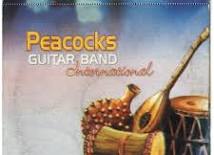
Historical context
Historical Context: The Rise of Guitar-Band Highlife
Highlife music evolved along the West African coast in the early twentieth century, drawing from brass band traditions, palm-wine music, and local rhythmic forms. By the 1950s and 1960s, guitar-band highlife had become especially prominent in eastern and western Nigeria. Bands replaced brass instruments with electric and acoustic guitars, making the music more accessible and portable.
The Peacocks International Guitar Band emerged within this creative atmosphere, when Nigerian musicians were experimenting with harmony, syncopation, and lyrical storytelling. Guitar-band highlife appealed to urban and rural audiences alike, providing music for social gatherings, dances, and community celebrations.
Formation and Musical Identity
While detailed archival records of the Peacocks’ formation remain limited, the band is generally recognized as part of the post-independence wave of Nigerian guitar ensembles that emphasized melodic guitar leads and tight rhythmic structures. The group’s name itself Peacocks suggested elegance, flair, and showmanship, qualities reflected in their performances.
The band’s musical identity was rooted in clean, melodic guitar lines, steady highlife rhythms suitable for dancing, call-and-response vocal patterns, and lyrics addressing love, social values, and everyday life.
This combination allowed the Peacocks to resonate with audiences across different age groups and social backgrounds.
Instrumentation and Performance Style
The Peacocks International Guitar Band exemplified the classic guitar-band setup, typically featuring lead and rhythm guitars, bass, percussion, and vocals. The guitar served as both melodic and rhythmic anchor, weaving intricate lines over repeating chord patterns. Percussion maintained a steady groove, often influenced by indigenous rhythms adapted for modern performance.
Live performance was central to the band’s appeal. Like many highlife groups of the era, the Peacocks were known for energetic stage presence, extended instrumental sections, and audience engagement. These performances helped sustain the popularity of guitar-band music in a rapidly changing musical landscape.
Themes and Social Meaning
Highlife music functioned as more than entertainment, it was a mirror of society. The Peacocks’ repertoire reflected common highlife themes such as romantic relationships, moral advice, respect for elders and community norms, and reflections on social change.
Through accessible language and relatable narratives, the band contributed to the role of popular music as informal social commentary. Scholars note that such music often served as a bridge between tradition and modernity, expressing collective values while adapting to new realities.
Cultural Significance
The Peacocks International Guitar Band was part of a broader movement that helped indigenize modern African music. By localizing Western instruments and musical structures, bands like the Peacocks demonstrated that modernity did not require cultural erasure. Instead, it could be negotiated creatively.
Their work contributed to the normalization of guitar-based ensembles in Nigerian music, the spread of highlife beyond elite social spaces, and the foundation upon which later genres such as Afro-pop and Afro-fusion were built.
Though not always foregrounded in mainstream narratives, the Peacocks represent the many regional bands whose cumulative influence shaped Nigeria’s musical heritage.
Challenges and Decline
By the late 1970s and 1980s, Nigerian popular music began to shift toward Afrobeat, disco-influenced pop, and later electronic styles. Guitar-band highlife gradually declined in commercial dominance, affected by changing tastes, economic pressures, and technological shifts in music production.
Like many guitar bands of their generation, the Peacocks International Guitar Band faced these transitions. However, their recordings and remembered performances continue to circulate among highlife enthusiasts, collectors, and cultural historians.
The legacy of the Peacocks International Guitar Band lies in their contribution to a foundational era of Nigerian music. Their sound influenced subsequent musicians who adopted guitar-driven arrangements and narrative songwriting. Contemporary artists who revisit highlife traditions often draw consciously or unconsciously from the groundwork laid by bands like the Peacocks. Today, renewed scholarly and cultural interest in classic highlife has led to a reassessment of lesser-documented groups, highlighting their importance in the broader musical ecosystem of Nigeria.
The Peacocks International Guitar Band stands as a meaningful contributor to Nigeria’s guitar-band highlife tradition. Operating within a dynamic period of cultural transformation, the band helped shape a sound that balanced tradition and innovation. While historical documentation may be limited, their place within the lineage of Nigerian popular music is secure. As highlife continues to inspire new generations, the Peacocks remain part of the rich musical tapestry that defines Nigeria’s cultural history.
Sources and references
- Collins, J. (2001). Music makers of West Africa. Lynne Rienner Publishers.
- Waterman, C. A. (1990). Jùjú: A social history and ethnography of African popular music. University of Chicago Press.
- Veal, M. E. (2000). Fela: The life and times of an African musical icon. Temple University Press.
- Euba, A. (1991). Yo ruba drumming: The dundun tradition. Bayreuth University Press.
Cite this article
Discussion
Sign in to join the discussion
Comments are checked by an editor before they appear. Leave a source or a correction and it is read first.
Continue reading



No comments yet
Nothing has been approved on this record yet. Comments are checked by an editor before they appear, so one written now shows on this page after that check.