 Ozikoro
Biography · Published history
Pele Asampete and Rogers All Stars: Highlife Voices of Igboland
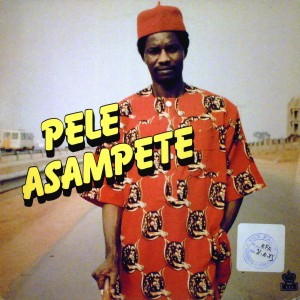
When people talk about the golden era of Igbo highlife, the conversation often circles around big names like Osadebe, Oliver De Coque, and Oriental Brothers. But one name that deserves just as much respect is Pele Asampete, a gifted highlife singer whose works became classics, all thanks to the influence and distribution power of Rogers All Stars, one of the biggest indigenous music labels in Eastern Nigeria.
The written record
Together, Pele Asampete and Rogers All Stars helped shape a sound that still resonates today across markets, living rooms, and cultural gatherings in Igboland
Historical context
Who Was Pele Asampete?
Pele Asampete (sometimes called “Pele De Asampete”) was one of the standout highlife voices of the 1970s and 1980s in Eastern Nigeria. Coming from the Igbo cultural background, he brought a unique blend of traditional storytelling, rhythmic guitar patterns, and deep, moral-driven lyrics.
Pele’s music often focused on: everyday life struggles, community values, friendships and betrayal, the meaning of wealth and humbleness, celebration of Igbo tradition.
His delivery was warm, relatable, and emotional, which made his songs easy favourites among both older listeners and young apprentices in cities like Onitsha, Aba, and Enugu.
Who was the Rogers
Rogers All Stars was founded by Romanus Nwaementa Okonkwo. Okonkwo had previously worked with another Nigerian label, Right Time Records. During this time, Okonkwo would DJ weekend events at local schools with music from Right Time Records artists, as well as other highlife music and American country artists such as Skeeter Davis, Jim Reeves, and The Everly Brothers. Because of the label’s use of branded Rogers International audio equipment, he became known as Rogers. After working with Right Time for seven years, he departed to form his own label. In order to avoid conflict with other labels or acts known as “All Stars”, he prepended his old nickname.
In 1975, Prince Nico Mbarga signed with Rogers All Stars following his break from EMI, which had ceased production on his previous releases. Two years after EMI rejected a demo of his highlife track “Sweet Mother”, Okonkwo heard Mbarga performing it at the Plaza Hotel in Onitsha with his band, Rocafil; Okonkwo proposed releasing it through his fledgling label. Following the single’s successful release, Rogers All Stars sponsored a West African tour for Mbarga and his band. However, tensions emerged when Mbarga brought Okonkwo to court on suspicion that he was withholding royalties. Around this time, Rogers All Stars also signed Cameroonian musician Justin Tchatchoua. By 1979, Nigeria was experiencing an oil boom. This period of economic growth enabled Rogers All Stars and other Nigerian labels to produce millions of records annually.
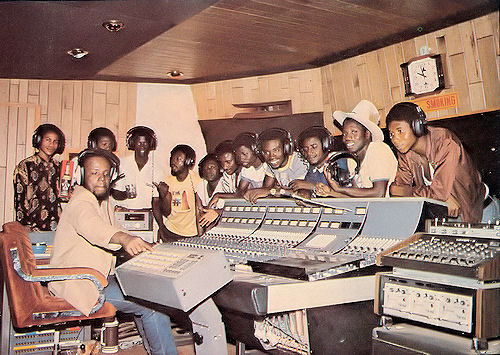
Due to the popularity of Mbarga’s recordings, his style of highlife music became what Black Music & Jazz describes as the “house style” for Rogers All Stars in the late 70s and early 80s. Okukuseku International Band of Ghana, led by Kofi Sammy, used a similar style, blending traditional Ghanaian rhythms and harmonies with two-tracked guitars, which had a more contemporary sound. However, some Rogers All Stars acts, such as Canadoes Super Stars Band Of Ghana, departed from Mbarga’s formula, opting instead for a less westernized fuji music style.
In 2017, Okonkwo was involved in a petition to the Copyright Society of Nigeria (COSON) by an assembly of Nigerian music industry professionals. The assembly held COSON accountable for poor copyright regulation in Nigeria. Since the late 90s, poor copyright control has contributed to both declining revenues for independent Nigerian labels and also the movement of major international labels such as EMI and Sony out of the Nigerian market.
The Role of Rogers All Stars in His Rise
To talk about Pele Asampete without mentioning Rogers All Stars would be incomplete. Rogers All Stars was founded by Romanus Nwadike, popularly known as “Rogers,” who became one of the most influential Igbo music producers and marketers of the 1970s–1990s.
Rogers All Stars did more than produce music, it shaped the entire highlife distribution network in Igboland. The label worked with legends such as:
Prince Nico Mbarga
Bright Chimezie
Morocco Maduka
Celestine Ukwu (re-releases)
Sir Warrior and Oriental Brothers
Chukwuma Haruna (Ali Chukwuma)
Osadebe (selected works)
So when Pele Asampete joined this ecosystem, he instantly gained access to quality production, better guitars and studio equipment, and a marketing structure that pushed his music across Eastern Nigeria and beyond.
What made Pele Asampete stand out was how he mixed traditional Igbo rhythms with the upbeat highlife tempo popular at the time. His songs often featured: bright lead guitar riffs, deep, steady basslines, smooth backup vocals, talking drums and percussion, catchy choruses that were easy to sing along
His storytelling was simple but powerful. He used everyday Igbo proverbs, metaphors, and idiomatic expressions, something that made his songs feel like advice from an elder brother.
Some of Pele Asampete’s well-known songs (depending on the vinyl era and compilations) include:
“Asampete Special”
“Nwanne Di Na Mba”
“Ihe Onye Metere”
“Onye Egbula Onye”
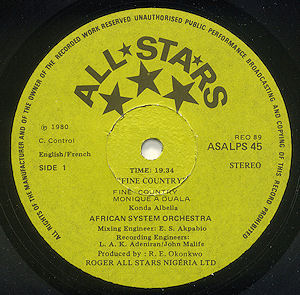
These tracks enjoyed massive play at traditional ceremonies, palm wine bars, and community gatherings. They also became part of the highlife collections sold in Onitsha Main Market, which was one of the biggest distribution hubs for Rogers All Stars.
Cultural Influence
Pele Asampete helped preserve a specific branch of Igbo highlife music that balanced entertainment with moral instruction. His songs were often reflective, encouraging listeners to value family, honesty, and good character.
Alongside other Rogers All Stars musicians, he contributed to: sustaining Igbo highlife after the civil war, preserving indigenous guitar styles, introducing younger musicians to studio-quality production and building the cultural link between Eastern Nigeria and its diaspora communities.
Even today, his records remain favorites among vinyl collectors and lovers of classic Igbo highlife.
Pele Asampete may not always be mentioned among the top three Igbo highlife legends, but he holds a solid place in the hearts of true highlife enthusiasts. His collaboration with Rogers All Stars created music that has survived decades, proving that cultural authenticity never goes out of style. He remains one of those artists who helped shape the soundscape of Igboland, ensuring that highlife continues to echo through generations.
Sources and references
- Eze, C. (2014). The evolution of Igbo highlife music. Enugu: Sunrise Publishers.
- Okafor, C. (2012). The legacy of highlife music in Nigeria. Lagos: West African Press.
- Ude, J. (2019). “Rogers All Stars and the rise of Eastern Nigerian recording labels.” Journal of African Popular Music, 11(2), 44–59
Cite this article
Discussion
Sign in to join the discussion
Comments are checked by an editor before they appear. Leave a source or a correction and it is read first.
Continue reading
No comments yet
Nothing has been approved on this record yet. Comments are checked by an editor before they appear, so one written now shows on this page after that check.