 Ozikoro
 Biography · Published history
Professor Kingsley Ekwueme: Pioneer of Robotic Surgery in Nigeria
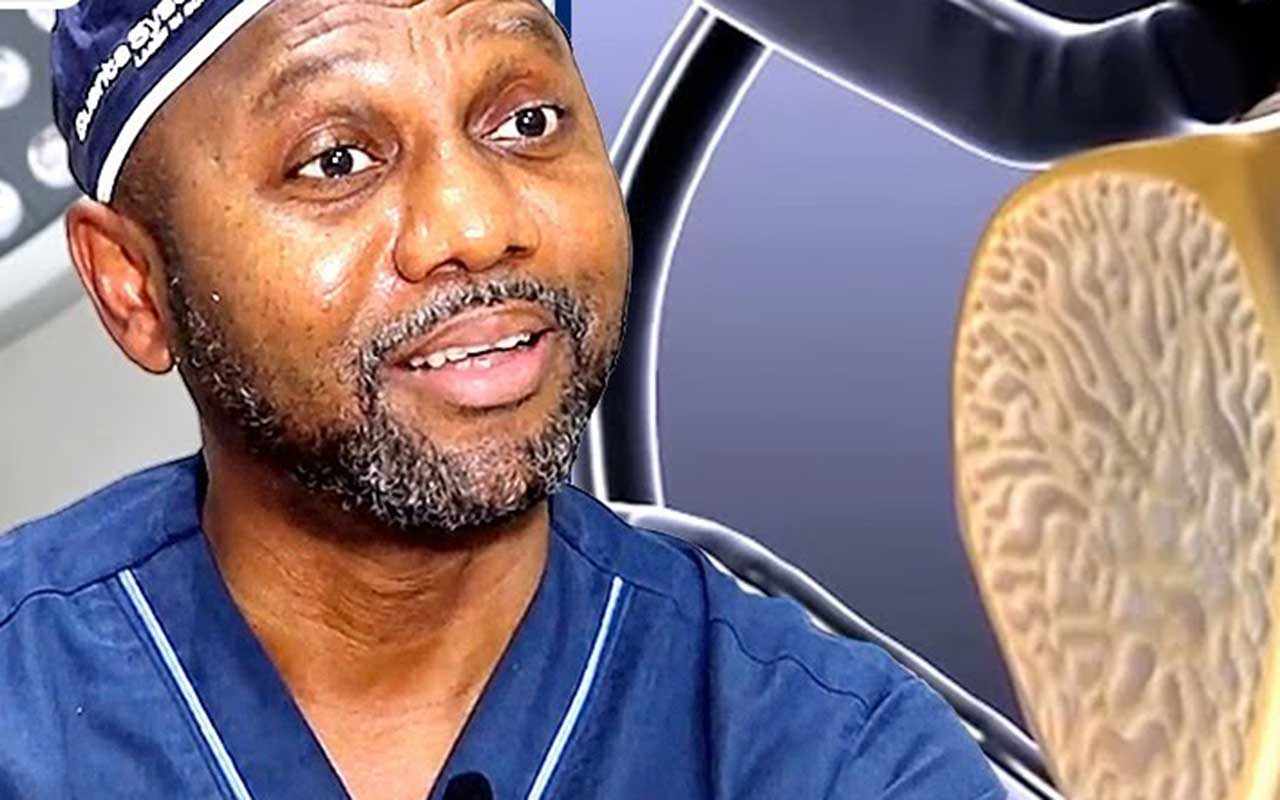
The evolution of modern surgical practice in Nigeria has been marked by significant achievements, but few innovations have transformed the nation’s medical landscape as profoundly as robotic surgery. At the forefront of this advancement is Professor Kingsley C. Ekwueme, a distinguished surgeon, urologist, and academic whose groundbreaking work established him as Nigeria’s pioneer in robotic-assisted surgery. His contributions represent a major leap in minimally invasive medicine, placing Nigeria on the global map of technologically advanced healthcare.
The written record
Historical context
Early Life and Academic Background
Professor Kingsley Ekwueme’s journey reflects years of dedication to both clinical excellence and academic advancement. Trained initially in Nigeria, he later undertook advanced medical and surgical training in the United Kingdom. His specialization in urological surgery exposed him to cutting-edge developments in minimally invasive and robotic techniques.
He became a consultant urological surgeon in the UK, where he built a reputation for expertise in prostate cancer care, endourology, and robotic prostatectomy.
Becoming a Pioneer in Robotic Surgery
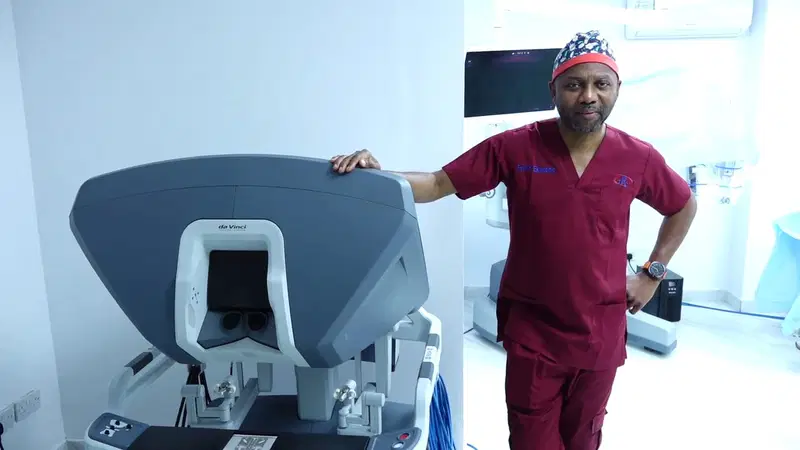
Robotic surgery, especially the Da Vinci robotic system, requires highly specialized training, significant financial investment, and technical infrastructure. For decades, these factors limited such innovations to Europe, Asia, and North America.
Professor Ekwueme changed this narrative.
Through collaborations with Nigerian medical institutions, international surgical teams, and government agencies, he played a central role in bringing robotic-assisted surgery to Nigerian soil. His pioneering efforts are reflected in high-profile procedures and training workshops conducted in Lagos and other major medical centers.
Professor Ekwueme helped perform and supervise some of the first successful robotic-assisted surgeries in Nigeria, including Robotic radical prostatectomy, Robotic-assisted kidney procedures, Minimally invasive urological reconstructions.
These procedures showcased that advanced technologies once thought impossible in Nigeria could be safely and efficiently performed by Nigerian specialists.
Professor Ekwueme’s clinical excellence spans multiple areas of urological surgery. His key areas of practice include Prostate cancer diagnosis and treatment, Robotic radical prostatectomy, Endourology (kidney stones, ureteric diseases) and Minimally invasive surgery (laparoscopy and robotics).
His work has significantly raised the standard of prostate cancer treatment in Nigeria by providing safer, less invasive options with reduced recovery times and fewer complications.
Impact on Medical Education and Training
One of Professor Ekwueme’s most enduring contributions is his commitment to capacity building. He has organized training workshops for Nigerian surgeons, robotic simulation labs and practical demonstrations, collaborative programs between Nigerian and UK medical institutions, mentorship schemes for young urologists. His mission extends beyond performing surgeries, he aims to build a sustainable pipeline of Nigerian robotic surgeons, ensuring long-term growth of the field.
In conferences and academic forums, he frequently emphasizes the need to modernize Nigeria’s surgical infrastructure, improve funding, and encourage local mastery of new technologies.
Expanding Access to Advanced Healthcare
Professor Ekwueme’s work also highlights the importance of equitable access to modern medical care. By advocating for the installation of robotic systems in Nigerian tertiary hospitals, he envisions a healthcare environment where Nigerian patients no longer need to travel abroad for complex procedures.
His efforts align with global goals of reducing medical tourism, improving local expertise, and enabling African nations to embrace the latest medical innovations.
Internationally, Professor Ekwueme is recognized for his contributions to robotic surgery and urology. He has published in peer-reviewed journals, presented research at international conferences, and collaborated with top medical institutions in Europe.
His dual reputation as a surgeon and academic reinforces his position as a leader in advancing healthcare technology for Africa.
Despite significant achievements, Professor Ekwueme openly acknowledges the obstacles facing robotic surgery in Nigeria, including high cost of equipment procurement, limited maintenance capacity,inadequate technological infrastructure, inconsistent funding for specialized medical programs.
He advocates a phased, sustainable strategy that includes training, infrastructure investment, and government involvement to ensure that robotic surgery becomes fully integrated into Nigeria’s medical system.
Legacy and Future Prospects
Professor Kingsley Ekwueme’s pioneering work has laid the foundation for a future in which robotics, artificial intelligence, and minimally invasive technology will become standard components of surgical care in Nigeria. His legacy is not only in the successful procedures he has performed but also in the knowledge, inspiration, and institutional transformation he continues to promote.
As more Nigerian hospitals adopt robotic platforms and more surgeons receive advanced training, his vision for a technologically empowered Nigerian healthcare system becomes increasingly attainable.
Professor Kingsley C. Ekwueme stands as one of the most transformative figures in contemporary Nigerian medicine. His pioneering role in robotic surgery has expanded the boundaries of what is medically possible within the country. Through innovation, teaching, and a commitment to excellence, he has not only advanced surgical practice but also laid the groundwork for lasting improvements in health outcomes for future generations.
His work demonstrates that with vision, expertise, and dedication, Nigeria can lead Africa and the world in cutting-edge medical innovation.
Sources and references
- Adebayo, A. (2021). Robotic surgery and the Nigerian health system: Prospects and challenges. Nigerian Journal of Clinical Medicine, 15(2), 45–53.
- Ekwueme, K. C. (2018). Advancements in robotic-assisted urological surgery. Journal of Urological Innovation, 7(1), 12–19.
- Ogunleye, T. & Lawson, A. (2020). Surgical modernization in Nigeria: Emerging technologies and clinical outcomes. West African Medical Review, 38(3), 201–214.
- Ugwumba, F. N., & Nnabugwu, I. (2019). Robotic prostatectomy and its emerging ro le in West Africa. African Urology Journal, 25(4), 98–105.
Cite this article
Discussion
Sign in to join the discussion
Comments are checked by an editor before they appear. Leave a source or a correction and it is read first.
Continue reading



No comments yet
Nothing has been approved on this record yet. Comments are checked by an editor before they appear, so one written now shows on this page after that check.