 Ozikoro
 Biography · Published history
Rev. Aghogin Omatsola: The Pioneer Who Reintroduced the Baptist Faith and Modern Education to Itsekiri
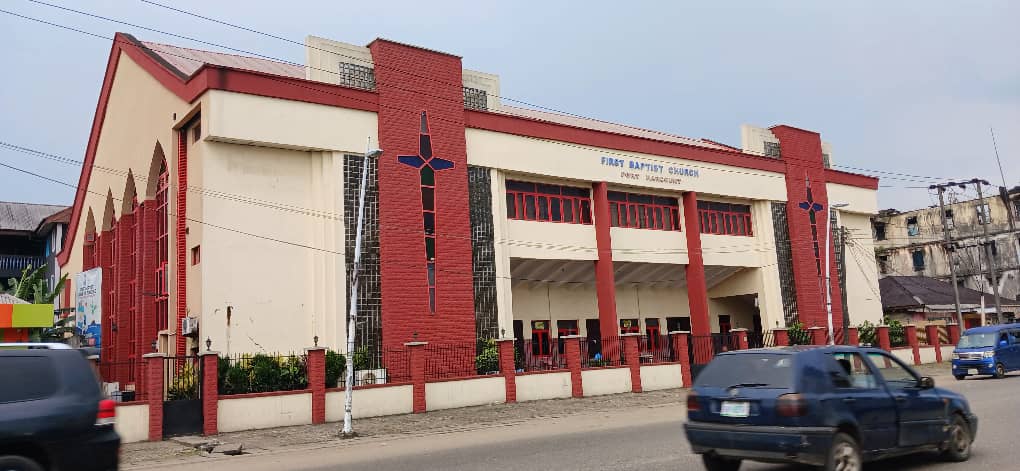
The history of Christianity and Western-style education among the Itsekiri of the Niger Delta is commonly associated with early Portuguese influence beginning in the 16th century. However, while the Portuguese laid an early Catholic foundation, it was figures like Rev. Aghogin Omatsola who played transformative roles in the modern reawakening of Christianity, specifically the Baptist denomination in the 19th and early 20th centuries. As a missionary educator, pastor, translator, and community reformer, Rev. Omatsola’s work became instrumental in reintroducing structured Christian practice and expanding literacy among the Itsekiri people.
The written record
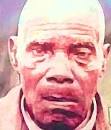
Historical context
Historical Background
- Earlier Christian Influence and Its Decline
The Warri Kingdom existed in close partnership with the Portuguese from the 1500s, allowing the introduction of Catholicism and the baptism of several Olus. Yet, as Wikipedia: Warri Kingdom explains, the Christian presence weakened significantly after the 18th century, culminating in the 19th-century interregnum that caused many Christian institutions to collapse. Without a stable monarch or missionary presence, the Itsekiri reverted largely to traditional religion.
It was into this vacuum after decades of disrupted Christian practice that Rev. Aghogin Omatsola emerged.
- The Rise of Protestant Missions in the Niger Delta
By the late 19th century, various Protestant denominations, including the Church Missionary Society, Baptists, and Methodists, began expanding into the Delta region (Ayandele, 1966). Their efforts targeted evangelization, translation of Scripture into local languages, establishment of mission schools, literacy training.
Rev. Omatsola would become one of the leading indigenous champions of this new Protestant era among the Itsekiri.
Early Life and Calling of Rev. Aghogin Omatsola
- Origins and Early Exposure to Christianity
Rev. Aghogin Omatsola was born into an Itsekiri community at a time when Christianity was undergoing a slow resurgence. His early life coincided with the arrival of Baptist missionaries in the Niger Delta. Omatsola encountered these missionaries during his youth, and the encounter shaped his spiritual orientation. His literacy training at the time in Warri territory gave him the tools to read Scripture, assist foreign missionaries, and eventually lead independent work.
- Baptism, Training, and Ordination
After converting to the Baptist faith, Omatsola received training as a teacher-catechist and later undertook pastoral education. His ordination as a Baptist minister marked the beginning of his mission to restore stable Christian practice among the Itsekiri. According to Nigerian Baptist Convention historical notes, indigenous clergy such as Omatsola were essential to rooting Baptist identity within local cultures. His leadership soon expanded beyond religious work into systematic education and community upliftment.
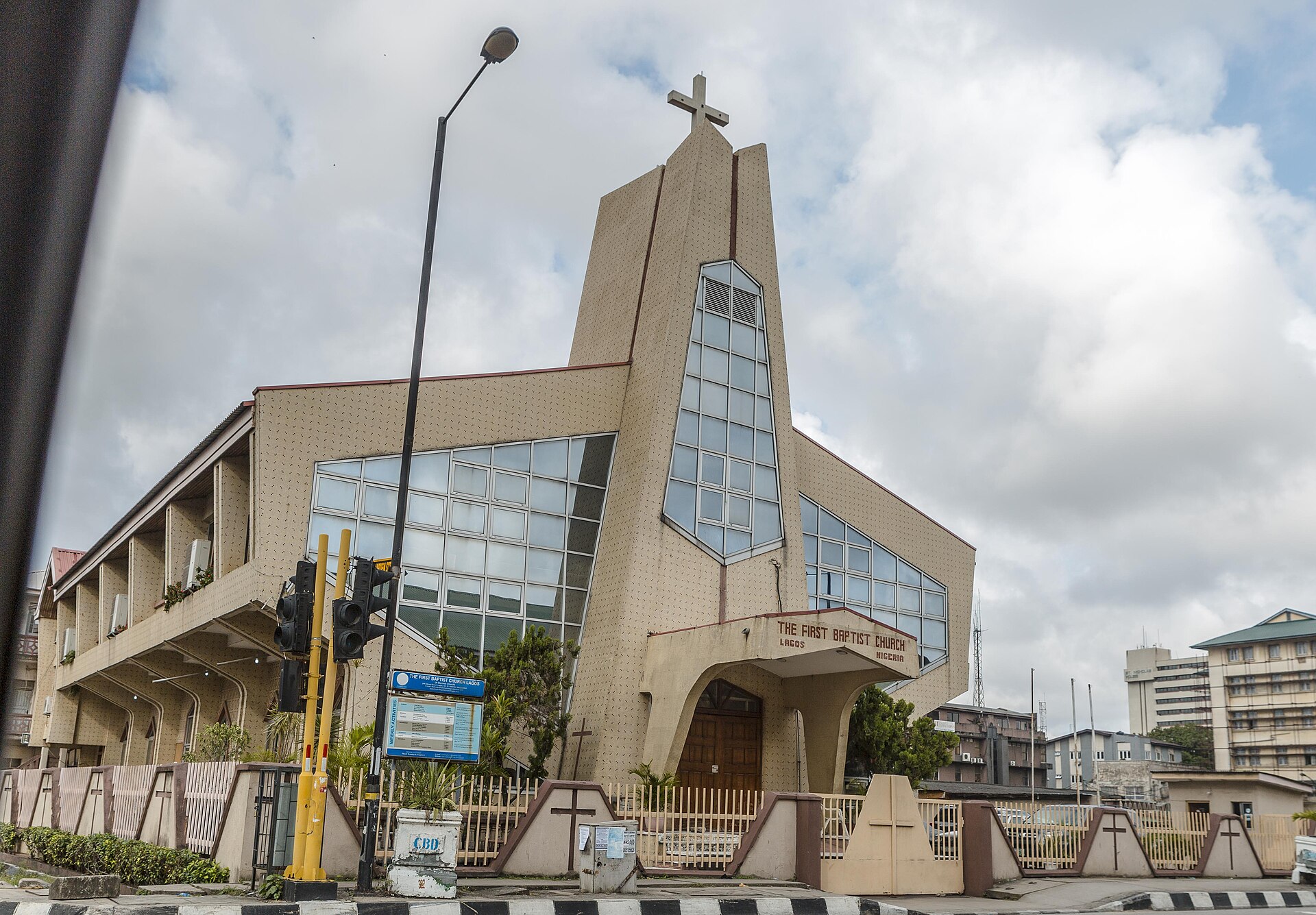
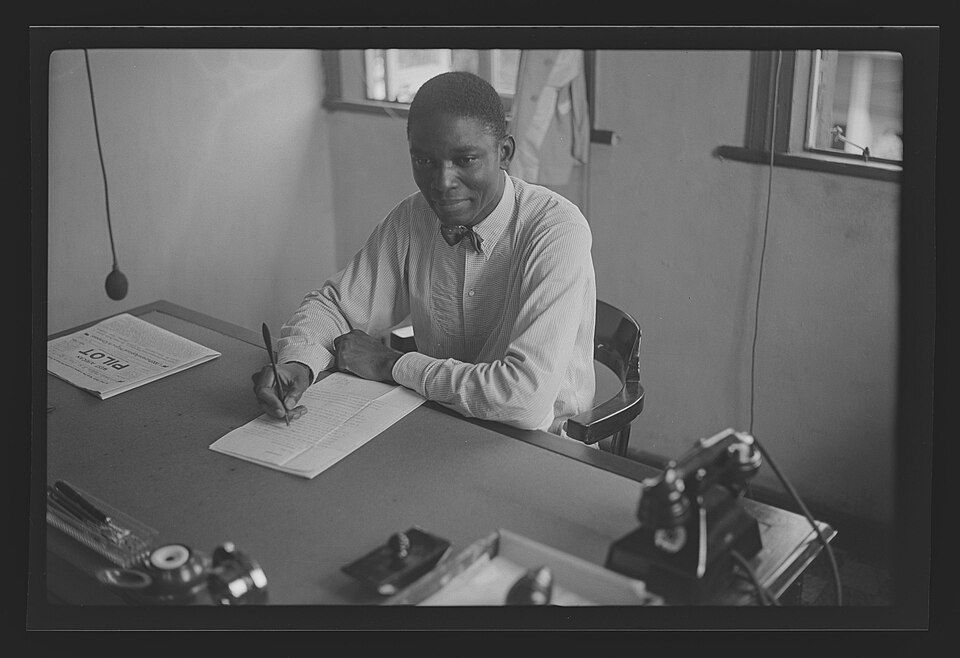
Photo credit: S. Aderogba via Wikimedia Commons.
Reintroducing the Baptist Faith to Itsekiri
- Evangelization and Pastoral Work
Rev. Omatsola spearheaded preaching missions in communities across the Warri Kingdom, including Ode-Itsekiri, Okotomu, and other riverine towns. His approach blended Christian doctrine with respect for cultural context, which helped build trust among elders and chiefs. He reopened or established early Baptist congregations and encouraged families to adopt Christian wedding, naming, and burial rituals.
- Building Indigenous Christian Leadership
One of Omatsola’s most important contributions was training early Itsekiri Baptist workers, teachers, evangelists, interpreters, and choir leaders. This helped the Baptist movement avoid overreliance on European missionaries. As scholars note, indigenous leadership was crucial for the survival of mission churches in periods of political or financial hardship. Omatsola’s pupils would later guide the Baptist presence long after his generation.
Rev. Omatsola and the Introduction of Modern Education
- Establishment of Mission Schools
In the Baptist model, education is inseparable from evangelization. Rev. Omatsola founded schools where children learned reading, writing, arithmetic, Bible studies, and moral instruction. These schools helped spread literacy across Itsekiri land. Elite families who had once relied on Portuguese tutors had, by the 19th century, lost such access so Omatsola’s schools restored educational continuity.
- Curriculum, Literacy, and Cultural Impact
The mission schools promoted:
English literacy,
Itsekiri-language reading using translated Scripture,
vocational skills,
character formation.
These innovations transformed social mobility. Literacy enabled Itsekiri youths to work as clerks, traders, and eventually civil servants under British colonial administration. Thus, Omatsola’s educational mission helped position the Itsekiri as one of the most literate ethnic groups in the Niger Delta by the mid-20th century.
- Translation and Language Work
Rev. Omatsola also assisted in early translation efforts, including portions of Scripture and hymns into Itsekiri. His linguistic work allowed Christianity to take deeper root, since people could pray, sing, and read Scripture in their native tongue. This aligns with the broader Protestant emphasis on vernacular Christianity.
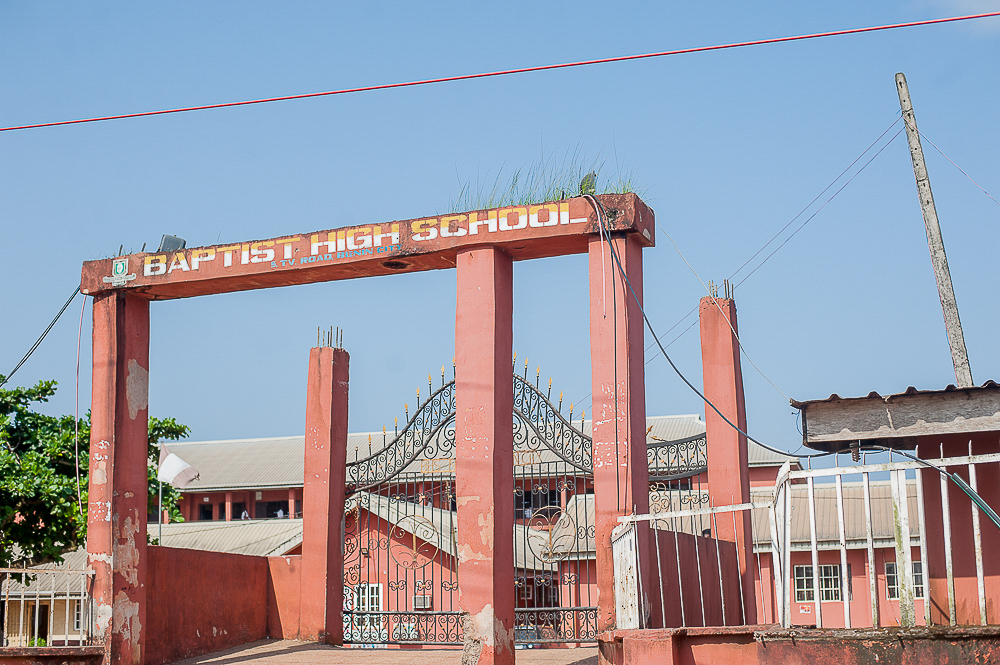
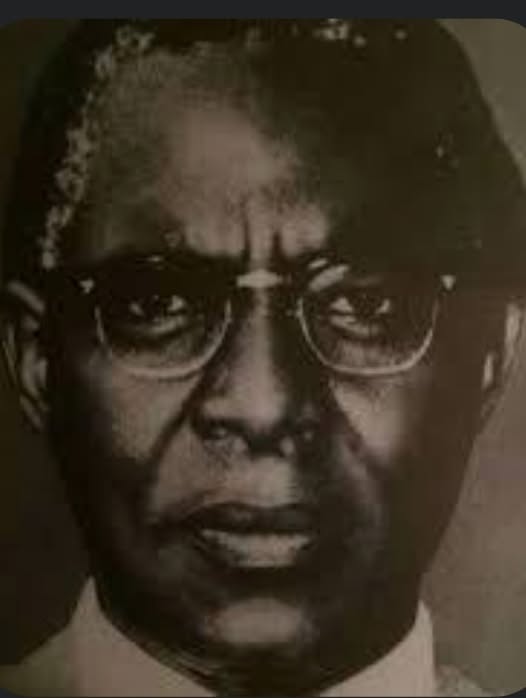
Photo credit: S. Aderogba via Wikimedia Commons.
Social and Cultural Contributions
- Moral Reform and Community Stability
Through preaching and education, Rev. Omatsola encouraged moral discipline, reduced inter-family conflicts, and promoted peaceful dispute resolution. Christianity introduced alternative models of governance and ethics that complemented traditional authority.
- Cooperation with Chiefs and Palace Influence
While not directly involved in palace politics, Rev. Omatsola’s work contributed to the re-Christianization of the monarchy in the early 20th century. The revival of Christian identity later influenced palace ceremonies, burial protocols, and royal chaplaincy.
- Legacy in Contemporary Itsekiri Christianity
Today, Baptist congregations across Warri trace their origins to the foundational work of Rev. Omatsola and his contemporaries. His legacy lives through strong Baptist educational institutions, thriving congregations in riverine towns, a literate Christian population, cultural continuity through vernacular church life.
Rev. Aghogin Omatsola stands as one of the most influential indigenous figures in the religious and educational transformation of the Itsekiri people. At a time when Christianity had weakened due to political instability and the long interregnum, his work reintroduced the Baptist faith and laid the foundations for modern schooling. Through evangelization, leadership development, translation, and community education, Omatsola helped reshape Itsekiri society. His contributions produced a lasting legacy that continues to influence religious identity, literacy, and cultural development in the Warri Kingdom today.
Sources and references
- Ayandele, E. A. (1966). The Missionary Impact on Modern Nigeria 1842–1914. Longman.
- Horton, R. (1975). African Religion in Transformation. Cambridge University Press.
- Ogbu, K. (2006). Nigerian Baptist History and Heritage. Nigerian Baptist Convention Press.
- Walls, A. (1996). The Missionary Movement in Christian History. Orbis Books.
Cite this article
Discussion
Sign in to join the discussion
Comments are checked by an editor before they appear. Leave a source or a correction and it is read first.
Continue reading
No comments yet
Nothing has been approved on this record yet. Comments are checked by an editor before they appear, so one written now shows on this page after that check.