 Ozikoro
 Ethnohistory · Published history
Reviving Igbo Folktales: A Pathway to Youth Empowerment and Cultural Preservation
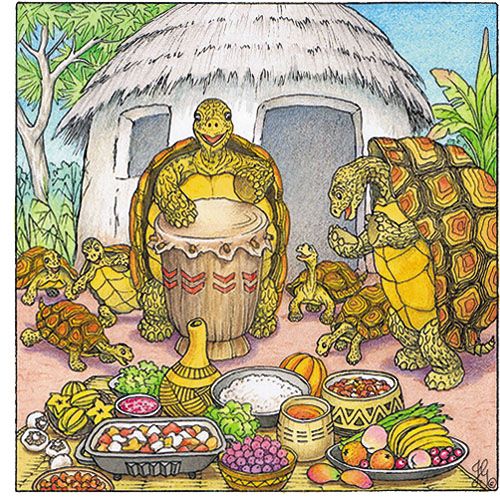
In the olden days of Igbo land, storytelling was not just a play; it was a way of raising children’s awareness, encouraging good behaviour, and helping them understand life. Igbo folktales are about good lessons and bad things that do not pay. But as life has begun to change and foreign ways have come, our Igbo stories are forgotten. That is why it is good for us to bring them back immediately.
The written record
Folklore plays an important role in the Igbo cultural sphere. It represents creation, life, and even life after. The Igbo people pass on their beliefs about how ancestors came to exist via long tales. While these tales focus mostly on characters that aren’t human, they represent many aspects of daily Igbo life. Like American fables, Igbo folktales are crucial teaching tools for the young. The stories are spread via youth, encouraging good behavior.
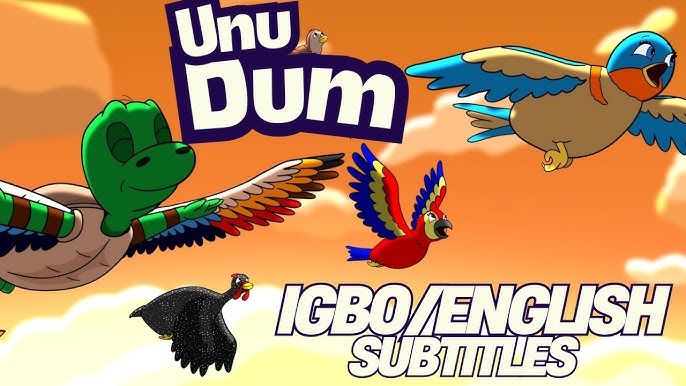
Mmuta Di Uto
Historical context
In almost all Igbo folktales, the main lesson is that if you do evil, you receive punishment. The people who tell these stories use them to teach children how to behave well in society. The stories could be simple, but the lesson inside them is deep. If someone shows wickedness, the story shows how they suffered for it. It is like a warning to make people live well.
The way they tell these stories is interesting. In 2007, they used songs with a chorus that everyone would join in singing. The songs show when something serious is about to happen in the story, and sometimes they warn the characters. Birds and other animals that talk in the story would sing those songs, which is a vision of the future. Other styles used are a sound that is sweet to the ear (idiophones), drama, and body movement (mime), plus how they can use the story to match what is happening in the area.
In the past, story time would happen at night, after everyone had finished their work. Children would gather with their brothers and sisters in the compound, in papa obi or mama hut, and an elder would begin to tell a story. The atmosphere would be calm and cool. Children would listen, and sometimes, they would tell their own stories too. Children do hear folktales from when they were small until they are grown.
Before foreign schools arrived, folktales taught the children everything—history, culture, values, beliefs, and how to live with others. Folktales help shape Igbo children well. Stories help settle fights, teach morals, and make children sane.
Youths at that time did not just hear stories; they acted them out. They danced, sang, played drama, and did acrobatics. Their energy made it interesting. It helped them learn skills and confidence that are useful in life.
Some say folktales are for entertainment. But that is a lie. The stories help teach children how to think, behave, and determine what is good or bad.
Let us not allow the Igbo folktales to die. They are not only for old people. They are treasures that can help our children grow, know the culture, and live a good life.
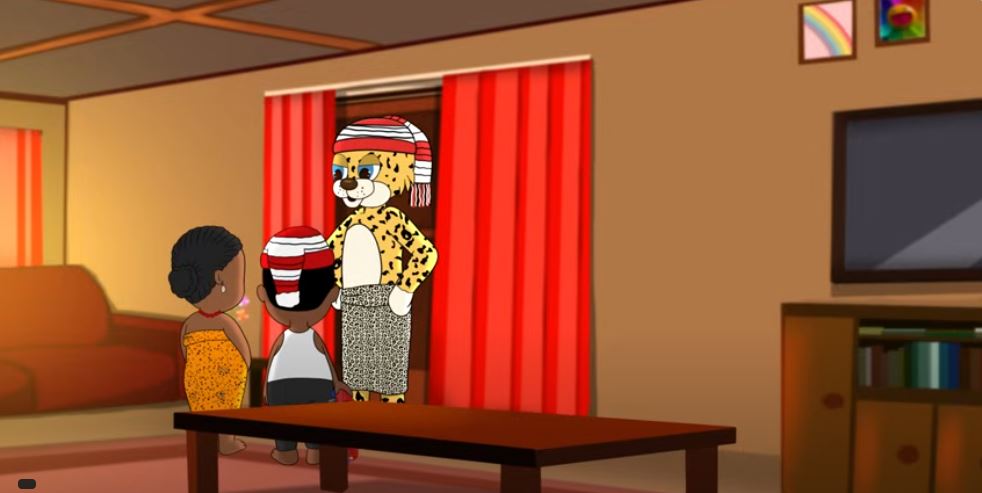
Features and Uses of Igbo Folktales
In Igbo folktales, the theme is always, ” Bad things do not end well.” The story is used to teach people not to do evil in society.
“Even though the story is simple, it always carries a great moral lesson. Bad people don’t escape the punishment. It is a warning to everybody, behave well or you will suffer the same punishment.”
Many Igbo scholars, such as Uba-Mgbemena, Ebeogu, Nwaozuzu, Ikeokwu, Obi, Awugosi, Epuchie, Amaechi, Onuko, and Ezeuko, have also discussed how folktales help teach discipline, pass wisdom, and keep our language alive.
Style and Sweetness of the Stories
One major style that folktales use is songs. These songs come at big points in the story, maybe when something serious is about to happen. The songs carry messages, sometimes prophecy, sometimes advice.
Some birds or animals would sing these songs to warn or guide characters. Apart from that, the stories are full of
• Idiophones (words that sound like action, description )
• Sound that is pleasing to the ear (phonoaesthetic)
• Mime (acting with body)
• Personalisation (making animals act like humans)
• How the story corresponds with the environment
Sources and references
- Igbo Folktales and the Development of Igbo Youths: The Need for Revitalization Mercy Nnyigide Nkoli & Adaobi Ngozi Okoye
- Igbo Folktales :uiulosangeles/org
Cite this article
Discussion
Sign in to join the discussion
Comments are checked by an editor before they appear. Leave a source or a correction and it is read first.
Continue reading
Related histories
 EthnohistoryGbam, Chai, Ewo: How Igbo Expressions Became the Language of Nigerian Pop CultureRead history →
 EthnohistoryAro Merchant Network: Historical Trade Integration in the Cross-Niger RegionRead history →
 EthnohistoryTransition to Commodities in the aro confederacy(e.g., Palm Oil, Ivory, Cloth)Read history →
No comments yet
Nothing has been approved on this record yet. Comments are checked by an editor before they appear, so one written now shows on this page after that check.