 Ozikoro
 Cultural Heritage · Published history
The Abiriba People of Abia State: History, Culture, and Their Impact on Nigerian Society
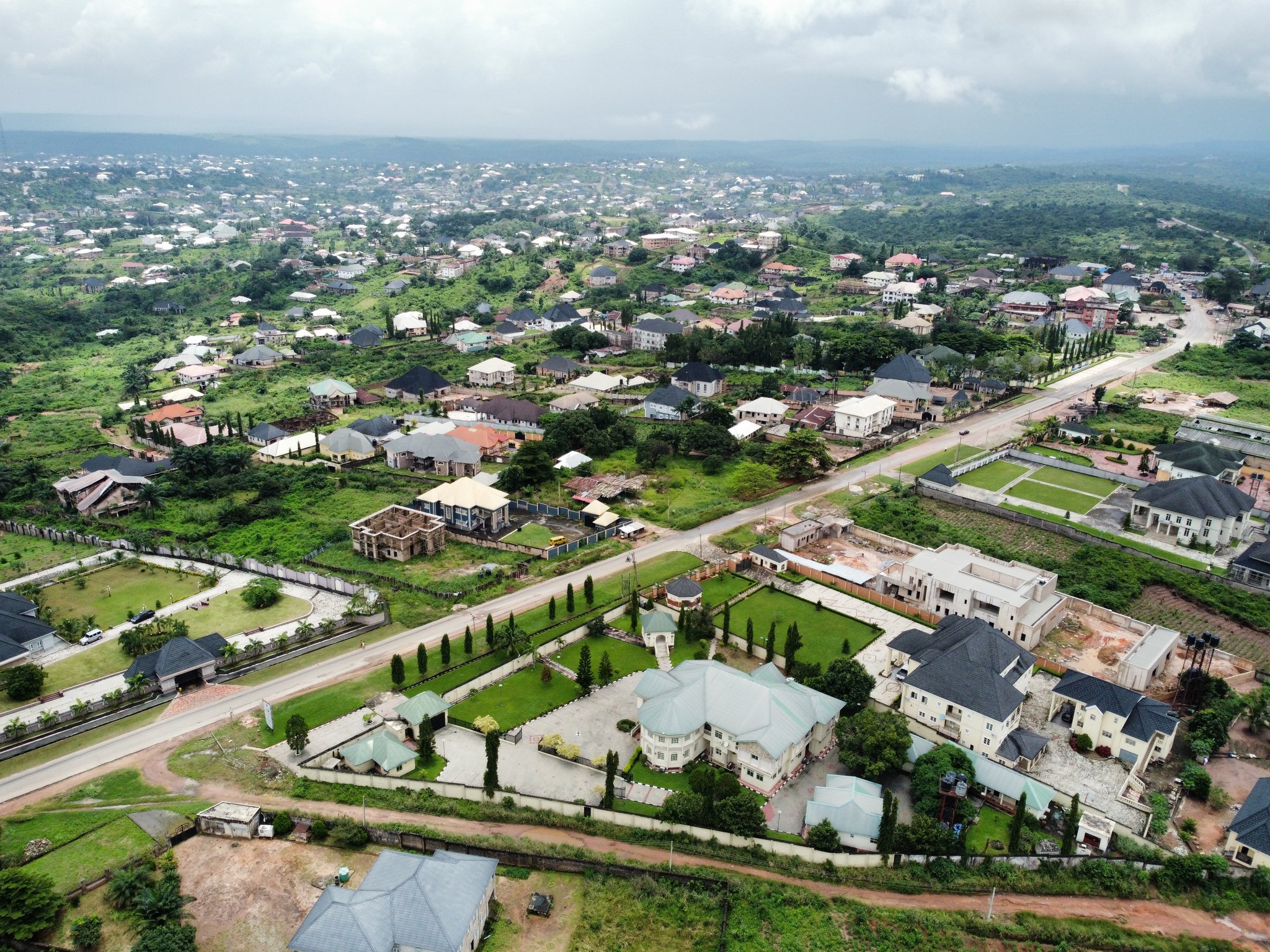
The Abiriba people are a special and vibrant group that resides in Abia State of southeastern Nigeria. They know their culture very well. They are very sharp in business. And they have an important history. This essay will discuss their history, culture, social structure, economy, and their contributions to Nigeria.
The written record
Historical Background
Abiriba people are part of the Igbo people in southeastern Nigeria. Their origin came from a migration that occurred in Cross River State, and they share common ancestors with the Arochukwu people.
The story said it was a fight between family groups led by a man called Ukpaghori, who made them move. So why walk? They passed through places like Ena, Akpa, and Usukpam before finally settling in their current location in the Ohofia Local Government Area of Abia State. The name “Abiriba” came from their old settlement. And people do call them the Ancient Enuda Kingdom, meaning that they have had a serious leadership system for a long time.
The Abiriba people became better traders and hard-working people, and their name now spread across Abia State. The Abiriba community has three main villages: Ameke, Amogudu, and Agboji. These are the three villages that formed the main body of Abiriba society.
Historical context
Cultural Heritage
In the past, age grades were used for tasks such as protecting the community, enforcing laws, and assisting with community work. Each age grade has its responsibilities, such as completing projects or organizing festivals. It is the age grade that keeps unity strong among them. Abiriba people respect culture very well. They show it through festivals, music, dance, and their interactions with each other. One important cultural practice is their age-grade system, which divides men and women into groups based on age.
In the past, age grades were used for tasks such as protecting the community, enforcing laws, and assisting with community work. Each age grade has its responsibilities, such as completing projects or organizing festivals. This age grade keeps unity strong among them.
Another special thing in Abiriba culture is the way they share their property. Both mother’s side (Ikwu-nne) and father’s side (Ikwu-nna) are involved. Unlike many places in Igbo land where women do not inherit properties, Abiriba allows both men and women to own property, showing better equality.
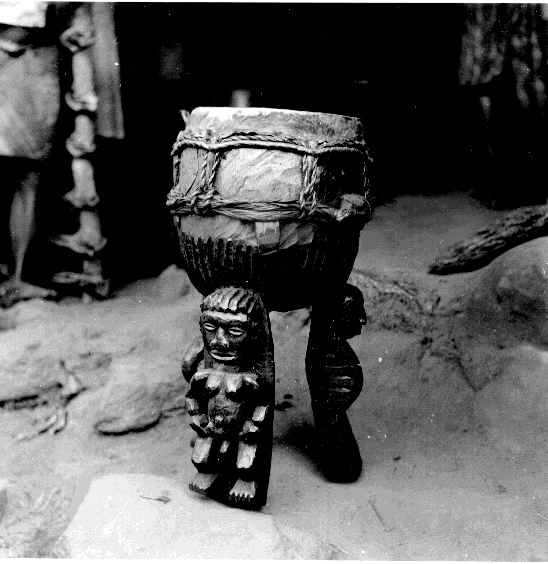
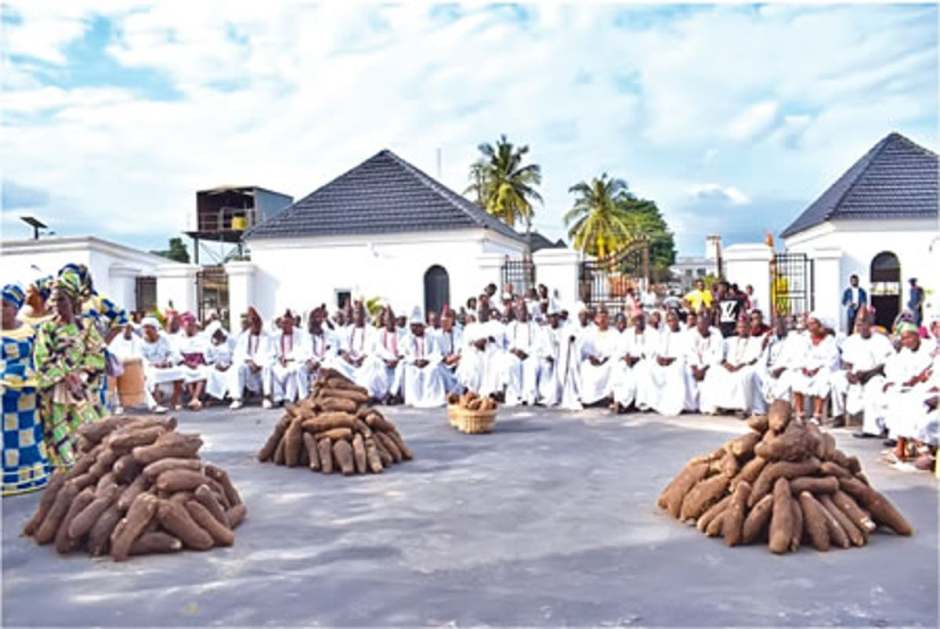
Their festivals are very interesting. Ekpe festivals, which feature masquerades and traditional dances, are one of their biggest celebrations. Another important tradition is the Ime Uche ceremony. They honour men and women who have reached the age of 65 and have retired from active service. For marriages, one tradition that stands out is when the bride draws lines on her husband’s hands. Each line means how many children they would have. It shows that family is a very big thing for Abiriba people.
Social and Political Structure
Abiriba people run a monarchy system of government with a king called Enachioken. The king comes from a royal family and is both a spiritual and political leader. Elders and village heads do support the king so that everybody’s voice would be heard.
The age-grade system still helps with leadership work. As one grows, their age grade gets more responsibilities. In modern times, they created the Abiriba Communal Improvement Union (A.C.I.U.) ACIU’s group does projects like building roads, schools, and hospitals. It has helped modernize Abiriba without them losing their culture.
Economy and Entrepreneurship, Abiriba people know business very well. They have a sharp mind for trade and crafts since ancient times. Because they are near Aba, the big market town, many Abiriba people do business in the Ariaria International Market. They sell clothes, leather goods, and a variety of other items. The Abiriba people do push themselves to make a lot of money and build fine houses.
They are proud to do better than their fathers. Big personalities like Orji Uzo Kalu, former governor of Abia State, and Uchechukwu Sampson Ogah, a businessman and politician, come from Abiriba.
Apart from businesses, they also engage in farming, planting yams, cassava, and palm oil. But they had also entered sectors such as real estate, manufacturing, and politics.
Religion and Modern Influences.
Most Abiriba people are Christians. There are many different churches, like Catholic, Pentecostal, and First Century Gospel Church. Churches do help with school, health, and charity work.
Even with the strong Christian influence there, the Abiriba people still held some of their traditional beliefs, such as the Ekpe Festival and age-grade traditions.
They knew how to combine old and new life.
Modern times have changed some old ways. For example, those old widowhood practices that women were punished for have changed. And Abiriba women are now married outside their ethnic group. Something that has never happened before.
Contributions to Abia State and Nigeria
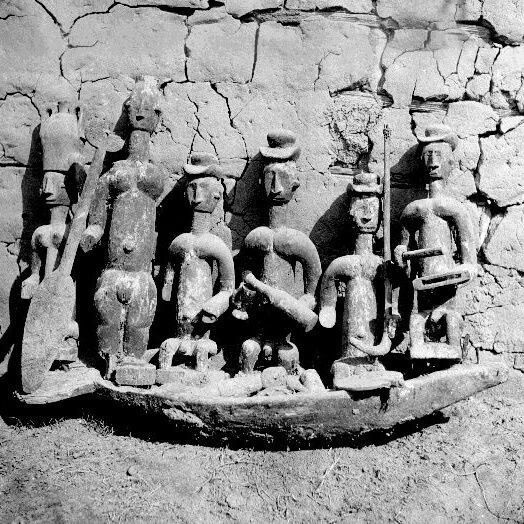
The Abiriba people have made significant contributions to Abia State and Nigeria. Their business sense had helped develop the economy in southeastern Nigeria.
They valued education very well. Abiriba students do well in national exams, and the community is helped by those who give scholarships and build schools.
Abiriba people in Abia State are a strong and proud community. Their history, culture, and business sense make them stand out in Igbo land.
Even with the challenges they faced, the Abiriba people held on to their culture while embracing modern life.
Their impacts in trade, education, and community development can never be denied. As they continued to work for Modern World, the Abiriba people demonstrated that unity, hard work, and pride in their culture could make anyone shine.
Sources and references
- Afigbo, A.E. (1972). The Warrant Chiefs: Indirect Rule in Southeastern Nigeria 1891–1929. Longman.
- Isichei, Elizabeth (1976). A History of the Igbo People. Macmillan Press.
- Ukaegbu, C.C. (2005). The Abiriba Spirit: Age Grades, Economic Development, and Socio-Cultural Transformation.
- Oriji, John N. (1994). Tradition and Transformation: Studies on African Political and Economic History.
- Kalu, Kalu Ndukwe (2001). State Power, Autarchy, and Political Conquest in Nigerian Federalism.
- Ottenberg, Simon (1958). Igbo Religion, Social Life, and Other Essays.
- Oral traditions and field interviews with Abiriba community elders.
- Photo Reference: Nigeria True Colour Blog (nigeriatruecolourblog)
Cite this article
Discussion
Sign in to join the discussion
Comments are checked by an editor before they appear. Leave a source or a correction and it is read first.
Continue reading
Related histories
 Cultural HeritageEleven Days of Nwafor Ogidi: Inside the Festival Keeping an Old Igbo Tradition AliveRead history →
 Cultural HeritageIli Ji Nkpor Obododike: The Indigenous Agricultural Ritual CycleRead history →
 Cultural HeritageMusic and Drum Traditions: Tracing the “Igbo Drum” in the AmericasRead history →
No comments yet
Nothing has been approved on this record yet. Comments are checked by an editor before they appear, so one written now shows on this page after that check.