 Ozikoro
 Cultural Heritage · Published history
The Afa System in Nri: Philosophy, Power, and Social Knowledge in Igbo Civilisation
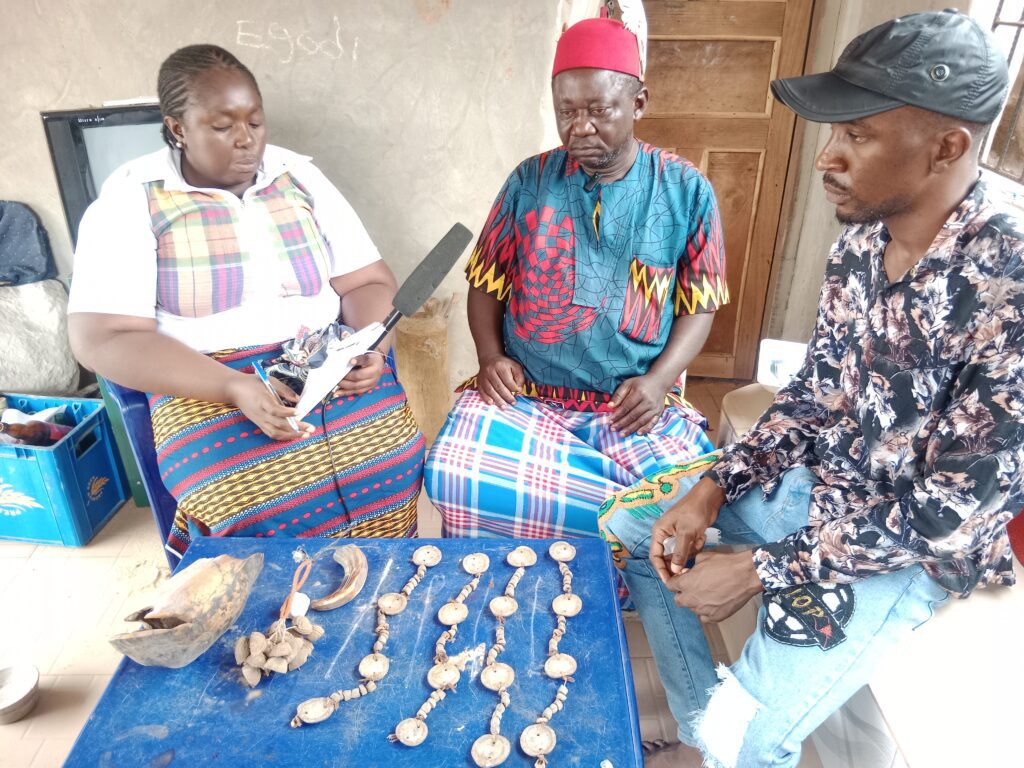
The Afa system in Nri is not just about divinity but also an Igbo philosophy of knowledge, power, and social organisation. It is rooted in the metaphysical and political thought of the ancient Nri kingdom and is also the language used to communicate with the spirits.
To understand the significance of afa in Nri culture, you must understand a society where religious rituals, political hegemony, metaphysical reasoning and social discipline are unified. Dibia afa were the practitioners of afa, and they were not just diviners, but also healers, intellectual custodians, interpreters of dreams, and agents of communal ethics.
The written record
Drawing mostly on Professor Angulu Onwuejeogwu’s knowledge of ethnographic and historical analyses, this article explains the symbolic, political, and cosmological meanings embedded in the afa system, especially that of Nri, showing how it functioned as a means of divination, a political instrument, and a theory of knowledge in Igbo society.
Afa is an Indigenous Igbo philosophy of knowledge. It is grounded in the principle of knowing, which has two temporal elements: the past and the present. The unknown refers to the future and hidden dimensions of the spiritual realm. Dibia afa, in this sense, functions as a supernatural mediator, using ancestral wisdom, ritual knowledge, and logic to reveal hidden truths.
“Afa is a system of connotation and ideational content, by which judgement of the unknown is derived from the known.” ~Onwuejeogwu
As Onwuejeogwu explains:
“Afa is a system of connotation and ideational content, by which judgement of the unknown is derived from the known.”
This epistemological principle undergirds the entire Nri cosmology. The afa practitioner, especially the dibịa afa, interprets omens, deciphers causes of misfortune, determines the efficacy of rituals, and charts courses of action for both individuals and communities. The unknown — be it a hidden transgression, a spiritual curse, or a future outcome — is systematically translated into the known through ritual interpretation.
The afa practitioner, particularly that of dibịa afa, serves as an interpreter of omens, a decoder of misfortune’s origins, and an arbiter of ritual efficacy, guiding both individuals and communities in their decisions. Through ritual interpretation, the unknown—whether concealed wrongdoing, a spiritual affliction, or an uncertain future, is methodically rendered knowable.
Historical context
Dibịa Afa: Philosophers, Healers, Historians
In Nri society, the dibịa afa was not simply a diviner or herbalist. He was a custodian of knowledge, a ritual philosopher, a historian, and a sociopolitical counsellor. Onwuejeogwu identifies the dibịa class as one of the ritual-political groupings (otobo) within Nri hegemony. Each dibịa had specific specialisations: dibịa afa (diviners), dibịa ogwu (healers and charm-makers), and dibịa mmuo (spirit communicators).
These men (and occasionally women) were often apprenticed from childhood, undergoing over fifteen years of intense ritual training, memorising proverbs, learning oral history, and studying cosmological codes. Their knowledge was so refined that they could interpret not only ritual signs, but also human behaviour, state history, and collective memory.
The dibịa afa had the power to:
- Diagnose spiritual and physical ailments
- Predict future events
- Determine causes of societal imbalance (e.g., famines, disease, war)
- Perform purification rituals and taboos
- Serve as moral and spiritual judges
- Shape public opinion through metaphysical counsel
The system was both symbolic and empirical — combining structured ritual performance with historical knowledge and personal wisdom.
Here’s a more detailed explanation:
1: Divination:
Igba Afa is a method of seeking knowledge of the unknown through communication with spiritual forces.
2: Igbo spirituality:
It’s deeply rooted in igbo cosmology and spirituality, where it’s believed that Afa can reveal hidden truths and offer solutions to life’s challenges.
3: Seeking Guidance:
Individuals consults Afa to understand their past, present, and future, as well as to gain insights into their spiritual path.
How it works:
- Consultation with a Diviner:
Igba Afa is typically performed by a diviner (Dibia Afa or Ezenwanyi Afa) who is trained in interpreting the messages conveyed through the divination process.
- Use of Symbolic Object:
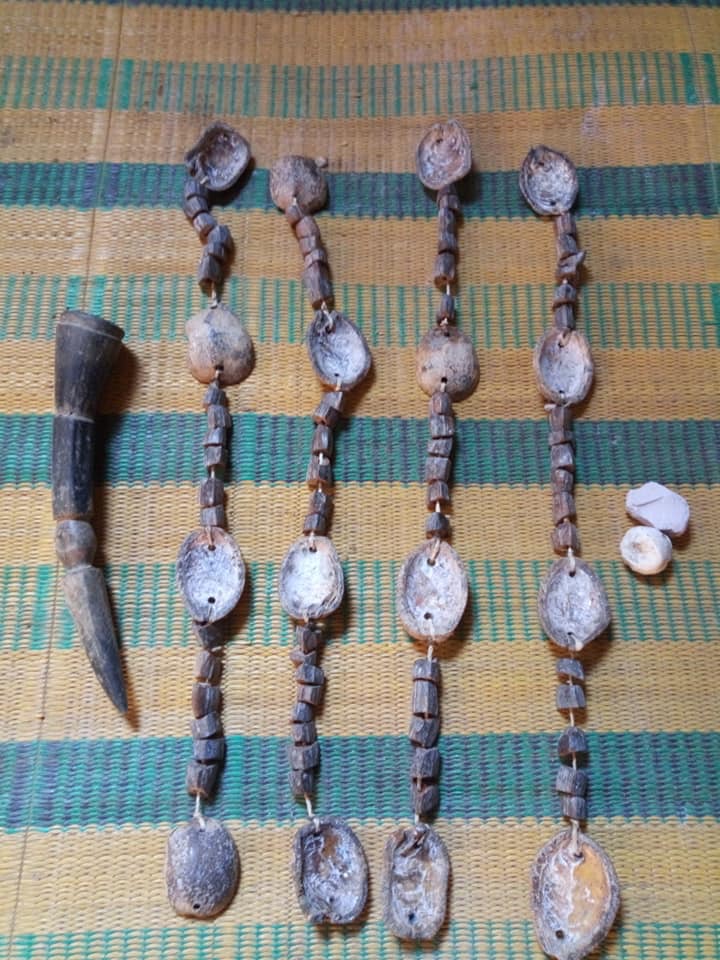
Diviners may use various object like kola nuts, cowrie shells, seeds, or other symbolic items to facilitate the divination process.
- Connection with the Spiritual Realm:
The diviner acts as a mediator, connecting with the individual’s CHI (personal spirit), ancestral forces, and other spiritual entities to receive guidance.
Purpose of Igba Afa:
Igba Afa is a way for individuals to understand the root causes of their challenges, identity potential obstacles, and receive guidance on how to navigate life’s situations.
- significance:
Igba Afa is deeply rooted in igbo culture and spirituality, emphasizing the interconnectedness of the physical and spiritual worlds.
- Beyond Problem Solving:
Igba Afa is not just about solving problem; It’s also about gaining a deeper understanding of oneself, one’s destiny, and one’s place in the comic order.
Key aspects of Igba Afa:
Preparation: It’s recommended to prepare by quieting the mind, focusing on intentions, and communicating with one’s Chi (guiding spirit) before a consultation.
Tools: Nzu, Oji, Ekpiri, Ofo, Ogene, and hot drinks are often used in the process. In essence, Igba Afa is a spiritual technology that enables individuals to access knowledge about themselves, their destiny, and the unseen forces influencing their lives.
Importance of Igba Afa:
- Problem Solving:
Igba Afa is often sought to understand the root causes of problem and identify potential solutions.
- Destiny and Purpose:
It can help individuals understand their destiny, life purpose, and spiritual path.
- Spiritual Growth:
The practice is also seen as a way to connect with one’s spiritual self and foster personal growth.
- Decision Making:
By providing clarity and insight, Igba Afa can assist individuals in making informed decisions about varrious aspects ofd their lives.
- Connection with Spiritual Forces:
It’s facilitates communication with one’s Chi, ancestral spirits, and other spiritual entities, fostering a stronger connection with the spiritual realm.
- Spiritual Alignment:
The process of preparing for Afa divination, such as quiet reflection and meditation, can help individuals align their energies and intentions with their spiritual guides.
Igba Afa is primarily practiced among the igbo people in Nigeria. This includes states in the South East and South South religions where the igbo ethnic group resides, such as Anambra, Abia, Enugu, Imo, Ebonyi, Rivers, Delta, and Cross River states. These states are where the igbo traditional belief system, Odinani, is most prevalent, and igba afa is an integral part of this system.
There are different types of afa in igbo land: This provides a detailed look at the at the sixteen strings of ‘elilie afa’ which are as follows: Aka, Akwu, Agali (Aghali), Atulukpa, Ete, Ijite (Ogwute), Obala, Oha (Ora), Okala (Okara), Ose, Obi (Ogbi), Odii, Ofu, Oghele/Ogeli/Ogholi, Otule, and Ululu.
Important Considerations:
- Proper Preparation:
It is crucial to be properly prepared for Afa divination to receive the most accurate and insightful messages.
- Respect for the practice:
Igba Afa is a sacred practice in Igbo culture, and it is important to approach it with respect and reverence.
- Choosing a Qualified Diviner:
It is essencial to consult with a reputable and knowledgeable Dibia Afa to ensure accurate interpretation and messages.
In conclusion, Onwuejeogwu’s work on Afa (divination) among igbo people significance as a system of social reality, passing information and action. In the context of Igbo belief, Afa is not merely a system of folk tales but a complex framework that build their aspect of how they view their world, their cognitive style, and social communication.
It’s a multifaceted system that integrate symbolic representation, social communication, and a means of understanding and analyzing the world, both physical and spiritual.
Sources and references
- Onwuejeogwu, Angulu. Afa Symbolism and Phenomenology in Nri Kingdom and Hegemony: An African Philosophy of Social Action . (1974, 1975, 1976)
Cite this article
Discussion
Sign in to join the discussion
Comments are checked by an editor before they appear. Leave a source or a correction and it is read first.
Continue reading
Related histories
 Cultural HeritageEleven Days of Nwafor Ogidi: Inside the Festival Keeping an Old Igbo Tradition AliveRead history →
 Cultural HeritageIli Ji Nkpor Obododike: The Indigenous Agricultural Ritual CycleRead history →
 Cultural HeritageMusic and Drum Traditions: Tracing the “Igbo Drum” in the AmericasRead history →
No comments yet
Nothing has been approved on this record yet. Comments are checked by an editor before they appear, so one written now shows on this page after that check.