 Ozikoro
Cultural Heritage · Published history
The Amanyanabo and the Council of Chiefs: Ijaw Traditional Governance
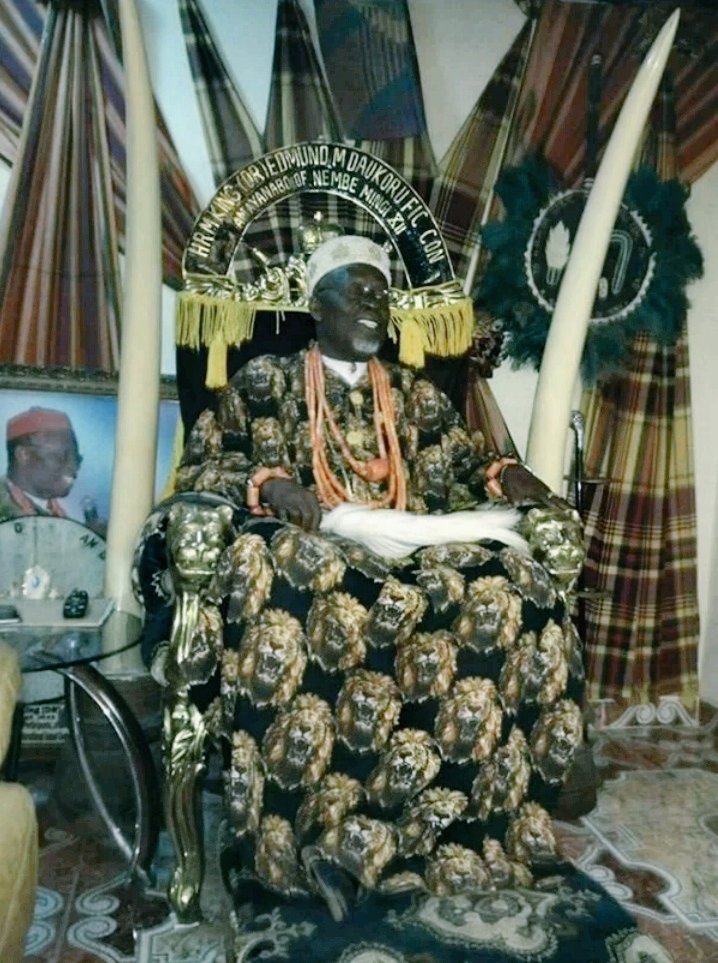
Traditional governance among the Ijaw people of the Niger Delta stands as one of the most sophisticated and enduring political systems in precolonial and contemporary Nigeria. The institution of the Amanyanabo, often translated as “owner of the land” or “king,” represents the apex of authority in many Ijaw city-states and communities. Yet, unlike the highly centralized monarchies found in parts of the Yoruba or Hausa regions, Ijaw governance is built on a balance of power, shared between the Amanyanabo and a network of titled chiefs, elders, priest-leaders, and influential community groups.
The written record
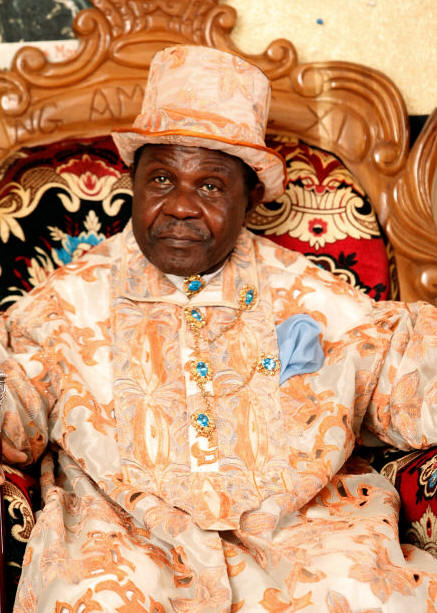
Photo credit: The news writer.
Historical context
Origins and Meaning of the Amanyanabo Institution
The term “Amanyanabo” comes from the Ijaw phrase amanga na bo, meaning “owner of the community” or “holder of the territory.” Historically, the office developed in prominent Ijaw polities such as Nembe (Brass), Bonny, Kalabari, Okrika, and Opobo, where maritime trade, warfare, and diplomacy required structured leadership.
The Amanyanabo traditionally served not only as a political leader but also as the symbolic embodiment of the community’s ancestors, land rights, and spiritual well-being. His installation was accompanied by rituals invoking the blessings of ancestral spirits (owei) and water deities who governed the creeks and rivers.
According to Alagoa, the authority of the Amanyanabo is derived from a combination of lineage legitimacy, ritual power, and the consent of influential chiefs and families.
Structure of Ijaw Traditional Governance
Ijaw political systems do not function as absolute monarchies. Instead, they reflect a dual authority model, where power is distributed among several institutions.
The Amanyanabo as the Ceremonial and Political Head The Amanyanabo serves as:
Head of state – representing the community in diplomatic relations.
Custodian of traditions – presiding over festivals, rites, and ancestral rituals.
Arbitrator – settling disputes brought before him.
Commander of communal defense – historically overseeing war canoe houses. His authority is symbolic yet influential, rooted in respect and custom rather than autocratic control.
The Council of Chiefs
The Council of Chiefs functions as the executive and legislative body of the community. Chiefs are often selected based on lineage seniority, wealth, achievement, or spiritual authority.
The council performs crucial roles:
Advising Amanyanabo.
Enforcing laws and customs.
Managing inter-family relations.
Regulating trade, fishing rights, and land tenure.
Representing the interests of houses (wari) or compounds. Dike describes the chiefs not as subordinates but as political partners who limit the king’s powers through group consensus.
War Canoe Houses: Backbone of Political Authority
One of the most distinctive features of Ijaw governance is the Wari (house) system, especially in Eastern Ijaw societies such as Bonny, Kalabari, and Okrika. These houses originated from extended families but evolved into political-economic units managing trade, defense, and justice.
Chiefs as House Leaders
Each war canoe house is headed by a Chief (Alabo), who:
Controls communal property.
Commands military forces (in precolonial times).
Maintains discipline among members.
Acts as a representative in the king’s court. The Amanyanabo functions as the first among equals, while chiefs serve as the operational link between the community and its subjects.
A major strength of the Ijaw political system is its internal checks and balances.
The Amanyanabo Is Not Above the Law
Although revered, the king can be questioned or even removed through established customs. If he violates tradition, chiefs can refuse to carry out his directives or call for accountability. This system ensures stability and protects the community from tyranny.
Priest-Leaders and the Spiritual Check
Priest-leaders (ogula, wari-owei) hold spiritual powers that historically limited political excesses. The king could not act contrary to the gods without risking spiritual sanctions.
Age Grades and Youth Associations
These groups enforce community discipline, manage public works, and sometimes act as pressure groups in political matters. Their independence ensures that governance remains participatory.
The traditional governance system of the Ijaw people stands as one of the most enduring and sophisticated political institutions in the Niger Delta. At its center is the Amanyanabo, the king or paramount ruler, supported by a structured Council of Chiefs drawn from influential lineages, war-canoe houses, and extended families. Together, the Amanyanabo and the Council of Chiefs shaped political, economic, judicial, and cultural life for centuries long before colonial rule and long after it. Their roles demonstrate a deeply communal political philosophy rooted in consensus, ancestral authority, and the lived realities of riverine society.
The Council of Chiefs in Daily Governance
The backbone of everyday administration in Ijaw communities is the Council of Chiefs. Far from being symbolic figures, the chiefs meet frequently to deliberate on matters of public interest. These meetings address community welfare, resource allocation, inter-family relations, and the organization of communal events. The council’s effectiveness stems from its representation of powerful families and houses, each with long-standing influence in local affairs. In this arrangement, authority is distributed, allowing decision-making to remain collective rather than centralized.
One of the council’s most important responsibilities is the resolution of disputes. Whether dealing with land boundaries, inheritance issues, marital conflicts, debts, or commercial disagreements, the chiefs adjudicate according to customary law. Their rulings draw from centuries of precedent and oral tradition, ensuring that justice is rooted in the values and expectations of the community. Enforcement relies on communal pressure, ritual sanctions, and the moral authority of the chiefs, making formal policing unnecessary in most historical contexts.
Economically, the chiefs played a decisive role, especially in coastal and island kingdoms such as Kalabari, Bonny, and Nembe. They administered fishing rights, regulated canoe routes, and oversaw access to markets and waterways. In the era of Atlantic trade, chiefs controlled commerce with European merchants, supervised toll collection, and directed the distribution of imported goods. Their decisions were considered binding but required the Amanyanabo’s ceremonial approval to legitimize them. This structure ensured that leadership remained accountable while still respecting the monarch’s symbolic authority.
During the height of external trade, the Council of Chiefs also acted as the diplomatic engine of the Ijaw states. Chiefs negotiated with British officials, merchant groups, missionaries, and neighboring ethnic communities. Their diplomatic competence was essential to safeguarding trade privileges, territorial claims, and political autonomy. In turbulent times such as inter-city-state rivalries or European encroachment, the skill of the chiefs often determined the survival and prosperity of their communities.
Colonial and Postcolonial Transformations
British colonialism introduced profound shifts to Ijaw governance, but the traditional system remained resilient. Through Indirect Rule, the British often imposed Warrant Chiefs, rearranged lineage hierarchies, and attempted to alter traditional succession patterns. These disruptions weakened some aspects of customary authority, yet the deep cultural roots of the Amanyanabo institution ensured its survival. In many areas, the traditional kingship adapted, maintaining its ritual and administrative importance even alongside colonial administrators.
In contemporary Nigeria, the Amanyanabo and his Council of Chiefs continue to function within a complex political environment. Although they no longer exercise sovereign authority, they remain key actors in community affairs. Today, their responsibilities include mediating conflicts, influencing political decisions, advocating for local development, settling communal tensions, and representing their people in state-level traditional councils. Their voice carries significant weight in Bayelsa, Rivers, and Delta States, especially on matters involving land, cultural heritage, and resource management.
However, beyond administrative duties, the Amanyanabo is deeply embedded in the ritual and cultural life of the Ijaw people. He presides over major festivals such as the New Yam celebrations, boat regattas, traditional dances, and masquerade ceremonies. He also oversees rites connected to ancestors, deities, and sacred objects. Through these responsibilities, the king becomes the living link between the spiritual world, the ancestors, and the present community. To the Ijaw, the Amanyanabo embodies unity in the creeks, ancestral continuity, and the defense of communal identity.
The institution of the Amanyanabo and the Council of Chiefs remains one of the most refined traditional governance systems in West Africa. Anchored in lineage authority, spiritual legitimacy, and communal consensus, it reflects the unique political and cultural landscape of the Niger Delta. Despite colonial disruptions and modern pressures, the system has endured—adapting without abandoning its core principles. As Nigeria confronts ongoing questions about decentralization, cultural preservation, and local governance, the Ijaw model provides powerful insights into leadership, accountability, and community-driven administration. It stands as both a historical legacy and a living institution that continues to guide and inspire the people of the Delta.
Sources and references
- Alagoa, E. J. (2005). A history of the Niger Delta: An historical interpretation of Ijo oral tradition. Port Harcourt: Onyoma Research Publications.
- Dike, K. O. (1956). Trade and politics in the Niger Delta, 1830–1885. Oxford University Press.
- Horton, R. (1969). “Stateless societies in the history of West Africa.” In J. F. Ade Ajayi & M. Crowder (Eds.), History of West Africa (pp. 78–98). Longman.
- Nabofa, M. (2010). Ijaw traditional institutions and governance. Yenagoa: Niger Delta Heritage Press.
Cite this article
Discussion
Sign in to join the discussion
Comments are checked by an editor before they appear. Leave a source or a correction and it is read first.
Continue reading
Related histories
 Cultural HeritageEleven Days of Nwafor Ogidi: Inside the Festival Keeping an Old Igbo Tradition AliveRead history →
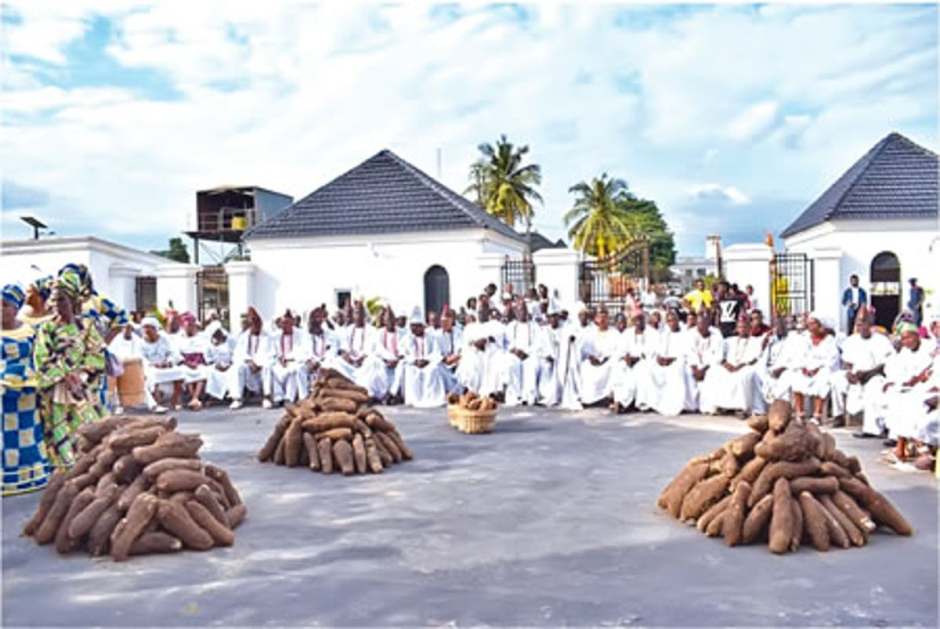 Cultural HeritageIli Ji Nkpor Obododike: The Indigenous Agricultural Ritual CycleRead history →
 Cultural HeritageMusic and Drum Traditions: Tracing the “Igbo Drum” in the AmericasRead history →
No comments yet
Nothing has been approved on this record yet. Comments are checked by an editor before they appear, so one written now shows on this page after that check.