 Ozikoro
Biography · Published history
The Anioma Sound: Music and Culture from Western Igboland
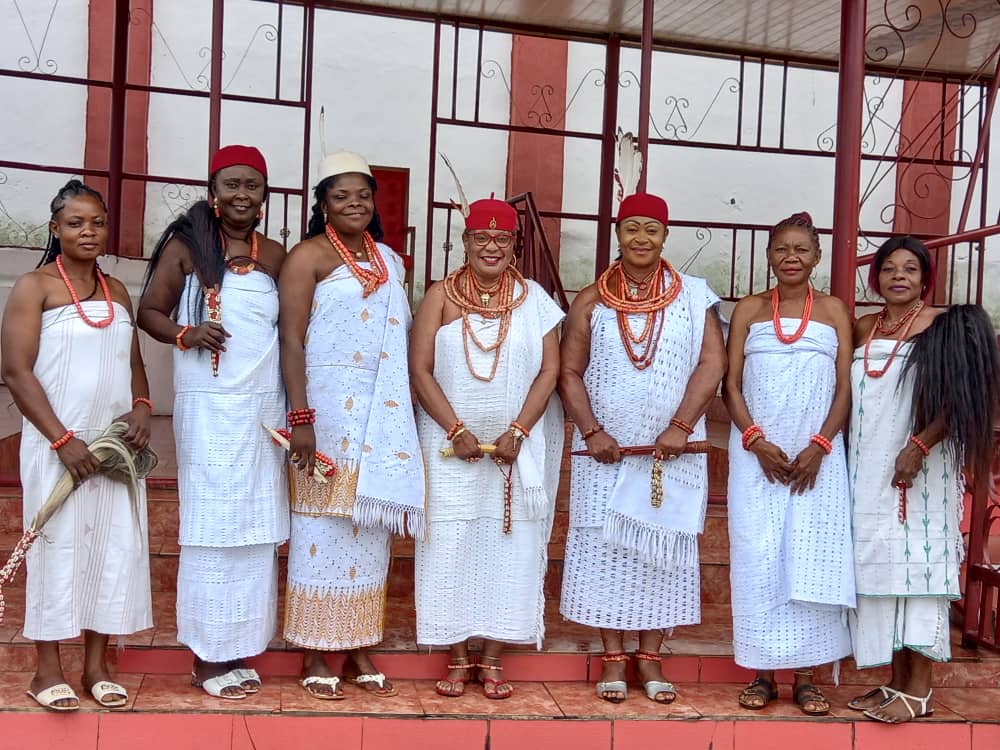
The Anioma region located in present-day Delta State represents the western fringe of the Igbo-speaking world. Although geographically closer to the Niger River, Anioma people share ancestry, language patterns, cultural values, and musical heritage with the larger Igbo nation. Their music often described as “The Anioma Sound” is a vibrant blend of Igbo rhythm, Delta melodic structures, storytelling, and riverine performance styles. This article takes an informal but accurate dive into what makes Anioma music unique.
The written record
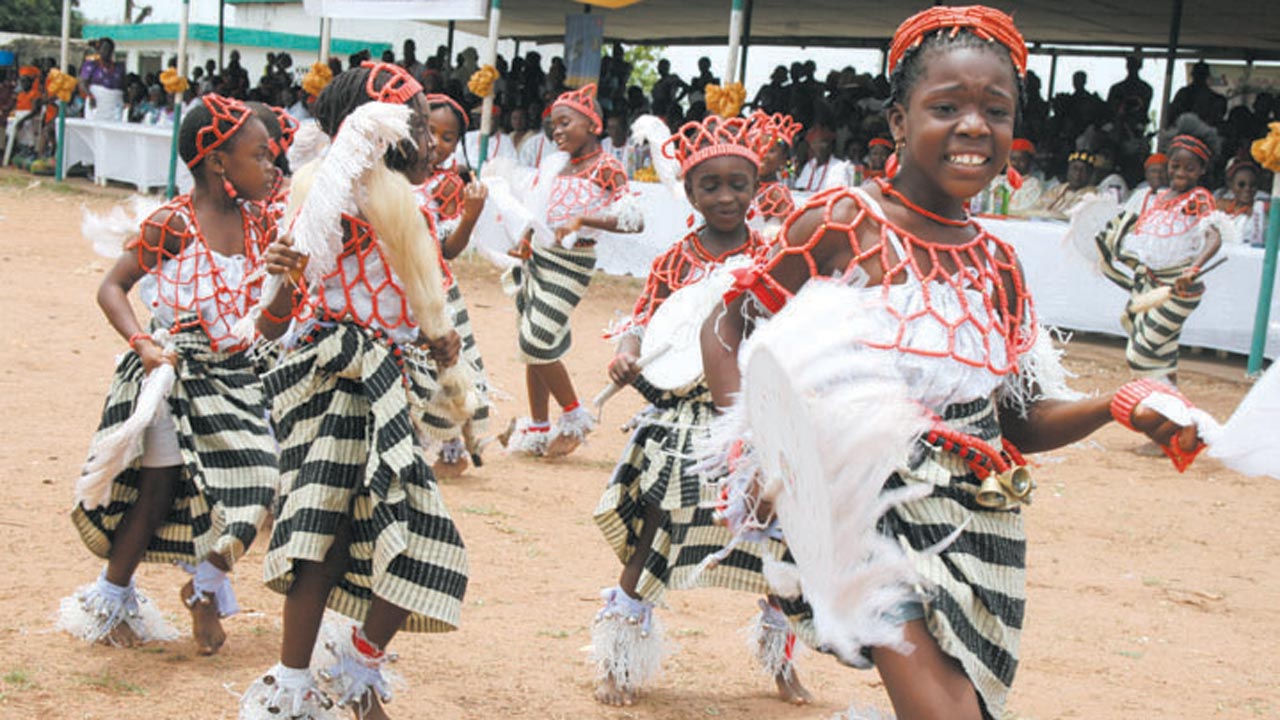
Credit: General Cultural Image / Delta State Cultural Promotion.
Historical context
Who Are the Anioma People?
“Anioma” is an acronym representing the major Igbo-speaking areas of Delta State: Aniocha, Ndokwa, Ika, Oshimili, and Aniocha South. The region has a long history of interaction with Benin, Urhobo, Itsekiri, and Isoko communities, which naturally influenced its musical traditions. But at its core, Anioma music still carries the heartbeat of Igbo culture, call-and-response singing, proverbs, masquerade chants, and percussion-driven rhythms. Anioma music draws from several indigenous rhythm traditions:
1. Enu-Ala and Folk Storytelling: Many Anioma songs retain the folk-verse form, rhythmic storytelling accompanied by drums, gong, and wooden slit instruments. These songs reinforce morals, community values, and ancestral memory.
2. Ogene and Ekwe Rhythms: Although ogene is widespread across Igboland, Anioma musicians emphasize double-gong patterns that add a rolling, danceable vibe. This style is especially common in Umu-Oshimili, Aniocha, and Akwukwu-Igbo communities.
3. Ndokwa “Egwu Opu” Tradition: Ndokwa has one of the strongest rhythmic heritages in Western Igboland. Their Egwu Opu and Egwu Ogba dances combine: Deep drum lines, War-style chants, Fast footwork, Harmonized chorus singing. This has inspired many modern Anioma musicians
When highlife swept through Eastern Nigeria in the 1950s-1980s, Anioma musicians embraced it but re-interpreted it with their own flavor. The distinct feature of Anioma’s music is that it usually carries slower, smoother guitar lines, heavy use of Ika-Igbo and Enuani dialects, fusion of folk chorus with highlife horns and reflective themes about life, wealth, marriage, and community.
This created a distinct sub-genre often called Anioma Highlife. While the region didn’t produce as many globally recognized stars as Onitsha, Enugu, or Imo, its contributions remain culturally significant.
1. Sir Franco Lee Ezute (Ndokwa East): A respected highlife musician known for soulful compositions and Ndokwa-Igbo bilingual lyrics. His band helped bring Ndokwa rhythms into Eastern highlife circles.
2. Prince Emeka Morocco Maduka (Ozubulu roots, Anioma influence): Though from Anambra, Morocco had deep performance connections with Anioma communities, especially in Delta North, where Ekpili-styled music thrived.
3. Local Folk Ensembles: Groups such as:
Ukwuani Cultural Dance Troupes
Aboh and Kwale Folk Music Groups
…have kept traditional Anioma music alive at festivals and new yam celebrations.
Language and Dialect in Anioma Music
One of the strongest signatures of the Anioma sound is the use of Enuani, Ukwuani, Ika, and Oshimili dialects. These dialects share Igbo structure but feature unique tones and vocabulary shaped by centuries of interaction with Benin, Edoid, and Delta languages. This gives Anioma songs a distinct melodic coloration that differs from the Onitsha or Owerri dialect-based highlife.
Cultural Impact and Preservation
Today, Anioma music remains a symbol of cultural pride. Many Anioma communities host:
New Yam Festivals (Iwaji)
Masquerade Displays (Mmanwu Anioma)
River-based dance rituals
Local highlife stage nights
Modern artists are now digitizing old recordings, bringing Anioma music to YouTube and streaming platforms. Cultural groups in Asaba, Agbor, and Kwale now host annual folk-music events to preserve their sound.
In conclusion, the Anioma Sound blends Igbo tradition with Delta riverine culture, producing a musical identity that is both familiar and uniquely its own. Whether through folk rhythms, ceremonial chants, or smooth highlife, Anioma music celebrates the spirit of Western Igboland, its people, their history, and their place within the wider Igbo world.
Sources and references
- Achebe, C. (2011). Igbo culture and oral tradition. Enugu: Fourth Dimension Publishers.
- Anioma Cultural Association. (2018). “Music and identity in Western Igboland.” Anioma Cultural Review Journal, 5(2), 44–58.
- Egboka, N. (2016). The Anioma heritage: Language, culture, and identity. Asaba: Anioma Heritage Press.
- Nwabueze, B. (2009). “Highlife and cultural fusion in Delta North.” Nigerian Musicology Review, 12(1), 77–89.
- Oshimili Arts Council. (2020). “Traditional music of the Anioma people.” In Proceedin gs of the Delta North Cultural Festival (pp. 21–35). Asaba: Oshimili Press.
Cite this article
Discussion
Sign in to join the discussion
Comments are checked by an editor before they appear. Leave a source or a correction and it is read first.
Continue reading
No comments yet
Nothing has been approved on this record yet. Comments are checked by an editor before they appear, so one written now shows on this page after that check.