 Ozikoro
 Cultural Heritage · Published history
The Aristocratic Class (Omajaja): The Social Hierarchy Between the Free-Born, the Royals, and the Settlers
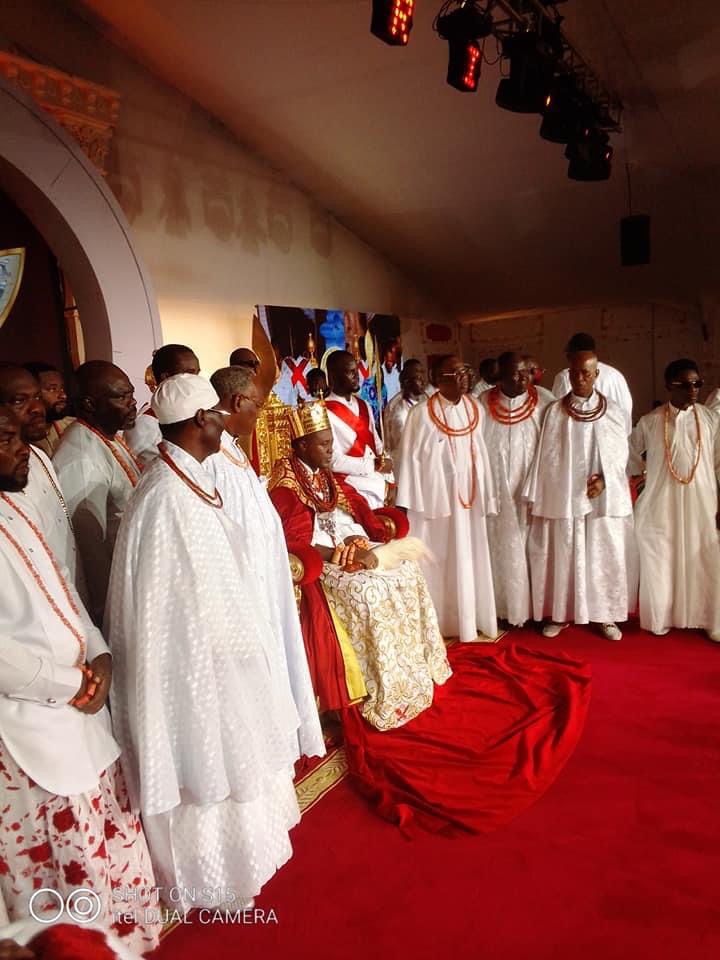
The Itsekiri Kingdom, historically centered in Warri in the Western Niger Delta, has long maintained a complex and clearly defined social structure. This hierarchy, which distinguishes between the royal class, the Omajaja (free-born aristocrats), and various categories of settlers and dependents, formed the foundation of governance, military organization, and social identity in the pre-colonial and early colonial eras.
The written record
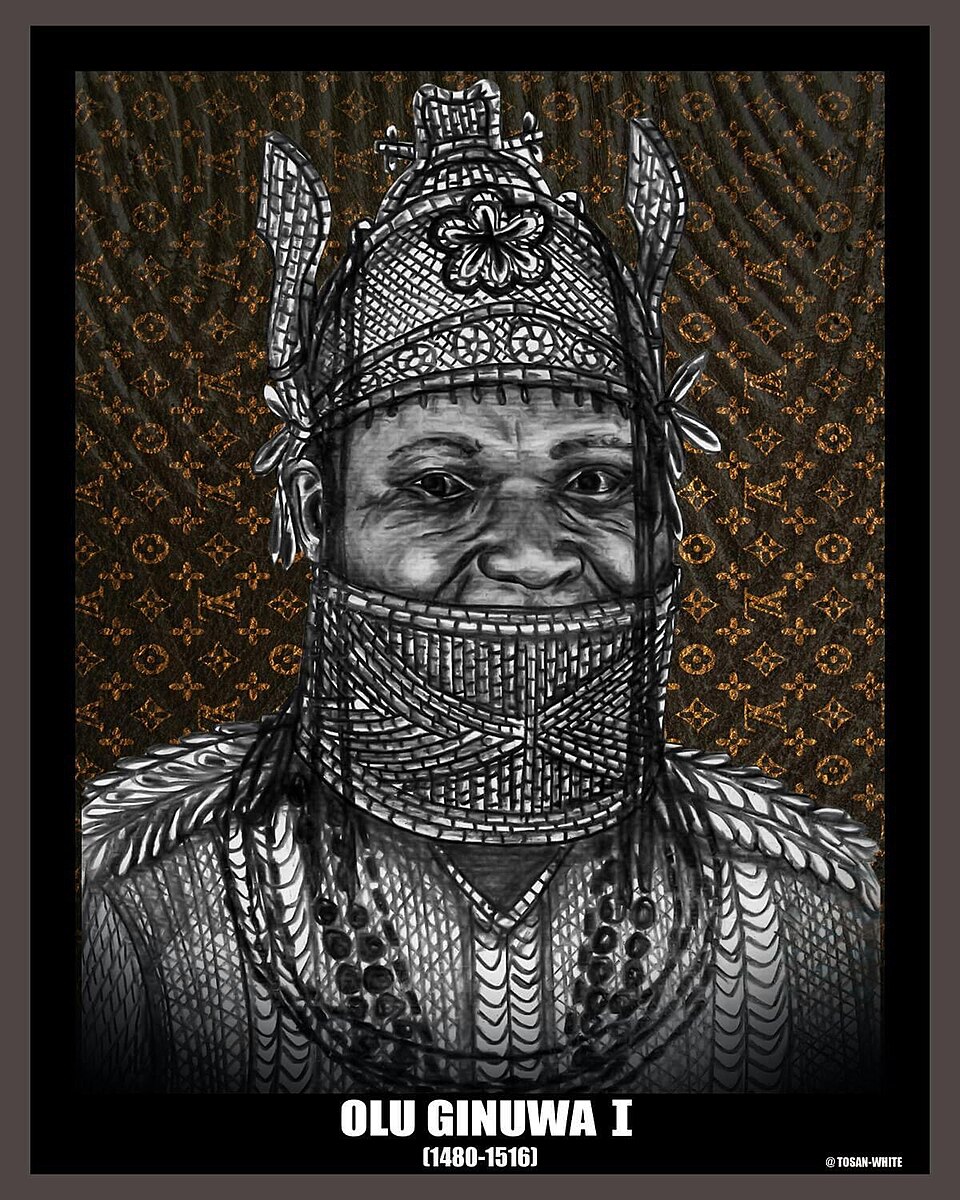
Photo credit: LordSnow242 via Wikimedia Commons
Historical context
Historical Foundations of Itsekiri Social Hierarchy
- Origins Under the Olu Kingship
The Itsekiri monarchy began in the late 15th century with the coronation of Olu Ginuwa, a Benin prince who migrated to the coast. The establishment of the monarchy introduced a centralized political system, and with it, the formalization of a hierarchical order. Scholars such as Ekeh note that the royal lineage stood at the apex, not merely as political leaders but as spiritual and cultural symbols of unity.
- The Formation of the Omajaja Class
The term “Omajaja” refers to the free-born descendants of the original Itsekiri lineage families who traced their ancestry to the kingdom’s founding settlements at Ode-Itsekiri and other early communities. These families were not royal, yet they possessed significant prestige. They formed the aristocracy that staffed the palace, controlled major trade routes, governed local territories, and advised the Olu.
- Influence of Trade Networks
Itsekiri’s strategic position as middlemen in regional and international trade especially with the Portuguese, Dutch, and British reinforced their hierarchical structures. Some Omajaja families rose to immense wealth through palm oil, European goods, and later colonial commerce. Their social position became inseparable from their economic power.
The Royal Class
- Characteristics of Royal Status
At the top of the hierarchy stood the Olu of Warri and the royal family, often referred to collectively as “Oma-Olu” (children of the king). Royal blood was strictly patrilineal. The royal class possessed:
- Exclusive rights to the throne,
- Political and ritual authority,
- Control over coronation and national festivals,
- Custodianship of sacred objects and shrines. The Olu was regarded not only as a monarch but also as a spiritual intermediary, an embodiment of the kingdom’s unity.
- Relationship Between Royals and Omajaja
While the king ruled, the Omajaja formed the governing elite. Many served as Ojoyes (titled chiefs), administrators, diplomats, and military leaders. Historical records show that the Olu relied on the Omajaja to govern distant communities, collect tribute, and maintain law and order. Thus, the aristocracy functioned as an extension of royal authority.
The Omajaja: The Aristocratic Free-Born Class
- Definition and Social Role
The Omajaja represented the largest and most influential segment of early Itsekiri society. They were neither royal nor enslaved but constituted the free, noble class. Their dignity derived from ancestral purity, historical contributions to the kingdom, and hereditary family status.
In many ways, they functioned like European landed gentry respected, autonomous, and entrusted with leadership responsibilities.
- Responsibilities and Privileges
The Omajaja held significant roles in:
- Government: They formed the ranks of chiefs, advisers, and district heads.
- Trade: They controlled canoes, export routes, and relations with foreign merchants.
- Military Affairs: They led war canoes, trained warriors, and protected riverine territories.
- Culture: They preserved customs, rituals, and oral traditions. High-ranking Omajaja often lived in large compounds, maintained retinues of servants, and acquired wealth through trade and fishing.
- Notable Aristocratic Houses
Several powerful Itsekiri lineages became renowned for their contributions to statecraft, diplomacy, and commerce. Historical examples include the families of Chief Nana Olomu, Chief Dore Numa, and other prominent palace chiefs. Their status reflected both noble birth and exceptional achievement.
- Marriage and Social Purity
Marriage practices reinforced the Omajaja’s cultural importance. Families often preferred unions within recognized noble lineages to preserve ancestry and maintain political alliances. The Omi-Eghare (dowry payment) played a significant role in these arrangements, symbolizing the merging of esteemed Houses.
The Settlers and Dependent Classes
- Origins of the Settler Communities
The Itsekiri kingdom attracted migrants from various ethnic backgrounds, including Yoruba, Ijaw, Portuguese descendants, freed slaves, and other coastal groups. Over time, these communities became integrated but socially distinct, forming what some historians describe as “dependent classes.”
- Classification
There were generally three categories:
Original settlers allied to noble Houses,
“Umon” dependents, often incorporated through war or servitude,
Freed slaves or retainers during the 18th–19th centuries. Although many eventually assimilated into Itsekiri culture, their status remained socially lower than that of the Omajaja.
- Social Mobility
While lineage purity was important, Itsekiri society did allow limited upward mobility. A dependent family could rise through:
Wealth accumulation,
Service to the palace,
Intermarriage approved by elders,
Exceptional military or commercial achievements. This fluidity distinguished the Itsekiri hierarchy from more rigid caste systems.
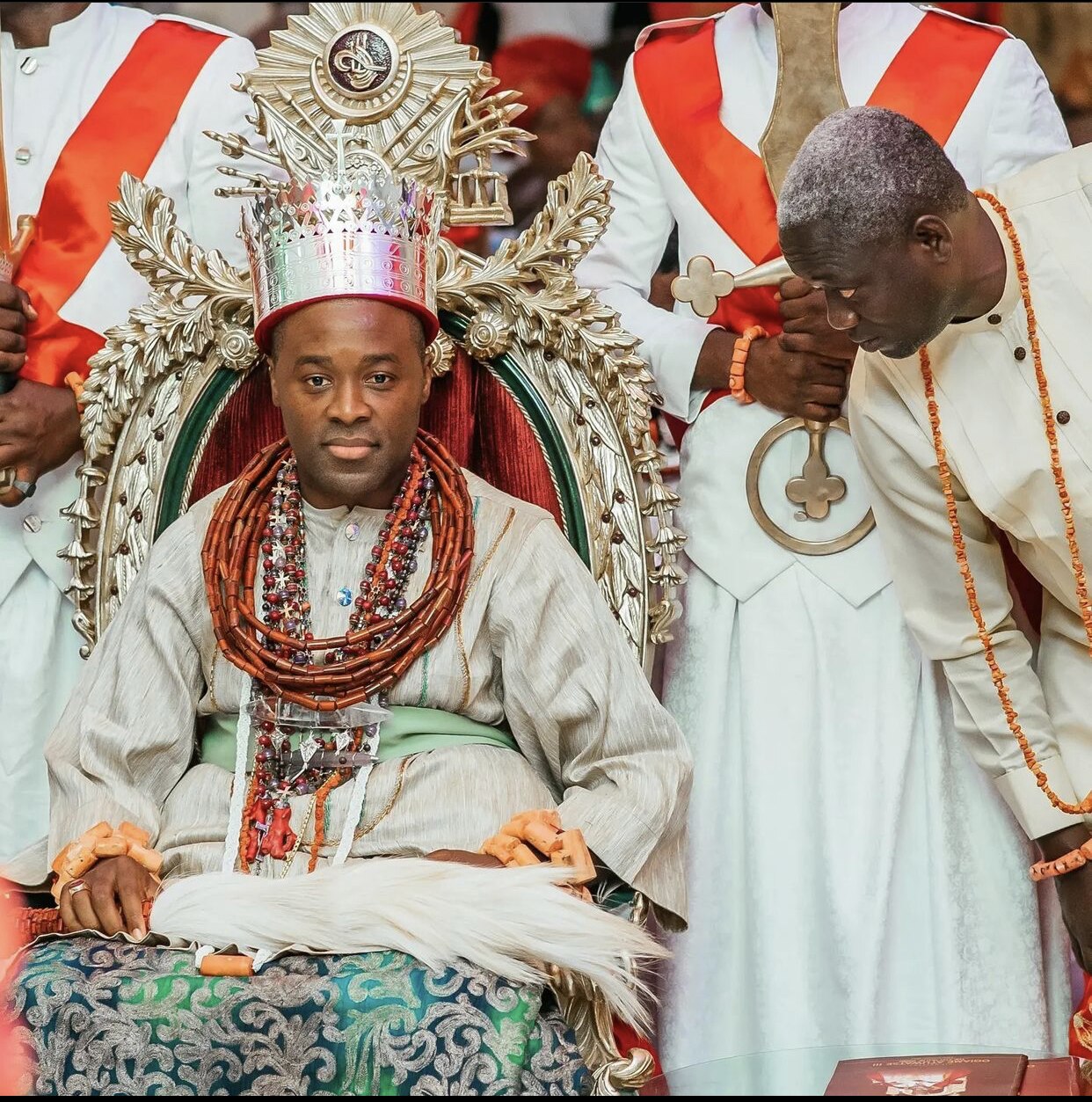
Photo credit: LordSnow242 via Wikimedia Commons
Interactions and Social Balance
- Governance and Administrative Cooperation
The political system required constant cooperation between the Olu, the Omajaja chiefs, and the dependent communities. The hierarchical order functioned harmoniously because each class played a defined role in trade, defense, and ritual life.
- Conflict and Resolution Mechanisms
When disputes arose, the palace court, staffed primarily by Omajaja chiefs, adjudicated cases to maintain social harmony. The emphasis was always on preserving unity among Itsekiri Houses, especially during periods of foreign pressure or interethnic conflict.
Colonial Influence and Modern Transformations
- British Colonial Restructuring
The British restructured traditional governance during the late 19th century, empowering some aristocratic families while undermining others, depending on their commercial alliances (Ekeh, 2005). This altered aspects of the old hierarchy but did not eliminate it.
- Persistence of Aristocratic Identity
Even today, many Itsekiri Houses proudly identify as Omajaja, preserving genealogical records and honoring ancient titles. Though the formal social hierarchy is less pronounced, lineage prestige still shapes:
Marriage choices, Chieftaincy eligibility and Cultural authority within the community.
- The Royal Institution Today
The Olu of Warri remains a symbol of unity, and the Omajaja still play significant roles in cultural leadership, especially during coronations, festivals, and palace ceremonies.
The Omajaja represent one of the most unique aristocratic systems in West Africa, a free-born noble class positioned between the royal family and the settler communities. Their influence in governance, trade, diplomacy, and culture has profoundly shaped Itsekiri identity for over five centuries. The hierarchical structure comprising the royals, Omajaja, and dependent groups formed a social order that balanced authority, lineage, and community cohesion.
Although colonialism and modernization have altered its practical functions, the traditional hierarchy remains a key foundation of Itsekiri cultural memory and pride.
Sources and references
- Ekeh, P. P. (2005). Warri City and British Colonial Rule. Urhobo Historical Society.
- Ekeh, P. P. (2008). Studies in Itsekiri History and Culture. Urhobo Historical Society.
- Falola, T. (2020). Culture and Customs of Nigeria. Greenwood Press.
- Horton, R. (1995). Patterns of Thought in Africa and th e West. Cambridge University Press.
- Talbot, P. A. (1926). The Peoples of Southern Nigeria. Oxford University Press.
Cite this article
Discussion
Sign in to join the discussion
Comments are checked by an editor before they appear. Leave a source or a correction and it is read first.
Continue reading
Related histories
 Cultural HeritageEleven Days of Nwafor Ogidi: Inside the Festival Keeping an Old Igbo Tradition AliveRead history →
 Cultural HeritageIli Ji Nkpor Obododike: The Indigenous Agricultural Ritual CycleRead history →
 Cultural HeritageMusic and Drum Traditions: Tracing the “Igbo Drum” in the AmericasRead history →
No comments yet
Nothing has been approved on this record yet. Comments are checked by an editor before they appear, so one written now shows on this page after that check.