 Ozikoro
 Ethnohistory · Published history
The art of palm wine tapping and its social role in gatherings and rituals

In the tropical belt of West Africa, specifically within the cultural heartland of the Igbo people of Nigeria, few substances hold as much “vitality and social significance” as palm wine. Known as Mmanya Ngwọ (from the raffia palm) or Mmanya Nkwụ (from the oil palm), this milky, effervescent sap is far more than a beverage; it is a “sacred fluid” that lubricates the wheels of Igbo social and spiritual life. The process of obtaining this wine is not a mere extraction but a highly skilled “indigenous craft” passed down through generations. From the perilous heights of the palm tree to the communal gourd in a village square, palm wine travels a path that connects the earth, the ancestors, and the living. This article explores the technical “art of tapping,” the pharmacological nature of the wine, and the indispensable role it plays in the rituals and social gatherings that define Igbo identity.
The written record
Historical context
The Art of the Tapper: Techniques and Tools
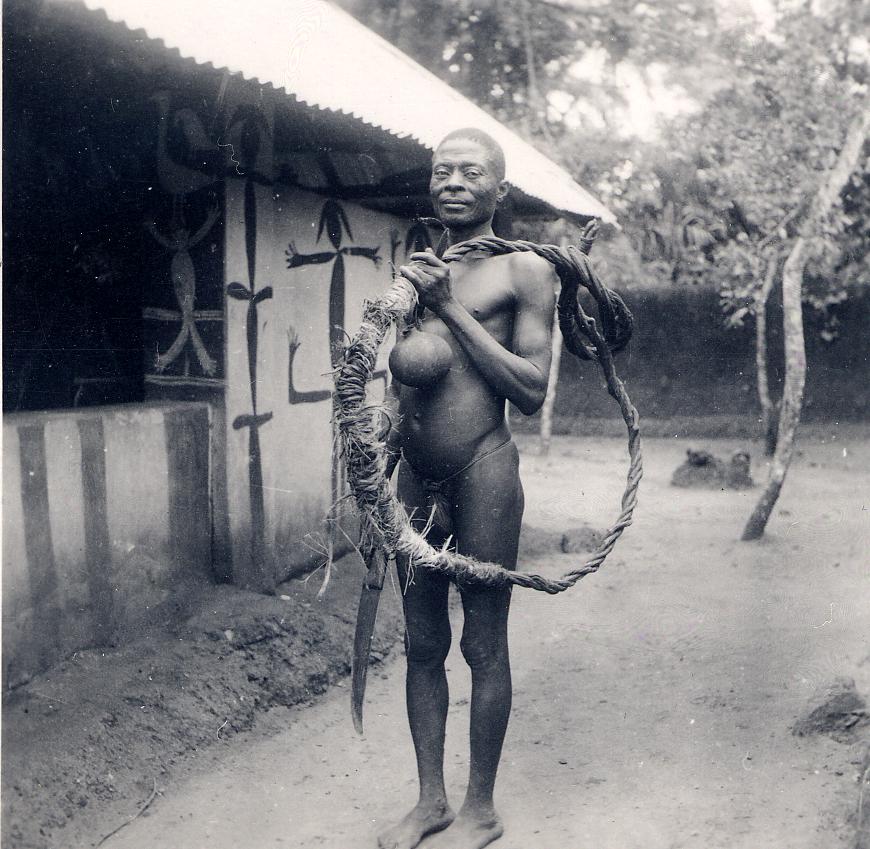
The tapper, or Ote Nkwụ, occupies a unique niche in the traditional labor force, combining physical stamina with a “botanical precision” that borders on the scientific;
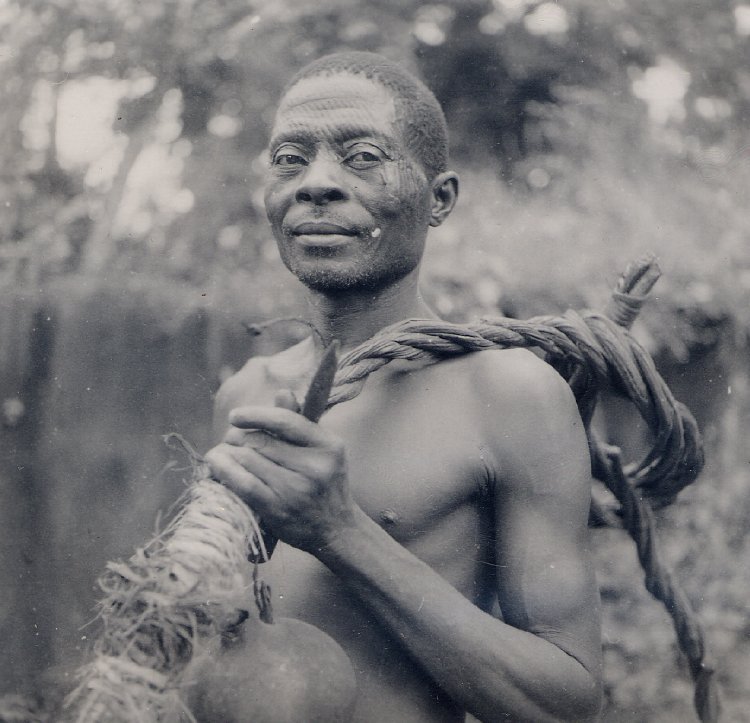
- The Climbing Ropes (Agba): Traditional tapping begins with the construction of the climbing rope. This is usually made from the “supple yet strong” fibers of the palm frond mid-rib. The tapper uses this double-loop system to brace his weight against the trunk, “walking” up the tree in a rhythmic, gravity-defying motion.
- The Incision and Collection: Once at the crown, the tapper must identify the “inflorescence” (the flower stalk). Using a specialized curved knife, he makes a surgical incision. A small funnel made of a leaf or bamboo leads the dripping sap into a “calabash or plastic container” tied to the tree.
- Fermentation: Nature’s Brewery: Palm wine is unique because it begins to ferment “immediately upon extraction” due to natural yeasts in the air. Within hours, the sugar in the sap is converted into alcohol. The “freshness” of the wine is a matter of hours; what is sweet in the morning becomes “sharp and potent” by sunset.
Varieties and Characteristics: Ngwọ vs. Nkwụ
Not all palm wine is the same. The Igbo distinguish between the sources, each having its own “social hierarchy” and flavor profile;
- Mmanya Ngwọ (Raffia Wine): Tapped from the Raphia hookeri palm, usually found in swampy areas. It is generally “sweeter, whiter, and has a lower alcohol content” when fresh. It is often preferred for casual domestic consumption and for women during certain festivals.
- Mmanya Nkwụ (Oil Palm Wine): Extracted from the Elaeis guineensis. This is considered the “premium” wine. It is “stronger, more pungent,” and is the standard requirement for high-stakes rituals and title-taking ceremonies.
- The Skill of “Up-wine” vs. “Down-wine”: There are two methods of tapping: “up-tapping,” where the tapper climbs the living tree, and “down-tapping,” where the tree is felled. The former is more sustainable and highly respected, as it keeps the “source of life” alive for years.
The Social Role in Gatherings and Festivals
In Igbo society, a gathering without palm wine is considered “incomplete and culturally hollow.” It serves as the “universal currency” of hospitality;
The Welcome Ritual: When a guest enters an Igbo home, the first gesture of “goodwill” is the presentation of a cup of palm wine. This act signifies that the guest is “welcomed in peace.” The host always drinks first to prove that the wine is “safe and untainted.”
Communal Bonding: In the village square (Oru), palm wine is the center of the “circle of elders.” As the gourd is passed around, “disputes are settled, stories are told, and community bonds are reinforced.” The act of sharing from one container emphasizes “unity and mutual trust.”
The “Market Day” Economy: Palm wine tapping provides a steady “daily income” for rural families. Every market day (Eke, Orie, Afo, Nkwo), tappers bring their fresh harvest to the “Mmanya” section of the market, which serves as a vibrant hub of “social and economic exchange.”
Palm Wine in Rituals: A Bridge to the Ancestors
Beyond its social utility, palm wine is a “liturgical element” used to communicate with the spirit world;
- Libations (Itụ mmanya ): No ritual begins without the “pouring of libations.” The elder or priest pours a small amount of palm wine onto the earth, calling upon the “ancestors and the deities” to partake. This act acknowledges that the “land belongs to those who came before.”
- Marriage Rites (Igba Nkwụ): The traditional Igbo wedding is literally named “Igba Nkwụ” (The Carrying of Wine). The climax of the ceremony involves the bride “searching for her husband” in a crowd, carrying a cup of palm wine given to her by her father. When she finds him and he drinks, the “union is sealed” in the eyes of the community and the spirits.
- Funeral Rites and Title-Taking: During burials, palm wine is poured to “quench the thirst” of the departing soul. Similarly, during the Ozo title-taking, the candidate must provide “vast quantities of premium wine” to satisfy the titled men, symbolizing his “ability to feed and sustain” his people.
Pharmacological and Nutritional Significance
The Igbo have long recognized that palm wine is not just an intoxicant but a “health tonic”;
- Rich in Nutrients: Fresh palm wine is a significant source of “Vitamin B-complex, potassium, and iron.” It is often given to “nursing mothers” to stimulate breast milk production and to individuals with “blurred vision” (a traditional observation of Vitamin B deficiency).
- Probiotic Properties: Because it is a “living fermented beverage,” it contains beneficial bacteria that aid digestion. However, if left too long, it turns into “vinegar,” which is then used as a preservative or for cleaning.
- The “Palm Gin” Evolution: When distilled, palm wine becomes Kaikai or Ogogoro. While palm wine is a “gentle social lubricant,” the distilled version is a “potent spirit” used in more aggressive cleansing rituals and for heavy celebrations.
Modern Threats and the Future of the Craft
Despite its deep roots, the art of palm wine tapping faces “significant challenges” in the modern era;
- Urbanization and Loss of Skills: Fewer young men are willing to undergo the “rigorous and dangerous training” required to become tappers. The allure of city jobs has led to a “scarcity of skilled tappers” in many villages. Also, innovation has been lacking in this
- Ecological Degradation: Deforestation and the clearing of palm groves for “industrial agriculture or housing” have reduced the number of trees available for tapping. The “loss of the grove” is a direct threat to the “longevity of the culture.”
- Chemical Adulteration: In a bid to meet the high demand in cities, some unscrupulous vendors “dilute palm wine with water, sugar, and artificial sweeteners.” This not only ruins the flavor but “desecrates the ritual purity” of the beverage, making it unsuitable for traditional offerings.
The art of palm wine tapping and its social role in gatherings and rituals represent the “quintessence of Igbo life.” It is a beverage that carries the “spark of the sun” and the “coolness of the earth.” From the “athletic bravery” of the tapper to the “solemn prayer” of the elder pouring a libation, palm wine connects every facet of the Igbo experience. It is the “liquid glue” of the community, ensuring that marriages are sealed, ancestors are honored, and friends are welcomed. As long as the “palm tree grows” and the “gourd remains full,” the spirit of the Igbo people will continue to be refreshed by this “ancestral gift.” To preserve the art of the tapper is to preserve the “social and spiritual health” of the nation.
Sources and references
- Achebe, C. (1958). “Things Fall Apart”. London: Heinemann. (Providing a foundational look at the role of palm wine in 19th-century Igbo social order).
- Basden, G. T. (1921). “Among the Ibos of Nigeria”. London: Seeley, Service & Co. (Detailing early ethnographic accounts of tapping techniques).
- Isichei, E. (1976). “A History of the Igbo People”. London: Macmillan.
- Iwu, M. M. (1993). “Handbook of African Medicinal Plants”. CRC Press. (On the nutritional and pharmacological properties of palm sap).
- Nzimiro, I. (1972). “Studies in Ibo Political Systems: Chieftaincy and Politics in Four Niger States”. University of California Press.
- Ogbulie, J. N., et al. (2007). “Microbiologica l and physicochemical characteristics of palm wine”. Nigerian Journal of Microbiology.
Cite this article
Discussion
Sign in to join the discussion
Comments are checked by an editor before they appear. Leave a source or a correction and it is read first.
Continue reading
Related histories
 EthnohistoryGbam, Chai, Ewo: How Igbo Expressions Became the Language of Nigerian Pop CultureRead history →
 EthnohistoryAro Merchant Network: Historical Trade Integration in the Cross-Niger RegionRead history →
 EthnohistoryTransition to Commodities in the aro confederacy(e.g., Palm Oil, Ivory, Cloth)Read history →
No comments yet
Nothing has been approved on this record yet. Comments are checked by an editor before they appear, so one written now shows on this page after that check.