 Ozikoro
 Cultural Heritage · Published history
“The ‘Comey’ System: Understanding the customs duties paid by European ships to Efik chiefs.”
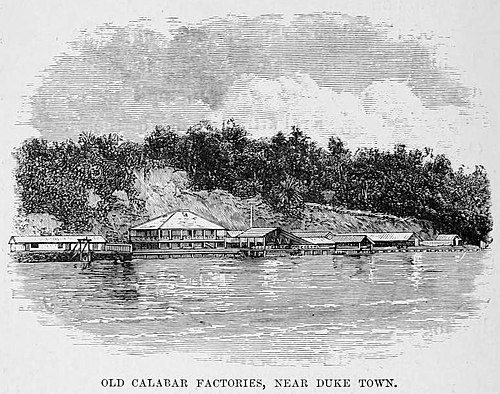
The comey system was a key feature of commerce in Old Calabar, the main trading center of the Efik people along the Cross River in southeastern Nigeria. From the seventeenth through the nineteenth centuries, European ships trading in slaves and later palm oil paid a customs duty known locally as “comey” to Efik chiefs as a condition for doing business. This duty underscored Efik political sovereignty over river access, structured commercial relationships, and shaped the evolution of Efik society. By examining how comey was collected, regulated, and negotiated, we can better understand the economic foundations of Efik power and the workings of early Atlantic and coastal trade systems.
The written record
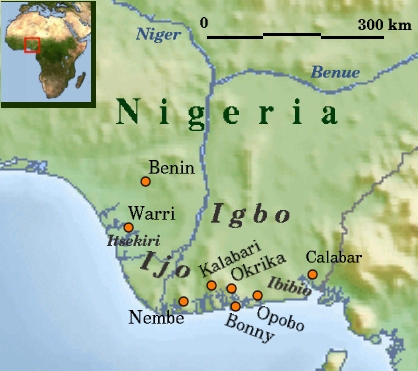
Photo credit; Wikipedia
Historical context
Origins of the Comey System
Old Calabar developed into a major center of trade from the seventeenth century onward, as European vessels anchored in the Cross River estuary to exchange manufactured goods for enslaved Africans, palm oil, ivory, and other commodities. According to historical accounts, comey was a customary duty that European ships “had to pay … for the privilege of trading” with Efik chiefs and merchant houses in the region. This system was not simply a tax; it was a recognized payment tied to local political authority and territorial control. The payment of comey signified European acknowledgment of Efik jurisdiction over riverine commerce and established a formalized pattern of exchange between local elites and foreign traders.
How Comey Was Paid and Regulated
Historical sources indicate that comey was typically assessed based on the registered tonnage of a European vessel. As one old trading manual explains, once a ship was safely moored opposite town, the European trader would go ashore to negotiate comey with the local king or chief. The amount was then regulated according to the size of the ship and often settled by agreement between both parties. This negotiation could involve goods rather than cash, including textiles, iron rods, firearms, or other trade items valued by both sides.
By the mid-nineteenth century, the comey system was sometimes formalized. For example, in 1852 European supercargoes and Efik chiefs of Duke Town and Creek Town agreed that comey ought to be levied at twenty coppers per registered ton, with the proceeds shared between the chiefs. Such arrangements illustrate that comey was not merely extractive but was negotiated and institutionalized as a form of revenue distribution among leading Efik houses.
Economic and Political Significance
The comey system served several functions in Efik society and in European–African trade relations:
Recognition of Sovereignty: Paying comey was not merely a commercial transaction but a symbolic recognition of Efik political authority. Scholars note that this duty acknowledged the Efik ruler’s claim to territory and diplomatic legitimacy. European traders had to negotiate and agree to comey as a condition of trade, effectively affirming Efik jurisdiction over their river and commerce.
Revenue for Chiefs and Merchant Houses: The comey duty generated significant revenue for Efik chiefs and trading lineages. The amount collected often reflected a town’s relative power and commercial importance. Larger vessels with greater tonnage paid more comey, providing substantial income that contributed to household and community wealth. Agreements on how comey was shared among ruling families reflect political arrangements and alliances within Efik society.
Stability and Regulation of Trade: Comey also played a regulatory role. By requiring European ships to pay a duty before trading, Efik authorities maintained control over who could engage in commerce and under what terms. This worked in tandem with secret society mechanisms such as Ekpe, which enforced contracts, resolved disputes, and upheld debt obligations among traders. Together, comey and Ekpe created a stable environment that facilitated long-distance exchange and protected Efik commercial interests.
Shifts with the End of the Slave Trade
As the trans-Atlantic slave trade declined and Britain abolished it in 1807, the nature of comey did not disappear but evolved alongside changes in commerce. Palm oil, ivory, and other “legitimate” exports became increasingly important, and ship captains trading in these commodities also paid comey to Efik chiefs. This continuity underscores that comey was a versatile duty tied to access and sovereignty rather than to a specific type of trade. Efik merchant houses and chiefs adapted the system to new economic realities, ensuring that comey remained a source of revenue and political leverage even as the goods exchanged changed.
Negotiation and Conflict
Negotiating comey could be contentious. Historical diary records and correspondence show European captains attempting to resist or reduce comey demands and Efik chiefs asserting their rights to full payment. Disputes sometimes led to diplomatic friction, boycotts, or refusal to trade until agreeable terms were reached. These episodes illustrate that comey was more than a flat tax; it was an active subject of negotiation that reflected power relations between African authorities and European traders.
Cultural and Social Dimensions
Beyond economics and politics, comey had social implications. The payment of duties often preceded formal social exchanges such as feasts, gift exchanges, and hospitality between European visitors and Efik elites. After comey was paid, relationships were reinforced with shared meals and ceremonial interactions that served to build trust and mutual recognition. These practices embedded comey within a broader social framework of diplomacy and mutual obligation.
Colonial Transition and the Comey System
When Britain expanded its formal protectorate over the Oil Rivers (later the Niger Coast Protectorate) in the late nineteenth century, colonial authorities gradually replaced indigenous revenue systems like comey with standardized customs and tariffs. The traditional comey duties were transformed into “comey subsidies” codified in colonial law, reflecting both continuity and adaptation. Although British officials took over the collection of customs duties, the historical legacy of comey remained in legal codes and colonial administrative practice.
The comey system illustrates how the Efik leveraged territorial control and commercial negotiation to assert authority in early Atlantic and coastal trade. As a customs duty paid by European ships, comey was both a source of material wealth and a diplomatic acknowledgment of Efik sovereignty. Its negotiation, regulation, and adaptation across centuries reveal the complexity of colonial and pre-colonial economic systems in West Africa. Even as trade shifted from enslaved people to palm oil and colonial structures emerged, comey represented a lasting intersection of commerce, politics, and cultural exchange in Old Calabar.
Sources and references
- Efik people. (2025). In Britannica.
- Efik people. (2025). In Grokipedia.
- Antera Duke. (2025). In Wikipedia, The Free Encyclopedia.
- Aye, M. U. (1852). Comey agreemen t records (as cited in historical trade documents).
Cite this article
Discussion
Sign in to join the discussion
Comments are checked by an editor before they appear. Leave a source or a correction and it is read first.
Continue reading
Related histories
 Cultural HeritageEleven Days of Nwafor Ogidi: Inside the Festival Keeping an Old Igbo Tradition AliveRead history →
 Cultural HeritageIli Ji Nkpor Obododike: The Indigenous Agricultural Ritual CycleRead history →
 Cultural HeritageMusic and Drum Traditions: Tracing the “Igbo Drum” in the AmericasRead history →
No comments yet
Nothing has been approved on this record yet. Comments are checked by an editor before they appear, so one written now shows on this page after that check.