 Ozikoro
Cultural Heritage · Published history
The Creation of the Four Igbo Market Days: A Mythological Perspective
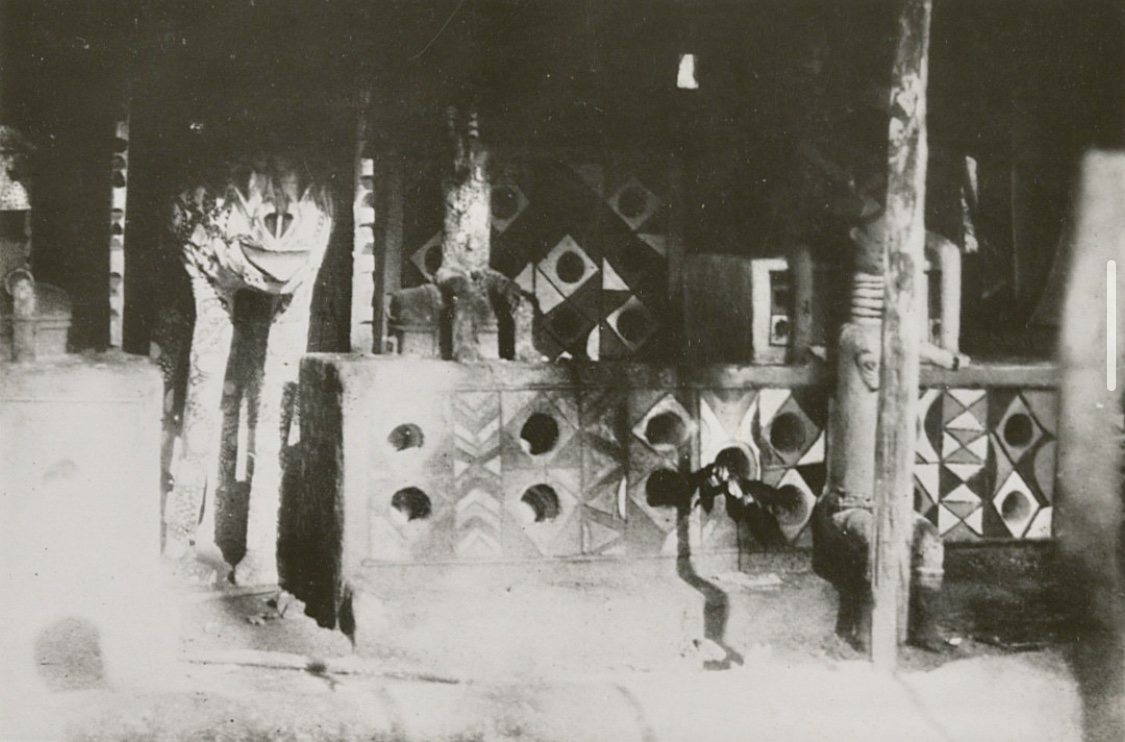
The Igbo people have a rich cosmology that explains the origin of time and space through their traditional belief systems. According to the Owere (Owerri) narrative, the supreme deity, Chineke, created four primordial beings and assigned them to separate rooms within a house, that is; Eke, Orie, Afo, and Nkwo. These entities represent the four market days that govern the Igbo calendar. Women were also created and placed in a separate room, emphasizing gender roles in creation mythology.
The written record
In the story, Eke suggested the existence of Ala (Earth), which appeared spontaneously, reinforcing the Igbo view that the land and sky coexisted without a known origin. Agwushi (Agwu) the god of divination, identified and named the four days, establishing the market cycle essential for social and economic activities in Igboland. These days were then entrusted to various deities, including Amadioha (god of thunder) and Ala (goddess of the earth), signifying their spiritual and cultural significance.
Historical context
The Mbari votive shrine, an artistic and spiritual representation of Igbo deities, often depicts these elements, reinforcing their relevance in Igbo life. Mbari houses, traditionally constructed as offerings to the gods, serve as visual narratives of Igbo cosmology, reflecting themes of creation, fertility, and harmony. The myth highlights the Igbo worldview, emphasizing balance, order, and the sacred relationship between the spiritual and physical realms.
Sources and references
- Cole, H. M. (1982). Mbari: Art and life among the Owerri Igbo. Indiana University Press.
- Talbot, P. Amaury. (1926). The people of Southern Nigeria. Oxford University Press.
Cite this article
Discussion
Sign in to join the discussion
Comments are checked by an editor before they appear. Leave a source or a correction and it is read first.
Continue reading
Related histories
 Cultural HeritageEleven Days of Nwafor Ogidi: Inside the Festival Keeping an Old Igbo Tradition AliveRead history →
 Cultural HeritageIli Ji Nkpor Obododike: The Indigenous Agricultural Ritual CycleRead history →
 Cultural HeritageMusic and Drum Traditions: Tracing the “Igbo Drum” in the AmericasRead history →
No comments yet
Nothing has been approved on this record yet. Comments are checked by an editor before they appear, so one written now shows on this page after that check.