 Ozikoro
Cultural Heritage · Published history
The Cult of the Goddess: The Supreme Deities in Ijaw Traditional Religion
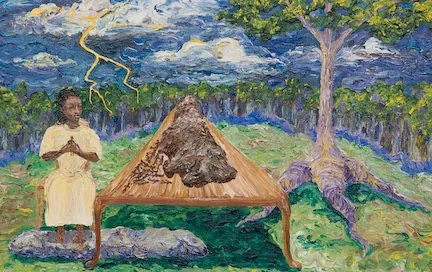
Ijaw traditional religion is a complex spiritual system rooted deeply in the ecological, historical, and cultural experiences of the Niger Delta people. At its center lies a pantheon of deities, with particular reverence given to a group of powerful goddesses who govern creation, fertility, moral order, and the balance of the natural world. Contrary to many West African traditions that place a male deity at the apex of the spiritual hierarchy, Ijaw cosmology elevates the feminine divine as a primary source of life, authority, and cosmic regulation.
The written record
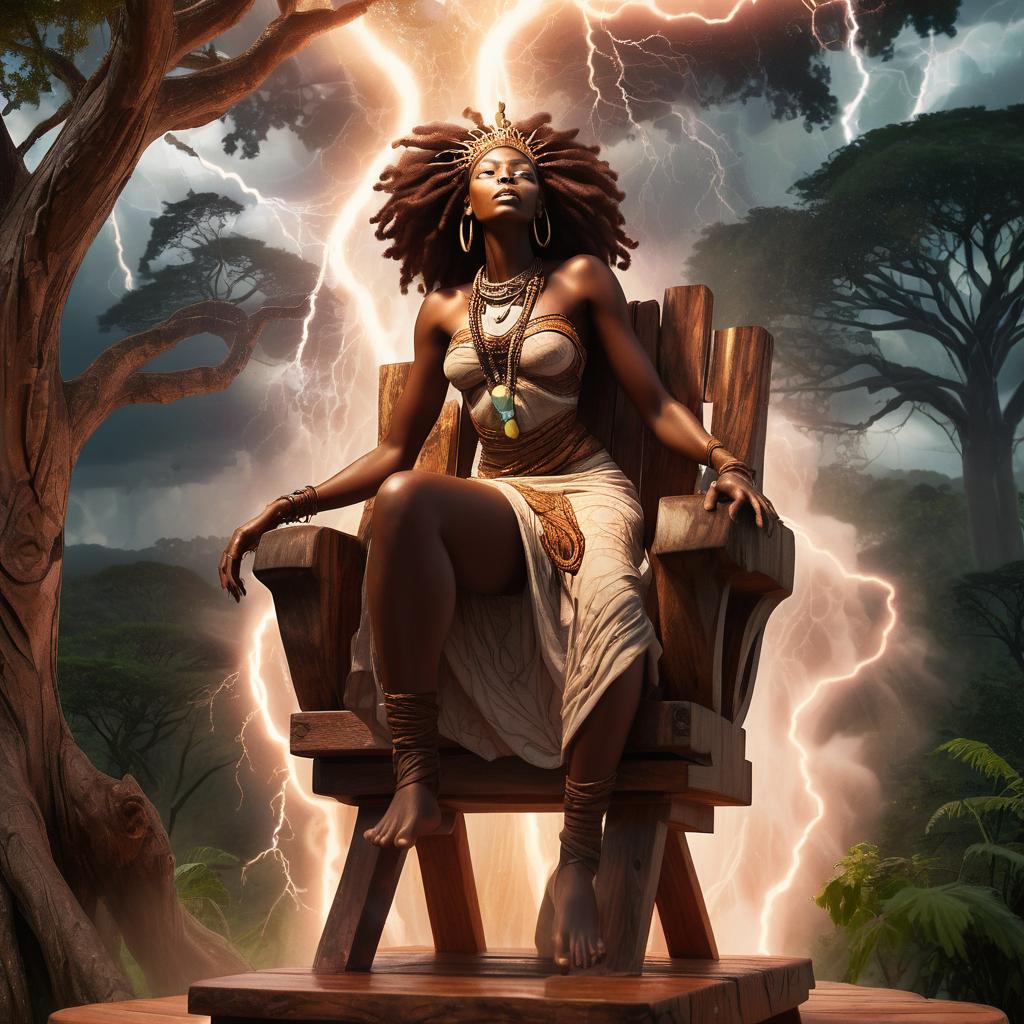
Photo credit: Mythlok.
Historical context
The Feminine Principle in Ijaw Cosmology
The Ijaw believe that existence emerges from a primordial female force. The feminine principle symbolized by creation, fertility, nurturance, and cosmic order, occupies a central place in their spiritual system. This contrasts with cosmologies that see the feminine as secondary. For the Ijaw, the goddess is both origin and sustainer, the embodiment of natural cycles and the guardian of moral and ecological harmony.
Several interpretations within Ijaw oral tradition describe the universe as emerging from a divine female womb, signifying that humanity, rivers, forests, and spiritual entities are interconnected and sustained by a single maternal source. This worldview underscores a philosophy in which life is cyclical, sacred, and dependent on maintaining alignment with divine feminine forces.
Key Supreme Goddesses in Ijaw Religion
Although the Ijaw recognize numerous deities, three major goddesses stand at the apex of spiritual authority. Each serves distinct functions but collectively embodies the totality of divine power.
1. Woyengi: The Supreme Creator Goddess
Woyengi, sometimes called “Woyin,” is revered as the supreme creator. According to Ijaw creation mythology, she descended to earth, molded human beings from clay, and granted them the freedom to choose their path, long life, wealth, children, or spiritual gifts. This act of self-determination is central to Ijaw philosophy, emphasizing personal responsibility and destiny.
Woyengi is also associated with moral order. Because she shaped humankind, she holds the authority to withdraw life or discipline individuals who violate sacred laws, especially those concerning environmental respect and social harmony.
2. Owu (Water Goddess): Ruler of the Rivers and Mystical Realms
While “Owu” refers collectively to water spirits, the senior Owu deity is recognized as a great goddess who rules the waters, the most sacred landscape in Ijaw cosmology. As the Niger Delta is dominated by creeks, mangroves, and estuaries, water becomes the primary medium of spiritual communication.
The senior water goddess governs fertility, beauty, healing, artistry, and wealth. Many priests and priestesses serve as her intermediaries, and individuals believed to be spiritually “chosen” may enter into symbolic marriage with her to gain supernatural abilities or protection.
3. Egbesu’s Female Counterforce
Egbesu, often discussed as a male deity associated with justice and war, is understood in some Ijaw traditions to possess a female counterpart or balancing feminine essence. In this interpretation, the goddess aspect represents restraint, purity, moral conscience, and the ethical dimension of warfare. This aligns with Ijaw belief in cosmic duality, male and female principles working together to maintain balance.
Ritual Practices Associated with the Goddess Cult
The worship of the supreme goddesses involves elaborate ritual practices that affirm their central role in community life.
Household and Community Shrines
Shrines dedicated to Woyengi and the senior water goddess are maintained by both families and communities. These shrines often include clay pots, white cloths, mirrors, sacred stones, and offerings meant to attract divine presence. White, representing purity and the ethereal nature of the goddess, is the primary ritual color.
Festivals and Ceremonial Performances
Festivals honoring the goddesses involve drumming, masquerades, chants, and dances that reenact cosmological stories. During these ceremonies, priestesses play a leading role, symbolizing the elevation of women in spiritual leadership. The rituals reaffirm not only religious devotion but also collective identity and historical memory.
Divination, Healing, and Spirit Possession
Priestesses, diviners, and spirit mediums serve as intermediaries between the goddesses and the human world. Through trance, divination, and possession, they deliver messages, warn against dangers, diagnose illness, and prescribe ritual solutions. Spirit possession, especially by water goddesses, is a respected occurrence that signifies divine favor.
Sacred Vows and Goddess Marriage
Some individuals enter into spiritual “marriage” with the water goddess. This involves vows of purity, ritual obligations, and sometimes restrictions on behavior or lifestyle. The goddess grants such individuals protection, beauty, artistic ability, or supernatural insight.
The reverence for supreme goddesses shapes Ijaw social structure, gender relations, and environmental ethics.
Women’s Status and Spiritual Authority: The prominence of female deities elevates the status of women, especially those serving as priestesses. Their role as custodians of ritual knowledge grants them social respect, influence, and leadership opportunities that transcend ordinary gender hierarchies.
Environmental Stewardship: Because the goddesses, especially water deities, are tied to natural landscapes, Ijaw religion promotes ecological respect. Polluting rivers, destroying mangroves, or wasting natural resources is seen not only as environmentally harmful but spiritually dangerous.
Moral Guidance and Communal Discipline: The goddess cult establishes ethical boundaries for the community. Violations of truthfulness, marital fidelity, respect for elders, or environmental laws are believed to attract divine punishment. Thus, the goddesses function as both spiritual protectors and enforcers of moral order.
Modern Transformations and Continuity: Christianity, globalization, and environmental degradation have reshaped traditional religious practices, yet the cult of the goddess persists. Some Ijaw Christians privately maintain devotion to Woyengi or water goddesses, blending indigenous practices with modern faith. Others have revived goddess worship as a means of cultural preservation and political identity in the face of ecological and social challenges brought by oil exploitation.
The resilience of goddess reverence highlights the deep-rooted spiritual logic of Ijaw society, a logic that places the feminine divine at the heart of creation, community, and cosmic justice.
The cult of the goddess in Ijaw traditional religion represents one of the most sophisticated spiritual systems in West Africa. Through deities like Woyengi and the senior water goddess, the Ijaw articulate a worldview grounded in feminine creative power, environmental stewardship, moral responsibility, and the interconnectedness of human and natural life. Despite modern pressures, the reverence for these divine beings remains a powerful symbol of Ijaw identity, resilience, and cosmological heritage. The goddess stands not only as a spiritual figure but as a cultural anchor that continues to shape the lives and beliefs of the Niger Delta people.
Sources and references
- Alagoa, E. J. (2009). A history of the Niger Delta: An historical interpretation of Ijo oral tradition. Port Harcourt: Onyoma Research Publications.
- Horton, R. (1965). “African traditional religion and belief systems.” Jo urnal of the International African Institute, 35(4), 221–243.
Cite this article
Discussion
Sign in to join the discussion
Comments are checked by an editor before they appear. Leave a source or a correction and it is read first.
Continue reading
Related histories
 Cultural HeritageEleven Days of Nwafor Ogidi: Inside the Festival Keeping an Old Igbo Tradition AliveRead history →
 Cultural HeritageIli Ji Nkpor Obododike: The Indigenous Agricultural Ritual CycleRead history →
 Cultural HeritageMusic and Drum Traditions: Tracing the “Igbo Drum” in the AmericasRead history →
No comments yet
Nothing has been approved on this record yet. Comments are checked by an editor before they appear, so one written now shows on this page after that check.