 Ozikoro
Cultural Heritage · Published history
The Cultural Significance of Igbo Greetings: A Reflection of Identity and Tradition
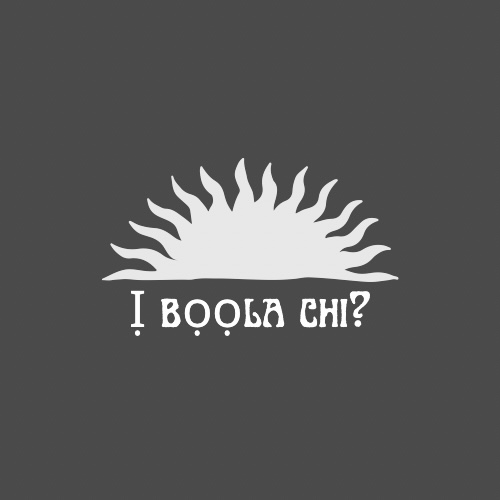
There are different ways the Igbo greet in the morning, and it reflects on the activities going on at that particular moment.
The written record
The use of “ụtụtụ ọma”, “ehihie ọma” and “mgbede ọma” for Igbo morning, afternoon and evening is recent, and was never a thing in an Igbo society. “Ụtụtụ ọma” is a direct translation, or more accurately, a transliteration of the English phrase “good morning.” It does not have cultural roots in the Igbo worldview.
The Igbo worldview is distinct & totally different from that of Europe and other parts of the world.
Aside the beautiful dialectal greetings, here are common morning greetings:
- Ị saala chi
- Ị bọọla chi
- Ị pụtala ụra
- I tetago ụla
- I tetela ụra, etc.
Historical context
These greetings carry cultural significance and express genuine care for others.
Igbo people don’t greet with “ehihie ọma” in the afternoon. Instead, they say:
- Ndeewo
- Daalụ
- Deeme, etc.
These are general greetings, and you use them based on the person’s activity. For example, when greeting someone at work, you could say:
- Jisi ike n’ọrụ (Keep up the good work)
- Daalụ ọrụ (Thank you for your work).
At night, you don’t say “mgbede ọma.” Instead, say:
- Ka chi foo
- Ka chi bọọ
- Ka ọ dị echi
Igbo has many rich, dialectal greetings tied to its culture. Instead of using direct English translations like “ụtụtụ ọma,” “ehihie ọma,” or “mgbede ọma,” it’s better to either preserve the original forms or use the English equivalents like “good morning,” “good afternoon,” and “good evening.”
Languages are unique, and greetings, as part of language, reflect both identity and culture, and should represent the worldview of the people who use them.
Cite this article
Discussion
Sign in to join the discussion
Comments are checked by an editor before they appear. Leave a source or a correction and it is read first.
Continue reading
Related histories
 Cultural HeritageEleven Days of Nwafor Ogidi: Inside the Festival Keeping an Old Igbo Tradition AliveRead history →
 Cultural HeritageIli Ji Nkpor Obododike: The Indigenous Agricultural Ritual CycleRead history →
 Cultural HeritageMusic and Drum Traditions: Tracing the “Igbo Drum” in the AmericasRead history →
No comments yet
Nothing has been approved on this record yet. Comments are checked by an editor before they appear, so one written now shows on this page after that check.