 Ozikoro
Cultural Heritage · Published history
The Diala in Igbo Culture:Historical Origins of the Diala
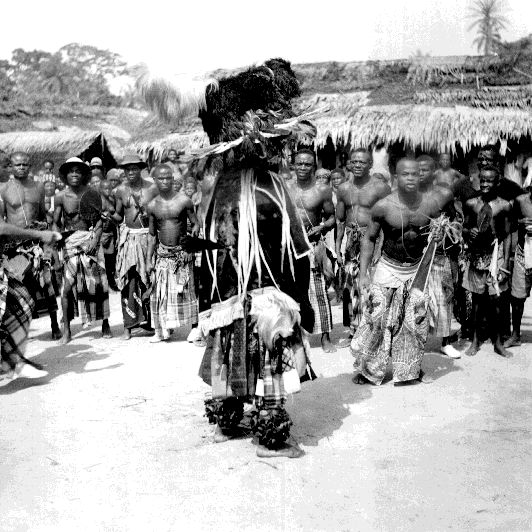
Otu onye tụọ izu, o gbue ọchụ(If one person sets the pace, he kills the walk). No single person can carry all knowledge or responsibilities alone, collective wisdom is better than solitary action.
The written record
In ancestral Igboland, identity, land, and spiritual purity formed the backbone of community life. Among the many social categories, the Diala stood as those regarded as ndị ala, the “people of the land,” freeborn, with ancestral legitimacy.
From the earliest Igbo cosmology, the earth (Ala or Ani) held a sacred role as the guarantor of truth, fertility, and boundaries. The ancestors (ndị nna ochie) mediated between the living and the earth, ensuring that taboos were kept, rituals were observed, and the continuity of the lineage maintained. In such a worldview, not everyone could be ritually acceptable to pour libation or stand before the ancestors, only those whose ancestors had remained in unbroken, acceptable relationship with Ala.
Over time, as communities solidified, the label Diala (from ndị ala, “people of the land”) became applied to those who were never consecrated to deities, never ritually impure, and whose lineage remained within the ancestral fold. The Diala thus carried both ancestral and land legitimacy.
Diala are described as those who had no dedication to deities, no ritual impurity, and full rights to land and political participation. Their identity was not ad hoc but inherited and institutionalized over generations.
Historical context
Early Differentiation: Diala vs Other Categories
Once societal complexity grew, and some persons or families became dedicated to deities (becoming Osu) or fell into ritual impurity, the distinction sharpened. The Diala became the “default” or normative class of freeborn, while these other classes occupied constrained social roles.
Key features of this differentiation included:
- Hereditary status: If one’s parents were Diala (i.e. freeborn, not dedicated), then one too would be Diala. The status was rarely changed.
- Land rights: Diala held rights to land allocation, inheritance, and communal decision-making concerning land and territory.
- Ritual privileges: Offering libations, maintaining ancestral shrines, pouring ọfọ, and being intermediaries to the ancestors often fell to Diala individuals or lineages.
- Social taboos: Marriage or close ritual interaction between Diala and non-Diala (especially Osu) was often forbidden or heavily regulated.
Thus, the Diala identity became embedded not only in lineage but also in ritual, land, and social practices all reinforcing each other.
Integration into Precolonial Communities
As Igbo societies organized into lineages, villages, and confederations, the Diala status was woven into governance structures:
- In councils of elders (ndi ichie), many seats were accessible only to Diala lineages.
- Leadership roles such as village head, or representation in communal assemblies, often required Diala status.
- Ritual and religious duties: the Diala had privileged standing in ancestral rites, sacred festivals, and sacrifices.
- Dispute settlement: when settling land or boundary disagreements, it was the Diala who invoked ancestral authority and libations to mediate justice.
By the time early colonial observers arrived, these distinctions were well entrenched, recognized, and enforced in many Igbo communities.
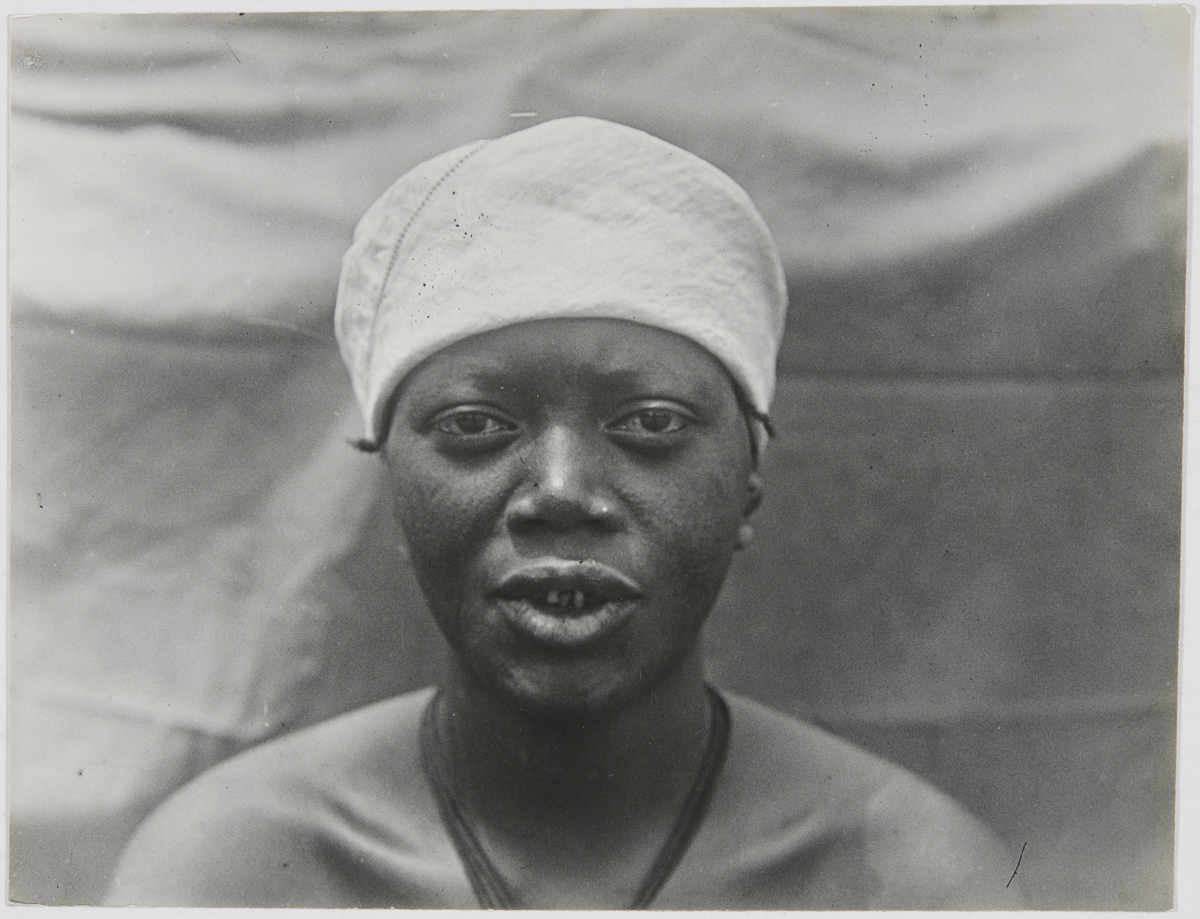
A chuo aja ma ahụghị udele, a mara na ihe mere be ndị mmụọ.( If the vulture does not hover after a sacrifice, you know something happened in the land of spirits.) When customary rites fail to be acknowledged or attended, it signals that there is a hidden problem in the spiritual realm or ancestral order. This proverb echoes how in Igbo tradition, spiritual legitimacy and ancestral acceptance were vital. The Diala status was in many ways about being accepted by both the earth and ancestors, if that “hovering” fails (rituals do not take), the social order is disturbed.
Reinforcement Over Time
Through generations, the Diala identity was continually reaffirmed via ritual, lineage storytelling, and community memory. Even as external pressures (trade, migration, conquest) impacted Igbo communities, the Diala distinction remained a pillar of social order. In many colonial expatriate records, travelers and administrators recognized the existence of ndị ala (freeborn) vs ndị ọrịa (those ritually set aside).
Some colonial-era anthropologists, including Northcote Thomas, recorded genealogies, taboos, and social practices involving freeborn lineages, indirectly documenting the persistence of Diala identity.
Ura ga-eju onye nwụrụ anwụ afọ(Sleep will suffice the dead for all their years). Once one passes on, the cares and labors of life no longer burden them. In a sense, this reminds us that the lines drawn among the living (freeborn, ritual status, lineage) lose their force beyond life. The Diala identity was a living social fabric, once someone passed to the ancestors, those earthly distinctions no longer held legal sway (though they survive in memory).
The Diala concept grew out of Igbo cosmology, lineage, ancestral ritual, and land legitimacy. The Diala were not invented recently but were deeply rooted in the worldview of ancestral order, purity, and belonging to the earth.
Sources and references
- Amalu, N. S., Amalu, N. N., & Amalu, E. C. (2021). Caste Conflict in Nigeria: The Osu/Diala Experience in Igboland, 1900–2017. Global Journal of Social Sciences, 20.
- Jones, G. I. (1930s). Igbo photographic archive [Photographic collection]. G. I. Jones estate.
- Thomas, N. W. (1909–1913). Northcote Thomas Igbo portraits [Photographic collection]. MAA Cambridge / Igbo Archives.
- IgboGuide.org. (n.d.). Igbo Proverbs. https://www.igboguide.org/guests/igbo-proverbs.htm
- Mkauw.wordpress.com. (2022, April 20). Igbo Proverbs | Międzywydziałowe Koło Afrykanistyczne UW. https://mkauw.wordpress.com/2022/04/20/igbo-proverbs
Cite this article
Discussion
Sign in to join the discussion
Comments are checked by an editor before they appear. Leave a source or a correction and it is read first.
Continue reading
Related histories
 Cultural HeritageEleven Days of Nwafor Ogidi: Inside the Festival Keeping an Old Igbo Tradition AliveRead history →
 Cultural HeritageIli Ji Nkpor Obododike: The Indigenous Agricultural Ritual CycleRead history →
 Cultural HeritageMusic and Drum Traditions: Tracing the “Igbo Drum” in the AmericasRead history →
No comments yet
Nothing has been approved on this record yet. Comments are checked by an editor before they appear, so one written now shows on this page after that check.