 Ozikoro
Cultural Heritage · Published history
The Diala in Igbo Culture(The Diala and the Osu) Historical Relations and Caste Evolution in Igboland
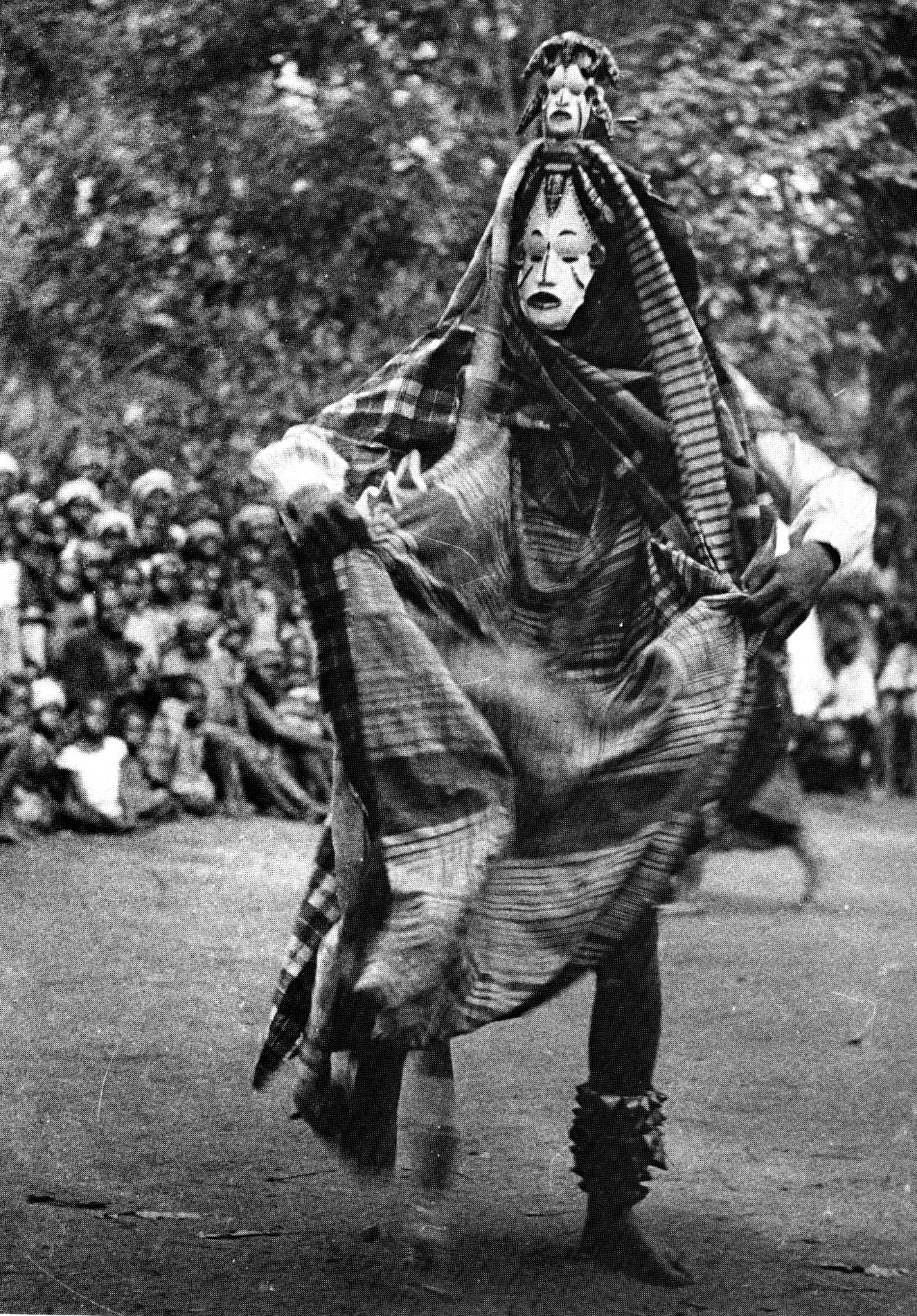
Ọ bụ ọnụ na-asụ okwu, ọ bụghị obi( It is the mouth that speaks, not the heart). Appearances may differ from true intentions, a warning that surface peace may hide deep division.
The written record
The Diala–Osu distinction is among the oldest and most enduring social classifications in Igbo history.
While the Diala represented the “sons and daughters of the land,” the Osu were individuals or families once consecrated to deities and thus set apart from common social interaction.
Though both groups belonged to the same ethnic and linguistic family, historical developments from 1900 to 2017 reveal how sacred dedication transformed into social boundary and later, into open conflict.
Historical context
Origins of the Divide
The Osu institution dates back centuries in Igbo traditional religion.
When misfortune struck, a person could be dedicated to a deity as a living sacrifice to appease the gods.
Such persons were believed to belong to the deity permanently, and they along with their descendants, were considered ndi arụrụ aja chi (those sacrificed to the gods).
The Diala, by contrast, remained “ndị ala” — people of the earth and the community.
Their lineage remained ritually pure and unbound by shrines.
Over time, the Diala came to embody freeborn status, while the Osu symbolized sacred servitude.
Patterns of coexistence
Despite their differences, Diala and Osu communities coexisted for centuries. The Osu performed certain religious and artistic duties: carving shrines, drumming, and preparing ritual spaces.
In many towns, they were caretakers of sacred groves. The Diala, as freeborns, occupied political and social leadership roles. While intermarriage and shared meals were forbidden, daily economic and religious exchanges continued under strict taboos. It was a system of mutual recognition but unequal freedom. The Diala upheld these distinctions as obedience to Ala (the earth deity), while the Osu lived with restricted rights but accepted ritual significance.
Ewu nwuru n’oba ji abụghị nke onye nwe ya(A goat that dies in the yam barn is no longer its owner’s property.) When things change form, old claims lose their power. An echo of how the sacred Osu system became a social reality beyond its ritual origin.
Colonial and Missionary Encounters (1900–1960)
The British colonial system disrupted traditional governance, but the Diala–Osu distinction persisted beneath official structures.
Missionaries condemned the system as pagan and discriminatory, yet conversion did not erase deep-seated beliefs.
According to Amalu et al. (2021), colonial administrators often misunderstood these divisions, treating Osu and Diala alike under the law. However, in rural areas, the taboos continued. When Christian converts attempted to marry across the caste lines, they met fierce community resistance. This created early conflicts between emerging Christian egalitarian ideals and traditional Diala customs.
In 1956, the Eastern Nigeria House of Assembly passed the Osu Abolition Law, legally ending caste discrimination. Nonetheless, social practice remained largely unchanged in many Igbo towns.
Modern Conflicts and Communal Divides (1970s–2017)
By the late 20th century, these old divisions occasionally erupted into open violence. Amalu et al. (2021) provide vivid accounts of several communities, Oruku (Enugu State), Eziama (Imo State), Umuaka, and others where caste tensions turned bloody.
In Oruku, for example, the Diala of Umuchiani and Onuogowo villages excluded the Umuode people from leadership, labeling them Osu. Which violence in 1995 and later years led to killings, rapes, and destruction of property. Though the government granted Umuode autonomous status in 1998, disputes continued.
At Eziama in Imo State, Diala groups burned houses of Osu families and disrupted local development projects on the grounds of ritual impurity.
In Umuaka, violence broke out over name changes and marriage restrictions. These examples show how historical spiritual boundaries evolved into socio-political conflicts, especially where land, leadership, and identity overlapped.
Nwata bulie nna ya elu, ọ ga-ama na ọ dị elu karịa ya(When a child lifts his father up, he will know his father is taller).One must confront the past to understand its full weight.
In studying the Diala–Osu relationship, the Igbo continually rediscover the height of their history both its strength and its scars.
From its origins in ancestral sacrifice to its evolution through colonial and modern times, the Diala–Osu relationship reveals a long continuum of Igbo social history.
The Diala maintained authority through land, ritual, and governance; the Osu bore sacred service that gradually became stigma.
Between 1900 and 2017, these two identities once mutually sustaining, became symbols of conflict and transformation.
The story of the Diala and Osu is therefore not just about division but about how traditions adapt, persist, and redefine meaning within the Igbo world.
Sources and references
- Amalu, N. S., Abdullahi, Y., & Demson, E. (2021). Caste conflict in Nigeria: The Osu/Diala experience in Igboland, 1900–2017. Global Journal of Social Sciences, 20, 77–85. https://dx.doi.org/10.4314/gjss.v20i1.8
- Claessens, B. (2019). Okoroshi masquerade photograph, Usuama Igbo [Photograph]. Re-Entanglements Project.
- Thomas, N. W. (1909–1913). Northcote Thomas Igbo ethnographic photographs [Photographic collection]. Museum of Archaeology and Anthropology, University of Cambridge.
- IgboGuide.org. (n.d.). Traditional Igbo Proverbs. https://www.igboguide.org
Cite this article
Discussion
Sign in to join the discussion
Comments are checked by an editor before they appear. Leave a source or a correction and it is read first.
Continue reading
Related histories
 Cultural HeritageEleven Days of Nwafor Ogidi: Inside the Festival Keeping an Old Igbo Tradition AliveRead history →
 Cultural HeritageIli Ji Nkpor Obododike: The Indigenous Agricultural Ritual CycleRead history →
 Cultural HeritageMusic and Drum Traditions: Tracing the “Igbo Drum” in the AmericasRead history →
No comments yet
Nothing has been approved on this record yet. Comments are checked by an editor before they appear, so one written now shows on this page after that check.