 Ozikoro
 Cultural Heritage · Published history
The Dying Culture of Ara na Umu
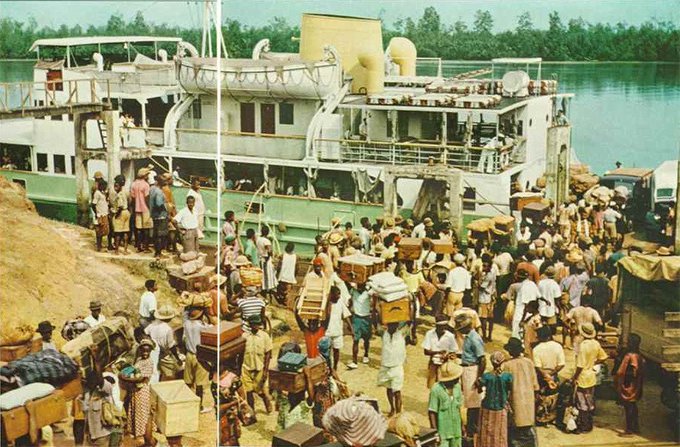
In Oru (Riverine Igbo), there’s a beautiful culture that is dying out and has dug a crater in family ties . This priced cultural practice which brings together generations of kids to interact and make friends among family ties especially on the mothers side is called Ara na umu.
The written record

Historical context
The Literal and Cultural Interpretation
Ara na umu means “breasts and children”, this practice is a yearly practice that brings together kids of every umuada back home to know their cousins and be celebrated. This practice highlights the attachment and maternal bond of children and their umunne (cousins) on their maternal side.
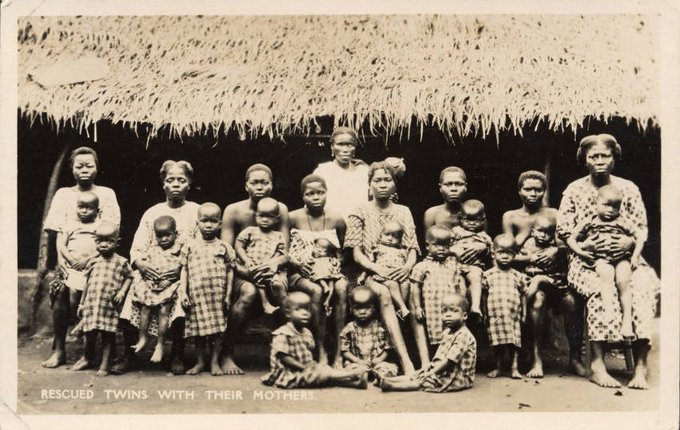
Photo: Twins with their mothers, Nigeria, ca.1920-1940.
Ties to Igbo Social Philosophy
In alaigbo, the concept of ara na umu stress the importance of nwanwa and nwadiana (has been analyzed in a previous article by us ) , especially those who are of good behavior. These nwadiana’s are brought back to their ikwunne to know their cousins and the parents of their cousins , mix with them , explore with them and also be celebrated in their ikwunne. It is here that okuko nwadiana and ewu nwadiana are also killed and cooked to welcome umu nwadiana to their ikwunne. Ara na umu is usually organized by the oldest grandmother in the family
Cultural Performances and Ceremonies
Curated dances :
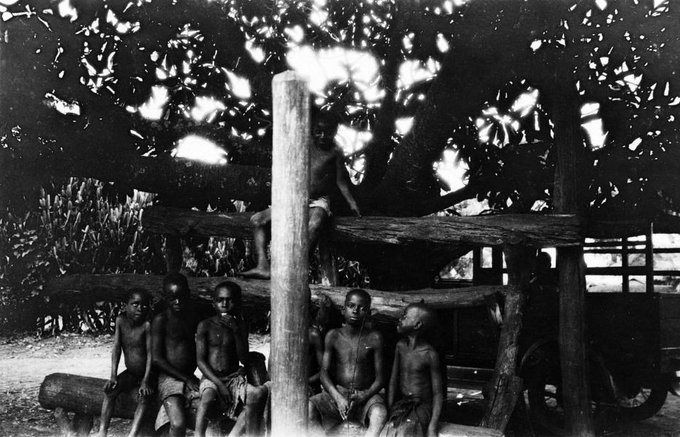
Here the diala’s perform welcome dances, freely and willingly to welcome their brethren, this follows games and a bonding period where the adults leave the children to get to know each other, interact with each other and bond. This creates tight connection and builds friendship among umunne ( diala and nwadiana)
Feasts:
After the dances and games, ewu nwadiana is cooked after being killed in their honor, kids of both umuada (nwadiana) and their brothes are served together and eat from the same plate. This is to highlight the sibling-like bond among every child thre and remind them that they are one.
Identity
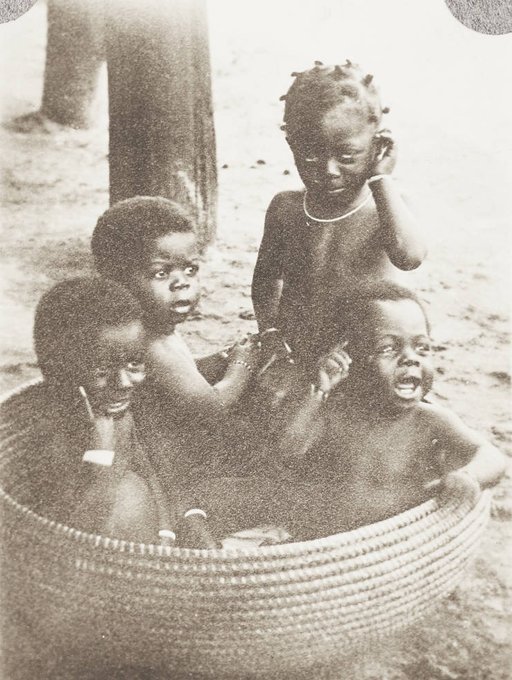
Ara na umu helps build a formidable identity where these children are showered with love and a sense of belonging to their maternal home. Here familial bonds are formed and strengthened, and partnerships for the future are forged.
Decline:
From the colonial period where families had to move to urban areas and stayed for an extended period of time, not engaging in these traditional bonding processes . As urbanization increased, it tore more families apart and most families rarely returned yearly and obviously never took part in ara na umu.
Today ara na umu is a tale told to children who care to listen and not a well practiced cultural norm. Although some families have tried to recreate this during the yearly December homecoming , nothing beats a well organized and intentional ara na umu. Looking forward to an intentional revival of this beautiful culture.
Sources and references
- Maduagwu, N. (2026, February 6). The concept of Nwa-nwa and Nwadiana in Igbo culture .
- Nzeribe, K. (2025, December 26). The Akụrụlọ mantra and how it ties to Christmas tradition in Eastern Nigeria .
Cite this article
Discussion
Sign in to join the discussion
Comments are checked by an editor before they appear. Leave a source or a correction and it is read first.
Continue reading
Related histories
 Cultural HeritageEleven Days of Nwafor Ogidi: Inside the Festival Keeping an Old Igbo Tradition AliveRead history →
 Cultural HeritageIli Ji Nkpor Obododike: The Indigenous Agricultural Ritual CycleRead history →
 Cultural HeritageMusic and Drum Traditions: Tracing the “Igbo Drum” in the AmericasRead history →
No comments yet
Nothing has been approved on this record yet. Comments are checked by an editor before they appear, so one written now shows on this page after that check.