 Ozikoro
 Cultural Heritage · Published history
The Economic Role of the Oil Palm Tree in Igbo Society: A Historical Overview
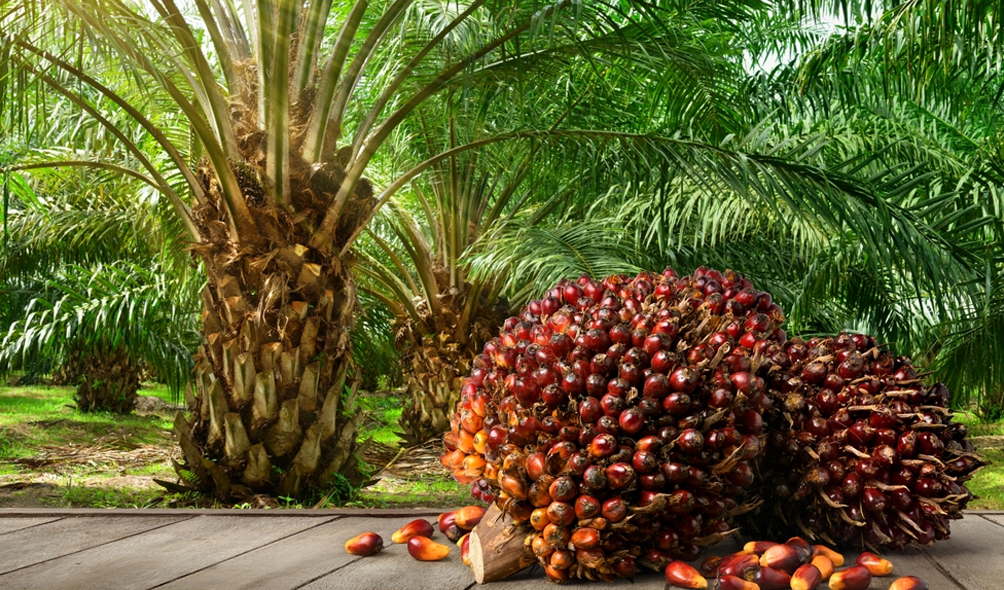
The oil palm tree, common in the green landscapes of the Igbo region in Nigeria, has been an important part of the economy for hundreds of years. Long before the arrival of Europeans, the ingenious Igbo people used the oil palm tree in many ways. Therefore, it was part of their daily life and helped to develop the economy locally. This article discusses the important history of the oil palm industry of the Igbo people, highlighting its most crucial players—women. It shows their robust contributions and the unforgettable mark they left on Trade, economy, and culture, showcasing how their efforts helped shape the very essence of society.
The written record
Historical context
Early Importance of Oil Palm in Igbo Society
The oil palm tree was valued as a key local economic crop that thrived well in the fertile southern region of the Igbo territory, referred to as Ndi-Ọsụnkwu. Its high-value products, especially palm oil and palm kernels, were important in the Trade that supported the transatlantic slave trade.
Palm oil and yams were more than commodities. They were much-needed food for those enslaved Africans forced to undergo the terrible middle passage, a perilous crossing of the Atlantic. These commodities were actively marketed at the major trading centres, with Elmina becoming one of the most important. Large quantities of palm oil were imported by European merchants, mainly from Liverpool, during the late eighteenth century, causing Trade to surge.
These numbers demonstrate a stunning increase from the measly sum of 40 tons per annum in the 1780s to a staggering 26,000 tons in 1857. Such an astronomical increase explains the palm oil industry’s importance to the economy at this time and in the regional Trade.
The Shift in Legitimate Commerce and the Role of the Women
As the transatlantic slave trade declined in the nineteenth century, palm oil became a key commodity in the “legitimate trade” of raw materials. This was driven by the Industrial Revolution sweeping Europe, which created an insatiable demand for palm oil.
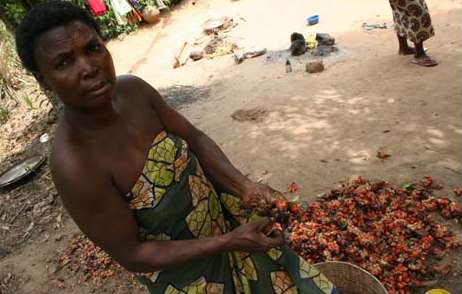
Its usefulness made it very popular for many industrial uses, such as making soap, margarine, candles, and even lubricants needed for machines to work. Women were key to all the production and processing of palm oil, as their skills and work were crucial to this hard and demanding industry. The production process needed much effort, making women indispensable as they handled the complexities of this hard job.
Traditional Ways of Producing Oil and Women’s Roles
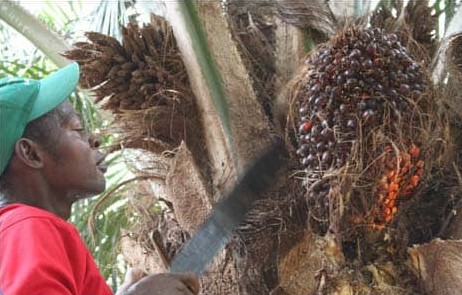
In earlier times, oil palm trees were quite productive in the wild, particularly in community lands where people from the same area nurtured them. Women played a key role in the tedious tasks of harvesting and processing palm fruits into usable oil.
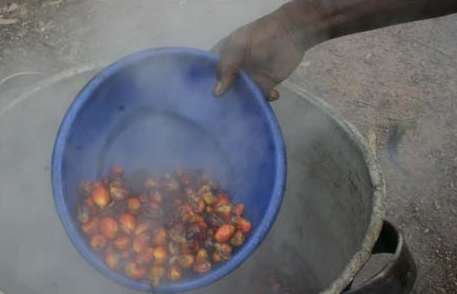
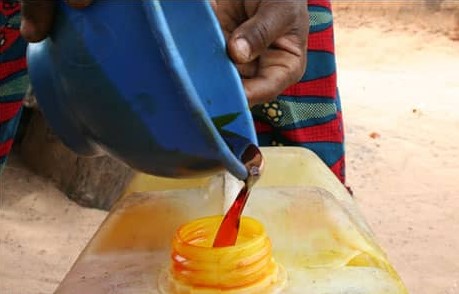
Their techniques were steeped in tradition and involved much hard work, including laborious processes like boiling the ripe fruits, pounding them carefully in strong wooden mortars called ikwe, and skimming the rich oil off the water’s surface.
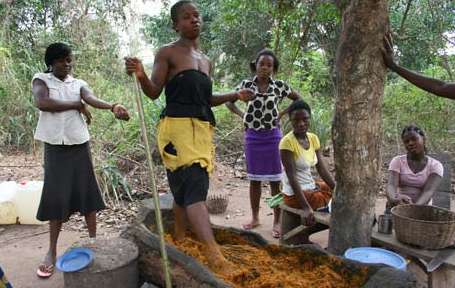
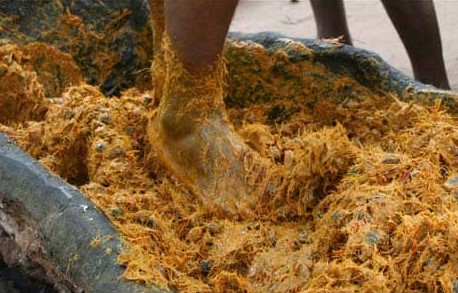
The waste products from this procedure were not left to waste; even by-products, such as fibrous waste, were ingeniously utilized as fuel, a tremendous feat of resourcefulness.
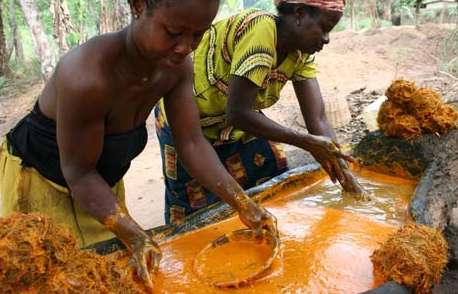
Women exclusively handled palm kernel processing and became efficient in extracting ude akị or kernel oil. This oil was used in household cosmetics, medicinal preparations, and even as nutritious animal feed.
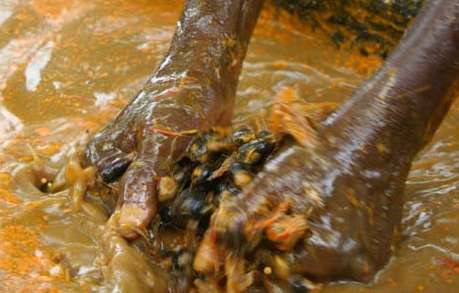
Control of production by women was a significant gain in their hands, which provided them with a greater ability to contribute substantially to their household’s sustenance and allowed them to engage in local community trade. Martin emphasizes that these women used their ability to process palm kernels to gain economic independence and meet their family responsibilities. This helped them shape their identities in both family and community life.
Impact of Commercialization on Gender Dynamics
The growing profitability of palm oil production led to a shift in ownership and control. As men began to see the money-making possibilities of palm products, they became more involved in harvesting and producing. This shift was marked by the implementation of community regulations like imachi nkwu, a system that controlled palm fruit harvesting to ensure equitable distribution and preserve resources.
The proceeds from these communally collected harvests were invested in various community projects to enhance local infrastructure and services, such as roads, schools, and hospitals
This increase in male control over production changed property rights a lot. The lineage heads, usually men, took more control over palm trees and the profits they made. Men started to become harvesters and supervisors of production, though women continued to focus on processing and selling palm kernels as their main source of income.
Though women make fundamental contributions to palm oil production, their efforts and successes were largely disregarded. It meant that the profits from the palm oil trade remained largely with men. The unfair sharing of benefits showed bigger problems with gender equality, making it hard to see how women contributed to the industry.
Innovations and Labour Organisation
In response to the surging demand for palm oil, the Igbo people responded with several innovative strategies to increase production. They replaced traditional mortars with much larger processing systems: very large pits called ikwe akwu and reused old canoes now called ụgbọ akwu to process far larger quantities of palm fruits at a time. The decision on where to process materials was increasingly influenced by their proximity to important resources like water and firewood since they were essential for good operations. To handle the growing work, a teamwork system grew strong, with both men and women working together happily. This teamwork not only made things work better but also showed a more organized way to produce goods, showing the ability of the Igbo to adapt and be creative in meeting their economic needs.
The Decline of Palm Produce Trade
From the 1880s, there was a significant decline in the palm oil market. The local farmers gradually and deliberately changed their orientation to growing and selling cassava. This tropical root crop became better as palm oil prices fell, offering more money. When efforts to stabilize the palm oil market did not succeed, many Igbo women, who had always been key players in the palm oil industry, shifted their skills and resources into growing cassava. The change showed their ability to adapt and pointed out the changing economy in the area.
Once the cornerstone of the Igbo economy, the oil palm tree showcases a rich history intertwined with the lives and efforts of Igbo women, who played an essential role in its cultivation and Trade. These women played a crucial role in cultivating and selling the oil palm. Their work was not just about earning a living; it transformed people’s ways of life, moving from subsistence farming to participating in global markets. With this resilience and through such innovative strategies, Igbo women built strong community ties and wove a complex social and economic fabric that strengthened their neighbourhoods. Despite many challenges, these women’s strong spirit and important work show how gender shaped economic practices in pre-colonial Igbo society. The history of the palm oil industry is not just a story of the past but also proof of the Igbo people’s great strength and ability to adapt.
References
- Welsh, J. (1975). A voyage to Benin beyond the country of Guinea. In T. Hodgkin (Ed.), Nigerian perspectives: An historical anthology (2nd ed., first published 1960). Oxford University Press.
- Gwilym Jones, From Slaves to Palm Oil: Slave Trade and Palm Oil Trade in the Bight of Biafra (Cambridge: African Studies Center, Cambridge, 1989).
- B. N. Ukegbu, “Production in the Nigerian Oil Palm Industry: 1900-1954,” PhD Thesis, University of London.
- Northrup, D. (1978). Trade without rulers: Pre-colonial economic development in South-Eastern Nigeria. Clarendon Press.
- Martin, S. M. (1988). Palm oil and protest: An economic history of the Ngwa region, south-eastern Nigeria, 1800–1980. Cambridge University Press.
- J. G. C. Allen, “Ngwa Customs,” 1933.
- Sawer, M., & Baker, K. (Eds.). (2019). Gender innovation in political science: New norms, new knowledge. Palgrave Macmillan.
Cite this article
Continue reading
Related histories
 Cultural HeritageEleven Days of Nwafor Ogidi: Inside the Festival Keeping an Old Igbo Tradition AliveRead history →
 Cultural HeritageIli Ji Nkpor Obododike: The Indigenous Agricultural Ritual CycleRead history →
 Cultural HeritageMusic and Drum Traditions: Tracing the “Igbo Drum” in the AmericasRead history →
No comments yet
Nothing has been approved on this record yet. Comments are checked by an editor before they appear, so one written now shows on this page after that check.