 Ozikoro
 Ethnohistory · Published history
The Ekpe Society: How a Secret Leopard Society Became the Judicial, Legislative, and Executive Branch of the Efik State
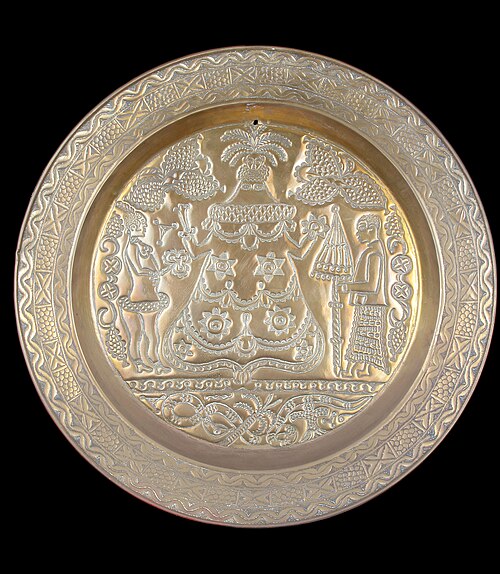
In pre-colonial West Africa, traditional political systems varied widely from centralized monarchies to segmentary societies. Among the Efik people of southeastern Nigeria, perhaps no institution was as integral to governance, justice, and communal regulation as the Ekpe Society. Known variously as Egbo, Mgbe, or the Leopard Society, Ekpe was far more than a secret fraternal order, it functioned historically as the legislative, judicial, and executive authority within Efik and broader Cross River societies.
The written record
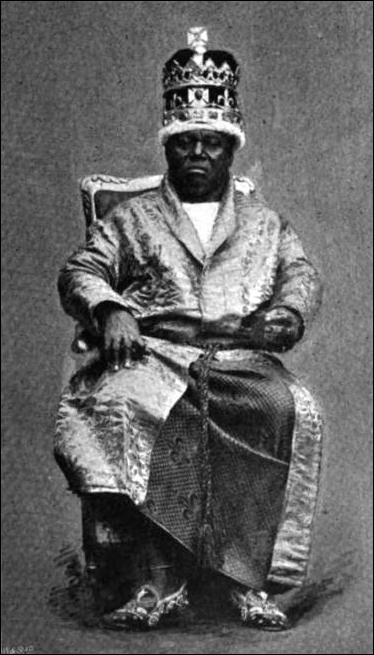
Photo credit; cambridge university press
Historical context
Origins and Spread of the Ekpe Society
The term Ekpe translates literally to “leopard” in the Efik language, symbolizing strength, mystery, and authority. Although exact origins are debated, the society is believed to have emerged among the Ejagham and related Cross River peoples, including the Efik, Ibibio, and Uruan, before expanding across neighboring regions such as Arochukwu and Oron. Over time, it grew into a powerful secret society with political and social authority as well as ritual significance.
Ekpe’s influence also extended beyond Nigeria’s borders; its traditions and Nsibidi ideographic script appear in the traditions of diasporic communities in places like Cuba and Brazil, underscoring the cultural breadth of its reach.
Organizational Structure and Membership
Membership in Ekpe was (and in some areas remains) strictly male, with initiates bound by solemn oaths of secrecy. Prospective members had to undergo graded initiations, with each level conferring new responsibilities, privileges, and spiritual authority. Societal grades often included ranks such as Nkanda, Nyamkpe, Okpoho, and Mgbè hierarchies that reflected both ritual knowledge and civic authority.
Initiation was costly, involving fees and elaborate ceremonies. Advancement through grades frequently required not only financial means but also demonstration of moral integrity and commitment to the well-being of the community. Higher ranks were usually open only to wealthier members, making Ekpe both a symbol of elite status and a central mechanism for governance.
Legislative Functions: Making Community Law
Unlike many secret societies that operated primarily as ritual fraternities, Ekpe quickly assumed legislative authority in Efik society. Before colonial institutions were imposed, it was the Ekpe society that enacted community norms and regulations, established fines and sanctions for wrongdoing, articulated trade standards and social obligations, and formulated laws governing common conduct within and between Efik towns.
In Calabar, even foreign traders and missionaries engaged within a legal environment shaped by Ekpe norms; for example, missionaries relied on the society’s backing when enforcing early bans on practices such as human sacrifice.
The society’s legislative reach was so dominant that historians note local chiefs, including the Obong of Calabar, were often required to be senior members to give official force to community laws.
Judicial Authority: A Court of Final Appeal
Ekpe was also the supreme judicial body in Efik communities. It heard disputes that ranged from interpersonal quarrels to conflicts between kinship groups or corporate houses. Its judicial processes were that both social and spiritual decisions were believed to reflect not only human judgment but also ancestral and supernatural sanction.
Once Ekpe reached a verdict, it was considered binding. Members could impose penalties including fines and economic sanctions, ostracism or boycotts, temporary interdiction from trading activities, spiritual bindings compelling truthfulness and compliance.
To underscore its spiritual weight, accused persons sometimes swore oaths before Mbiam Ekpe, an Ekpe spiritual registry with the belief that supernatural punishment (even sudden death) might befall the guilty.
This mixture of legal and sacred sanction enhanced the society’s authority, creating a system in which judicial judgments were respected and difficult to subvert.
Executive Roles: Enforcement and Social Order
After legislating and judging, Ekpe also functioned as the executive arm of governance. Once decisions were made, Ekpe enforcers, sometimes masked to embody the spirit of the leopard carried out punishments and monitored compliance.
In the Efik city-states of Old Calabar, Ekpe’s enforcement mechanisms included deploying night guards, imposing house or town boycotts, stopping illicit behavior, collecting fines on behalf of the community, and regulating trade disputes between House interests.
Ekpe’s agents acted as a kind of community police force, maintaining internal peace and social order in ways that rivaled early state institutions.

Photo credit; Wikimedia commons
Social Regulation and Economic Functions
Ekpe’s authority extended beyond politics and law into social discipline and economic regulation. The society enforced norms around trade fairness, social decorum, and communal responsibilities essential in a region highly involved in foreign commerce from the Atlantic slave trade through the palm oil economy.
Efik households were organized into trading “houses” (ufok), whose heads (etubom) exercised economic and political influence. Ekpe worked alongside this system, resolving disputes, penalizing fraudulent merchants, and coordinating sanctions when necessary.
Membership in Ekpe strengthened political alliances across towns since members from one village were often accepted by Ekpe networks in another fostering regional integration and unity.
Spiritual Dimension and Ritual Authority
While Ekpe’s political power was striking, its authority rested fundamentally on spiritual beliefs. Ekpe society members invoked the mysterious spirit of the leopard believed to reside in forests and symbolized through masquerades to enforce laws and moral codes.
The use of Nsibidi symbols an indigenous ideographic script associated with Ekpe, reinforced secrecy and legitimacy. Nsibidi conveyed messages understood only by initiates and underscored the society’s spiritual authority.
Rituals and masquerades dramatized the moral order, symbolized enforcement, and reaffirmed community cohesion, making Ekpe not just a political institution but a spiritual protector of communal values.
Transition and Legacy
The arrival of colonial rule and modern state institutions diminished Ekpe’s direct governmental roles, but its influence persisted. In the colonial era, local courts and councils existed alongside Ekpe enforcement, creating a hybrid legal environment. Today, Ekpe continues primarily as a cultural and ceremonial institution, celebrated in festivals and masquerade performances, though it no longer holds executive power over daily governance.
However, its legacy remains central to understanding Efik political organization. Before the introduction of European legal systems, Ekpe was the de facto government making laws, adjudicating disputes, and enforcing social order across Efik and neighboring societies.
The Ekpe Society of the Efik people was far more than a secret male fraternity. It embodied a complex system of governance that integrated legislative creation, judicial judgment, and executive enforcement functioning effectively as the governing body of Efik society. Its authority was rooted in sacred beliefs and reinforced through rituals, hierarchies, and shared spiritual understanding. Although its political power waned with colonialism and modern state mechanisms, Ekpe’s historical role as a branch of governance reveals the sophistication of indigenous West African institutions and challenges simplistic narratives of pre-colonial political organization.
Sources and references
- Ekpe. (2025). In Wikipedia, The Free Encyclopedia.
- Efik people. (2025). In Wikipedia, The Free Encyclopedia.
- Ekpe society. (n.d.). In Britannica.
- Historical Nigeria. (2025). The Efik and the Ekpe society: Power, ritual and identity in Old Calabar .
- Sapientia Global Journal of Arts, Humanities and Development Studies. (2024). The Ekpe Society (Vol.7 No.2, pp.91–102).
Cite this article
Discussion
Sign in to join the discussion
Comments are checked by an editor before they appear. Leave a source or a correction and it is read first.
Continue reading
Related histories
 EthnohistoryGbam, Chai, Ewo: How Igbo Expressions Became the Language of Nigerian Pop CultureRead history →
 EthnohistoryAro Merchant Network: Historical Trade Integration in the Cross-Niger RegionRead history →
 EthnohistoryTransition to Commodities in the aro confederacy(e.g., Palm Oil, Ivory, Cloth)Read history →
No comments yet
Nothing has been approved on this record yet. Comments are checked by an editor before they appear, so one written now shows on this page after that check.