 Ozikoro
 Cultural Heritage · Published history
The Golden Burden: Why Northern Igbo Women Wore Brass Anklets for Life
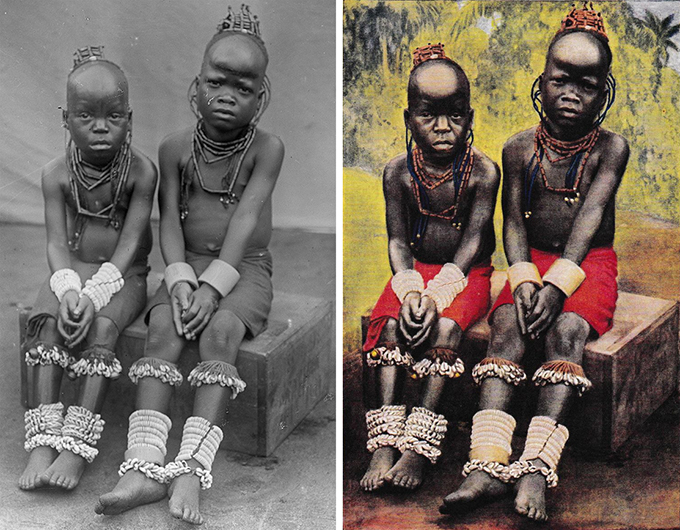
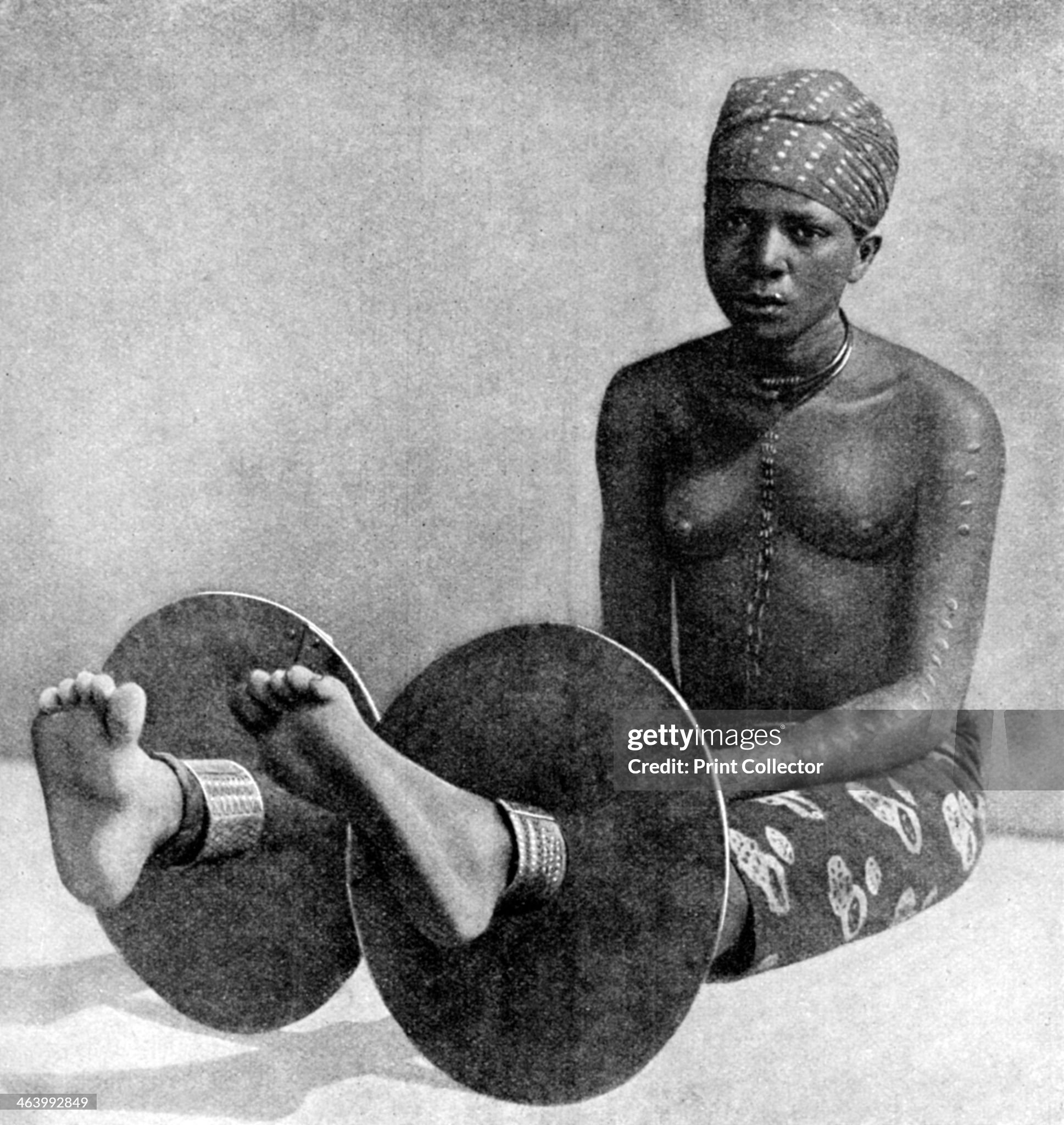
In the historical consciousness of the Northern Igbo specifically the sub-groups within the Nri-Awka and Nsukka axes, the image of a woman adorned with massive, gleaming brass discs is one of the most enduring symbols of pre-colonial prestige. These anklets, known variously as Ọla-arọ (heavy brass) or Ọmụmụ, were not mere fashion statements to be donned and removed at a whim. For the elite women of Northern Igboland, these ornaments were “permanent fixtures” of their identity, often hammered onto their limbs in adolescence or upon marriage and worn until death. The practice was a sophisticated blend of “economic display,” “ritual sanctity,” and “social control.” This article explores the metallurgical origins, the socio-economic motivations for lifelong wear, and the multifaceted reasons behind the eventual decline of this striking cultural tradition.
The written record
Historical context
Origins and the Metallurgy of Power
The tradition of wearing brass anklets is deeply rooted in the history of West African metalwork and the expansion of trade networks;
The Legacy of Awka Smiths: The Northern Igbo region was the home of the renowned Awka blacksmiths and carvers. These traveling smiths were the “engineers of status,” possessing the secret techniques of the “lost-wax” casting process and the ability to forge heavy copper alloys into smooth, wearable art.
Manillas as Raw Material: With the advent of the Atlantic trade, “manillas” (C-shaped brass or copper bracelets) flooded the Niger Delta. Northern Igbo smiths melted these imported currencies to create the large, flat discs characteristic of the region. This transformed “foreign money” into “local prestige.”
Sacred Associations: Copper and its alloys were associated with the sun and the “Earth Goddess” (Ala). Because the metal did not rust and maintained a golden luster when polished, it was viewed as a “divine substance” that could protect the wearer from spiritual impurities.
The Lifelong Commitment: Why They Were Not Removed
Unlike modern jewelry, the Northern Igbo anklets were often a “permanent modification” of the body. The decision to wear them for life was driven by several systemic factors;
Anchoring Social Status: The anklets were usually granted when a woman’s husband took a high-level Ozo title or when she herself attained the rank of Lolo. Removal of the anklets was seen as a “renunciation of rank” or a sign of family bankruptcy. To wear them for life was to provide a “permanent testimony” to the family’s enduring wealth.
The Mechanics of Fitting: The anklets were often fitted by a smith who would hammer the metal shut or weld the ends together while the metal was still warm or pliable. The process was so intensive and the metal so thick that removing them required a professional smith to literally “break” the status, a process that was both costly and socially stigmatized.
The Aesthetic of the Gait: Over years of wearing several pounds of brass on each leg, women developed a distinctive “swinging gait.” The discs were often so wide that the wearer had to walk with legs apart to prevent the plates from clashing. This “noble stride” became a part of the woman’s physical identity; removing the weight would literally change the way she moved, marking her as someone who had “fallen from grace.”
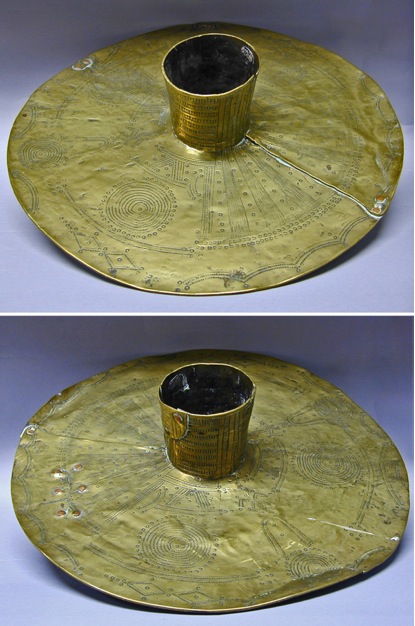
Photo Credit: The British Museum / Department of Africa, Oceania and the Americas.
Economic and Social Functions
The anklets functioned as a “living bank account” and a tool for defining the female experience in the Northern Igbo hierarchy;
Portable Wealth: In a society without paper money or digital ledgers, a woman’s legs carried the “family’s capital.” In times of extreme communal crisis or famine, the brass could be “liquidated” (melted down) to support the household, though this was considered a last resort.
Exemption from Labor: A woman wearing the massive Ọla-arọ was physically incapable of performing “menial farm labor” or trekking long distances for water. Thus, the anklets served as a “visual proof of leisure.” They signaled that the wearer was a woman of such high station that she had “servants or younger kin” to perform the grueling tasks of the soil.
The Marital Bond: In many cases, the anklets were a “gift of marriage.” They acted as a physical manifestation of the husband’s ability to “provide and protect,” effectively “binding” the woman to the socio-economic structure of her husband’s House.
Cultural Symbolism and Ritual Purity
Beyond wealth, the anklets were “spiritual conductors” that demarcated the sacred from the profane;
Ritual Barriers: It was believed that the “ring of brass” acted as a barrier against malevolent spirits that crawled upon the earth. A titled woman, being closer to the ancestors, required this “metallic shield” to maintain her ritual purity.
Uli and Brass: Titled women often paired their brass anklets with intricate Uli body painting. The contrast between the dark, organic dyes and the bright, industrial brass created a “visual harmony” that represented the balance between the “human forest” and the “world of crafted metal.”
The Decline: Why the Tradition Faded
By the mid-20th century, the sight of women in heavy brass anklets had become a rarity. The decline was precipitated by a “perfect storm” of colonial, religious, and economic shifts;
Missionary Disruption: Christian missionaries were perhaps the most vocal opponents of the practice. They viewed the anklets as “symbols of pagan titles” and “idolatrous pride.” Converts were often required to “cut off their brass” as a prerequisite for baptism, a symbolic act of breaking with the ancestral past.
The Shift to Colonial Currency: As the British colonial administration replaced manillas and cowries with the “shilling and the pound,” brass lost its status as a “hard currency.” The intrinsic value of the anklets evaporated, and they were viewed more as “cumbersome relics” than as viable financial assets.
Western Education and Mobility: The rise of Western-style schools and the “urbanization” of Sapele, Warri, and Enugu demanded greater physical mobility. A woman could not easily work as a “teacher, nurse, or clerk” while wearing ten pounds of brass on her legs. The “noble gait” was replaced by the “functional stride” of the modern professional.
The Adoption of Ivory: For those who still wished to display high status, Ivory tusks (Ọdu) became the preferred alternative. Ivory was lighter, more expensive, and critically removable. This allowed for the display of status during “ceremonial occasions” without the burden of lifelong attachment.
The tradition of Northern Igbo women wearing brass anklets for life was a profound expression of “embodied history.” For centuries, these golden weights anchored women to their social roles, protected them through spiritual symbolism, and broadcasted the economic might of their lineages. While the “permanent wear” of brass has vanished under the pressures of Christianity and modern economic structures, the legacy lives on in the “aesthetic DNA” of the Igbo people. Today, these anklets are viewed as “masterpieces of African art,” reminding the modern world of an era when a woman’s worth was measured not just in her words, but in the “golden resonance” of her footsteps.
Sources and references
- Achebe, C. (1958). Things Fall Apart. London: Heinemann. (Describing the social significance of titles and female adornment).
- Cole, H. M., & Aniakor, C. C. (1984). Igbo Arts: Community and Cosmos. Los Angeles: Museum of Cultural History, University of California.
- Eyo, E., & Willett, F. (1980). Treasures of Ancient Nigeria. New York: Alfred A. Knopf.
- Herbert, E. W. (1984). Red Gold of Africa: Copper in Precolonial History and Culture. Madison: University of Wisconsin Press.
- Neaher, N. C. (1979). Nigerian Bronze Bells. African Arts, 12(3), 42-47. (On the metallurgical traditions of the Awka district).
- Shaw, T. (1970). Igbo-Ukwu: An Account of Archaeologic al Discoveries in Eastern Nigeria. Evanston: Northwestern University Press.
Cite this article
Discussion
Sign in to join the discussion
Comments are checked by an editor before they appear. Leave a source or a correction and it is read first.
Continue reading
Related histories
 Cultural HeritageEleven Days of Nwafor Ogidi: Inside the Festival Keeping an Old Igbo Tradition AliveRead history →
 Cultural HeritageIli Ji Nkpor Obododike: The Indigenous Agricultural Ritual CycleRead history →
 Cultural HeritageMusic and Drum Traditions: Tracing the “Igbo Drum” in the AmericasRead history →
No comments yet
Nothing has been approved on this record yet. Comments are checked by an editor before they appear, so one written now shows on this page after that check.