 Ozikoro
 Ethnohistory · Published history
The Great Dispersion: Why the Efik Left Arochukwu and the Religious Dispute over the “Long Juju”
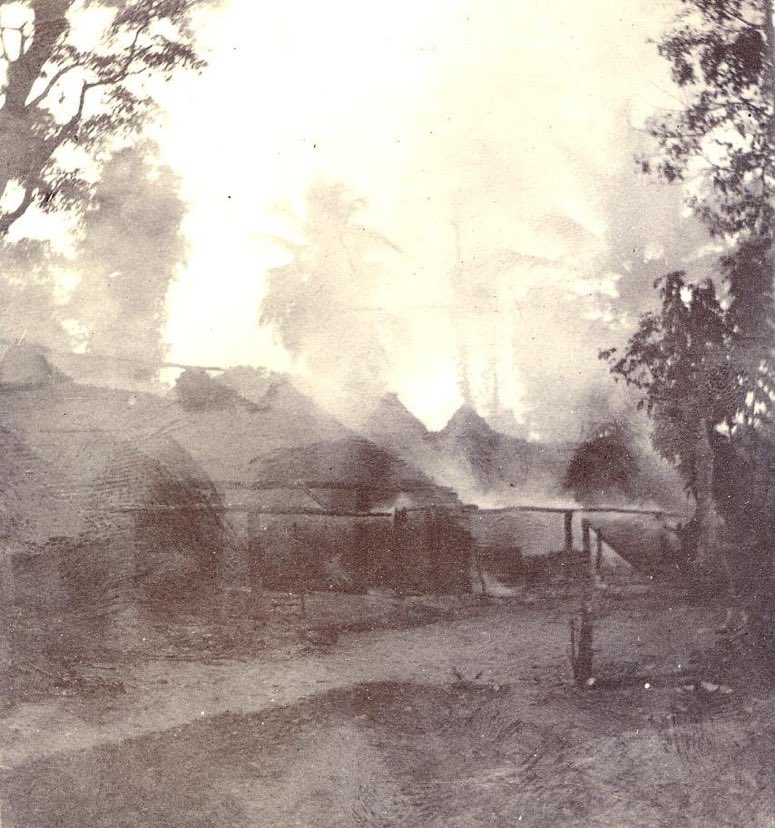
The history of the Efik people of southeastern Nigeria is deeply rooted in migration, cultural conflict, and religious identity. Long before they became renowned as coastal traders in Old Calabar, the Efik lived inland, including a period at Arochukwu, a powerful religious and commercial center ruled by the Aro people. Conflicts over religious practice, particularly the refusal of the Efik to worship the famous “Long Juju” oracle (Ibini Ukpabi), contributed to a major dispersion that reshaped Efik settlement patterns. This article explores the origins of that migration, the religious dispute at its center, and how it influenced the eventual settlement of the Efik along the Cross River.
The written record
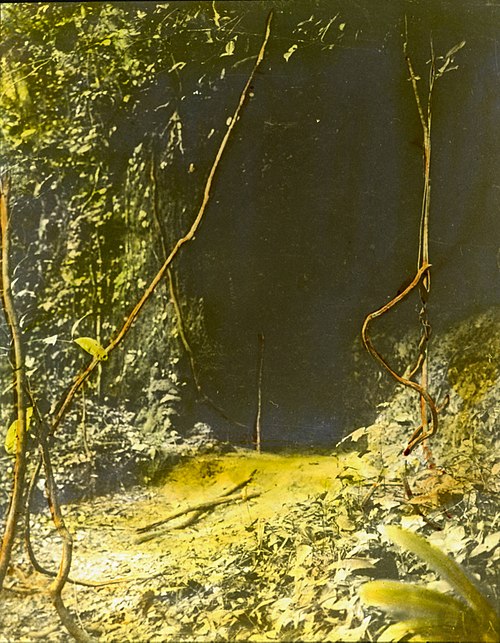
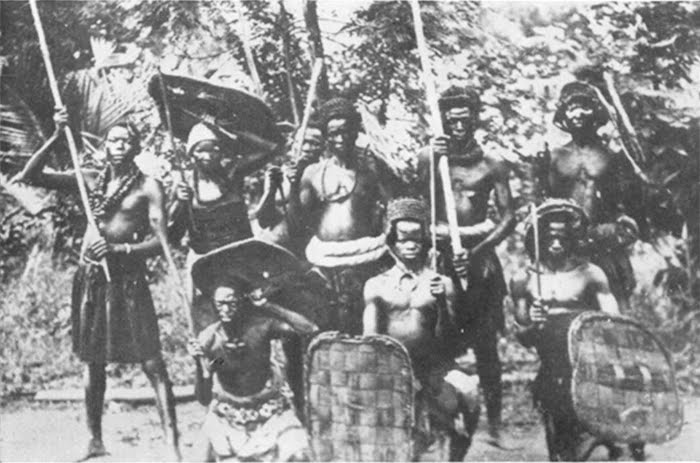
Photo credit: Wikipedia
Historical context
Efik Origins and Early Settlement Patterns
The Efik are an ethnic group of the Cross River region whose language belongs to the Benue-Congo branch of the Niger-Congo family. Historically, they migrated down the Cross River and established important settlements such as Creek Town and Duke Town in Old Calabar. Their early history, however, involves periods of inland settlement among various communities, and according to some oral traditions a significant stay at Arochukwu prior to later relocation to Uruan and then the Cross River delta.
Arochukwu, situated in what is now southeastern Nigeria, was the center of the Aro Confederacy, a network of allied communities known for their religious and judicial power centered on the Ibini Ukpabi oracle, widely known as the “Long Juju” to European observers. The oracle was a spiritual institution consulted by neighboring groups and served as a kind of ultimate court of appeal.
Arochukwu and the “Long Juju” Oracle
The Long Juju (known formally as Ibini Ukpabi) was an oracle associated with the Arochukwu confederacy. Housed in a revered shrine, it was believed to resolve disputes including cases of murder, witchcraft, and other serious charges through spiritual pronouncement. The decision of the oracle was final, and those judged negatively were either sacrificed or, more controversially, sold into slavery after verdicts were manipulated for economic gain.
Its influence extended across the interior and coastal regions of southeastern Nigeria as pilgrims and litigants from the Igbo hinterland, Ijaw, Efik, Ibibio, and other peoples traveled to consult it. The authority of the oracle buttressed Aro political and commercial influence, which included trade networks and disputes settlement mechanisms throughout the region.
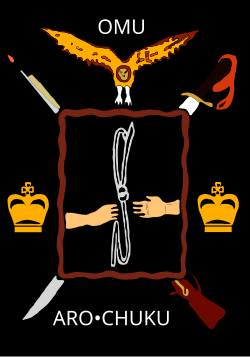
Photo credit; Wikipedia.
The Efik at Arochukwu: Coexistence and Conflict
Although details vary among oral accounts, one widely cited tradition recorded during the Hart Commission of Enquiry holds that the Efik migrated from a place known as “Niger” (a debated term with no certain geographic anchor) to Ibom (identified with Arochukwu) where they settled among the Aro.
During their stay, the Aro as religious and political hosts expected the Efik to adopt worship of the Long Juju (Ibiritam or Chukwu). However, the Efik refused, asserting loyalty to their own supreme deity, Abasi Ibom, a god distinct from the Aro oracle.
This refusal was not a minor theological disagreement. In a society where spiritual and political authority were inseparable, declining to honor the Long Juju challenged the very foundation of Aro influence and prestige. The Aro responded by urging the Efik to leave if they would not embrace the oracle.
Religious Dispute and the Decision to Leave
Faced with growing pressure, the Efik resisted accepting the Aro religious order. According to the Hart Commission account, tensions escalated to the point that the Aro planned to compel the Efik to conform through a show of force. The Efik reportedly attempted to secure mercenary support from neighboring warrior societies such as Ohafia and Abam, but complications in these negotiations limited direct military engagement.
The core of this religious dispute lay in contrasting spiritual cosmologies: the Aro demanded spiritual submission to the Long Juju, while the Efik asserted their distinct devotion to Abasi Ibom and a rejection of the oracle’s supremacy. For the Aro, the oracle was central to regional authority; for the Efik, it represented an imposition on their own religious autonomy. The resulting friction was critical in precipitating their departure from Arochukwu.
Migration to Uruan and Further Movement
After leaving Arochukwu, most Efik groups moved to Uruan, which is located in present-day Akwa Ibom State. Here the Efik lived alongside indigenous peoples, coexisting for a period before further relocations to islands such as Ikpa Ene and Ndodoghi, and ultimately crossing the Cross River to settle permanently in Creek Town and the wider Old Calabar area.
Oral traditions vary on the timing and specifics of these subsequent movements, but they generally emphasize a pattern of settlement, friction, and relocation sometimes involving interpersonal and ritual disputes that continued beyond the initial conflict at Arochukwu. The name “Efik” itself, according to some accounts, was derived from a neighboring group’s characterization of them as “oppressors,” reflecting complex intergroup perceptions during these migrations.
The Long Juju and Religious Identity
The dispute over the Long Juju oracle underscores the centrality of religion in shaping early social and political relationships in the Cross River hinterlands. For the Aro Confederacy, the oracle was not only a spiritual institution but also a unifying mechanism for administering justice and extending influence. Efforts to integrate, or at least neutralize, incoming groups like the Efik into those religious orders were part of broader strategies for maintaining cohesion and dominance.
The Efik refusal highlighted a determination to preserve an autonomous religious identity, rooted in their own deity Abasi and local ritual systems, a choice that ultimately influenced their migration trajectory and shaped their collective identity as they moved toward the coast.
The Efik departure from Arochukwu did not erase connections to interior traditions, but it did mark a defining moment in their history. Their refusal of the Long Juju oracle and subsequent relocation allowed them to establish distinct political and cultural institutions along the Cross River. In later centuries, they became influential traders and cultural intermediaries between inland peoples and European merchants.
The story of the Great Dispersion reflects broader themes of religious autonomy, cultural negotiation, and migration in West African history illustrating how spiritual beliefs can shape long-term patterns of settlement and identity formation.
The migration of the Efik from Arochukwu, prompted in large part by a religious dispute over the Long Juju oracle, highlights the complex interplay between faith, power, and community in precolonial southeastern Nigeria. Beset by pressure to conform to Aro religious authority, the Efik chose to maintain their spiritual traditions and seek new homes, a decision that helped forge their distinct historical path. This episode is a powerful example of how religion and belief systems can catalyze large-scale social change and contribute to the rich tapestry of African history.
Sources and references
- Arochukwu. (2024). In Wikipedia, The Free Encyclopedia.
- Aro Confederacy. (2024). In Wikipedia, The Free Encyclopedia.
- Ibini Ukpabi. (2024). In Wikipedia, The Free Encyclopedia.
- Efik people. (2024). In Britannica.
- THE OKOHO GROUP: Account of Efik History and Migrations at the Hart Commission of Enquiry by Etubom Edem Ekpenyong Efiom Ededem. (2023). Efik Heritage.
- Efik historical summary. (2019). ConnectNigeria Articles.
Cite this article
Discussion
Sign in to join the discussion
Comments are checked by an editor before they appear. Leave a source or a correction and it is read first.
Continue reading
Related histories
 EthnohistoryGbam, Chai, Ewo: How Igbo Expressions Became the Language of Nigerian Pop CultureRead history →
 EthnohistoryAro Merchant Network: Historical Trade Integration in the Cross-Niger RegionRead history →
 EthnohistoryTransition to Commodities in the aro confederacy(e.g., Palm Oil, Ivory, Cloth)Read history →
No comments yet
Nothing has been approved on this record yet. Comments are checked by an editor before they appear, so one written now shows on this page after that check.