 Ozikoro
 Cultural Heritage · Published history
The Igbo-African Ecology and Worldview: A Framework for Sustainable Eco-Communitarianism
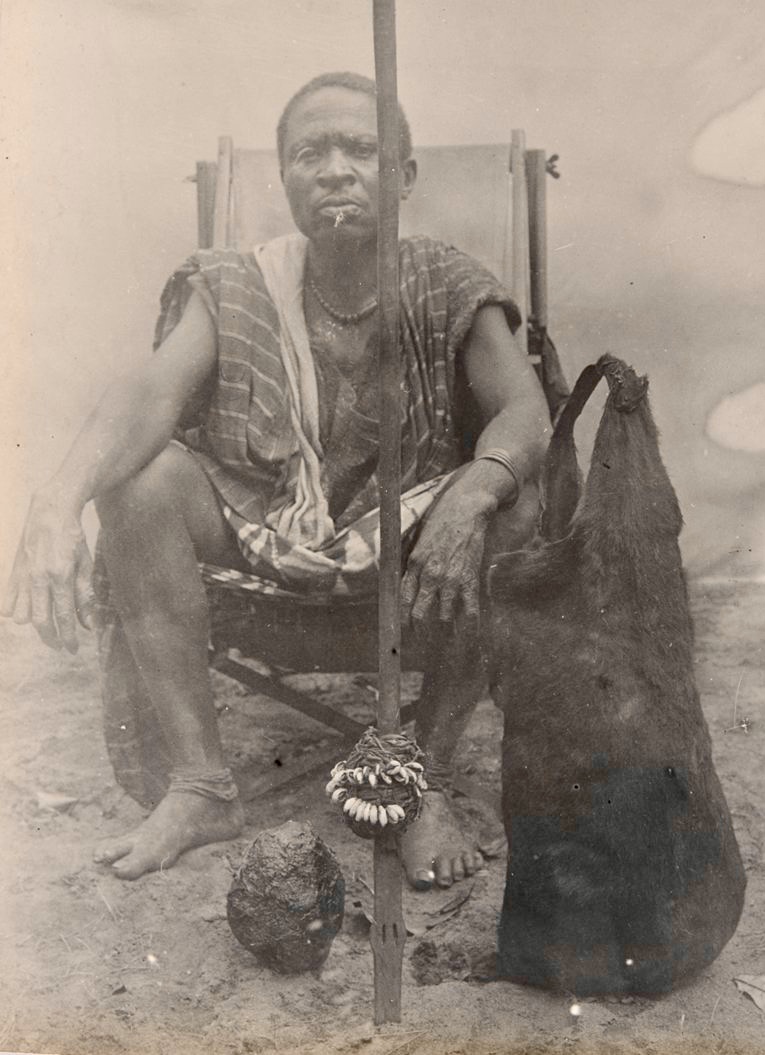
The Igbo people have a strong relationship with nature and many cultural practices that teach people good ways to protect the environment. Their traditional way of life is farming, fishing, and craftwork, which depends on nature. Despite colonization, globalization, and their adventurous spirit having changed many things, the Igbo still hold strong to their primary values: love for nature, community life, and respect for life. This article will talk about how Igbo people see the world, how they relate to nature, what eco-communitarianism means, and how all this can help us protect the environment despite its having some limits.
The written record
The Igbo Worldview: A Web of Ontological Interconnectedness
Historical context
The way Igbo people see life, everything, humans, animals, and spirits, is connected. They believe that everything is linked spiritually and not only physically. As scholar Ogugua says, “The Igbo world is one, everything is connected like the web.” This way of thinking made them believe everybody has a role and should live peacefully with people and nature.
They believe in something they call “vital force”; it is the life power in all living and non-living things. In their belief, God (Chukwu) is at the top, followed by spirits, ancestors, elders, humans, animals, plants, and even stones. Some animals or trees have more power, like owls, parrots, tortoises, kola nuts and iroko trees. Because of this belief, they are cautious about how they treat nature to avoid offending the spirit beings. “That is why they are careful on how they do things so that no spirit would get offended, whether they know it or not.”
The Igbo world is also full of religious symbols and rituals. Their traditional world, gods, ancestors, and sacred things all join to form one local system of belief. Story, myth and everyday talk show how humans, spirits and animals live and interact. It is a world full of stories, myths and drama where human beings, spirits and animals act together.
Ecological Sensibility and Cultural Practices
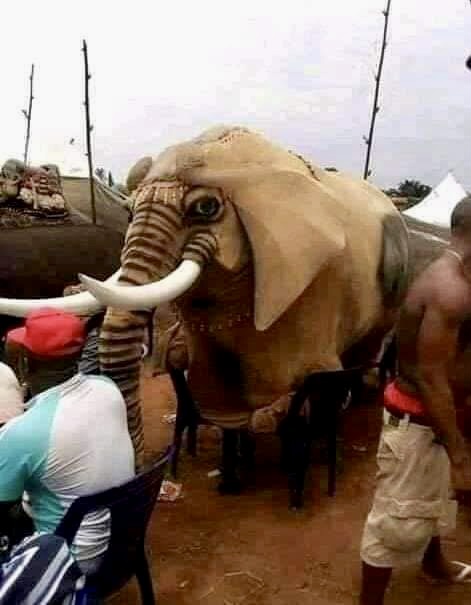
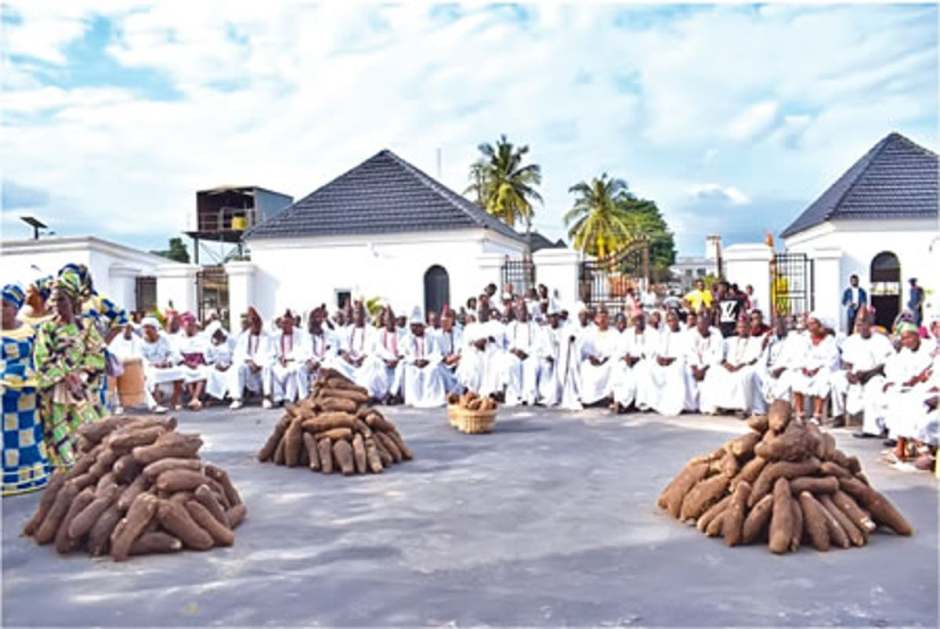
Igbo people do not just use nature; they love and care for it. They plant and farm but still protect and admire nature because of its beauty and value. Their cultural life shows this love, like in festivals where they celebrate harvest: the New Yam Festival, the Cocoa Yam Festival, and the Pumpkin Leaf Festival.
Some animals, like dogs and cats, are for friendship; others, like owls and tortoises, have spiritual meaning. This shows that Igbo people give and take from nature, not just use it.
Despite their issues, they are still careful not to destroy nature. People who do not understand say it is idol worship, but the truth is that it is a deep respect for nature.
Igbo-African Eco-Communitarianism: A Holistic Approach
This eco-communitarianism is an idea that says the community is not only meant for humans; animals, trees, and other natural things are also part. The whole system is connected; if one part is spoiled, everyone will experience it. So their approach is holistic, everybody and everything is an issue.
The idea of connection and movement between things does drive this belief. The bond between humans and nature extends to animals, plants and stones. This idea is based on modern thought. As Chiras said, “Animals and plants depend on each other inside one big web.” “We humans are part of the whole world system.”
This kind of belief is what philosopher Heidegger called Mitsein, “being with”, everybody is inside the same shared world. The Igbo-African eco-communitarian way of life can help answer big questions like how we would treat future generations and unborn children, because it focuses on long-term thinking.
Igbo-African Eco-Communitarian Ethics
Despite the Igbo way of thinking centered around human beings, they do not forget nature. Their ethics and behavior are based on community life and their relationship with spirits, people and the environment. African ethics teaches a person how to grow by being good to others, including animals and nature. Ekei calls this idea “cosmic responsibility.”
This kind of belief limits what humans can do. In ecology, ethics is a way to control how we behave so we wouldn’t destroy everything. Igbo has one proverb: egbe bere ugo bere, “let kite perch, let eagle perch too”, which means to live and let live. It’s just like what Heidegger said, “let being be.”
What is right or wrong is not fixed everywhere. For example, killing a monkey is okay in some Igbo places, but in others, it is taboo. So, morality depends on the place and people.
Vitality, life or ndu, is the principal value. A name like Ndubuisi (“life is the most important”) shows that in Igbo, life is more than everything else. While other religions do aim for heaven or nirvana, in Igbo, it is life itself that is the highest goal. This mindset promotes duty to everything: people, animals, nature, and even those who have not yet given birth.
Epistemology and Language in Igbo Eco-Communitarianism
Igbo people know and understand the world by seeing everything as one big connected system. Their way of learning things is practical, even if sometimes it is story-like or spiritual. Their language is full of images, stories and myths that show their strong connection to nature. It is not too studious but instrumental in protecting the environment.
Strengths and Limitations of Igbo-African Eco-Communitarianism
This eco-communitarian way of life has a strong point. It shows how everything is connected, respects nature, and matches modern sustainability ideas that say humans are part of nature. It does not treat nature as something that we would use anyhow. It fights against the contemporary notion that says, “Let nature take its course.” Heidegger calls this thinking “frontier mentality.”
But it has some issues. Because it comes from one local culture, it can be hard to use it everywhere. The idea that sees everything as a spirit can make some people think it is a worship of nature, limiting how we can use natural resources. Balance is the key; let’s not do too much or too little.
A Path Toward Sustainability
The Igbo-African eco-communitarian belief system, which sees everything as connected, is aware of things, and guides moral behavior, is a strong way to handle environmental issues. It has a vision for tomorrow and considers those who have not yet given birth. Though it has minor issues like being too local and looking like nature worship, it still shows that humans can live in peace with nature if we see it as sacred and accept that we are responsible for caring for it.
In this world that faces serious environmental problems, Igbo eco-communitarian ideas are a reminder that sustainability starts from how we see our place in the big web of life.
Refereneces
Ufearoh, A., & Onebunne, J. (n.d.). Eco-Communitarianism: An Igbo-African Perspective
Cite this article
Discussion
Sign in to join the discussion
Comments are checked by an editor before they appear. Leave a source or a correction and it is read first.
Continue reading
Related histories
 Cultural HeritageEleven Days of Nwafor Ogidi: Inside the Festival Keeping an Old Igbo Tradition AliveRead history →
 Cultural HeritageIli Ji Nkpor Obododike: The Indigenous Agricultural Ritual CycleRead history →
 Cultural HeritageMusic and Drum Traditions: Tracing the “Igbo Drum” in the AmericasRead history →
No comments yet
Nothing has been approved on this record yet. Comments are checked by an editor before they appear, so one written now shows on this page after that check.