 Ozikoro
 Cultural Heritage · Published history
The Igbo-Egu-Nkalu War and Early Settlement Dynamics: Oral Traditions and Historical Accounts of Afikpo
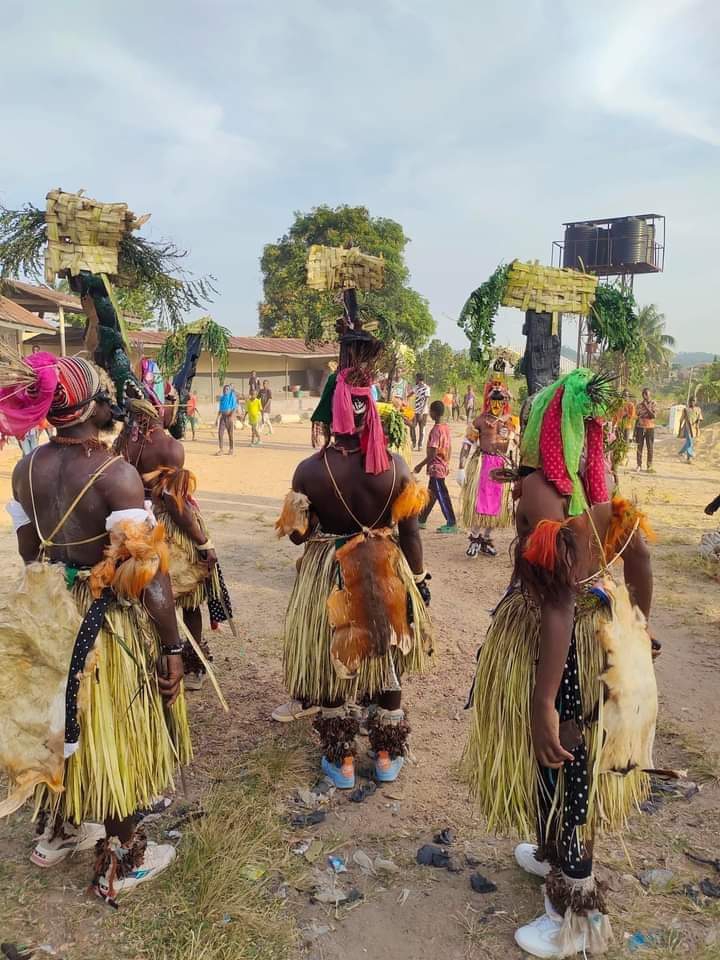
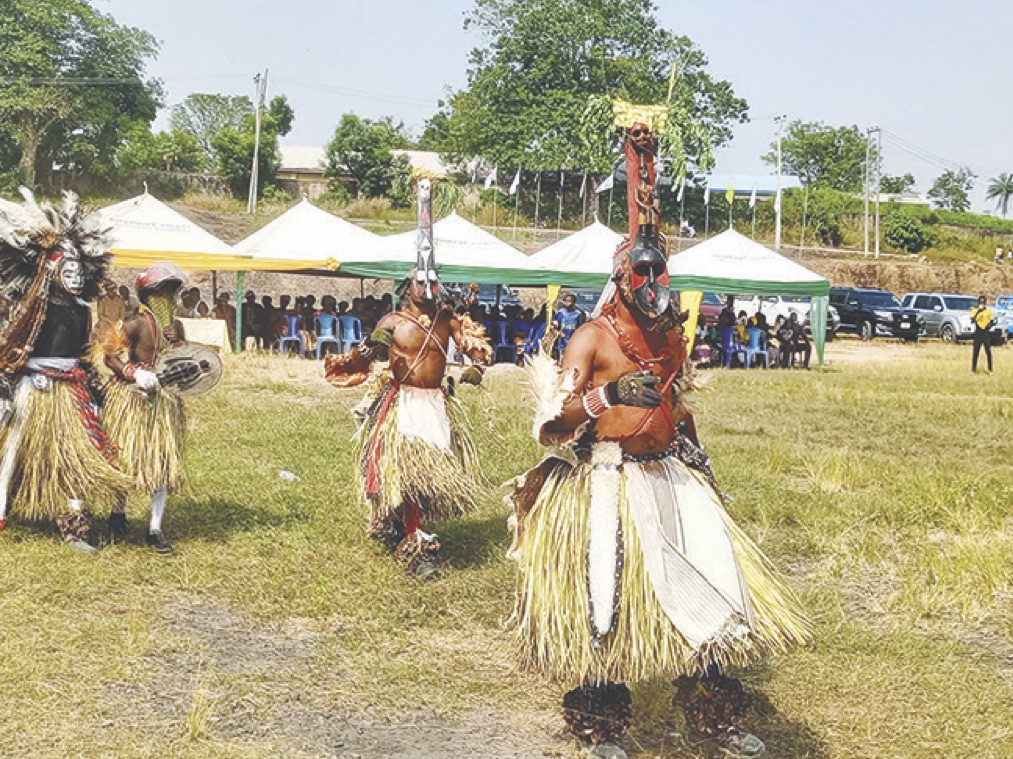
The history of many African towns and communities is rooted not in written documents, but in rich oral traditions that preserve memories of early settlement, migration, conflict, and cultural consolidation. One such tradition among the people of Afikpo (historically known as Ehugbo) in present-day Ebonyi State, Nigeria, is the story of the Igbo-Egu-Nkalu War. According to the town’s oral histories and scholarly reconstructions of traditional narratives, the origins of Afikpo involve the arrival and settlement of distinct groups, the Egu (or Ego) and the Nkalu whose interactions, migrations, and conflicts shaped the early society of Ehugbo. The Igbo-Egu-Nkalu War stands as a pivotal event in these narratives, illustrating the dynamics of pre-colonial settlement, identity formation, and the creation of collective memory among Igbo-speaking peoples.
The written record
Historical context
Early Settlement in Afikpo: Egu and Nkalu Origins
Afikpo is an ancient Igbo town located in the southern part of modern Ebonyi State. Oral traditions and archaeological evidence suggest that the region was inhabited by humans for thousands of years. Excavations at nearby rock shelters indicate occupation dating back to at least 3000 BC. Long before any formal political structures emerged, people lived, moved, and traded across what would become southeastern Nigeria.
According to these traditions, the first identifiable historical groups to settle in the area were the Egu and the Nkalu. The Egu are remembered as the earliest settlers, described as skilled artisans, farmers, and craftsmen whose innovations in pottery, carving, and cultivation formed the foundations of what would later become Afikpo culture. Following the Egu were the Nkalu, noted in oral accounts as equally capable farmers and formidable warriors who introduced new crops like yam to the area and added athletic and military aspects to the community’s evolving identity. From these earliest arrivals emerged a landscape of settlement that combined social identity, subsistence practices, and craft specialization. However, settling new territory was not always peaceful, and interaction between expanding groups could lead to competition over land, influence, or resources.
The Igbo-Egu-Nkalu War: Narrative of Conflict and Identity Formation
Central to Afikpo’s oral historiography is the Igbo-Egu-Nkalu War, a conflict that is recounted as a defining moment in the community’s formation. According to historical reconstructions, while the Egu and Nkalu first established themselves in the area, subsequent waves of Igbo migrants from various directions including Arochukwu, Okigwe, Uturu, Okposi, and Ohafia arrived over time as part of broader patterns of population movement during the era of the Atlantic slave trade and shifting socio-political landscapes (late 1700s to early 1800s). In this context, the Igbo migrants convened a council at a place called Oroghoro, a gathering of elders and youth from multiple Igbo lineages to plan a concerted campaign against the earlier inhabitants, particularly the Egu and Nkalu. The reasons cited in oral traditions vary: some emphasize competition for land, others the desire to establish a safe homeland in a new environment shaped by the disruptions of regional wars and slave raiding. Whatever the precise motivations, the Igbo groups allied together in what became the Igbo-Egu-Nkalu War, marshaling their collective forces to confront the indigenous occupants. Historical elders assert that the Igbo alliance was successful: the Egu and Nkalu were defeated, displaced, or incorporated into the new social order established by the arriving Igbo settlers. Some survivors were absorbed into the expanding Ehugbo community, becoming integrated over generations into the overarching cultural fabric of the town. The conflict thus served not only as a military engagement but as a process of identity formation, unifying disparate Igbo lineages into a coherent society with shared history and collective memory.
Ritualization and the Covenant of Unity
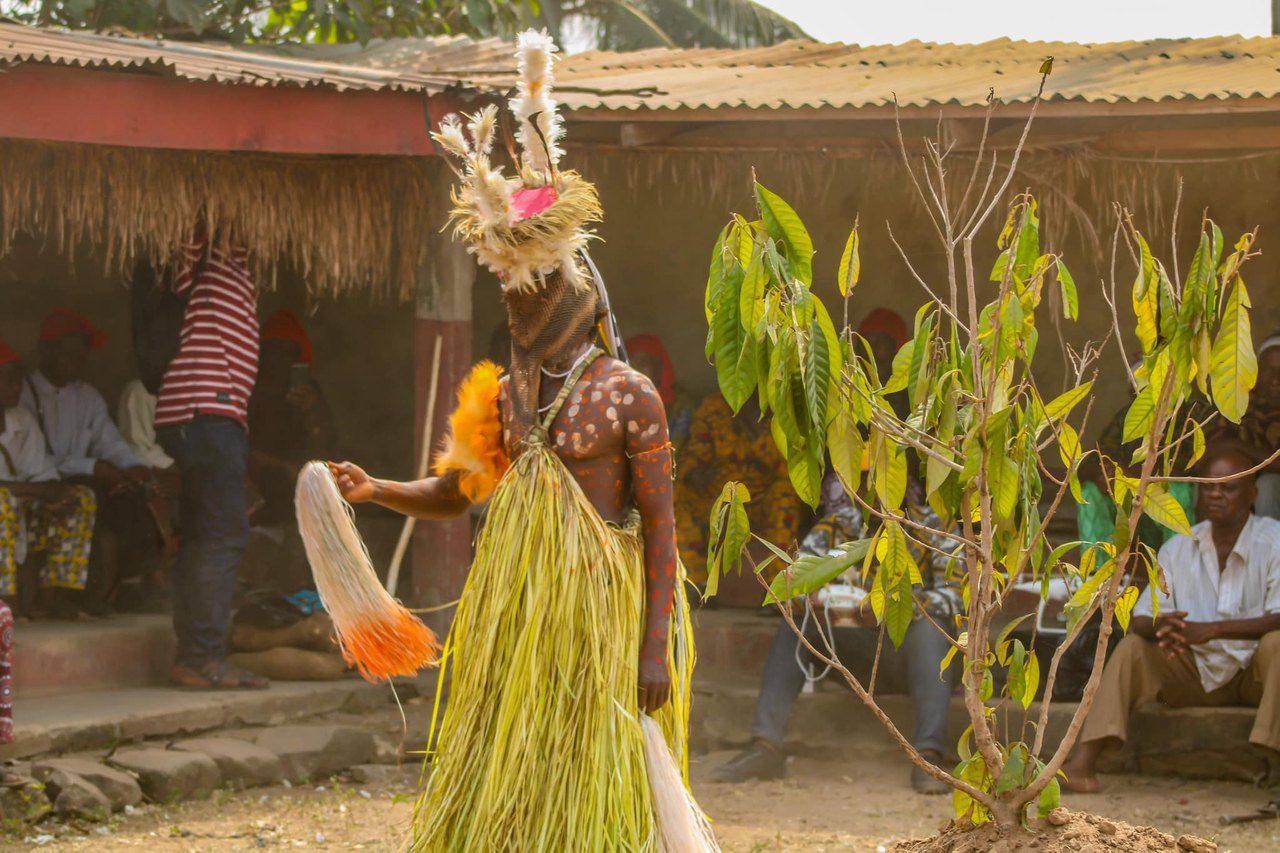
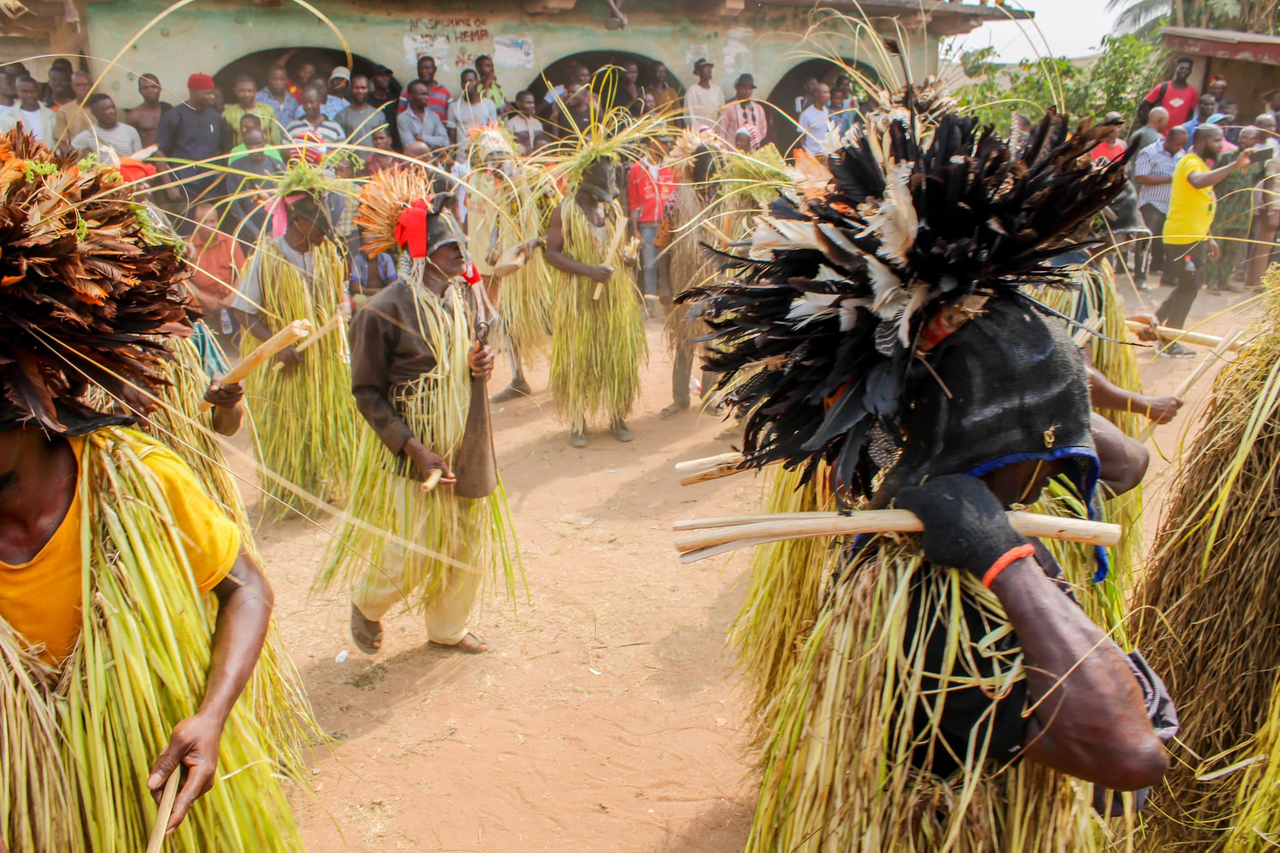
One of the most significant social outcomes of the war was not merely conquest but the forging of unity through ritual covenant. After the fighting subsided, the various Igbo groups gathered at Amaizu, a central location in Afikpo, to participate in a ceremonial covenant. According to oral tradition, symbolic ingredients were placed together in a communal pot during a ritual that emphasized the principles of unity, mutual cooperation, and shared destiny among the newly coalesced groups. This act of ritual covenant held immense cultural weight: it transformed a collection of migrants from different regions into a single political community with shared obligations and collective identity. Such ritualization demonstrates how traditional societies used ceremonial practice to solidify social bonds long before formal state structures or written laws. The covenant was more than symbolic; it served as a reminder of common struggle, shared heritage, and moral obligation, forming the foundation of later social institutions such as age grades, councils of elders, and traditional conflict resolution mechanisms that continued into the colonial and post-colonial eras.
Cultural Integration and Organizational Dynamics
The historical process that followed the Igbo-Egu-Nkalu War was not merely a straightforward tale of conquest. Afikpo’s organizational structure came to reflect a complex interplay of descent, ritual practice, and social integration. For example, anthropological studies of Afikpo communities note the presence of double descent systems and localized ritual variations, indicating layers of identity that traced back to diverse founding lineages and cultural practices.
Subsequent migrations into Afikpo added further layers of diversity. Igbo groups from areas such as Arochukwu and Ohafia brought with them different customs and social institutions. These were integrated into the local social fabric through ongoing alliances, intermarriage, and shared participation in communal rites. The concept of Igbo ethnic identity itself was, therefore, negotiated over generations. In Afikpo, this negotiation included post-war reconciliation ceremonies, shared participation in annual festivals, and evolving ritual leadership that reinforced a sense of belonging to the larger Ehugbo community.
Historical Context and Broader Implications
While specific written documentation of the Igbo-Egu-Nkalu War is limited, its centrality in oral tradition underscores how local conflict and migration shaped pre-colonial societal formations in southeastern Nigeria. In the broader context of Igboland, patterns of migration, settlement conflict, and alliance building were common as groups sought fertile land, security, and trading opportunities. Similar themes appear in other documented cases of population movement and war across the Igbo region, such as the Aro-Ibibio Wars of the early 19th century, which reshaped settlement and cultural influence in eastern Nigeria. Moreover, the experiences of Afikpo reveal how oral history functions as a historical archive in its own right, one that preserves memories, ethical values, and community norms that formal archives often overlook or marginalize. While further archival research and archaeological work may expand on these narratives, the oral accounts remain invaluable for understanding how people made sense of their past, shaped their present, and taught succeeding generations about identity and belonging.
The story of the Igbo-Egu-Nkalu War and the early settlement dynamics of Afikpo illustrates more than a single military conflict. It reflects a process of spiritual and cultural negotiation, migration integration, and the forging of collective identity in the face of new environmental and social realities. From the first settlers the Egu and the Nkalu to the later alliances of Igbo groups from crafting regions such as Arochukwu and Okigwe, Afikpo developed as a tapestry woven from multiple threads of human experience. These oral traditions and historical accounts preserve a community’s memory of conflict and unity, underscoring how societies across pre-colonial Africa organized, adapted, and sustained themselves long before colonial intervention. Through ritual covenants and shared traditions, the people of Afikpo fashioned a sense of identity that continues to inform local culture and historical consciousness today.
Sources and references
- Apunawu. (n.d.). Ojeogwu Mgbom in Afikpo culture after 66yrs. Waivio.
Cite this article
Discussion
Sign in to join the discussion
Comments are checked by an editor before they appear. Leave a source or a correction and it is read first.
Continue reading
Related histories
 Cultural HeritageEleven Days of Nwafor Ogidi: Inside the Festival Keeping an Old Igbo Tradition AliveRead history →
 Cultural HeritageIli Ji Nkpor Obododike: The Indigenous Agricultural Ritual CycleRead history →
 Cultural HeritageMusic and Drum Traditions: Tracing the “Igbo Drum” in the AmericasRead history →
No comments yet
Nothing has been approved on this record yet. Comments are checked by an editor before they appear, so one written now shows on this page after that check.