 Ozikoro
 Ethnohistory · Published history
The Igbo Shift: Shunning Europeans to Embrace Japan During World War II
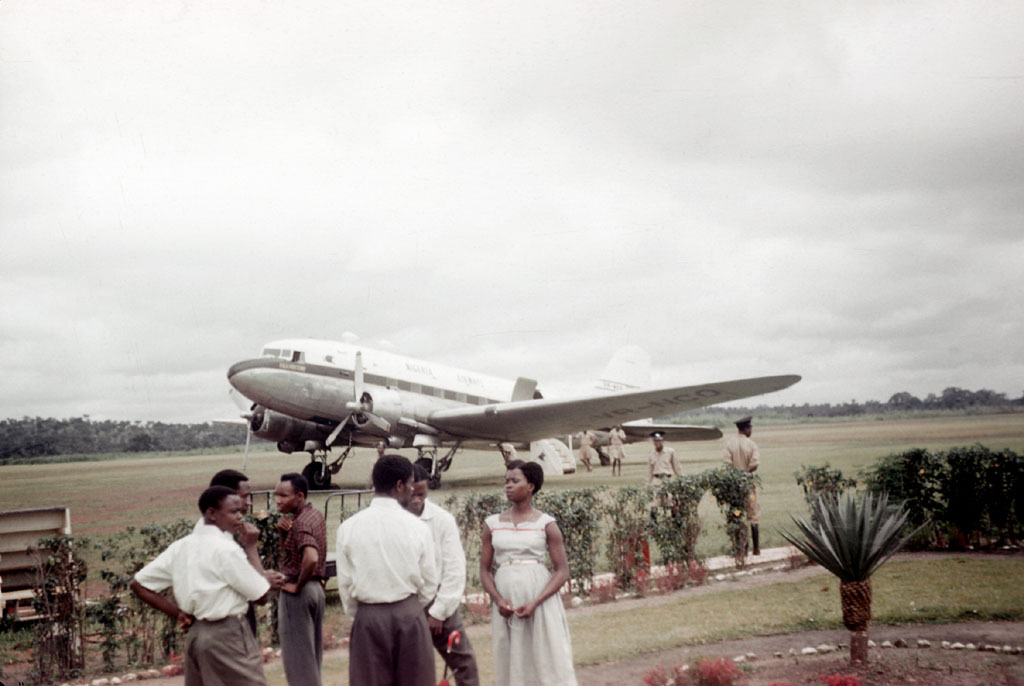
The Second World War (1939–1945) wasn’t just an altercation between world powers; it also changed colonial relationships in Africa. In Nigeria’s Igbo area, the war exposed the contradictions of colonial rule, causing Igbo farmers and traders to reject European economic policies in favor of goods from Japan. This change was not just about trade but also a silent protest against British colonial exploitation.
The written record
British Exploitation and Igbo Discontent
Historical context
After Britain joined the war, the colonial policies they imposed in Nigeria became more oppressive. The Igbo people, who were predominantly traders and farmers, faced stringent restrictions under colonial laws such as the ‘1939 Nigerian Defence Motor Transport Regulation’. The law limited the movement of commercial vehicles. To make matters worse for the Igbo people, the British government had to cut down petrol allocations to Igbo areas—from ‘417,000 gallons in 1943 to 375,300 gallons in 1944’—causing trade to cripple
The Food Control Order of 1943 further caused commerce in Igbo areas to fall because the movement of domestic goods between districts was crippled. Meanwhile, the British forced down the prices of palm oil and kernel, which were the key exports of the Igbo people, while the British cut down the prices of palm oil and kernel; they demanded an increase in production under the “Win the War” scheme. Palm oil prices plummeted from 3 shillings per tin to just 6 pence, causing local economies to crash.
The Japanese Alternative
While Britain tightened its grip economically, Japan turned out to be an unexpected economic ally to Africans. Since the 1930s, Japanese textiles and other goods have littered West African markets, offering affordable alternatives to overpriced British products. The Igbo, frustrated by colonial exploitation, eagerly embraced these goods.
British authorities were dismayed by the growing influence of Japan. They imposed discriminatory tariffs and started to run propaganda campaigns, labelling Japanese goods as “shoddy.” Yet, Igbo people cared less about what the British government had to say about Japan’s goods. One Enugu-Ezike merchant, Omale Ugwu, recalled:
“I sold four bales of Japanese textiles before finishing one bale of British material. The Japanese goods meant quick sales and profit, while British stock gathered dust.”
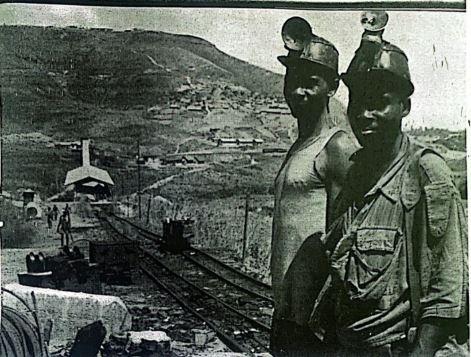
Japan Road: A Symbol of Resistance
By 1944, the irritation against colonial government policies had grown so strong that traders in Enugu-Ezike renamed a major commercial road “Japan Road” —a direct snub to British colonial authorities. The name stuck even after Japan’s defeat in 1945, serving as a lasting reminder of Igbo resistance.
Post-war, towns like Aba and Nnewi became known as the “Japan of Africa” for their ingenuity in local manufacturing, proof that the Igbo people had internalised the Japanese way of self-reliance.
A Silent Rebellion
The Igbo people’s shift toward Japan for trading was more than an economic choice—it was also a rejection of colonial hypocrisy. While the British government preached freedom in the Atlantic Charter, their actions in Nigeria told a totally different story. By embracing Japanese goods, the Igbo maintained their right to fair autonomy and trade.
Today, the heritage of Japan Road and the industrial nature of Igbo towns stand as validation to a people who, even under oppression, found ways to evolve and resist.
Sources and references
- Opata, C. C., & Apeh, A. A. (n.d.). “Shun the master, embrace his enemy”: The Second World War and the image of Japan among some Igbo communities.
Cite this article
Discussion
Sign in to join the discussion
Comments are checked by an editor before they appear. Leave a source or a correction and it is read first.
Continue reading
Related histories
 EthnohistoryGbam, Chai, Ewo: How Igbo Expressions Became the Language of Nigerian Pop CultureRead history →
 EthnohistoryAro Merchant Network: Historical Trade Integration in the Cross-Niger RegionRead history →
 EthnohistoryTransition to Commodities in the aro confederacy(e.g., Palm Oil, Ivory, Cloth)Read history →
No comments yet
Nothing has been approved on this record yet. Comments are checked by an editor before they appear, so one written now shows on this page after that check.