 Ozikoro
 Cultural Heritage · Published history
The Igbo Yam Barn: Tradition, Storage, and Celebration
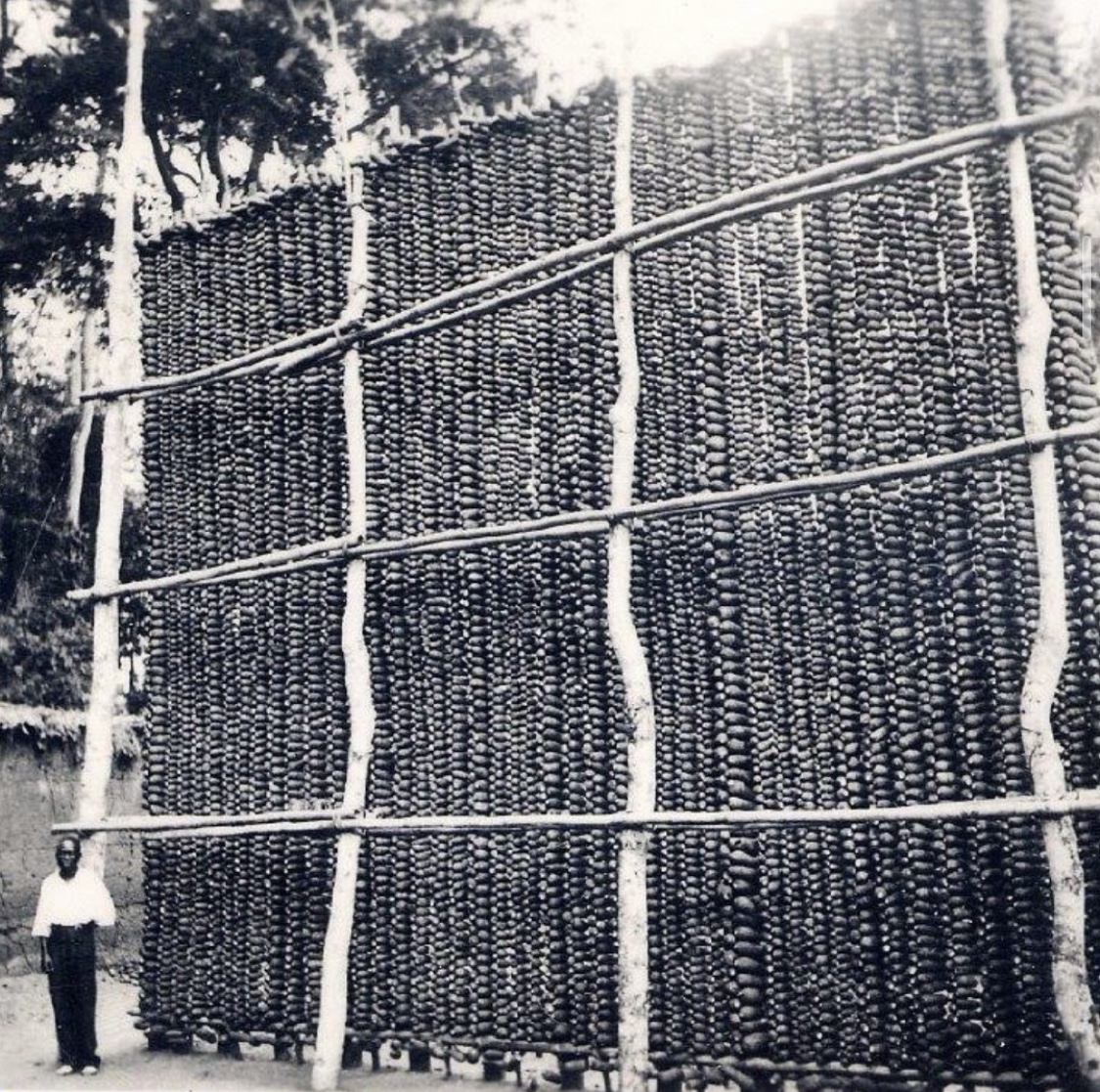
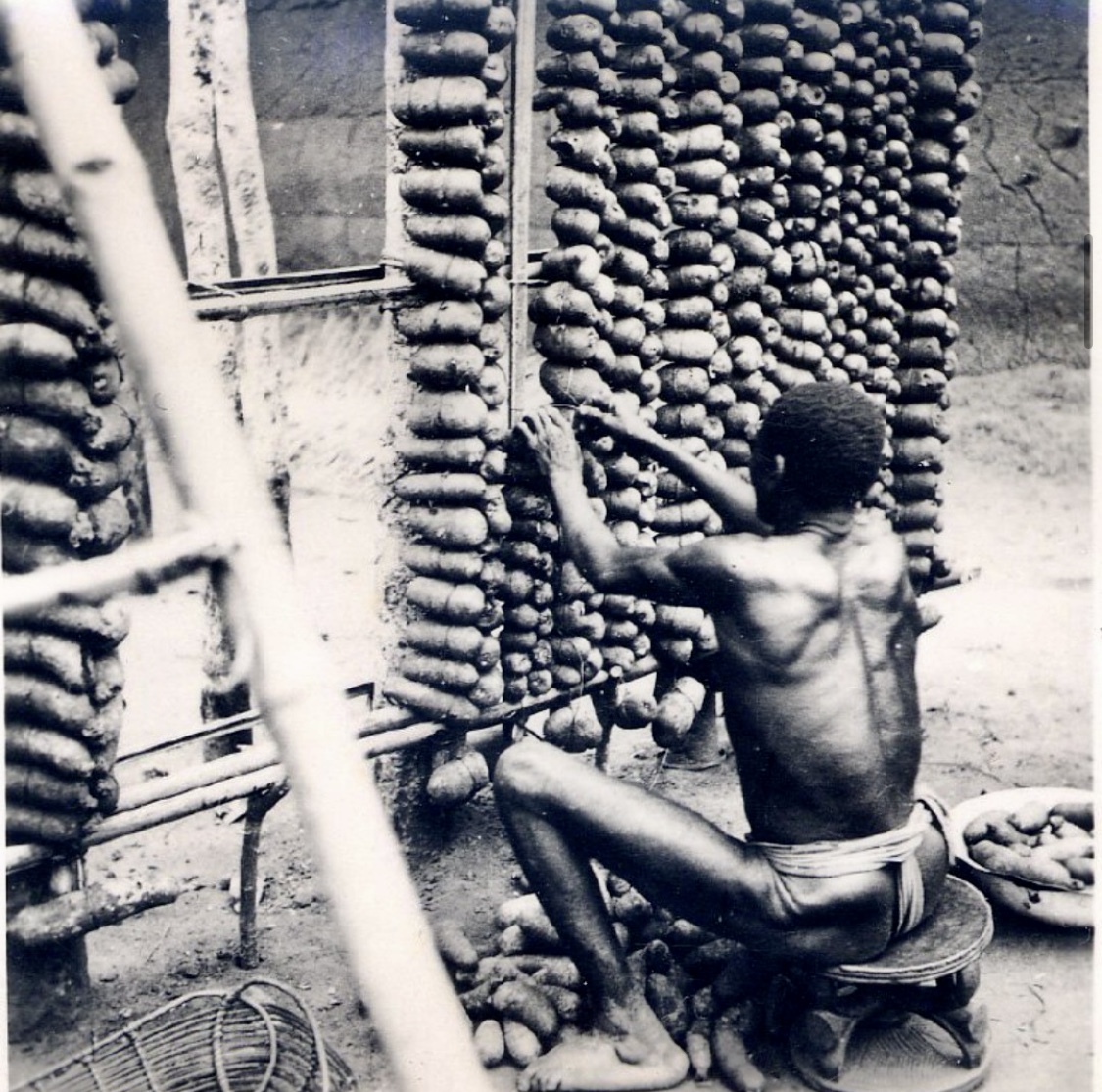
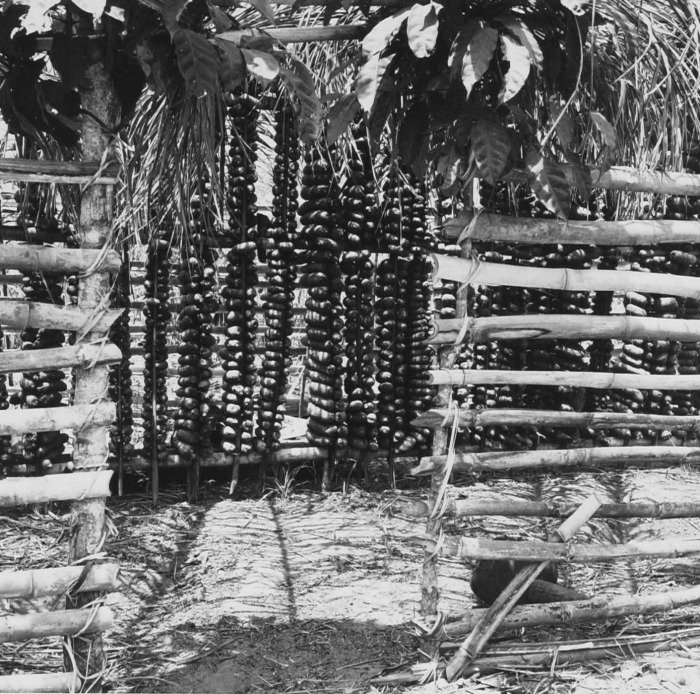
Yam is an essential crop in Igbo culture, often referred to as the “king crop.” It is not just a source of food but also a symbol of wealth, hard work, and prestige. Ndi Igbo have developed an efficient way of storing yams in structures called “Ọba jị”, or yam barns. These barns contain wooden racks known as mkpà, where yams are carefully arranged for storage. While other ethnic groups in the region also build yam barns, the Igbo method is particularly notable for its organization and cultural significance.
The written record
Historical context
Introduction
Yam Cultivation and Storage
Yam farming in Igbo society is traditionally the responsibility of men. The crop is planted in large mounds arranged in rows, known as ògbà ubì. This method has been practiced for thousands of years, as yam was first domesticated in West Africa. The Igbo grow different species of yam, each ranked based on its quality, taste, and economic value.
After harvesting, yams must be stored properly to prevent spoilage. The Ọba jị is an open-air structure built with wooden poles and ropes, designed to allow ventilation while keeping the yams dry. Wealthy farmers who own large yam barns are highly respected in the community and may even receive traditional titles as recognition for their agricultural success.
The New Yam Festival (Ịri Jị Ohuru)
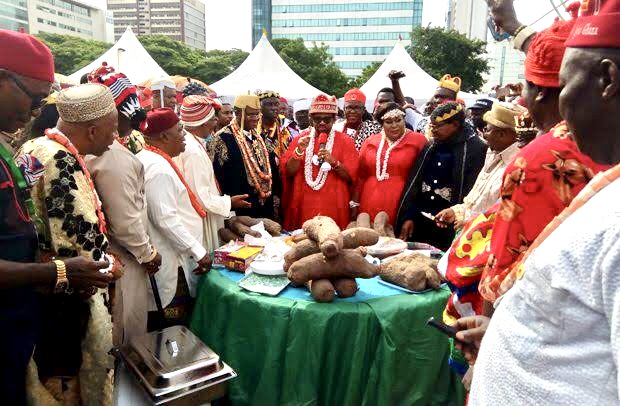
The Iri Ji Ohuru, or New Yam Festival, is one of the most important annual celebrations among the Igbo. It takes place around August, marking the end of the rainy season and the conclusion of ụnwụ, a period of food scarcity before the new harvest.
During this festival, the Igbo give thanks to their gods for a successful harvest. The deities honoured include Njokụ, Ahịa Ji Oku, Ife Ji Oku, and Ala, the Earth Mother. The first yam of the season is traditionally offered to these deities before the people are allowed to eat from the new harvest. The festival is celebrated in the market square of every Igbo settlement, featuring feasting, dancing, and traditional rituals.
Cultural Significance of Yam
Yam represents prosperity, diligence, and survival in Igbo culture. The size of a man’s yam barn is often used to measure his wealth and status. In many communities, the ability to harvest and store large quantities of yam is a source of pride and social recognition.
The Iri Ji Ohuru festival is not just a feast; it is a sacred tradition that reinforces the Igbo people’s connection to their ancestors and spiritual beliefs. Even in modern times, yam remains an important part of Igbo agriculture and cultural identity.
The New Yam Festival: A Cultural and Spiritual Celebration in Igboland
The Igbo method of yam storage and their celebration of the New Yam Festival highlight the deep agricultural knowledge and traditions of the Igbo people. These practices, passed down through generations, continue to play a vital role in Igbo society today. Understanding and preserving these traditions is essential for maintaining the cultural heritage of one of Africa’s most influential ethnic groups.
Sources and references
- Achebe, C. (1958). Things Fall Apart. Heinemann.
- Onwuejeogwu, M. A. (1981). An Igbo civilization: Nri kingdom & hegemony. Ethnographica.
- Oriji, J. N. (2011). Political organization in Nigeria since the late Stone Age. Palgrave Macmillan.
Cite this article
Discussion
Sign in to join the discussion
Comments are checked by an editor before they appear. Leave a source or a correction and it is read first.
Continue reading
Related histories
 Cultural HeritageEleven Days of Nwafor Ogidi: Inside the Festival Keeping an Old Igbo Tradition AliveRead history →
 Cultural HeritageIli Ji Nkpor Obododike: The Indigenous Agricultural Ritual CycleRead history →
 Cultural HeritageMusic and Drum Traditions: Tracing the “Igbo Drum” in the AmericasRead history →
No comments yet
Nothing has been approved on this record yet. Comments are checked by an editor before they appear, so one written now shows on this page after that check.