 Ozikoro
 Cultural Heritage · Published history
The Igue Festival: History, Rituals, and Meaning in the Benin Kingdom
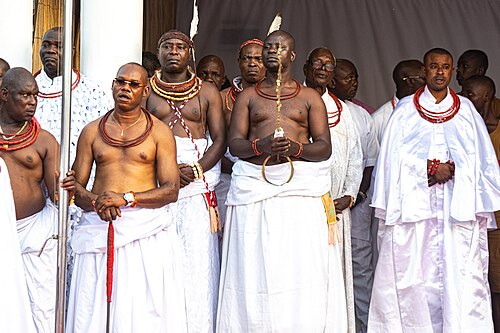
The Igue Festival is the most important traditional and royal celebration of the Benin Kingdom. Observed annually in Benin City (Edo State, Nigeria), the festival is simultaneously a spiritual cleansing, a thanksgiving ceremony, a renewal of the Oba’s power, and a collective reaffirmation of identity for the Edo people. It blends ancestral veneration, masquerade, ritual purification, royal spectacle, and communal thanksgiving. Understanding Igue offers insight into how the Benin Kingdom maintains continuity between past and present keeping alive ancient traditions while adapting to modern realities.
The written record
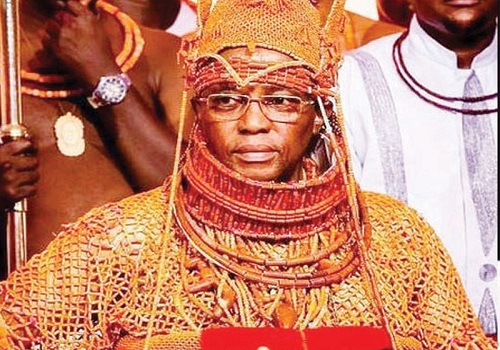
Photo credit; thenationonlineng.
Historical context
Origins and Historical Development
Founding under Oba Ewuare the Great
Most accounts trace the roots of the Igue Festival to the reign of Oba Ewuare I (also called Ewuare the Great), who ruled between 1440 and 1473 AD. According to tradition, after a period of exile and turmoil, Prince Ogun returned to claim the throne. Triumphant, he instituted a thanksgiving and purification ritual to celebrate his restoration and to spiritually renew himself and the kingdom. This ritual became the foundation of what evolved into the Igue Festival.
One version of the festival’s origin links it to the marriage of Ewuare to a wife named Ewere, combining royal renewal with marital celebration.
Evolution and Consolidation under Later Obas
Over centuries, subsequent rulers added layers to the festival, integrating various traditional rites once observed separately. By the time of Oba Akenzua II (20th century), Igue had become a composite festival, gathering multiple ceremonies into a cohesive season aligned with the end of the calendar year.
Thus, Igue today is not a single event, but a festival-season, an umbrella for royal rituals, ancestral homage, renewal rites, and communal thanksgiving.
Structure of the Igue Season (Ugie Ceremonies)
Igue is part of what is called the “Ugie” cycle, a series of interlinked ceremonies observed annually in the kingdom. These ceremonies typically occur between mid-December and early January, coinciding with the conclusion of one Benin calendar year and the ushering in of the next.
Key Rituals and Days
Otue Ugierhoba (Opening Homage): Chiefs and titled nobility pay homage to the Oba to mark the start of the festival. They offer tributes and reaffirm loyalty.
Igue-Oba (Oba’s Purification): The central rite in which the Oba undergoes spiritual cleansing. He is ritually anointed often with sacred substances, to renew his divine authority and spiritual power. This happens behind closed palace doors and only select chiefs and priests attend.
Igue Ivbioba / Igue Edohia (Public Thanksgiving and Family Worship): Following the Oba’s purification, the ritual extends to all citizens. Families perform thanksgiving rites, make sacrifices, and pray for protection, prosperity, and blessings in the coming year.
Ugie Ewere (Leaf Ceremony / Blessings): A joyful and symbolic conclusion to the festival. Leaves from the sacred Ewere tree are gathered and presented. The leaves represent peace, cleansing, and the sweeping away of misfortune, a spiritual and symbolic fresh start.
During the festival period, certain customary prohibitions apply notably, no burials or mourning ceremonies are permitted, in order not to taint the period of renewal and thanksgiving.
Symbolism and Cultural Significance
Renewal of Spiritual Authority;
At its core, Igue restates the sacredness of kingship. The head (physical and spiritual) is central in Edo cosmology the Oba’s head, and by extension the heads of subjects, must be cleansed and renewed for continued protection and prosperity.
Ancestral Veneration and Continuity;
Igue serves as a bridge between the living, the ancestors, and the unborn. By performing purification and thanksgiving, the living reaffirm their connection to forebears, maintain respect for lineage, and seek ancestral blessings for the future.
Social Unity and Renewal;
The festival involves chiefs, palace officials, artisans, ordinary citizens, and even the diaspora. For families, it’s a time of reunion, forgiveness, social resolution, and renewed hope. For the kingdom as a whole, it’s a moment to reaffirm loyalty to the monarchy and unity as Edo people.
Cultural Display and Artistic Preservation;
Igue showcases some of Benin’s best traditional arts, from coral-bead regalia to ceremonial dances, drumming, masquerades, and palace pageantry. It ensures that palace traditions, costumes, and rituals are transmitted to new generations and remain visible to outsiders.
Contemporary Practice and Challenges
Modern Adjustments and Renewed Popularity;
In modern times, the Benin Kingdom under the current monarch Oba Ewuare II, continues to celebrate Igue annually. The palace issues programmes outlining rites and ceremonies, and often emphasizes bans on funerals and public burials during the festival to preserve its sanctity.
The festival also attracts Edo people in the diaspora, tourists, researchers, and cultural enthusiasts, making it not only a traditional ritual but a living heritage celebrated globally.
Criticism and Misunderstanding
Occasionally, outsiders misunderstand Igue as “fetish” or “primitive superstition.” Palace custodians have repeatedly defended the festival as a legitimate and sacred tradition, a thanksgiving to God or ancestors rather than fetish practice.
Maintaining the festival’s authenticity amid modernization, religious pluralism, and external pressures remains an ongoing challenge.
The Igue Festival is far more than a cultural pageant or yearly celebration, it is a spiritual, political, and social institution that embodies the history, identity, and aspirations of the Benin Kingdom. From its founding under Oba Ewuare the Great to its present-day observance, Igue has served as a mechanism for renewal, unity, ancestral veneration, and royal legitimacy. As the Edo people continue to navigate modernity, globalization, and change, the Igue Festival remains a vital anchor, a living testament to continuity, memory, and hope.
Sources and references
- Benin Traditional Council. (2024, December 4). Igue Festival: Oba Ewuare II suspends burial rites in Benin. Vanguard News.
- Centre for Nigeria Progress. (2021, December 29). The Igue Festival of Edo Kingdom by Ikponmwosa Aikhionbare.
- DeepCulture.ng. (2025). Igue Festival | Benin Kingdom’s Sacred Celebration.
- OldNaija.com. (2015, July 19). The Igue Festival: A Celebration of Benin Heritage.
- The Guardian Nigeria. (2018 ). There’s nothing fetishous about the Igue Festival. Chief David Edebiri.
Cite this article
Discussion
Sign in to join the discussion
Comments are checked by an editor before they appear. Leave a source or a correction and it is read first.
Continue reading
Related histories
 Cultural HeritageEleven Days of Nwafor Ogidi: Inside the Festival Keeping an Old Igbo Tradition AliveRead history →
 Cultural HeritageIli Ji Nkpor Obododike: The Indigenous Agricultural Ritual CycleRead history →
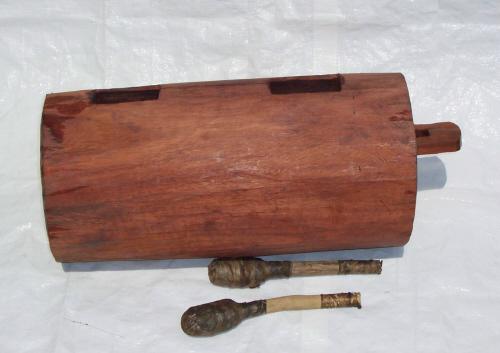 Cultural HeritageMusic and Drum Traditions: Tracing the “Igbo Drum” in the AmericasRead history →
No comments yet
Nothing has been approved on this record yet. Comments are checked by an editor before they appear, so one written now shows on this page after that check.