 Ozikoro
 Cultural Heritage · Published history
The Impact of Western Christianity on Nsukka-Igbo Marriage Rituals: A Cultural and Spiritual Dilemma
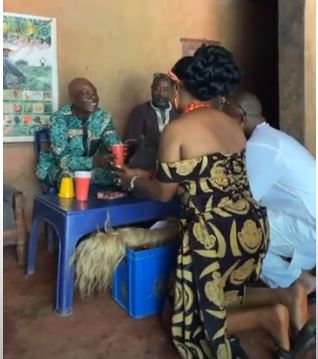
Marriage is a big event that carries cultural, spiritual and community power everywhere. In Nsukka, on the side of Igboland, Nigeria, marriage is not just a man-and-woman business but the rite of passage that connects a person to their ancestors and community. Since Christianity from the Western world came in, the problem started because Christian beliefs clashed with traditional customs. This article will explain what the Western Christian religion has caused in the Nsukka-Igbo marriage system. The story comes from the field work that they conducted in April and May 2023, where they discussed it with traditional people and Christian pastors. Shows that the issue is very complicated, in which what they call inculturation did not work, and intercultural communication can help bring peace between the two sides.
The written record
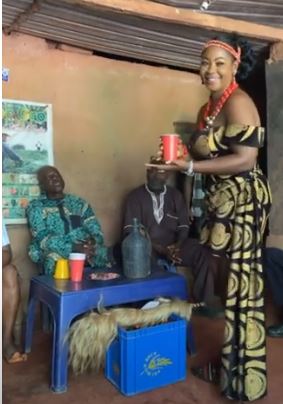
CEEY YouTube channel
Marriage as a Rite of Passage in Nsukka-Igbo Culture
Historical context
In Nsukka culture, marriage is a sacred thing that connects them with their ancestors. The whole process has seven steps, and every step has a spiritual meaning. One of the essential steps is when the groom pays the bride price (they call it ego isi nwanyi), and they do a ritual called igo ofo to call the gods to witness the marriage. When the woman prepares the first meal at her husband’s house (nri nna di), it is a sign that she has joined the husband’s family.
It is not done just for fun; they believe the rituals help bring back ancestral spirits to continue the family line. Before marriage takes place, some divination (igba eha/afa) is done to check if both people are okay with getting married, including a spiritual and health check. In the days of old, men who had a lot of wives enjoyed a good status because their wives assisted in farm work and increased their status in society.
The Influence of Western Christianity
When Christianity from Europe came into Nsukka, it brought a different kind of marriage system. The early Christian marriage in biblical times did not need a church or a white wedding, but now, everybody rushes to church to get married because of Western influence. This has caused a lot of couples to have three weddings: court, traditional, and church, which cost a lot of money and seriously stressed people.
A woman explained how her son spent over two million naira on his wedding. This kind of load is too much for young people. To make things worse, Catholic law says marriage is not valid if it does not happen inside the church, even if the traditional wedding has been done. This one reduced Nsukka-Igbo marriage to just culture, as if it does not have spiritual power again.
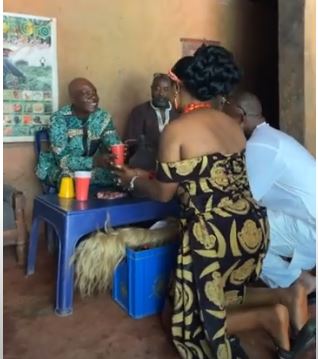
CEEY YouTube channel
The Failure of Inculturation
The Catholic Church explained that they do inculturation, to try and blend Christianity with African culture. However, it does not work well because the Canon Law still hinders traditional marriage from being seen as a sacrament. Pope John Paul II said faith ought to come into people’s culture, but the Church has not yet agreed to fully recognise Nsukka traditional marriage.
Some scholars like Russell-Mundine said culture and faith are meant to help each other. However, the Church still holds tight to the Western marriage style, and this confuses the Nsukka people. People do struggle between their African identity and Christian expectation, and inculturation has not solved this problem.
The Bastardization of Pre-Marriage Inquiry
Before, Nsukka people started taking marriage screening seriously. They would ask plenty of questions (iju ese) and do spiritual consultation (igba eha/afa) to confirm that there is nothing like madness or epilepsy in the family. But now, Christians have pushed all those deep checks aside; it’s only small medical tests like HIV and genotype that people do.
Christian leaders tell people to pray or ask the pastor, and this leads to many wrong marriages. The traditional way was more complete when it came to checking compatibility.
False Impressions of Freedom and Adultery
Long ago, the fear of traditional gods made people, especially women, stay faithful in marriage. If a woman cheats, it is believed that she can go mad or even die. But now, with Christianity, people think the gods do not do anything anymore. Despite the Bible still condemning adultery, people are not really scared like before.
In city areas like Nsukka, cheating has increased (5%), compared to rural places like Iheakpu-Awka (2%) and Enugu-Ezike (1%). Christianity has removed fear, but has not inculcated a strong moral stand that people would obey.
The Decline of Polygamy
Polygamy, where a man can marry more than one wife, had a lot of respect before. It helped people economically and socially. But Christianity pushed monogamy as the only way. Although the Bible did not condemn polygamy, and some big theologians like Augustine and Aquinas discussed it, the Church still insists on one wife.
Some African theologians, like Bishop Colenso, said polygamy is even better than a divorce-remarried pattern in the Western world. But today, polygamy has almost died in Nsukka, and with that, a lot of economic and social benefits have been forgotten.
Toward Inter-Culturation
Since inculturation did not work out, this article says that we should give interculturation a try, which would enable both Christian and traditional practices to join together well without calling it “pagan” or “syncretism.” With intercultural marriage, people can do a kind of marriage that respects both Christian beliefs and Nsukka tradition, and this one would reduce stress and confusion.
Recommendations
Recognition of Nsukka-Igbo Marriage as Sacramental: The Church is meant to recognise that Nsukka traditional marriage has a spiritual power and make it holy, like how early Christian Jews do their marriage.
Preservation of Indigenous Rituals: Christian churches ought to respect the spiritual and cultural meaning of Nsukka traditional marriage, not just treat it like an ordinary ceremony.
Adoption of Inter-Culturation: all Christian and traditional marriage ways should blend together in peace, so people would not have to go through the stress of having three different weddings again.
Western Christian marriage has scattered Nsukka’s traditional marriage system. From 2023 interviews and research, we see that people suffered financially, emotionally, and spiritually. Polygamy has faded, pre-marriage checks are not strong again, cheating has increased, and people do not know where they belong between culture and religion.
But if we embrace interculturalism, it can bring peace. We would be able to respect African rituals and still follow Christian beliefs. This one would make the Church truly welcome African identity instead of pushing it aside.
Reference
Cite this article
Discussion
Sign in to join the discussion
Comments are checked by an editor before they appear. Leave a source or a correction and it is read first.
Continue reading
Related histories
 Cultural HeritageEleven Days of Nwafor Ogidi: Inside the Festival Keeping an Old Igbo Tradition AliveRead history →
 Cultural HeritageIli Ji Nkpor Obododike: The Indigenous Agricultural Ritual CycleRead history →
 Cultural HeritageMusic and Drum Traditions: Tracing the “Igbo Drum” in the AmericasRead history →
No comments yet
Nothing has been approved on this record yet. Comments are checked by an editor before they appear, so one written now shows on this page after that check.