 Ozikoro
 Cultural Heritage · Published history
The influence of Odinala (Igbo cosmology) on ethics, reincarnation beliefs, and ancestor veneration
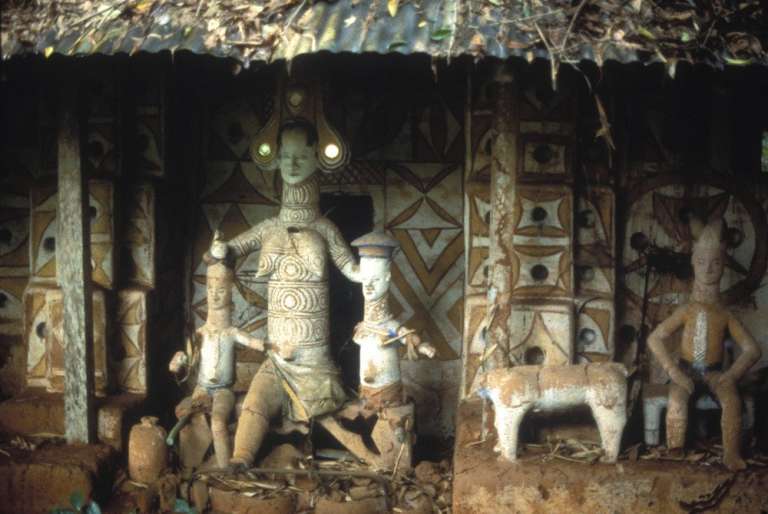
The term Odinala (or Odinani) refers to the traditional cultural beliefs and spiritual practices of the Igbo people of Southeastern Nigeria. Far from being a mere collection of myths, Odinala is a comprehensive “philosophical framework” that explains the nature of existence, the relationship between the human and spirit worlds, and the moral obligations of the individual to the community. At its core, Igbo cosmology is a dualistic system where the physical world (Uwa) and the spiritual world (Ani Mmụọ) are in a constant state of “dynamic interaction.” This article explores how the foundational principles of Odinala influence the ethical conduct of the Igbo people, their profound belief in the cycle of reincarnation (Ilo Ụwa), and the central practice of ancestor veneration, which serves as the bridge between the two realms.
The written record
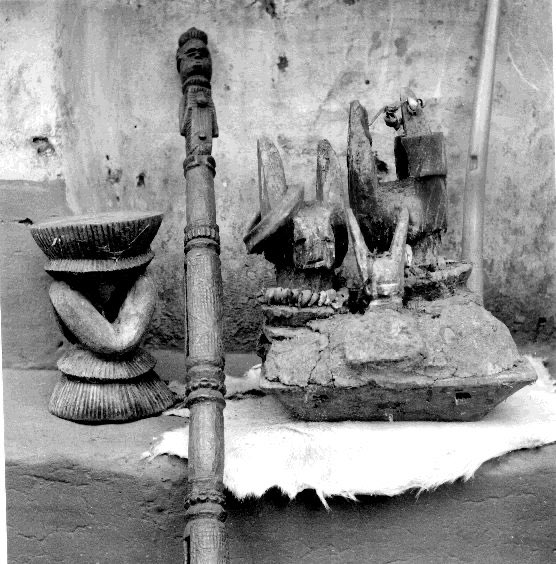
Historical context
Odinala and the Ethical Foundation of Society
In the Igbo worldview, ethics are not subjective; they are “divine laws” rooted in the land and supervised by the Earth Goddess, Ala;
The Concept of Nso Ala (Taboos): Ethical conduct in Odinala is defined by what is “sanctified” and what is “abominable.” Nso Ala refers to acts that “desecrate the earth,” such as theft, murder, incest, and the killing of sacred animals. These are not just legal infractions but “spiritual pollutants” that threaten the prosperity of the entire community.
Justice and the Ofo: The Ofo is a sacred staff that symbolizes “truth, justice, and authority.” In Igbo ethics, an individual is expected to speak the truth always, as the Ofo acts as a “spiritual witness” to all human transactions. To lie while holding or swearing upon an Ofo is to invite “spiritual destruction.”
Communal Responsibility: Unlike Western individualism, Igbo ethics are “communal.” The actions of one person can bring favor or disaster upon the whole family. This creates a high level of “moral accountability,” where the preservation of the family name and communal harmony is the highest ethical priority.
The Cycle of Ilo Ụwa: Reincarnation Beliefs
One of the most distinctive features of Odinala is the belief in Ilo Ụwa, the cyclical return of the soul to the physical world;
The Continuity of Life: For the Igbo, death is not an end but a “transition.” The soul travels to the spirit world, where it is evaluated by the ancestors and the deities. If the individual lived an ethical life (Ezigbo ndụ), they are granted the “privilege of reincarnation” within their own lineage.
Identifying the Reincarnated: When a child is born, the family consults a Dibia (priest/diviner) to perform the Igba Afa ritual to determine which ancestor has returned. Physical resemblances, birthmarks, and personality traits are viewed as “empirical evidence” of the returning soul. This creates a “transgenerational bond” where the child is treated with the respect due to the elder they represent.
The Ogbanje Phenomenon: A specific aspect of reincarnation is the Ogbanje spirits that “deliberately cycle through birth and death” to cause grief to their mothers. Odinala provides specific rituals to “bind” such spirits to the earth, illustrating the belief that the cycle of reincarnation can be “manipulated or corrected” through spiritual intervention.
Ancestor Veneration: The Bridge Between Worlds
In Odinala, the ancestors (Ndi Ichie or Ndi nna nna) are not dead in the Western sense; they are “living spirits” who remain active participants in family affairs;
Qualification for Ancestorship: Not every dead person becomes an ancestor. To be venerated, one must have “lived a moral life,” died at a ripe old age, and been given a “proper traditional burial” (Inwa ozu). Those who die of “shameful diseases” or by suicide are denied this status and become “wandering spirits” (Akalogoli).
The Domestic Altar (Obu): Every traditional Igbo household has a space, often at the Obi (the man’s meeting house), dedicated to the ancestors. Here, “libations of palm wine” and offerings of kola nuts are made. This is not “worship” in the sense of a deity, but “veneration” ,a form of “filial piety” extended into the spirit realm.
The Ancestors as Intercessors: The ancestors are believed to be “closer to the deities” and can intercede on behalf of their living descendants. They provide “protection, guidance, and warnings” through dreams and omens. In return, the living must uphold the “traditions and ethics” established by the ancestors.
The Role of Chi: The Personal Destiny Spirit
Central to the ethics and reincarnation of Odinala is the concept of Chi, an individual’s personal “guardian spirit” or divine double;
Personal Accountability: The Igbo proverb “Onye kwe, Chi ya ekwe” (If a person says yes, their Chi also says yes) highlights the balance between “destiny and free will.” While Chi provides the blueprint for life, the individual’s ethical choices determine whether that destiny is fulfilled.
The Spiritual Contract: Before reincarnation, the soul makes a “covenant” with its Chi regarding the type of life it will lead. Success or failure in life is often attributed to the “strength or alignment” of one’s relationship with their Chi.
Ethics and Chi: An individual who lives in “harmony with their Chi” is one who follows the path of Odinala. Misfortune is often interpreted as a sign that one has “offended their Chi” through unethical behavior or the neglect of ancestral duties.
Socio-Religious Festivals: Reinforcing the Cosmology
Odinala is not practiced in isolation; it is reinforced through “communal festivals” that celebrate the lunar cycles and the harvest;
Iri Ji (New Yam Festival): This festival is a “cosmological celebration” of the Earth’s fertility. By offering the first yams to Ala and the ancestors, the Igbo acknowledge that “human labor is useless” without the blessing of the spiritual forces.
Masquerade (Mmanwụ): Masquerades are seen as the “physical manifestation of the ancestors” returning to the human world. Their appearance during festivals is a time of “moral reckoning,” as the masquerades often use satire and public shaming to “correct unethical behavior” among the living.
The Harmony of the Cosmos: These festivals serve to “recalibrate” the community, ensuring that the balance between the Uwa (world) and Ani Mmụọ (spirit land) is maintained for another year.
Modern Challenges and the Resilience of Odinala
With the introduction of Christianity and Western education, the public practice of Odinala has faced significant “marginalization,” yet its “ethical core” remains;
The Christian Synthesis: Many Igbo Christians still practice “naming ceremonies” that acknowledge ancestral traits and continue to honor their parents in ways that mirror “ancestor veneration,” even if the terminology has changed.
Environmental Ethics: In an era of climate change, the “sanctity of the land” inherent in Odinala offers a powerful “indigenous framework” for environmental protection and sustainable agriculture.
The Philosophical Revival: Modern Igbo scholars and youth are increasingly turning back to the “concepts of Chi and Ofo” to find a sense of “identity and moral direction” in a globalized world.
The influence of Odinala on ethics, reincarnation beliefs, and ancestor veneration creates a “seamless tapestry of existence” for the Igbo people. It is a system that demands “personal integrity” through the Ofo, promises “eternal continuity” through Ilo Ụwa, and ensures “communal support” through the watchful eyes of the Ndi Ichie. Odinala teaches that the human person is part of a “grand celestial dialogue,” where every action on Earth resonates in the spirit world. While the external forms of worship may change, the “underlying ethics” of respect for the Earth, the ancestors, and one’s personal destiny continue to define what it means to be Igbo. To live according to Odinala is to live in “harmony with the universe,” ensuring that when one’s time on Earth is done, they are welcomed back into the “embrace of the ancestors” as a worthy soul.
Sources and references
- Achebe, C. (1958). “Things Fall Apart”. London: Heinemann. (Providing essential context on the role of Chi and the Oracle).
- Amadiume, I. (1987). “Male Daughters, Female Husbands: Gender and Sex in an African Society”. London: Zed Books.
- Aniakor, C. C. (1984). “Igbo Arts: Community and Cosmos”. Los Angeles: Museum of Cultural History, University of California.
- Arinze, F. A. (1970). “Sacrifice in Ibo Religion”. Ibadan University Press. (A primary source for understanding the ritualized ethics of the Igbo).
- Isichei, E. (1976). “A History of the Igbo People”. London: Macmillan.
- Metuh, E. I. (1981). “God and Man in African Religion: A Case Study of the Igbo of Nigeria”. London: Geoffrey Chapman.
- Umeh, J. A. ( 1999). “After God is Dibia: Igbo Cosmology, Divination & Sacred Science”. Karnak House.
Cite this article
Discussion
Sign in to join the discussion
Comments are checked by an editor before they appear. Leave a source or a correction and it is read first.
Continue reading
Related histories
 Cultural HeritageEleven Days of Nwafor Ogidi: Inside the Festival Keeping an Old Igbo Tradition AliveRead history →
 Cultural HeritageIli Ji Nkpor Obododike: The Indigenous Agricultural Ritual CycleRead history →
 Cultural HeritageMusic and Drum Traditions: Tracing the “Igbo Drum” in the AmericasRead history →
No comments yet
Nothing has been approved on this record yet. Comments are checked by an editor before they appear, so one written now shows on this page after that check.