 Ozikoro
 Cultural Heritage · Published history
The Itsekiri War Canoes: Massive Naval Vessels Capable of Carrying 50–100 Warriors and Cannons
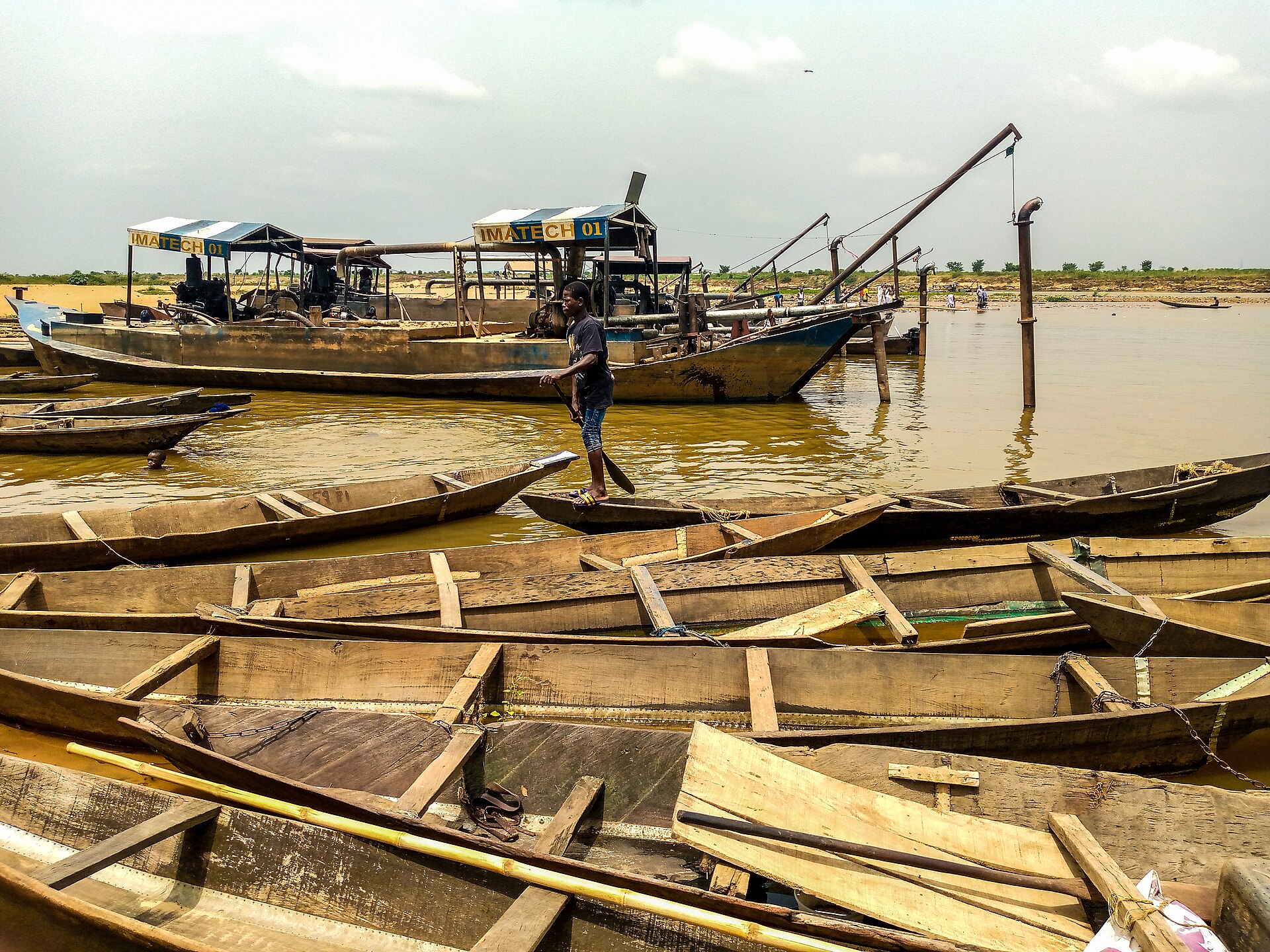
The Itsekiri (Ìtsèkírì) of the Niger Delta have long been recognized as one of the most maritime-oriented ethnic groups in West Africa. Central to their naval power were the massive Itsekiri war canoes, large, expertly carved wooden vessels capable of transporting 50–100 warriors, provisions, and sometimes light cannons. These vessels were crucial to Itsekiri commerce, diplomacy, warfare, and statecraft.
The written record
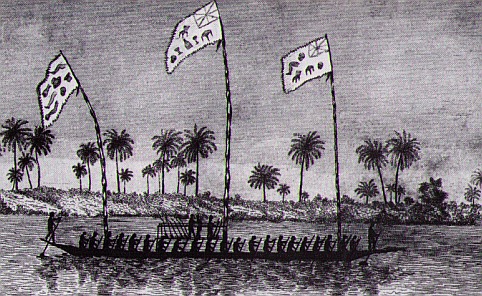
Photo credit: Wikimedia Commons / Public domain (from R & J. Lander, Journal of an Expedition)
Historical context
Historical Background
The Maritime Identity of the Itsekiri
According to Itsekiri and Warri Kingdom pages, the Itsekiri have historically occupied riverine and coastal territories along the present-day Warri River and its adjoining creeks. Their geography necessitated mastery of river navigation and led to the development of a strong naval culture. For centuries, the Itsekiri acted as middlemen in the Niger Delta trade, controlling waterways that connected the hinterland to the Atlantic coast. The need to defend trade routes and maintain political authority contributed to the prominence of war canoes.
- Regional Context: War Canoes in the Niger Delta
War canoes were common across the Niger Delta and West Africa. The Wikipedia: War canoe article notes that many Niger Delta kingdoms Itsekiri, Ijaw, Efik, and Ibibio built large dugout canoes used in trade, patrol, and warfare. However, the Itsekiri variant was distinguished by its size, craftsmanship, and the incorporation of Portuguese-influenced maritime technology introduced during the Kingdom’s early contact with Europeans in the 16th century.
Construction and Design of Itsekiri War Canoes
- Timber Selection and Carving Techniques
Itsekiri war canoes were carved from massive hardwood trees such as iroko or afara. Using iron tools, master canoe-builders hollowed a trunk into a long, tapering shape for speed and stability. The hull was then fire-treated to harden it and shaped by controlled heating and bending. Some of the largest vessels could stretch 50–70 feet in length, wide enough to accommodate multiple rows of paddlers.
- Structural Features and Armament
Historical accounts describe Itsekiri war canoes as featuring:
A high prow often carved with symbolic images,
Elevated platforms for commanders,
Reinforced midsections to hold small cannons,
Shields or mats along the sides for protection,
Space for cargo and warriors’ personal weapons.
European traders recorded seeing swivel guns, small, portable cannons mounted at the bow of some Itsekiri vessels. This aligns with evidence from the Warri Kingdom page indicating early access to European firearms and metal goods through trade.
- Crew Composition: Paddlers and Warriors
A typical war canoe carried 20–40 paddlers, who sat in synchronized rows, 30–60 warriors, armed with spears, swords, bows, and later muskets, a commander or Ologbotsere-appointed captain and sometimes a drummer or horn blower to coordinate paddling rhythm.
This brought the total crew to 50–100 individuals, proving the vessel’s enormous size and military capability.
Military Use and Strategic Importance
- Defense of Trade Routes
The Itsekiri acted as river controllers, and war canoes helped enforce tolls and protect merchant vessels. Their strategic location at the mouth of the Warri River enabled them to regulate the flow of European and inland trade goods. Canoes patrolled creeks to prevent piracy, rival incursions, and unauthorized movement of traders.
- Warfare and Naval Engagements
War canoes served in inter-polity conflicts within the Niger Delta, defense against slave raiders, rivalry with Ijaw, Urhobo, and other Delta groups, enforcement raids approved by the Olu or nobles.
British colonial records mention Itsekiri war canoes participating in 19th-century conflicts, such as the “Jekri Wars”, where their maritime power shaped regional outcomes. Their ability to deploy dozens of warriors with both traditional and imported weapons made them formidable.
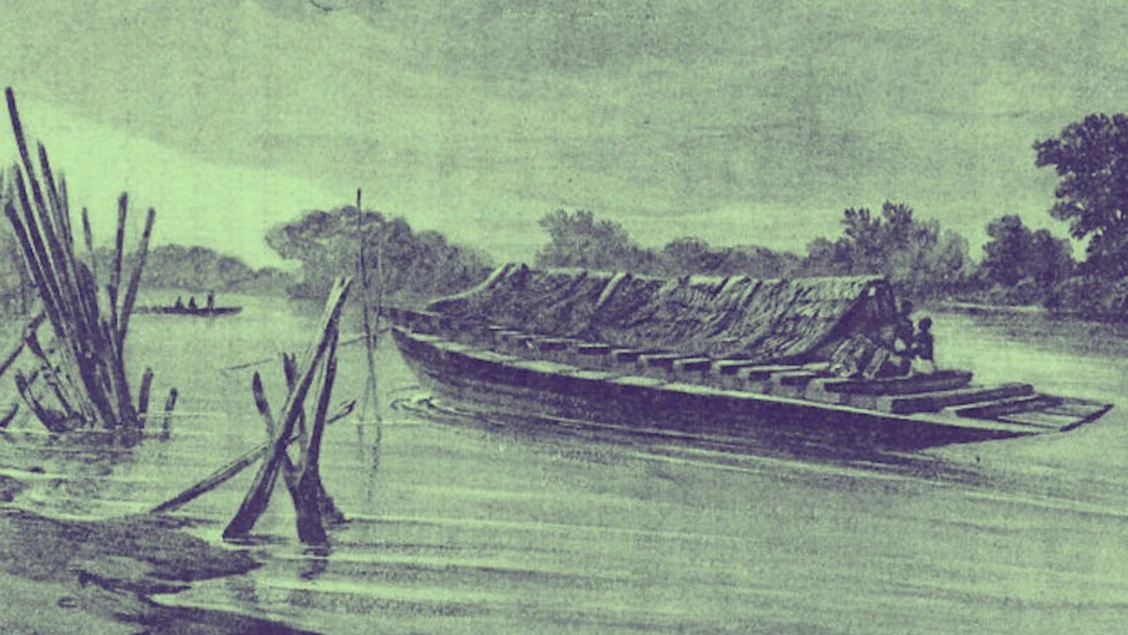
Europe’s plunder of the Niger Delta dates back to 1444.
Oronto Douglas, Ike Okonta
- Diplomatic and Ceremonial Functions
Beyond warfare, war canoes were used in:
Royal processions for the Olu of Warri,
Escorting European merchants,
Ceremonial river journeys,
Tribute collection missions.
Their presence symbolized the kingdom’s prestige, authority, and connection to maritime heritage.
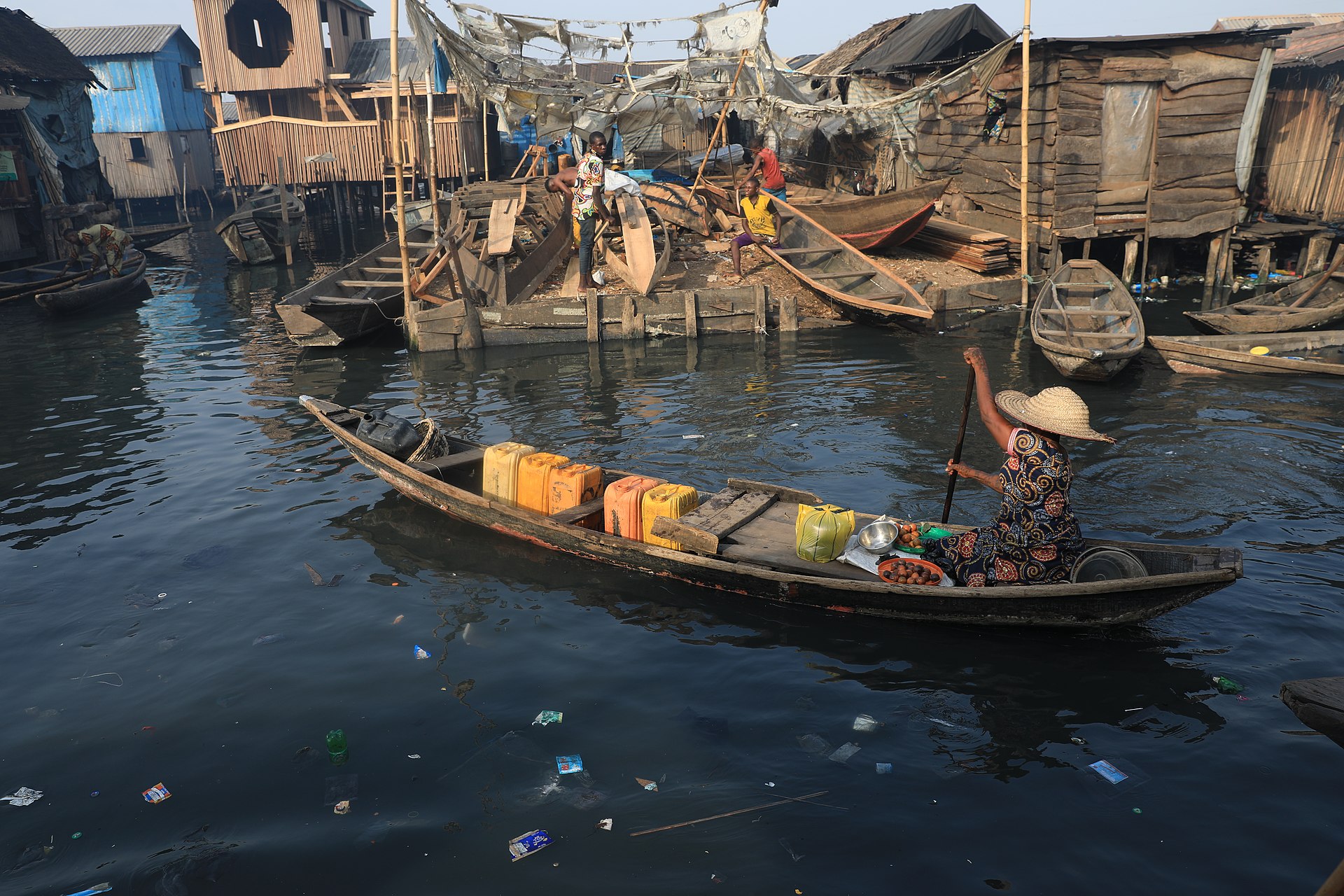
Photo credit: Temilade Adelaja via Wikimedia Commons.
Organization and Hierarchy of Canoe Warfare
- Command Structure
War canoe expeditions were typically led by high-ranking nobles or specific war captains appointed by the Olu. The Ologbotsere (War Prime Minister) often supervised naval campaigns.
Supporting officers included The Oshodi, responsible for logistics, The Ogwa, keeper of weapons, Senior paddlers who controlled movement and maneuvering.
This hierarchy ensured coordinated operations across the Delta’s challenging waterways.
- Training and Discipline
Paddlers trained to maintain rhythm for hours, guided by drums, bells, horn signals. Warriors practiced coordinated boarding maneuvers, river ambushes, and defensive shield formations. Training was communal, creating solidarity and discipline.
Economic Significance of War Canoes
- Control of the Middleman Economy
The Itsekiri dominated the Delta’s middleman trading system acting as intermediaries between coastal Europeans and inland peoples. War canoes allowed them to:
Escort European traders,
Collect trade duties,
Control access to river routes,
Maintain dominance over competitors.
This protection ensured that goods such as palm oil, ivory, textiles, and firearms flowed through Warri-controlled channels.
- Canoes as Instruments of Wealth and Prestige
Owning a large war canoe was a marker of wealth for nobles and merchant families. Some canoes were decorated with imported cloth, brass ornaments, and symbolic carvings, which elevated their ceremonial value.
Decline of War Canoes
- British Colonial Disarmament
The arrival of British colonial rule in the late 19th and early 20th centuries marked the decline of military canoe traditions. The British introduced steamships, enforced anti-slavery maritime patrols, and restricted indigenous weaponry. Naval expeditions by canoe became less necessary and were eventually forbidden.
- Modern Legacy
Today, replicas of war canoes appear during cultural festivals in Warri and other Itsekiri communities. They symbolize:
Maritime heritage,
Historical military strength,
The ancient authority of the Olu,
Cultural pride.
Their legacy remains alive in oral histories, songs, and community ceremonies.
The Itsekiri war canoe stands as a symbol of maritime sophistication, military strategy, and cultural identity. Capable of carrying 50–100 warriors and cannons, these vessels were crucial to the political and economic dominance of the Warri Kingdom in the pre-colonial and early colonial periods. Their construction reflected advanced indigenous engineering, while their use demonstrated strategic mastery of riverine warfare. Although colonial policies brought an end to their military role, their legacy endures as a testament to Itsekiri naval ingenuity and the central role of maritime culture in shaping the history of the Niger Delta.
Sources and references
- Ekeh, P. (2008). Warri City and British Colonial Rule in the Western Niger Delta. Urhobo Historical Society Press.
- Haberland, E. (1968). Boat-building and Canoe Culture in the Niger Delta. Journal of African Hist ory, 9(3), 399–421.
- Horton, R. (1975). African Religion in Transformation. Cambridge University Press.
Cite this article
Discussion
Sign in to join the discussion
Comments are checked by an editor before they appear. Leave a source or a correction and it is read first.
Continue reading
Related histories
 Cultural HeritageEleven Days of Nwafor Ogidi: Inside the Festival Keeping an Old Igbo Tradition AliveRead history →
 Cultural HeritageIli Ji Nkpor Obododike: The Indigenous Agricultural Ritual CycleRead history →
 Cultural HeritageMusic and Drum Traditions: Tracing the “Igbo Drum” in the AmericasRead history →
No comments yet
Nothing has been approved on this record yet. Comments are checked by an editor before they appear, so one written now shows on this page after that check.