 Ozikoro
Cultural Heritage · Published history
The Kalabari Language and Identity: Preserving a Key Ijaw Dialect in a Globalized Age
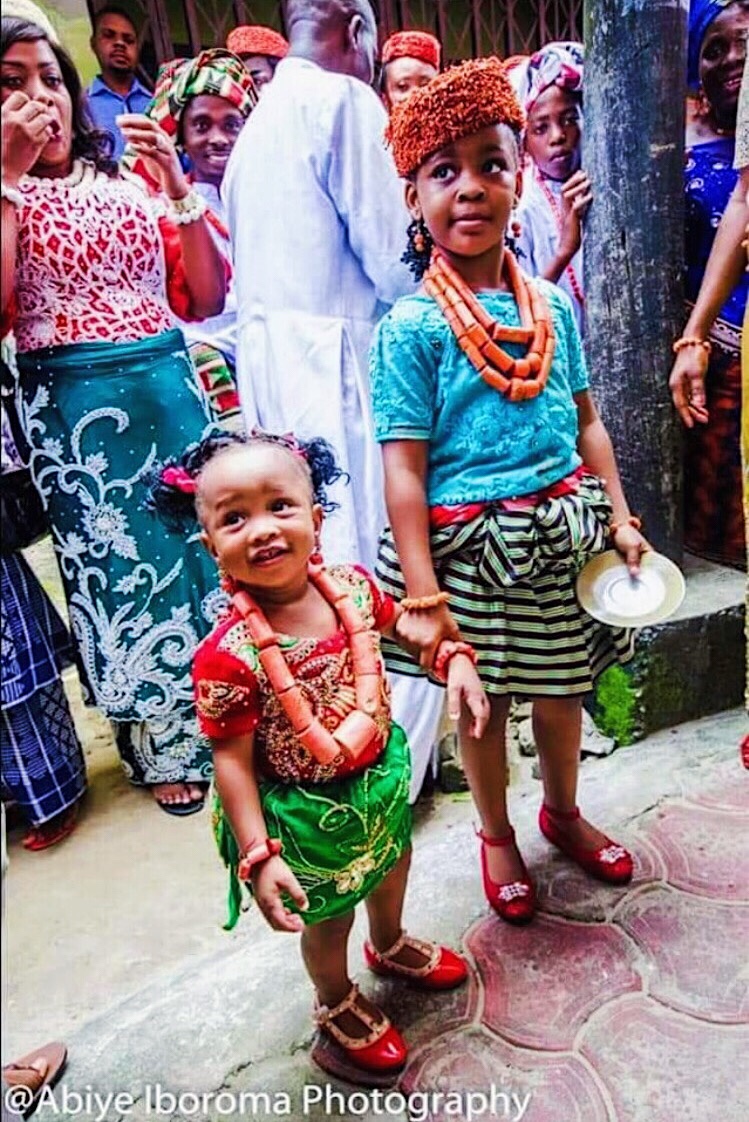
Language forms the backbone of cultural identity, communal memory, and historical continuity. Among the numerous linguistic groups in Nigeria, the Kalabari people of Rivers State stand out as one of the most culturally rich subgroups of the Ijaw ethnic nationality. The Kalabari language, often classified as an Ijaw dialect, is central to the people’s identity, governance structures, oral traditions, and sociocultural expressions. However, globalization, migration, and the increasing dominance of English pose significant challenges to the survival, transmission, and vitality of the language.
The written record
Historical context
Understanding Kalabari Language as an Ijaw Dialect
The Kalabari language belongs to the Niger-Congo language family, specifically within the Ijaw cluster spoken across the Niger Delta. Although sometimes referred to as a “dialect,” many scholars argue that Ijaw varieties, including Kalabari may be considered distinct languages due to their structural differences and deep historical roots. Kalabari retains unique phonological patterns, tonal distinctions, and lexical items that set it apart from other Ijaw varieties such as Nembe or Okrika.
The language is traditionally spoken in the Kalabari Kingdom, which includes communities such as Buguma, Abonnema, and Bakana. For centuries, Kalabari has been a carrier of indigenous knowledge, maritime vocabulary, traditional religious expressions, and historical narratives passed down through oral traditions.
Language as a Marker of Kalabari Identity
For the Kalabari people, language is more than a communication system; it is a symbol of belonging. Cultural events, royal ceremonies, age-grade systems, and traditional governance rely heavily on the use of indigenous linguistic expressions. Proverbs, praise chants, and folklore known as akpa and tamuno furo, encode moral lessons, social expectations, and cosmological beliefs.
According to Finnegan, African oral traditions serve as the “voice of a people,” anchoring communal values across generations. In Kalabari society, naming ceremonies, marriages, funerals, and even market interactions are infused with idioms that reflect the people’s worldview. Thus, losing the language would mean losing a significant part of Kalabari identity, history, and spirituality.
Impact of Globalization on the Kalabari Language
Globalization brings socio-economic opportunities but also exerts pressure on minority languages. Three major factors endanger the Kalabari language:
1. Dominance of English
Nigeria’s educational system prioritizes English as the language of instruction. As a result, urban Kalabari children increasingly adopt English as their first language. Parents, seeking economic advantages, often discourage their children from speaking Kalabari at home.
2. Migration and Urbanization
Large numbers of Kalabari families live in Port Harcourt, Lagos, Abuja, and diaspora communities abroad. In these environments, English or Pidgin English commonly replaces indigenous language use.
3. Media Influence
Television, radio, social media, and popular culture promote global languages over local ones. Without strong representation of Kalabari in digital media, younger speakers often perceive the language as “old-fashioned” or irrelevant.
Scholars such as Batibo warn that minority languages without systematic revitalization strategies risk becoming endangered, and Kalabari is not exempt from this threat.
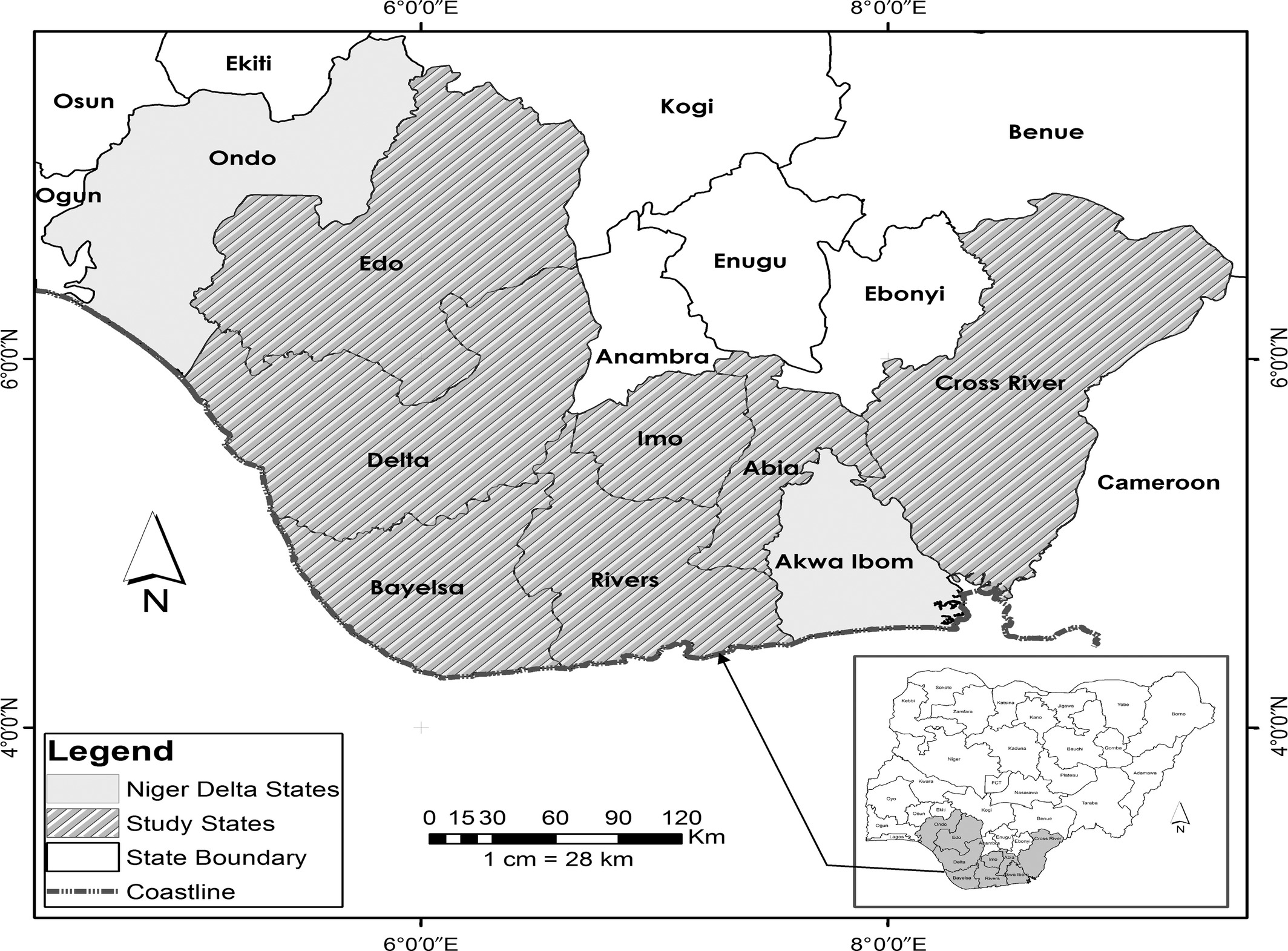
Photo credit; Research Gates.
The Role of Oral Tradition in Sustaining Kalabari
Despite modern challenges, oral traditions remain a crucial pillar of language preservation. Storytelling sessions, moonlight plays (furo piki), masquerade performances, and festival songs transmit vocabulary, moral lessons, and historical narratives. The Kalabari royal court, especially the Amanyanabo institution, still uses indigenous linguistic forms during rituals and governance processes.
These cultural practices reinforce community cohesion and remind younger generations of their ancestral roots. However, without deliberate educational and technological reinforcement, oral traditions alone may not be enough to safeguard the language.
Community Efforts Toward Preservation
Several initiatives highlight emerging consciousness about language preservation:
1. Community-Based Language Schools
Some Kalabari communities have introduced weekend schools where children are taught reading and writing in the language. These informal programs help bridge the gap created by English-based formal education.
2. Documentation Projects
Linguists and cultural organizations have begun compiling wordlists, grammar notes, and Kalabari folktales. Efforts such as the works of Kay Williamson and other Niger Delta scholars have provided foundational texts for continued research.
3. Cultural Festivals
Annual events like the Ogbo and Ekine festivals showcase traditional performances heavily rooted in Kalabari language and storytelling. These festivals help renew pride and cultural awareness among the youth.
4. Radio and Local Media
Community radio programs and church services conducted in Kalabari contribute to increased language visibility.
To thrive in the 21st century, the Kalabari language must fully embrace digital transformation. Useful strategies include:
1. Developing Kalabari Language Apps
Mobile applications can teach vocabulary, phrases, songs, and grammar, making language learning more accessible to younger generations.
2. Creating Online Dictionaries and Wikis
Digital databases allow instant access to word meanings, cultural concepts, and pronunciation guides.
3. Social Media Content
Influencers, educators, and cultural advocates can promote Kalabari phrases, stories, and proverbs through TikTok, Instagram, YouTube, and podcasts.
4. Integration into School Curricula
Local schools in Kalabari-speaking regions should integrate the language as a subject, similar to how Yoruba, Hausa, and Igbo are taught.
5. Recording Oral Histories
Video and audio recordings of elders, storytellers, and traditional leaders will preserve irreplaceable knowledge for future generations. These efforts demonstrate how technology can be harnessed to promote linguistic resilience.
The Kalabari language occupies a vital place within the Ijaw cultural landscape, serving as a vessel of communal memory, identity, and traditional wisdom. Although globalization poses serious threats to its continuity, the language can be preserved through deliberate cultural revitalization, educational reforms, and digital innovation. As a key part of Nigeria’s linguistic heritage, Kalabari deserves sustained attention from scholars, policymakers, and community stakeholders. Preserving it is not merely a linguistic task, it is a commitment to safeguarding the identity and legacy of the Kalabari people for generations to come.
Sources and references
- Batibo, H. (2005). Language decline and death in Africa. Multilingual Matters.
- Finnegan, R. (2012). Oral literature in Africa. Open Book Publishers.
- Williamson, K. (1988). Linguistic evidence for t he prehistory of the Niger Delta. African Languages and Cultures, 1(1), 1–37.
Cite this article
Discussion
Sign in to join the discussion
Comments are checked by an editor before they appear. Leave a source or a correction and it is read first.
Continue reading
Related histories
 Cultural HeritageEleven Days of Nwafor Ogidi: Inside the Festival Keeping an Old Igbo Tradition AliveRead history →
 Cultural HeritageIli Ji Nkpor Obododike: The Indigenous Agricultural Ritual CycleRead history →
 Cultural HeritageMusic and Drum Traditions: Tracing the “Igbo Drum” in the AmericasRead history →
No comments yet
Nothing has been approved on this record yet. Comments are checked by an editor before they appear, so one written now shows on this page after that check.