 Ozikoro
 Cultural Heritage · Published history
The Legend of Igueghae: A Master Smith Sent from Ile-Ife at the Oba’s Request
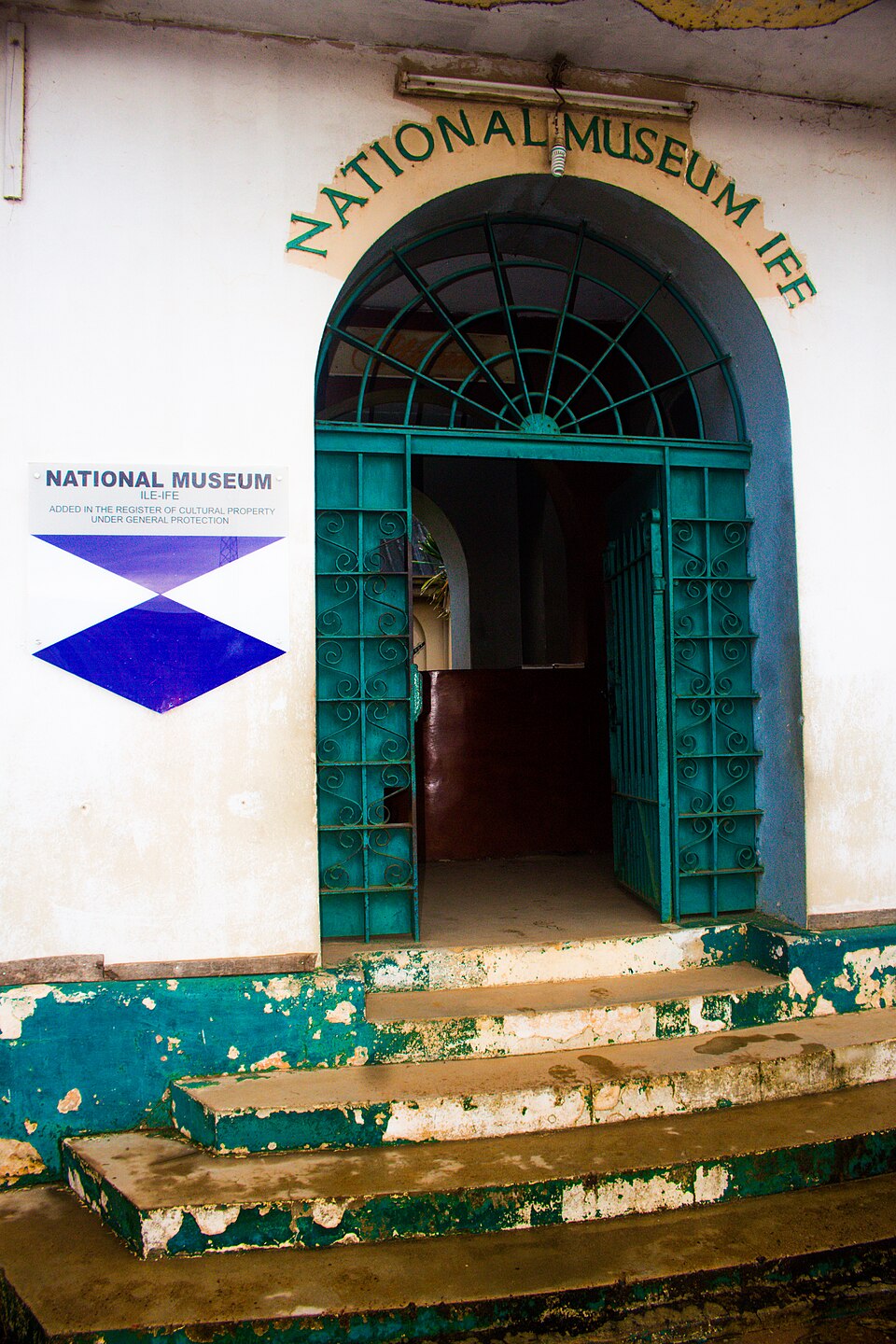
The legend of Igueghae occupies a central place in the cultural memory of the Benin Kingdom. Celebrated as a master smith, he is widely regarded as one of the most significant figures in the development of Benin’s metallurgical and artistic traditions. According to oral traditions, Igueghae was sent from Ile-Ife to Benin at the request of an Oba who sought a highly skilled craftsman capable of producing intricate court regalia and objects of prestige. His arrival marked a turning point in Benin’s metalworking history, particularly in the evolution of bronze casting and royal art.
The written record
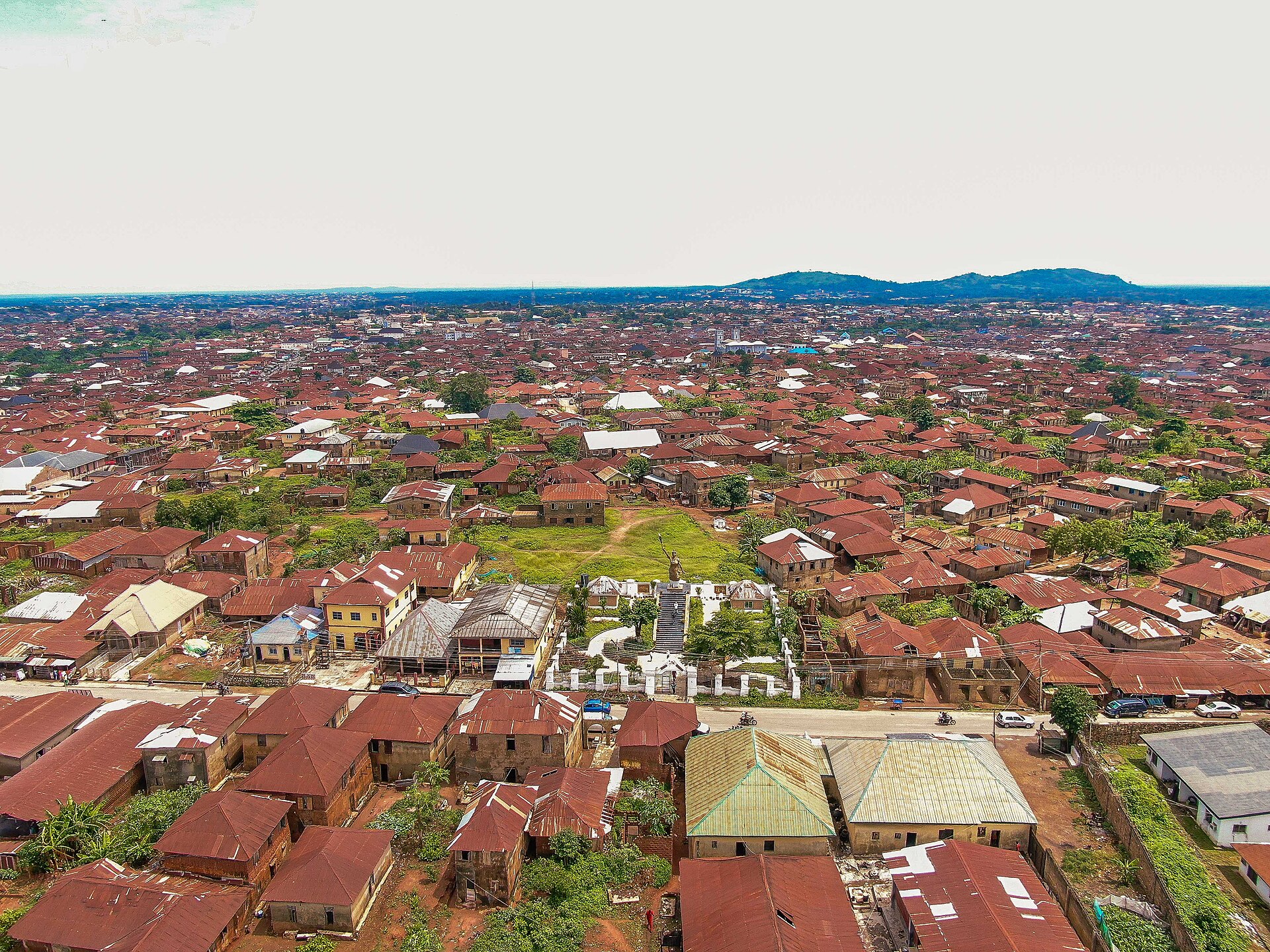
Photo credit: Ei’eke via Wikimedia Commons
Historical context
Historical Background
- Origin of the Legend
The legend of Igueghae is deeply embedded in Benin oral history. According to traditional accounts, the Oba often identified in different versions as Oba Oguola or Oba Esigie requested a master craftsman from Ile-Ife, the Yoruba cultural capital, to help elevate the artistic and ceremonial prestige of the Benin court. Ile-Ife is widely regarded in West African tradition as the “cradle of dispersion” and a spiritual center from which various crafts and technologies, including metallurgy, spread.
Igueghae’s journey to Benin is often interpreted as symbolic of early political and cultural connections between the Yoruba and Edo worlds. Scholars such as Bradbury argue that the diffusion of bronze-casting technology from Ife to Benin is historically plausible, especially because early Ife bronzes predate many of the renowned Benin bronzes.
- Metallurgy in Ile-Ife and Benin
Ile-Ife was already known for sophisticated brass and bronze sculptures by the 12th–15th centuries, including naturalistic heads and figures created using the lost-wax method. These technological advancements were central to the legend of Igueghae, as the Oba purportedly admired Ife craftsmanship and desired to replicate its artistic beauty in Benin.
Benin, on the other hand, had an established but less developed metalworking tradition before the legend. The arrival of Igueghae thus represents the transmission and indigenization of specialized skills that would eventually flourish into the iconic Benin bronzes of global acclaim.
Igueghae’s Arrival and Establishment of the Royal Guild
- The Oba’s Request and Igueghae’s Acceptance
The popular version of the legend narrates that the Oba of Benin, impressed by stories of Ife’s artistic excellence, sent emissaries to request a master smith. Igueghae agreed to travel to Benin, carrying with him not only tools and materials but also sacred knowledge of metallurgy, including the lost-wax casting technique.
Upon arrival, he was welcomed with ceremony and immediately tasked with producing royal objects such as ceremonial heads, brass plaques, and ritual accessories. His artistic brilliance stunned the Oba, who rewarded him with honors and land.
- Founding of the Igun-Eronmwon Guild
One of Igueghae’s most enduring contributions was the establishment or reorganization of the Igun-Eronmwon, the royal guild of bronze casters, located on Igun Street in Benin City. Today, the guild still exists and is recognized as a UNESCO World Heritage craft community.
Under Igueghae’s influence, the guild adopted hierarchical systems, apprenticeship structures, and ritual responsibilities that tied craftsmanship directly to the monarchy. Membership became hereditary, with lineage descent traced to Igueghae as the legendary progenitor of all Benin bronze casters.
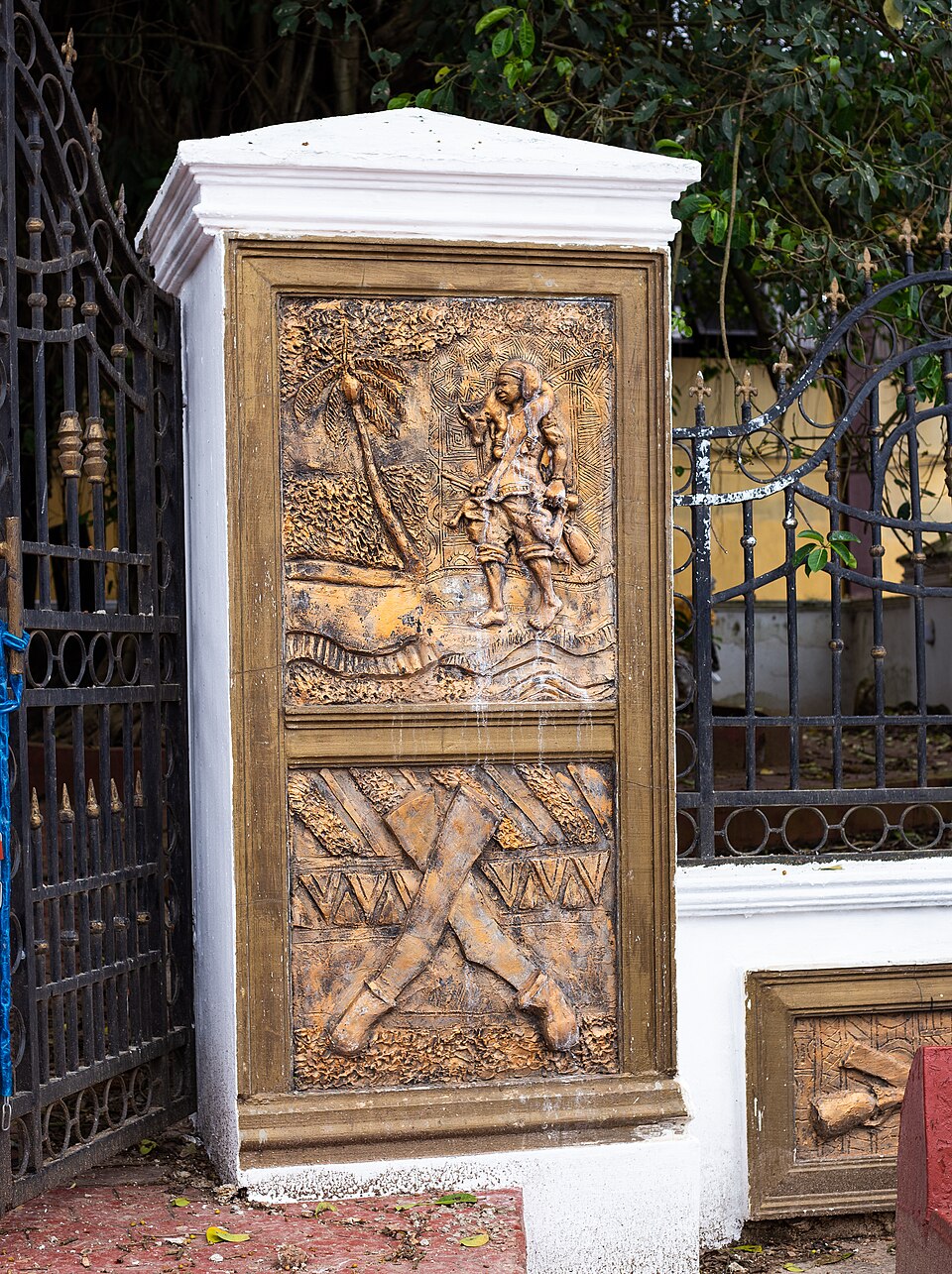
Photo credit: BOGA101 via Wikimedia Commons
Artistic and Cultural Contributions
- Introduction of the Lost-Wax Technique
The lost-wax (cire-perdue) casting technique is central to Benin’s bronze artistry. Though some scholars debate whether Igueghae introduced or refined it, the legend credits him with formalizing the method. This technique allowed for high-precision detailing, complex compositions, durable, expressive royal artworks.
Works attributed to Igueghae or his early guild include bronze heads used in royal ancestral altars and ornamental objects for palace rituals.
- Transformation of Benin Court Art
Igueghae’s artistry profoundly shaped the visual culture of the Benin Kingdom. His work contributed to:
The creation of bronze plaques depicting court life, military power, and ceremonial events,
Standardization of royal regalia iconography,
Enhanced prestige of the Oba. These innovations strengthened the symbolic power of the monarchy by embedding political authority in material culture.
- Ritual and Spiritual Dimensions
Metalworking in Benin was not purely technical; it was deeply spiritual. Igueghae is said to have brought sacred rituals associated with casting, including incantations, purification rites, and the veneration of Ogun, the deity of iron and craftsmanship. These rituals formed part of the guild’s identity and reinforced the connection between the Oba, spiritual power, and artistic production.
Interpretations and Debates
- Oral Tradition vs. Archaeological Evidence
Oral traditions emphasize Igueghae’s origins in Ile-Ife, but some scholars argue that Benin may have independently developed certain aspects of its bronze-casting tradition. According to Willett, similarities between Ife and Benin artworks point to cultural exchange, but not necessarily direct migration.
Archaeological studies show that Benin bronzes flourished particularly from the 15th century onward, aligning chronologically with the legendary timeline of Igueghae.
- Symbolic Meaning of the Legend
Some historians view the story of Igueghae as a metaphor for the philosophical and artistic connection between two major West African civilizations. The legend highlights; the Oba’s commitment to artistic excellence, the importance of inter-cultural exchange and the role of skilled craftsmen in political statecraft.
Thus, while the historical accuracy of every detail is debated, the symbolic significance remains profound.
Legacy of Igueghae
- Influence on Benin’s Global Artistic Reputation
The craftsmanship attributed to Igueghae laid the foundation for the later masterpieces that astonished European explorers and collectors. The Benin bronzes became globally famous after the 1897 British Punitive Expedition, which looted thousands of artworks now housed in museums worldwide.
- Preservation of His Tradition
Today, Igun Street in Benin City remains a thriving artistic center. Bronze casters continue to reproduce traditional forms and innovate within the guild’s centuries-old rules, preserving Igueghae’s legacy through artistic continuity.
The legend of Igueghae represents an important intersection of mythology, artistry, cultural exchange, and historical identity. Whether purely symbolic or grounded in actual migration, the story reflects the deep ties between Ile-Ife and Benin and highlights the crucial role of skilled artisans in shaping political and cultural heritage. Igueghae’s legacy endures in the royal guild of bronze casters and in the internationally celebrated Benin bronzes that continue to define Edo artistic brilliance.
Sources and references
- Aisien, E. (1987). Benin City: Land of Blood and Honour. Lagos: Savic Publishers.
- Bradbury, R. E. (1957). The Benin Kingdom and the Edo-Speaking Peoples of Southwestern Nigeria. International African Institute.
- Dark, P. J. C. (1973). An Introduction to Benin Art and Technology. Oxford: Clarendon Press.
- Igbafe, P. (1974). “Benin under the Oba Ewuare.” Journal of the Historical Society of Nigeria, 7(1), 21–37.
- Willett, F. (1967). Ife in the History of West African Sculpture. London: Thames & Hudson.
Cite this article
Discussion
Sign in to join the discussion
Comments are checked by an editor before they appear. Leave a source or a correction and it is read first.
Continue reading
Related histories
 Cultural HeritageEleven Days of Nwafor Ogidi: Inside the Festival Keeping an Old Igbo Tradition AliveRead history →
 Cultural HeritageIli Ji Nkpor Obododike: The Indigenous Agricultural Ritual CycleRead history →
 Cultural HeritageMusic and Drum Traditions: Tracing the “Igbo Drum” in the AmericasRead history →
No comments yet
Nothing has been approved on this record yet. Comments are checked by an editor before they appear, so one written now shows on this page after that check.