 Ozikoro
 Cultural Heritage · Published history
The Migration of Prince Ginuwa: The 15th-century Exodus from the Benin Kingdom and the Founding of the Warri Kingdom
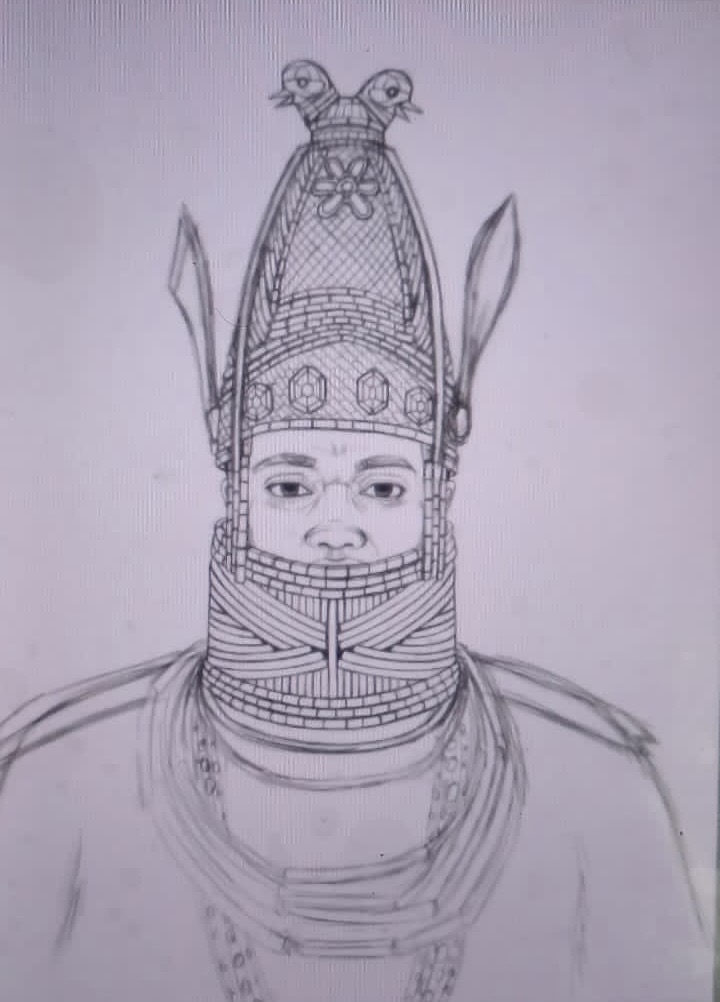
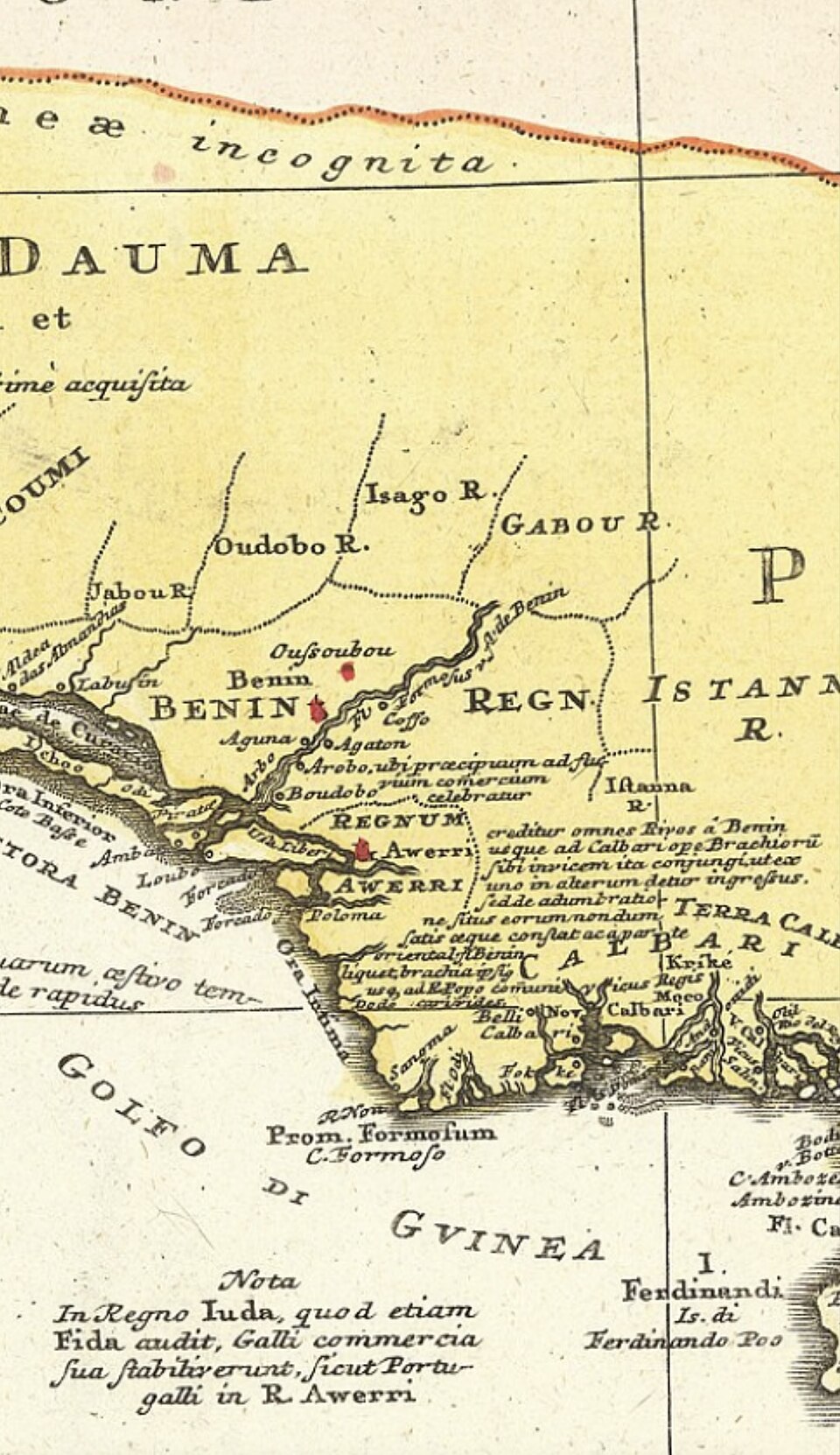
Photo credit: LordSnow242, via Wikimedia Commons.
The written record
The migration of Prince Ginuwa in the 15th century is one of the most significant episodes in the history of the Western Niger Delta. Regarded as the first Olu of Warri, Ginuwa’s journey from the Benin Kingdom and his eventual settlement in the creeks of present-day Delta State laid the foundation for what became the Itsekiri Kingdom of Warri. The event is central to Itsekiri identity, political history, and their long-standing relationship with the Edo-speaking Benin Kingdom. This article examines the circumstances surrounding Prince Ginuwa’s departure, the process of migration, the establishment of the Warri Kingdom, and the broader implications for regional politics.
Historical context
Historical Background of the Benin Kingdom
- Benin in the 15th Century
By the 15th century, the Benin Kingdom was one of the most powerful states in West Africa. Under Oba Ewuare and his successors, Benin expanded through military conquest, political diplomacy, and cultural influence. Its administrative system featuring princes, palace chiefs, and guilds was highly organized. According to the “Benin Empire”, the period saw increased commercial interactions with inland neighbors and coastal peoples.
- The Royal Household and Succession Pressures
The Edo political culture placed heavy emphasis on royal lineage and succession. Princes who were not designated as heirs often faced political marginalization or were encouraged to establish new settlements. Scholars such as Igbafe note that dispersal of princes served two purposes: diffusing potential political rivals and extending Benin cultural influence into frontier regions. This political context forms the backdrop for Prince Ginuwa’s migration.
Prince Ginuwa’s Departure from Benin
- Identity of Prince Ginuwa
Prince Ginuwa (also spelled “Iginua”) was traditionally described as the son of Oba Olua (Oluwa) of Benin. Oral sources assert that he was originally a crown prince who, due to palace politics or divine consultation, was selected to leave Benin. The article on “Itesekiri people” recounts that Ginuwa departed Benin with a retinue of servants, warriors, and members of the royal guilds.
- Reasons for the Exodus
Various traditions provide different explanations:
Political Rivalry: Some accounts state that internal disagreements over succession made it advisable for Ginuwa to relocate.
Strategic Expansion: Bradbury argues that Benin sometimes encouraged princely migrations to extend Edo cultural and political influence.
Divine or Ritual Reasons: Certain Edo oral traditions claim priests received omens indicating that Ginuwa should lead a new kingdom elsewhere.
While these explanations differ, all emphasize that his departure was purposeful, organized, and politically significant.
The Journey to the Niger Delta
- Movement Through the Creeks
Prince Ginuwa’s party traveled southwards through the swampy waterways that connected Benin territories with the Niger Delta. This region was inhabited by various Ijaw-speaking groups long before the arrival of the Itsekiri ancestors. Oral histories recount that Ginuwa and his entourage moved by canoe, encountering various communities before settling temporarily at Ijala.
- Settlement at Ijala and Interaction with Indigenous Peoples
Ijala became Ginuwa’s first major base. It is remembered today as the burial site of Itsekiri kings. Early interactions with the local inhabitants were marked by diplomacy, intermarriage, and negotiations for land. Ayomike notes that these relationships helped the migrants adapt to the mangrove environment of the Delta and eventually establish a distinct socio-political identity.
Founding of the Warri Kingdom
- Establishment of Political Authority
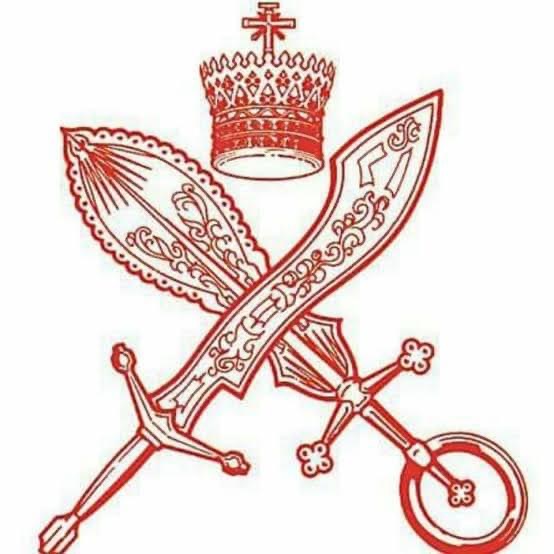
Ginuwa’s leadership over his followers marked the beginning of a centralized monarchy in the region. He was recognized as “Olu Ginuwa,” the first Olu of Warri. His authority was partly derived from:
His Benin royal lineage
Ritual objects he carried from Benin
His ability to organize trade and diplomacy
The Itsekiri monarchy thus blended Edo political structures with local Delta traditions.
- Consolidation at Ode-Itsekiri (Big Warri)
Over time, Ginuwa’s descendants moved the capital to Ode-Itsekiri (also known as Big Warri). From there, the kingdom grew into a strong economic and political center. Entries on the Olu of Warri notes that the kingdom became influential through trade with the Portuguese from the late 15th century onward.
- Cultural Syncretism and Identity Formation
The Itsekiri identity developed through a fusion of:
- Edo royal practices,
- Yoruba cultural influences (later introduced through marriage ties),
- Ijaw linguistic and cultural interactions,
- European religious and commercial contact. This complex blend contributed to the unique position of the Warri Kingdom in regional history.
Impact of Ginuwa’s Migration on Regional Politics
- Spread of Benin Influence
Ginuwa’s establishment of a new kingdom extended the cultural reach of Benin into the Niger Delta. Political rituals, kingship titles, and elements of court protocol clearly show Edo origins. Historians argue that such migrations helped maintain Benin’s prestige across the region.
- Transformation of Delta Trade Networks
The arrival of Ginuwa’s lineage, along with their organizational skills, positioned the Warri Kingdom as a significant maritime and commercial hub. The kingdom later became an intermediary between European traders and inland peoples, especially during the height of Portuguese contact.
- Long-term Cultural Legacy
Prince Ginuwa’s migration laid the foundation for centuries of Itsekiri political continuity. It also contributed to broader patterns of:
- Delta urbanization,
- Multi-ethnic state formation,
- Inter-group diplomacy.
Today, the Olu of Warri remains a prominent traditional institution whose legitimacy traces directly to Ginuwa’s 15th-century journey.
The migration of Prince Ginuwa is more than a historical episode; it is the cornerstone of Itsekiri state formation and a key narrative in the political history of the Niger Delta. Triggered by a combination of Benin succession politics, deliberate statecraft, and ritual imperatives, the exodus shaped the emergence of a powerful maritime kingdom. Through diplomacy, cultural adaptation, and strategic settlement, Ginuwa and his followers transformed a complex deltaic landscape into the nucleus of the Warri Kingdom. His migration illustrates how movement, identity, and political innovation intersect in West African history.
Sources and references
- Ayomike, J. O. S. (1988). A history of the Warri Kingdom.
- Bradbury, R. E. (1957). The Benin Kingdom and the Edo-speaking peoples of South-Western Nigeria. International African Institute.
- Igbafe, P. A. (1979). Benin under the Obas, 1440–1897. Longman.
- Talbo t, P. A. (1926). The peoples of Southern Nigeria (Vol. 2). Oxford University Press.
Cite this article
Discussion
Sign in to join the discussion
Comments are checked by an editor before they appear. Leave a source or a correction and it is read first.
Continue reading
Related histories
 Cultural HeritageEleven Days of Nwafor Ogidi: Inside the Festival Keeping an Old Igbo Tradition AliveRead history →
 Cultural HeritageIli Ji Nkpor Obododike: The Indigenous Agricultural Ritual CycleRead history →
 Cultural HeritageMusic and Drum Traditions: Tracing the “Igbo Drum” in the AmericasRead history →
No comments yet
Nothing has been approved on this record yet. Comments are checked by an editor before they appear, so one written now shows on this page after that check.