 Ozikoro
 Cultural Heritage · Published history
The Musical and Cultural Heritage of Akpo: A Glimpse into Igbo Tradition

Akpo, also known as Ogaranya bi n’ugwu, is the second child of the late Nnoebe Dike. He had three children: Amesi, Akpo and Achina. They gave Akpo the name Akponnaya because he resembles his father so much. Later on, his name was shortened to Akpo. Akponnaya married two wives, Ezi and Ihite. Ezi gave birth to Agbelu, Uhuala and Umueze. Ihite birthed Ogbo and Amaife. An adopted son named Udo is one of them. These six children comprised the six villages in Akpo: Agbelu, Uhuala, Umueze, Ogbo, Amaife and Udo. Akpo is a community that makes up the Aguata Local Government Area. Akpo kingdom is surrounded by Achina, Nkpologwu, Ogboji, Agulezechukwu and Amesi
The written record
Akponnaya, the patriarch of Akpo, was a strong warrior during his time, and his children also carried the same warrior spirit. They won many fights in the war, and their war characters show in their music. When a person listens to traditional music, he/she begin to understand the people who sing it, their work, level, and culture. One cradle song that shows the Akpo people as warriors is “Ghara Nwannem.”
Historical context
Akpo is a semi-independent community with six villages. All these villages live like brothers; they support each other, especially when issues threaten the town. Two strong things bind them together, and anyone from Akpo will defend the name Akpo with their last breath. Akpo is home to great entrepreneurs and intellectuals. Akpo town has many natural streams, such as Nwangwo, Okwaraowelie, Omerenanyazi, Okwara, Aghontukoba and Ogbomiri.
Ogbo Village and Its Musical Identity
Ogbo is the third son of Akpo, and is the third biggest village. They have one dance that is their own, the Idu cultural dance. Only Ogbo people can join them. Ogbo has eight kindreds: Dimoha, Dimaku, Umuohi, Umuachala, Egbe, Unu-Achi, Dimagbagbeshi and Dimonyegwara. Any man who collects a title in the village bears the name Dim. Ogbo village has two main male dance groups, Ogba-Agu and Idu.
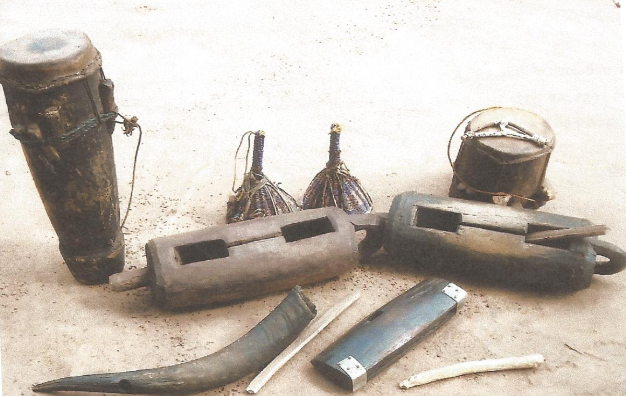
People in Akpo have music that follows their different social groups, like age grade, titled men, palm wine tappers, hunters, carvers, women, men and even children. Each group has its music, which builds the rhythm of life in Akpo.
Akpo is a town with a rich culture. It has plenty of festivals and respects its gods. The two main gods it worships are Nkwo and Ezekolo, and it celebrates them every year. Every family has its own personal gods, which it believes help it with things like children, good harvests, war victories and more. When it celebrates these gods, it uses different kinds of music. That is why plenty of music groups are in Akpo.
Folk music belongs to the people and is a part of their lives. It is also how the community expresses its beliefs, stories, taboos and history. Folk music comes from culture and can evolve gradually with time, but it still maintains its original style.
Folk music is part of the culture of the Igbo people. It is the music they pass from one generation to another. They sing it in their language and play local instruments. Most folk music comes from folktales. For the Igbo people, traditional music is very important. It is not just to sweeten the ear, they use it to teach culture. From when a person is small, music follows every stage of life.
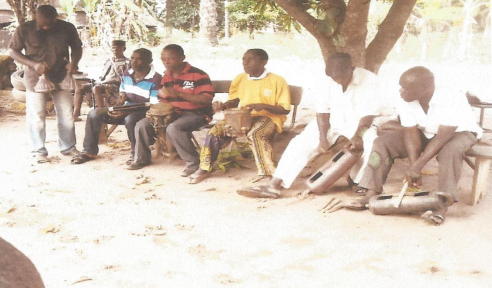
In Igbo land, music is a tool that teaches law, history and good values. It is through music that people know how to behave. That is why, even as Western culture has tried to wipe it off, folk music is still strong in Igbo culture.
In Igbo society, music is a social thing. Music is a social event in traditional African places. Sometimes, people do music alone. African music is not alone but inside the family, society and politics.
Like other arts, music is not alone but part of the whole culture. In the Igbo land, music is life.
Music helps shape the lives of the Igbo people. It teaches them how to behave well. Through folk music, people learn good character and shame bad behaviour. This kind of mindset helps development.

If there is no music, dancing would not make sense. In Nigerian dance, the dancers’ movements follow the beat of the music. In many Nigerian cultures, the same word means music and dance. So, it would look like the person is insane if they dance without music.
The rhythm of the music controls how fast or slow the dancer moves. In most dance music groups, the person playing the lead instrument, like the drum or bell, gives the sign that the dancers follow.
Every dancer must know the instrumental or vocal music to follow the music’s changes. Dancers do not dance stiffly. Dancers mix planned steps and freestyle when performing in dance.
Akpo has a strong history, culture and tradition. Their music is one big way they show who they are. Even though Christianity has stopped many festivals and music groups, some music, like Idu, is still alive because it has changed its songs to moral and religious ones.
Music in Akpo does not just entertain; it teaches, preserves culture, and brings people together. Ogbo villages especially show that this tradition is still alive, and music still plays a big role in the lives of Akpo people.
Sources and references
- Akas, N. C. (2014). Indigenous dance beyond movement: A semiotic metaphor of Idu Akpo dance performance . Awka Journals of Research in Music and Arts (AJRMA), 10, 192–205.
- Chuma-Udeh, N. (2014). Music in oral literature by Sephardic Jews and Igbos of western Nigeria: A comparative analysis . Awka Journals of Research in Music and Arts, 10, 15–31.
- Ekwueme, L. U. (2008). A basic guide to music appreciation . Lagos: Apex Books.
- Ezenwata, S. M. (2012). Who is who in Akpo? A reminiscent survey of Akpo, origin and growth in synopsis . Port Harcourt: PGI Printing Concepts.
- Okpala, Nkechi H. (2016). Traditional Music in Igbo Culture: A Case Study of Idu Cultural Dance of Akpo in Aguata Local Government Area of Anambra State . Anambra State.
Cite this article
Discussion
Sign in to join the discussion
Comments are checked by an editor before they appear. Leave a source or a correction and it is read first.
Continue reading
Related histories
 Cultural HeritageEleven Days of Nwafor Ogidi: Inside the Festival Keeping an Old Igbo Tradition AliveRead history →
 Cultural HeritageIli Ji Nkpor Obododike: The Indigenous Agricultural Ritual CycleRead history →
 Cultural HeritageMusic and Drum Traditions: Tracing the “Igbo Drum” in the AmericasRead history →
No comments yet
Nothing has been approved on this record yet. Comments are checked by an editor before they appear, so one written now shows on this page after that check.