 Ozikoro
 Cultural Heritage · Published history
The Niger Delta Struggle: Ijaw Resistance to Colonialism and Resource Exploitation
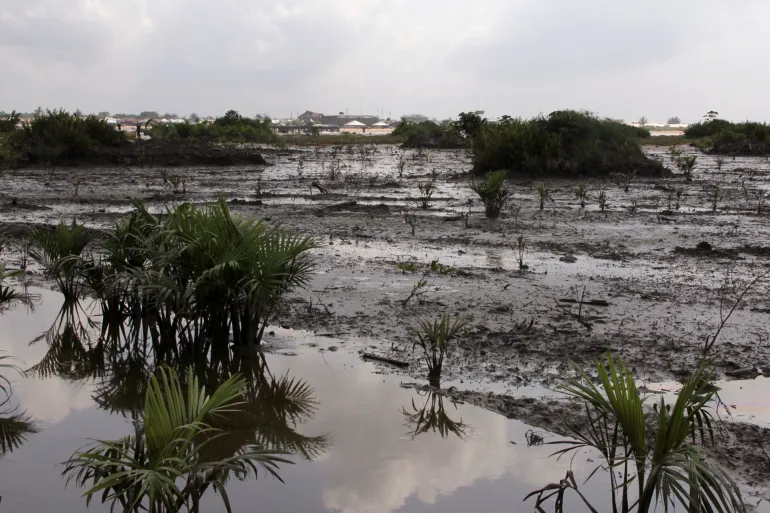
The Ijaw people, one of the most prominent ethnic groups in the Niger Delta, have long engaged in struggles against external domination, beginning with European contact in the 15th century and continuing through colonial rule and postcolonial resource extraction. Their resistance, political, economic, and cultural, represents one of the most enduring liberation narratives in West Africa.
The written record

Historical context
Early Encounters and the Foundations of Resistance
European contact with the Niger Delta intensified between the 15th and 19th centuries through the Atlantic trade. The Ijaw, particularly in the coastal city-states of Bonny, Brass (Nembe), and Kalabari, managed their affairs autonomously, interacting with Europeans through diplomacy and commerce while guarding their internal political systems.
As Alagoa notes, Ijaw societies maintained strong political structures that allowed them to negotiate with foreign traders on equal terms. Chiefs regulated trade routes, fishing rights, and port access, ensuring that external interests did not undermine local authority. However, European attempts to dominate trade increasingly threatened Ijaw autonomy.
By the mid-19th century, British commercial interests sought direct control of palm oil exports. Efforts to bypass local chiefs through treaties, gunboat diplomacy, and punitive expeditions created tensions that sparked armed resistance.
The Nembe–British Conflict of 1895
One of the most iconic moments in Ijaw anti-colonial resistance was the Nembe (Brass) uprising led by King Koko. The Royal Niger Company (RNC), backed by British power, imposed monopolies and restricted Nembe traders from accessing markets.
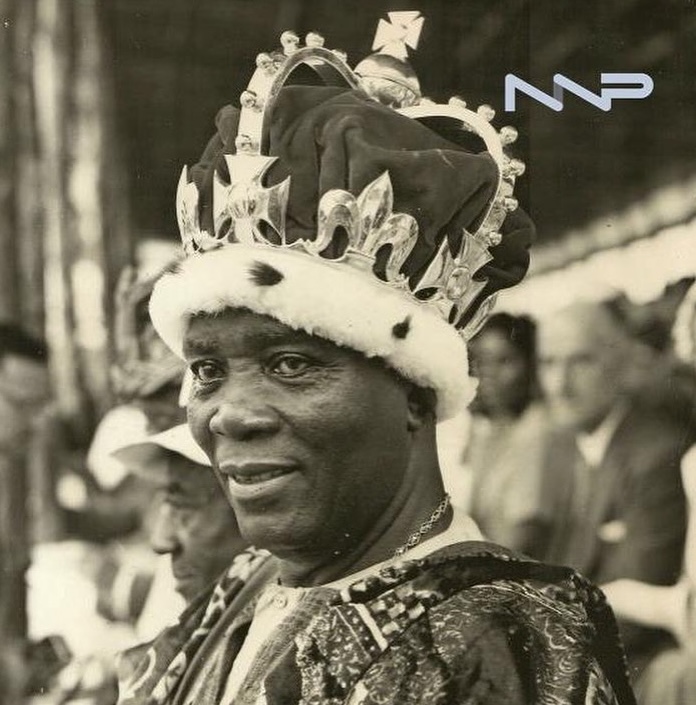
The Raid on Akassa
In January 1895, King Koko led an attack on the RNC headquarters at Akassa. This act of resistance demonstrated the Ijaw determination to defend economic independence. Though the British retaliated with overwhelming force, burning Brass and imposing fines, the event became a symbol of anti-colonial defiance.
Alagoa describes the raid as “one of the clearest signs that Niger Delta communities rejected the loss of economic freedom under British imperial pressure.”
The British used the raid to justify full colonial annexation. Traditional governance structures were weakened through punitive expeditions, imposition of Warrant Chiefs, and direct administrative control. However, the spirit of resistance persisted among the Ijaw.
Colonial Rule and Continued Resistance
During British rule (1900–1960), the Ijaw faced political marginalization, taxation, forced labor, and increasing encroachment on fishing waters and economic resources.
Communities resisted through petitions to colonial administrators, refusal to cooperate with Warrant Chiefs, migration to avoid taxation, cultural assertion through festivals, rituals, and language.
Horton argues that Ijaw resilience was grounded in strong kinship structures and spiritual systems, which helped them resist cultural assimilation.
Postcolonial Nigeria and the Rise of the Oil Economy
With independence in 1960, many Ijaw communities expected improved development and greater autonomy. Instead, oil discovery in Oloibiri marked the beginning of new forms of exploitation.
Oil spills, gas flaring, and industrial waste devastated farmlands, mangroves, and fishing grounds, core elements of Ijaw livelihood. Amnesty International reported that Niger Delta communities experienced some of the worst oil pollution globally. Traditional occupations such as fishing declined rapidly, pushing many into poverty.
Despite being the source of Nigeria’s wealth, the Ijaw and other Niger Delta peoples received minimal infrastructural development. Federal control over oil revenues reduced local autonomy, echoing earlier patterns of colonial economic domination.
The Kaiama Declaration and Late-20th-Century Militancy
A major turning point in the modern struggle was the Kaiama Declaration of 1998, issued by the Ijaw Youth Council (IYC). The declaration asserted that all natural resources in Ijaw territory belonged to the communities and demanded environmental protection, resource control, and demilitarization.
The Ijaw Youth Council and Civil Mobilization
The IYC launched “Operation Climate Change,” a nonviolent campaign involving protests, sit-ins, and community mobilization. The Nigerian military responded with force, leading to violent confrontations in Kaiama, Yenagoa, and other Ijaw towns.
By the early 2000s, various militant groups emerged, including the Movement for the Emancipation of the Niger Delta (MEND). Their objectives included, halting oil exploitation, demanding resource control, compensating communities for ecological damage, ending military occupation of the Delta.
These groups attacked pipelines, kidnapped oil workers, and disrupted production, drawing global attention to the crisis.
Watts argues that militancy emerged as “a response to the violent political economy of oil,” where communities faced environmental destruction without benefit.
Negotiations, Amnesty, and Contemporary Realities
In 2009, the Nigerian government introduced an Amnesty Program to end militant activities. Thousands of militants surrendered their arms in exchange for training, stipends, and reintegration. While the program reduced violence temporarily, core issues remained unresolved.
Ijaw communities still face oil spills and gas flaring, inadequate development, internal political struggles and climate-induced flooding.
Young people continue to demand reforms, and new forms of activism, legal battles, environmental monitoring, and advocacy are emerging.
Cultural Dimensions of the Struggle
The Niger Delta struggle was not only political and economic but also cultural. Ijaw spiritual beliefs, community festivals, and oral traditions express themes of resistance and survival.
Songs, masquerades, and storytelling often portray heroes who challenge exploitation and defend their communities. These cultural forms reinforce collective memory and identity, making the struggle not just an act of protest but a continuation of ancestral duty.
The Ijaw resistance to colonialism and resource exploitation reflects a long-standing commitment to autonomy, environmental stewardship, and cultural identity. From the Nembe uprising of 1895 to the Kaiama Declaration and contemporary activism, the Ijaw have consistently challenged external domination. Their struggle illustrates broader issues of environmental justice, resource control, and postcolonial inequality in Nigeria. As oil exploitation continues to shape the Niger Delta, the legacy of Ijaw resistance remains a vital force advocating for fairness, dignity, and ecological survival.
Sources and references
- Alagoa, E. J. (1999). The land and people of Bayelsa State: Central Niger Delta. Onyoma Research Publications.
- Alagoa, E. J. (2005). A history of the Niger Delta: An historical interpretation of Ijo oral tradition. Onyoma Research Publications.
- Amnesty International. (2009). Nigeria: Petroleum, pollution and poverty in the Niger Delta. Amnesty International Publications.
- Horton, R. (1969). From fishing village to city-state: A social history of the Niger Delta. Africa, 39(3), 187–205.
- Watts, M. (2008). Curse of the bl ack gold: 50 years of oil in the Niger Delta. Powerhouse Books.
Cite this article
Discussion
Sign in to join the discussion
Comments are checked by an editor before they appear. Leave a source or a correction and it is read first.
Continue reading
Related histories
 Cultural HeritageEleven Days of Nwafor Ogidi: Inside the Festival Keeping an Old Igbo Tradition AliveRead history →
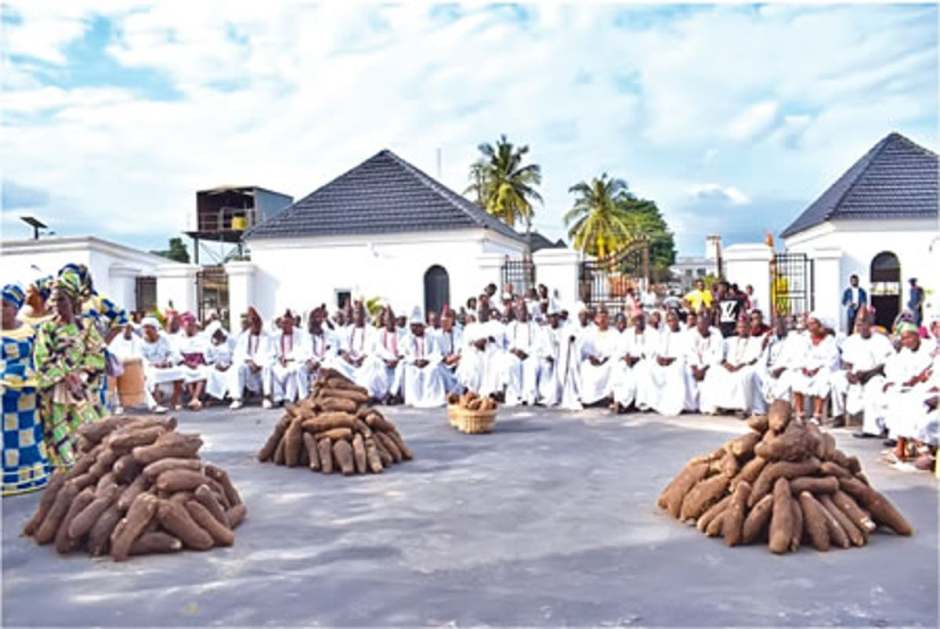 Cultural HeritageIli Ji Nkpor Obododike: The Indigenous Agricultural Ritual CycleRead history →
 Cultural HeritageMusic and Drum Traditions: Tracing the “Igbo Drum” in the AmericasRead history →
No comments yet
Nothing has been approved on this record yet. Comments are checked by an editor before they appear, so one written now shows on this page after that check.