 Ozikoro
 Cultural Heritage · Published history
The Njemanze Family and Royalty in Owerri: Tradition, Power, and Historical Memory
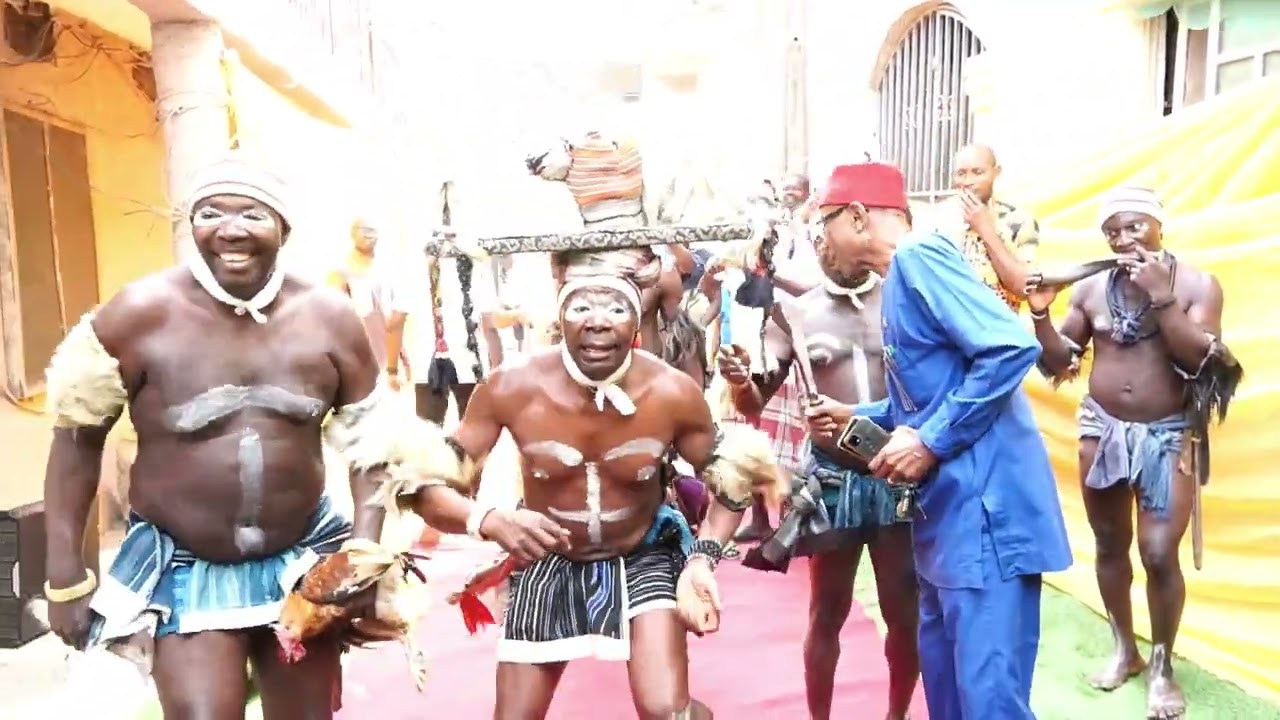
Owerri, the cultural and administrative heart of present-day Imo State, occupies a unique position in Igbo history. Unlike many Igbo communities that operated strictly through republican systems, Owerri developed a distinct form of sacred kingship centered on the Eze Owerri (Ọba Owerri). At the heart of this royal tradition stands the Njemanze family, widely recognized as the custodians of Owerri kingship and ancestral authority. The story of the Njemanze lineage reveals how monarchy, ritual power, and colonial influence intersected within an otherwise decentralized Igbo political landscape.
The written record
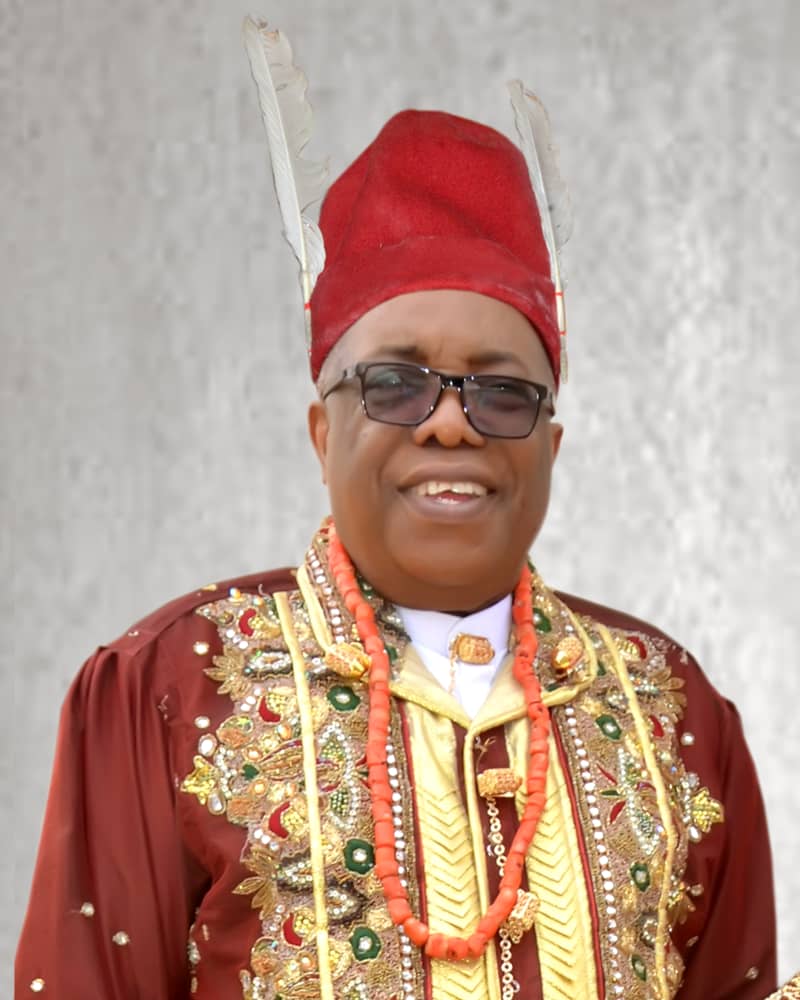
Historical context
Owerri and the Evolution of Kingship
Traditional Igbo society is often described as stateless or acephalous. However, Owerri represents an important exception. According to oral traditions and historical reconstructions, the town evolved a centralized kingship system long before colonial rule. This kingship was not absolute in the European sense but ritualistic, symbolic, and deeply spiritual.
The Eze Owerri functioned as a sacred ruler whose authority derived from ancestry, ritual legitimacy, and communal acceptance. This model aligns with historical interpretations that see some Igbo monarchies as ritual centers rather than autocratic regimes.
The Njemanze Lineage and the Eze Owerri
The Njemanze family traces its ancestry to Njemanze, regarded in Owerri oral tradition as a founding figure or early ruler whose lineage was divinely sanctioned to hold the royal stool. Membership in the Njemanze lineage confers eligibility for kingship, making the family the royal house of Owerri.
Succession to the throne traditionally followed lineage rules, ritual validation, and approval by kingmakers. This ensured continuity while preventing arbitrary rule. The Njemanze family thus became the symbolic embodiment of Owerri identity, linking the living community to its ancestors.
Sacred Authority and Ritual Power
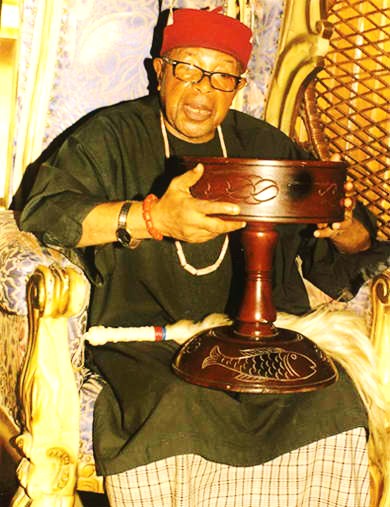
Unlike secular leadership, the power of the Njemanze kingship was deeply ritualized. Eze Owerri served as chief priest of the community, custodian of ancestral shrines, mediator between the people and the spiritual realm, guarantor of moral and cosmic order.
Royal authority rested on spiritual legitimacy rather than coercion. The king presided over festivals, sacrifices, and rites that reaffirmed communal harmony. Violations of royal taboos were believed to attract spiritual consequences, reinforcing obedience through belief rather than force.
The Njemanze Family and Colonial Encounter
British colonialism dramatically reshaped traditional authority across Igboland. In Owerri, colonial administrators recognized the Eze Owerri as a convenient intermediary. This recognition both strengthened and altered the role of the Njemanze monarchy.
While colonial rule formalized the king’s political visibility, it also constrained indigenous authority by subordinating it to colonial interests. Nonetheless, unlike many warrant chiefs imposed elsewhere, the Njemanze kingship retained pre-colonial legitimacy, allowing it to survive colonial disruption more effectively than many other Igbo institutions.
Royalty, Modernity, and Public Life
In postcolonial Nigeria, the Njemanze family continues to play a visible role in Owerri’s cultural and political life. The Eze Owerri is recognized by the Imo State government as a first-class traditional ruler, participating in state councils of traditional rulers.
Beyond governance, members of the Njemanze family have been active in education, civil service, cultural advocacy, urban development.
This demonstrates how traditional royalty adapted to modern realities without losing symbolic authority.
Royal Contests and Contemporary Debates
As with many traditional institutions, the Owerri kingship has not been without controversy. Disputes over succession, recognition, and legitimacy have occasionally arisen, reflecting tensions between customary law, modern politics, and legal systems.
These debates highlight broader questions about the role of monarchy in modern Igbo society. Yet, even amid disputes, the centrality of the Njemanze lineage to Owerri kingship remains largely undisputed, reaffirming its historical status.
Owerri Kingship in the Igbo Cultural Context
The existence of the Njemanze monarchy challenges simplistic portrayals of Igbo society as uniformly stateless. Instead, it underscores the diversity of political forms within Igboland. Owerri represents a model where kingship coexisted with councils, age grades, and communal decision-making.
This hybrid system reflects Igbo pragmatism: leadership structures evolved in response to social, spiritual, and historical needs rather than rigid ideology.
Cultural Memory and Identity
For the people of Owerri, the Njemanze family represents more than political authority. It symbolizes ancestral continuity, cultural pride, historical rootedness, spiritual guardianship.
Royal regalia, festivals, and palace traditions continue to anchor Owerri identity in an era of rapid urbanization and globalization.
The Njemanze family occupies a central place in the history and cultural imagination of Owerri. As custodians of a rare Igbo kingship tradition, they embody the fusion of spirituality, ancestry, and governance. From pre-colonial ritual authority through colonial mediation to postcolonial cultural leadership, the Njemanze monarchy has shown remarkable resilience. Its continued relevance speaks to the enduring power of tradition in shaping communal identity and historical memory in southeastern Nigeria.
Sources and references
- Afigbo, A. E. (1981). Ropes of sand: Studies in Igbo history and culture. Oxford University Press.
- Isichei, E. (1976). A history of the Igbo people. Macmillan.
- Uchendu, V. C. (1965). The Igbo of southeast Nigeria. Holt, Rinehart and Winston.
- Wikipedia contributors. (2024). “Owerri.” In Wikipedia, The Free Encyclopedia.
- Njoku, J. E. (2010). Odinani: Igbo traditional religion. University Press of America.
Cite this article
Discussion
Sign in to join the discussion
Comments are checked by an editor before they appear. Leave a source or a correction and it is read first.
Continue reading
Related histories
 Cultural HeritageEleven Days of Nwafor Ogidi: Inside the Festival Keeping an Old Igbo Tradition AliveRead history →
 Cultural HeritageIli Ji Nkpor Obododike: The Indigenous Agricultural Ritual CycleRead history →
 Cultural HeritageMusic and Drum Traditions: Tracing the “Igbo Drum” in the AmericasRead history →
No comments yet
Nothing has been approved on this record yet. Comments are checked by an editor before they appear, so one written now shows on this page after that check.